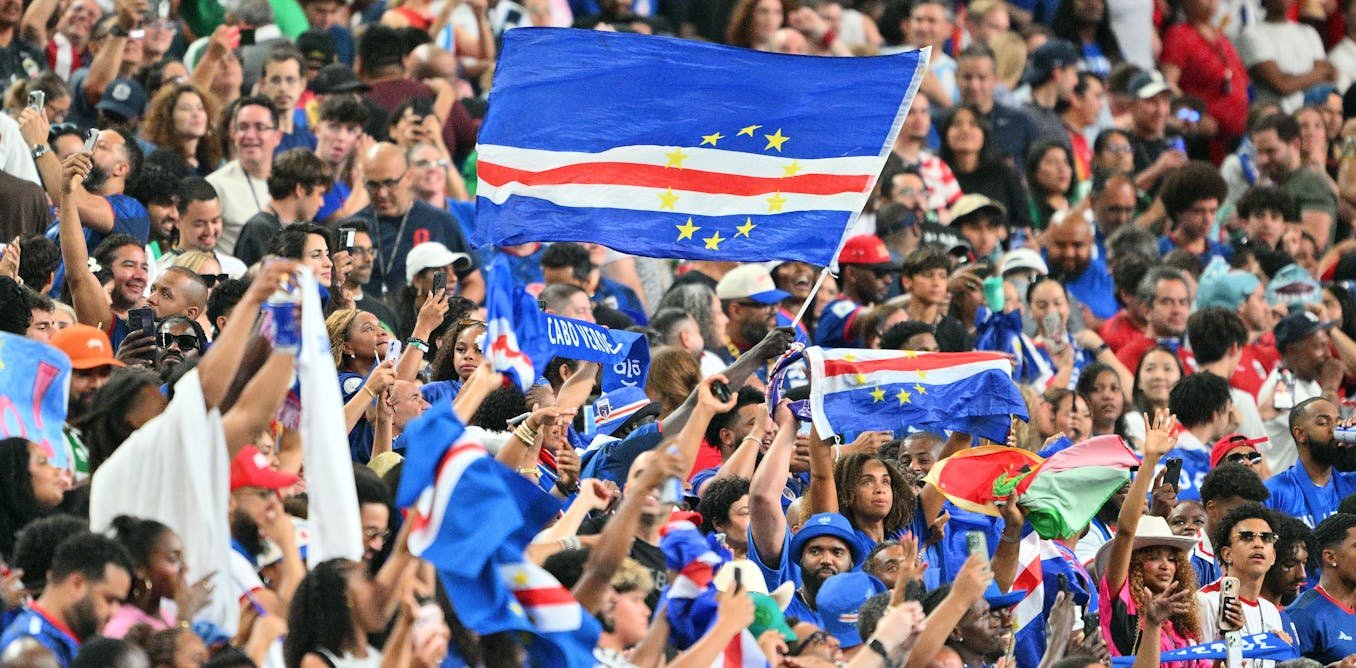
For decades, the west African island nation of Cape Verde was perhaps best known for the music of late singer Cesária Évora. This summer, however, the Atlantic archipelago has gained fame for a different reason: football. As one of the surprise stories of the 2026 Fifa World Cup, Cape Verde has captured the imagination of fans worldwide.
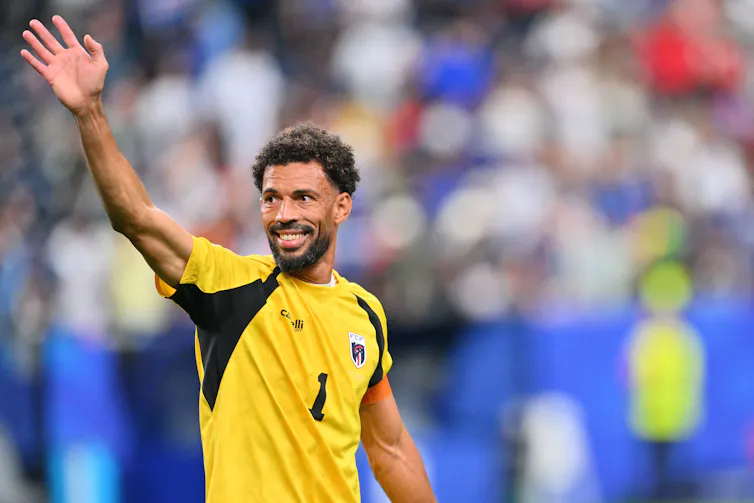
The team has qualified for the knockout stages after a run that included a 0-0 draw with the reigning European champions, Spain. The Cape Verde goalkeeper, Vozinha, has also become one of the most recognisable faces of the tournament. His follower count on Instagram increased from around 50,000 before the Spain match to over 17.4 million by the end of June.
With a population of just over 500,000 people spread across ten islands (nine inhabited), Cape Verde is used to defying the odds. The arrival of the Portuguese in the 1460s made the archipelago a strategic hub in the making of the Atlantic world. On Santiago Island, they founded the oldest European settlement south of the Sahara Desert, Ribeira Grande.
This city, which is now called Cidade Velha, became a hub linking continents through maritime trade, migration and, tragically, the transatlantic slave trade.

Resource deprived and plagued by frequent droughts, the end of the slave trade in the mid-19th century marked a period of decline. This period continued until the archipelago gained independence in 1975 through a joint liberation struggle with Guinea-Bissau.
A key figure in this movement was Amilcar Cabral, who was born in Guinea-Bissau to Cape Verdean parents and was educated in Cape Verde. He emerged as one of Africa’s most influential leaders in the anti-colonial struggle and gained widespread support across European countries thanks to his diplomatic skills.
After attaining independence, Cape Verde was declared an “unviable” state by the then US secretary of state, Henry Kissinger, and thereafter by some international financial institutions. They saw it as too small and resource-poor to survive on its own.
Yet 50 years later, the nation has transformed itself from one of the poorest countries in the world to an upper-middle-income state.
Transition to democracy
Political stability enabled Cape Verde to introduce pioneering democratic reforms in the 1990s. After 15 years of single-party rule, the country’s first election in 1991 saw the incumbent African Party for the Independence of Guinea and Cape Verde peacefully transfer power to the newly founded opposition Movement for Democracy.
This formed the foundation for what has become one of Africa’s strongest democracies. Cape Verde is routinely praised for its pragmatic politics and overall good governance, ranking third out of 54 countries on the Ibrahim Index of African Governance behind the Seychelles and Mauritius. It has the second-highest life expectancy in Africa, at between 75 and 77 years, as well as high rates of literacy and human development. Its child mortality rates are also among the lowest in Africa.
In a country where football is deeply woven into everyday life, a broad commitment to human development has been complemented by sustained investment in youth football and talent development by Fifa that has boosted sporting infrastructure.
With one of the highest migration rates in the world, the Cape Verdean diaspora is another key aspect of the archipelago’s success story. Often called Cape Verde’s “11th island”, the emigrant population is estimated to be larger than the resident population.
Migrant remittances constitute much bigger financial flows to the country than foreign aid or foreign direct investment. This was particularly relevant during the COVID pandemic. The World Bank and Cape Verde’s central bank reported a record increase in remittances of over 30% for 2021 as emigrants responded to the socioeconomic shocks caused by pandemic restrictions.
The Cape Verdean football federation has tapped into this diaspora for the national team. From 2002, players developed abroad have been recruited to represent the archipelago. These include players based in Portugal, France, the Netherlands and even Ireland.
In 2019, Ireland-born defender Roberto Lopes (known as Pico) recalled being contacted by the then-coach of Cape Verde, Rui Águas, on LinkedIn and first ignoring the message because it was in Portuguese and he thought it could be spam.
Cape Verde’s story is not one of perfection. The vast majority of the population is aged under 35 and many young people there face unemployment, precarious work and limited opportunities. This is prompting many to seek better futures abroad.
Despite the progress achieved through the passing of the Parity Law in 2019, which requires that neither women or men hold less than 40% or more than 60% of positions in electoral lists, women’s political representation and gender equality also remain a significant challenge for the nation.
As the archipelago’s independence day approaches on July 5, Cape Verdeans all over the world have every reason to celebrate. And if Cape Verde pulls off another upset in their match against Argentina on July 3, it would be a fitting tribute to a nation that has spent the last 50 years proving that size need never define ambition.