They tower overhead and sway in the wind and often teem with squawking birds, yet trees are easy to ignore. Urbanites rush by them without noticing, and without appreciating all the work they do: Trees reduce temperatures, mitigate flooding, and provide habitat for animals.
City leaders are no exception to this oversight. As mayors around the world pledge to reduce municipal greenhouse gas emissions, they’re missing the literal low-hanging fruit of bolstering urban forests, dozens of scientists argue in a new essay. “We have to elevate it from something that is nice to have to something that we require — like, mandatory,” said Manuel Esperon-Rodriguez, an ecologist at Bangor University in the United Kingdom and lead author of the piece, which published today in the journal PLOS Climate. “In the same way that we treat education, security, transportation, it has to be elevated to that level.”
What makes urban forestry so important? For one, trees significantly cool the concrete jungle by providing shade and releasing water vapor to “sweat.” Patches of greenery also allow stormwater to soak into the ground instead of pooling and flooding — that investment alone will spare cities from economic damages as a warming atmosphere makes rain fall harder. Spending time in parks also boosts mental health, while urban farms produce nutritious food and create jobs. Planting trees, especially native species, also provides shelter and food for fauna. At the same time, vegetation absorbs pollutants, improving air quality for everyone.
These scientists have laid out a four-point approach to funding, raising, and maintaining urban forests. This, by the way, includes individual trees on sidewalks, parks, and woodlands in cities. But it’s really about all the vegetation — not just trees but shrubs as well — within the city limits, whether that’s in someone’s backyard or growing in a street median.
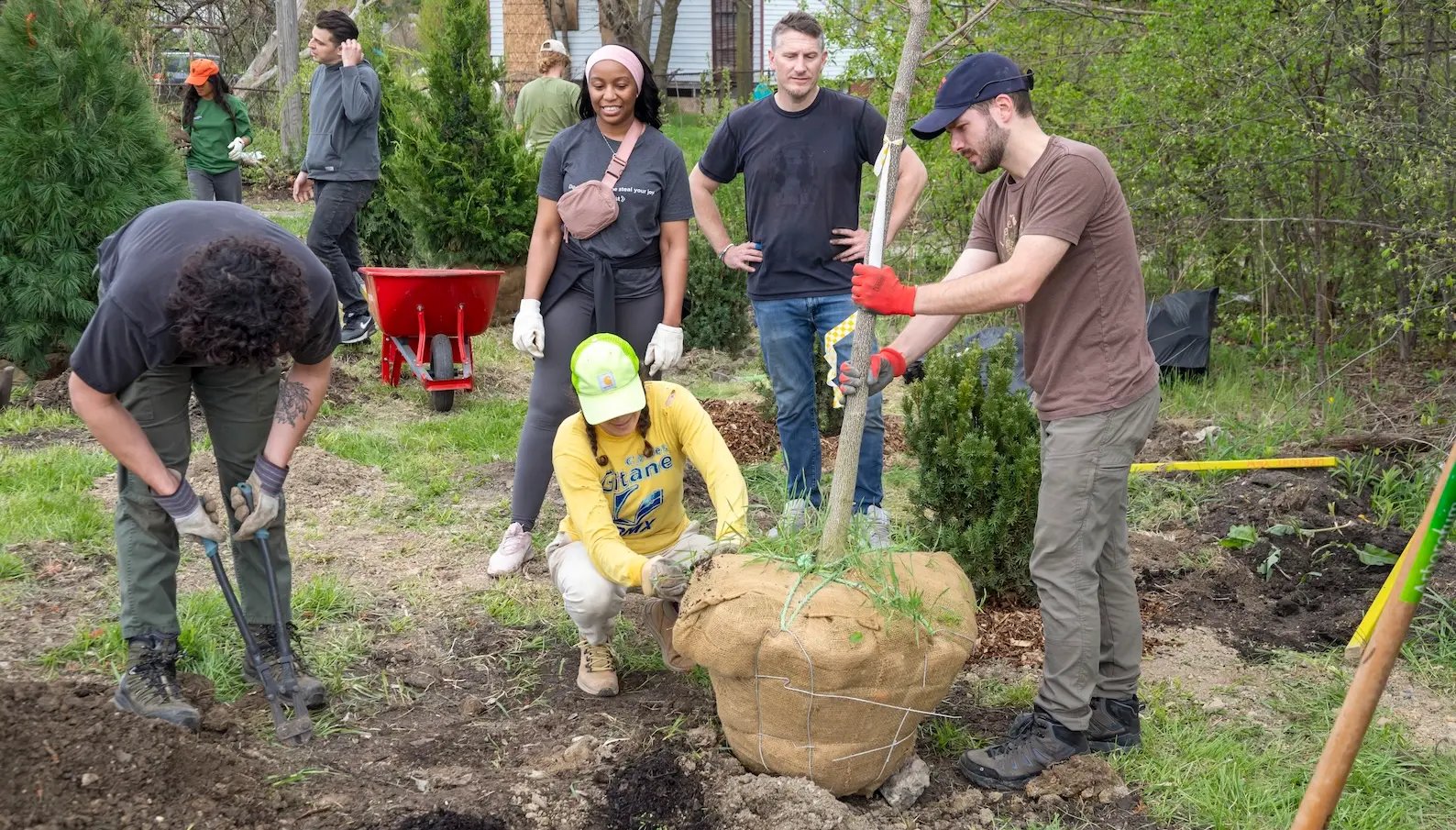
The first hurdle is investing in this stuff. Urban forestry isn’t just about buying a bunch of trees and hiring people to put them in the ground. It takes resources to maintain them, especially when they’re newly planted and not yet established, and therefore more vulnerable to stresses like pests. Money can (and does) come from private funders, but that cash isn’t always a guarantee. So city governments should be setting aside money for these green spaces, the researchers argue. “We say that it has to be critical infrastructure, because then we need a special budget dedicated just to them,” Esperon-Rodriguez said.

Even for cash-strapped governments, this is an investment proven to bring dividends: A recent report found that for every dollar put into parks and recreation, cities reap $3 in local economic benefits every year. That’s because green spaces encourage people to exercise, supporting public health and reducing the costs associated with sedentary lifestyles. By attracting locals and tourists, parks also spur economic activity as folks filter into surrounding neighborhoods to shop or have lunch. So while yes, it does take money to plant and maintain this greenery, it’s in a city’s best interests to do so.
Mayors must ensure that these domains blossom in an equitable way, the scientists add. Richer areas tend to be much greener, and therefore cooler, than underserved neighborhoods. People who can’t afford air conditioning are at higher risk of the urban heat island effect, or the tendency for the built environment to absorb the sun’s energy all day and release it throughout the night. “Then what’s the cost?” Esperon-Rodriguez asked. “They are missing opportunities, they are missing recreational activities. And if they don’t have air conditioning, then on top of that there is the issue of health.”
Officials can’t just roll into a neighborhood and plant trees, though — the essay argues that cities have to collaborate with their communities on strategies for doing so. Some folks might want more fruit trees, for instance, while others might object to cherries splatting on the sidewalk. Some might worry about their allergies, and request trees that don’t spew so much pollen.
Esperon-Rodriguez adds that expanding the canopy across a metropolis, and doing so equitably, needs to be enshrined in some way. That is, it can’t just be a mayoral candidate’s promise to increase tree cover by 30 percent, but something that’s legislated. This is not only more durable over the years, and hopefully decades, but helps citizens hold elected officials accountable if they’re not meeting targets, Esperon-Rodriguez said.
Overall, these campaigns need to be evidence-based, the essay argues. Cities, for example, have to identify not just the tree species that communities prefer, but ones that will actually survive ever-climbing temperatures. It’s not just thinking about increasing the canopy in the near term to meet some goal, but making sure cities are more verdant and safer in the long run. “It’s a way to secure,” Esperon-Rodriguez said, “that whatever we’re planting today is going to survive the next 10, 20, or 50 years.”