In order to solve climate change, you have to do two things — stop burning fossil fuels, and build clean energy to replace them. The last few decades in the United States have witnessed a long back-and-forth over which of the two goals is more important, and over how to achieve either of them. Is it more important to pass a carbon tax, or subsidize electric vehicles? To block a new oil pipeline, or build a lot of solar and wind?
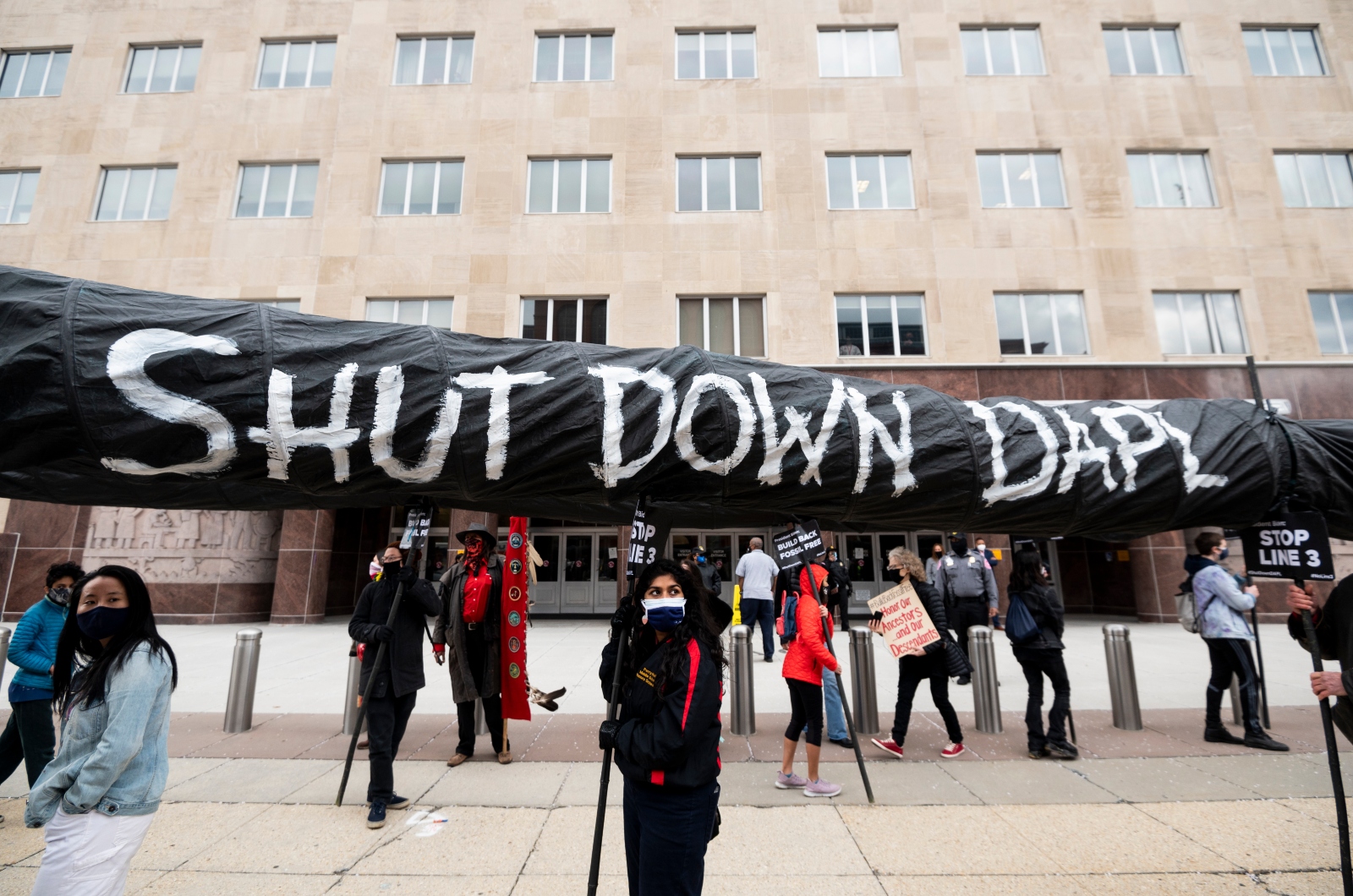
On this question, the coalition known as the climate movement has fractured into two broad groups. On one side, there are activists, lawyers, and environmentalists, who tend to focus on blocking and reducing fossil fuel use. On the other, there are renewable energy companies and policy wonks, who tend to focus on building more clean energy.
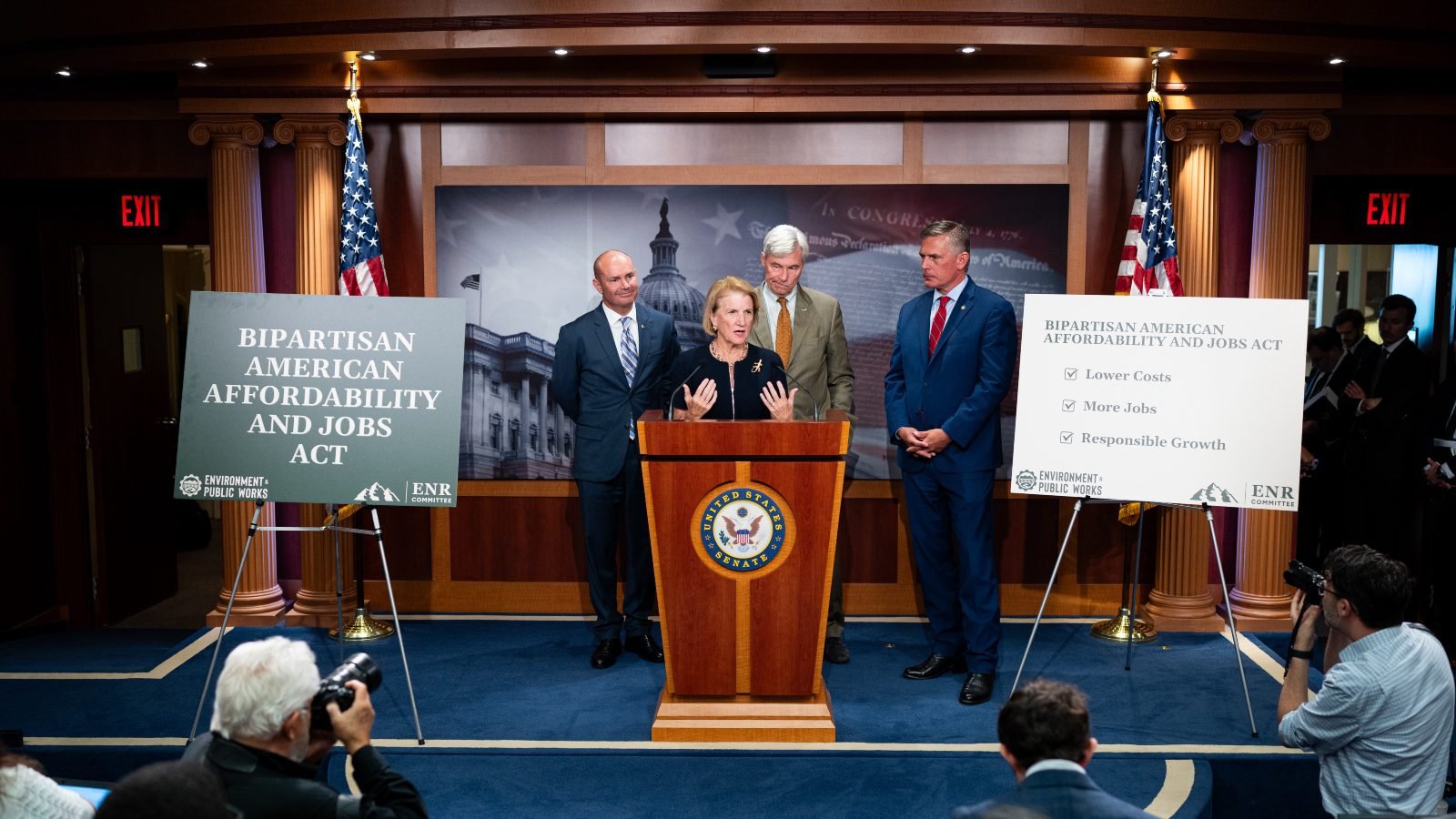
These factions have clashed in the past, but over the past week a kind of civil war has erupted between the different elements of the climate movement. The inciting incident was the release of the Bipartisan American Affordability and Jobs Act, or BAAJA, a long-awaited Senate bill that is designed to enable the construction of more power plants, transmission lines, and gas pipelines. The bill does this by weakening some of the nation’s bedrock environmental laws, speeding up the timeline for government agencies to issue permits, and making it harder to cancel projects that have already gotten federal approval.
For climate-conscious supporters of the bill, it’s better for the planet to build a lot of clean energy even if it means some fossil fuels get built as well, and even if they cause some damage to the environment on the way. Supporters of the effort argue that if the U.S. builds out new clean capacity, it will be easier to wean off fossil fuels, which are the primary cause of global warming and all its myriad consequences. Opponents say that’s a Faustian bargain, one that will jeopardize tribal nations, other marginalized communities, and endangered species.
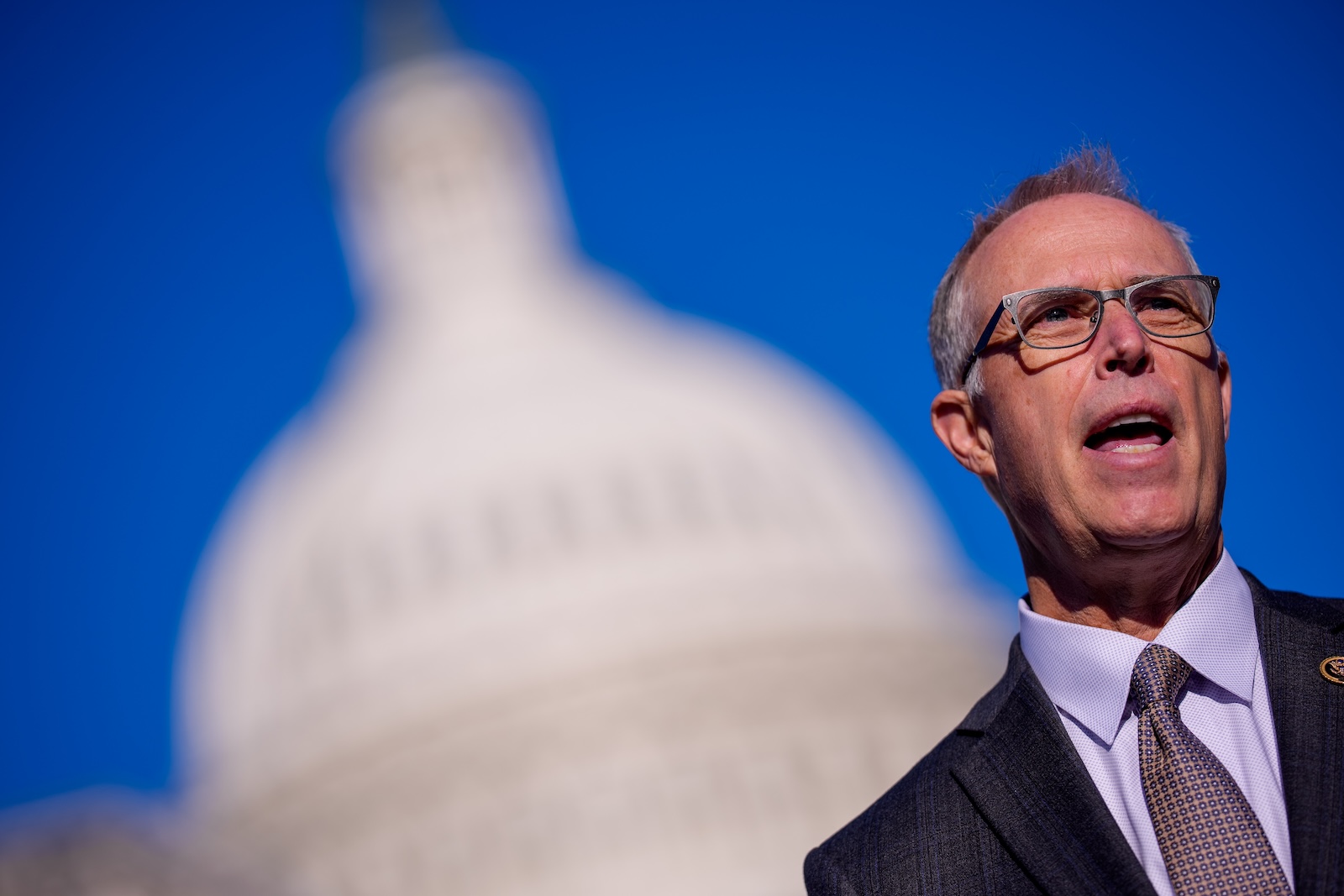
“It is definitely exposing a potential fault line between the environmental community and clean energy interests,” said Representative Jared Huffman, a Democrat who represents Northern California, in an interview with Grist.
BAAJA is the product of months of bipartisan negotiation between four members of the Senate committees focused on energy and the environment. The two Democrats in the talks were Sheldon Whitehouse of Rhode Island and Martin Heinrich of New Mexico, who are both climate hawks and clean energy advocates. The Republicans were Mike Lee of Utah and Shelley Moore Capito of West Virginia, who are advocates of fossil fuels and critics of environmental regulation. Despite their ideological differences, the four senators managed to reach a compromise on a sprawling 400-page bill with hundreds of individual provisions.
The so-called “four corners” reached a deal just before Congress left for its fall recess, and the Senate will not return to take up the bill until after the midterm elections. The bill has not even made it through committee yet, and it also faces an uncertain fate in the House of Representatives. The next few weeks will see a scramble of lobbying as supporters and opponents of the bill try to sway senators and representatives for or away from the bill.
So far, at least, the builders seem to have more influence than the blockers, at least within the climate movement. President Donald Trump has spent the last two years repealing most federal climate policy and blocking the development of new clean energy, and many climate advocates seem willing to accept an imperfect deal rather than hold out hope of fixing Trump’s damage after he leaves office.
“It’s a lot easier to prevent things from being built than to build things, and that applies both to fossil fuels and to renewables,” said Zeke Hausfather, a climate expert at the science nonprofit Berkeley Earth, who also directs climate research for the tech company Stripe. “I don’t want us to run roughshod over any community, but we also can’t give everyone a veto for an issue as important as climate change. So ultimately, we need to strike a balance there.”
The case in favor: Build more
A big challenge with building clean energy is that it takes up a lot of space. Solar farms and wind farms can cover thousands of acres of land, and the transmission lines that carry their power to cities can extend for hundreds of miles, covering far more territory than coal and natural gas plants do. This large footprint makes these projects more likely to touch federal lands or waters, which triggers a series of obligations under the National Environmental Policy Act, the foundational environmental protection law also known as NEPA, and other laws that protect endangered species and historical artifacts. Under NEPA, federal agencies must carry out an extensive analysis of a project’s environmental impacts before issuing or denying a permit for it.
That review process often inspires time-consuming litigation. Opponents can bring lawsuits against an agency even years after a review is complete, arguing the review wasn’t comprehensive enough, and they can ask courts to halt the project until the agency redoes the analysis. A 2025 study found that 64 percent of solar projects, 38 percent of wind projects, and 31 percent of transmission line projects face NEPA lawsuits.
This litigation can come from almost anyone, and can cover almost any conceivable impact from a project. On one end of the spectrum, a coalition of tribes and environmental groups sued the developer of the SunZia transmission line. The line carries much-needed wind power to Arizona and California, but the plaintiffs wanted the developer to reroute the wires away from a holy cultural site, an effort that was ultimately unsuccessful. On the other hand, opponents of a wind project in California delayed development for years by suing on the grounds that a federal agency had failed to consider pseudoscientific theories about wind turbines creating dangerous electromagnetic fields. Both projects were ultimately completed, but years behind schedule.
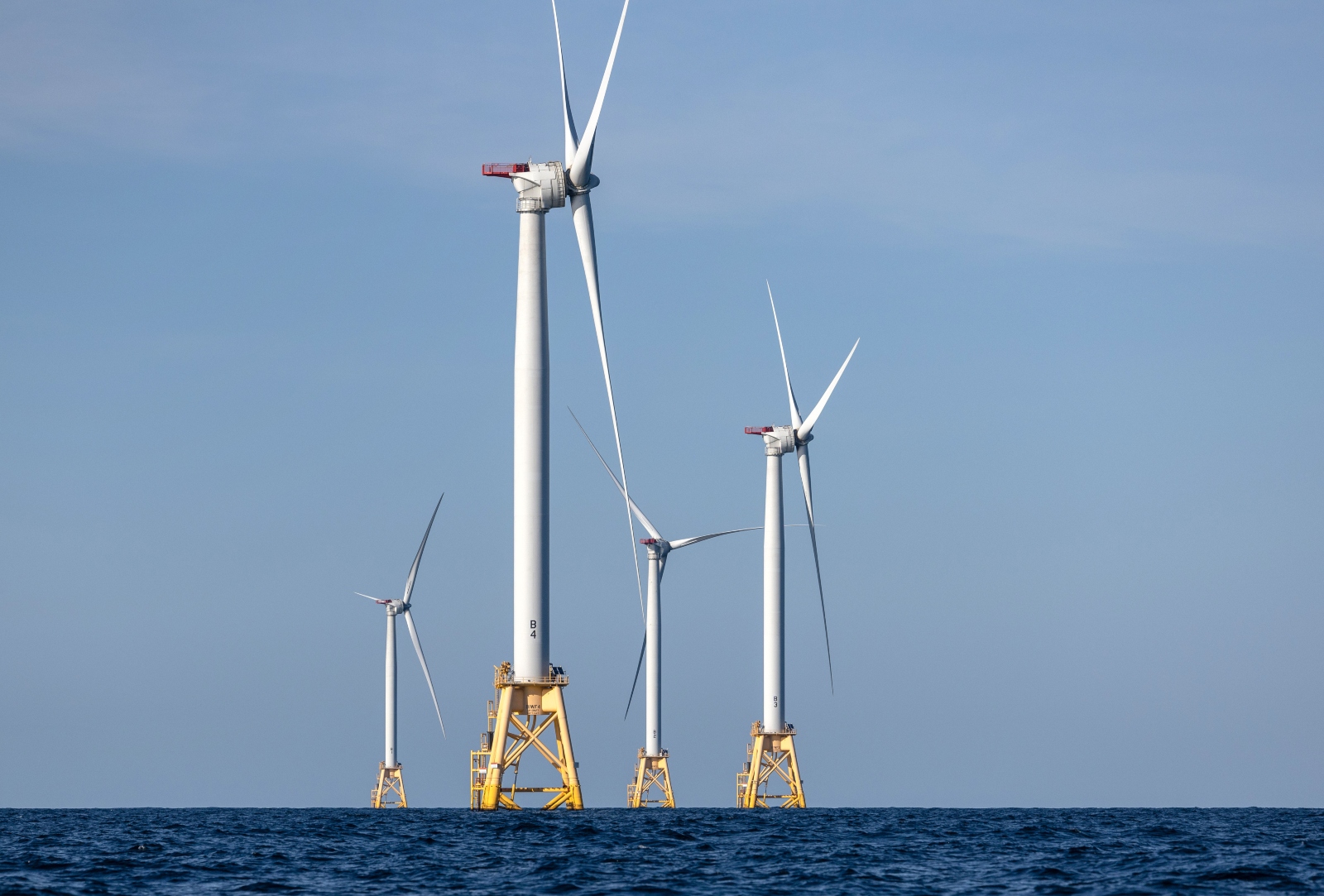 block the Keystone XL oil pipeline and to pause the construction of new liquefied-natural gas terminals on the Gulf Coast, while Democrats have watched the second Trump administration use dubious executive authorities to halt the construction of solar and wind farms on federal lands and waters. One provision in the bill would help developers seek compensation if they can establish that the government has discriminated against a specific project type, like offshore wind, through delayed and canceled permits.
“This president has found ways to skirt the edges of every law that we have, and his attacks will continue,” said Kris Ohleth, executive director of Special Initiative on Offshore Wind, a pro-offshore wind nonprofit research group. “But at least if developers know they can recoup some of their development costs, as this bill might allow, it’s more appealing for them to return to the market.”
What’s arguably the most important thing in the bill doesn’t have to do with permitting per se. It’s about the massive transmission lines that carry electricity from region to region. The United States has built very few of these interstate lines in recent years. This dearth of new wires has made it infeasible for developers to build more solar and wind.
“Historically, it didn’t matter too much where power plants were located, so we built them close to where the power was needed,” said Chirag Lala, vice president of research and chief economist at the Center for Public Enterprise, a think tank. “But we don’t have that same luxury with clean energy, which can be very location-specific. If you’re going to rely on those resources, you have to ship the power over long distances.”
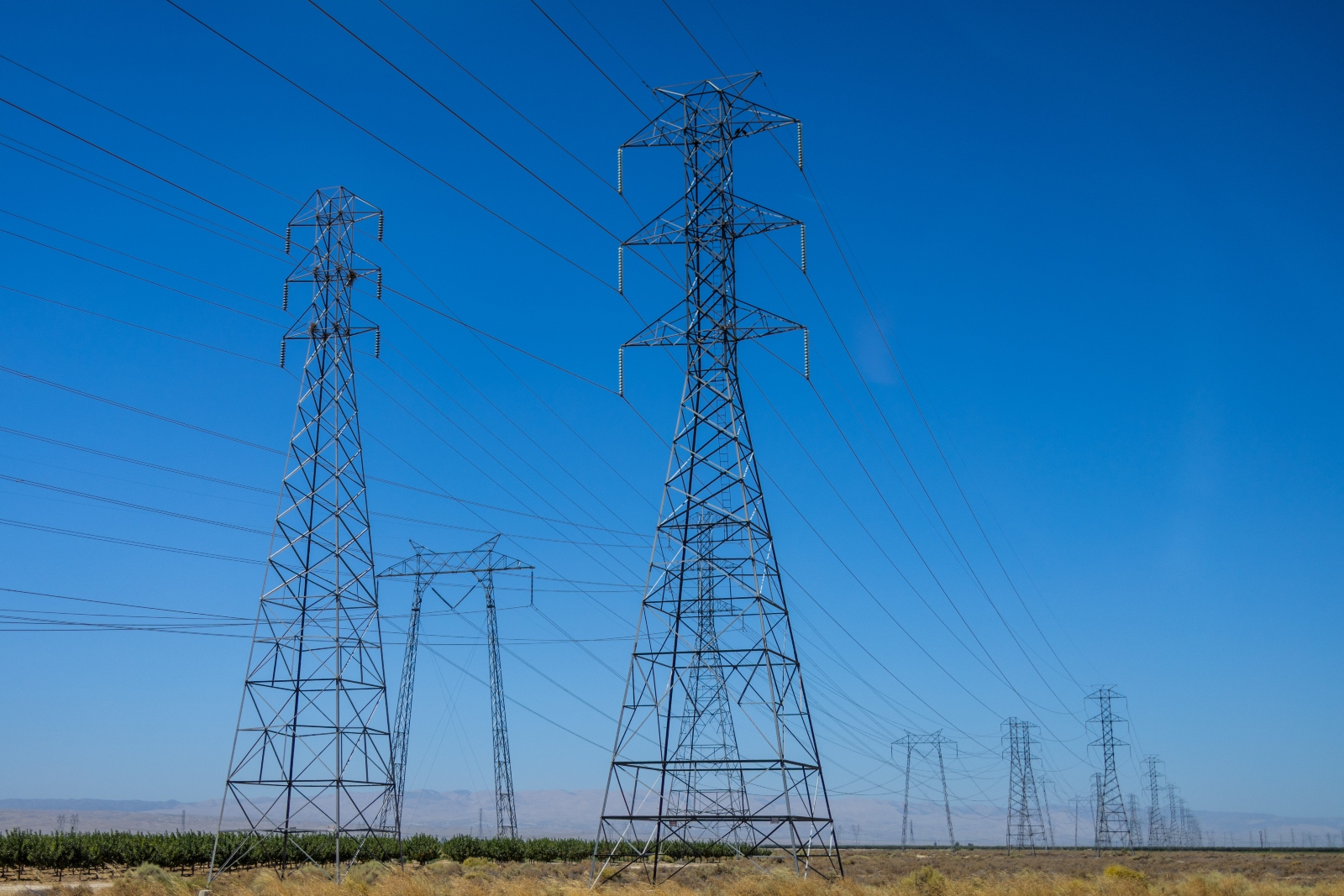
BAAJA would force utilities and regional grid operators to plan for interregional transmission lines, and would let private developers (like the one behind SunZia) come in and build lines themselves if utilities don’t build enough. The bill would also clear away a number of procedural roadblocks that have allowed utilities to block interregional transmission.
The Democrats who negotiated the bill and the climate experts who support it see these provisions as a sea change for clean energy. If the bill passes, it could unleash solar in Nevada and wind in the Dakotas, and then bring that power to places like Appalachia that have little solar or wind potential of their own.
The case against: Stop the damage
But while the clean energy industry has celebrated the bill’s effort to speed up permitting for new power plants, many environmental groups have condemned it. These groups argue that the changes would allow for a surge of new development near disadvantaged communities, and will leave residents with no legal recourse to stop that development.
These groups argue, in essence, that the bill sacrifices many communities in places like the Gulf South in order to achieve an overall nationwide increase in the supply of clean energy.
“That battle between fossil fuels and renewables is not going to necessarily go well for the people of our region, especially if you take those regular protections that we’ve relied on for years away,” said Liz Zepeda, the director of federal policy at the Southern Environmental Law Center, an environmental law group that represents six states in the Southeast.
The permitting changes have also drawn intense criticism from Indigenous groups, who say that the narrowing of historic preservation law would deprive tribal nations of a voice in development decisions. By the time that tribes learned about a company’s plans for a new transmission line or solar farm, it could be too late for them to protect culturally important sites.
“These changes will reduce opportunities for Tribal Nations to learn that an infrastructure project is occurring or to participate before decisions are made, all but guaranteeing that construction or other activities affecting sacred places can proceed without meaningful Tribal involvement,” said Valerie Grussing, the executive director of the National Association of Tribal Historic Preservation Officers, a group representing tribal officials who advise federal agencies on protecting Indigenous historic sites during project development.
The bill would constrain litigation on behalf of endangered species and would also weaken states’ power to stop development under the Clean Water Act. This latter state power has been used in the past to take down old hydropower dams, like the ones on the Klamath River, and that would now be harder.
BAAJA would also allow mines on public lands to unload excavated rock and waste materials on adjacent land. Mining is essential for clean energy development — solar panels, wind turbines, and EV batteries all need metals and minerals — but some environmental groups worry about the impact on local ecosystems.
 Builders vs. blockers
BAAJA’s fate is far from guaranteed. In addition to the opposition from influential groups like the Center for Biological Diversity, there are a number of House members who have expressed uncertainty about the bill. At least one senior Republican, Brett Guthrie, has said he opposes the effort to force new transmission lines, and major utilities will likely oppose that provision as well. On the Democratic side, Huffman, the representative from California, told Grist that he thinks Democrats can likely get a better deal after the midterms.
“The idea that this is this once-in-a-lifetime great opportunity that will never come again and has to be accepted without any scrutiny or questions is pretty silly,” he told Grist. Huffman said he believes the bill is a “Trojan horse” with “giveaways” for the fossil fuel industry, and said he believes he could negotiate a bill without significant environmental rollbacks should the Democrats take control of the House.
But even if Democrats retake the House and the Senate, they will need some Republican votes to pass a major transmission reform, so some kind of compromise is inevitable. Many supporters say they doubt that Republicans would negotiate a bill when in the minority, or that Trump would sign a Democratically-led bill.
For now, the bill seems to have split the climate movement down the middle. While hundreds of small environmental groups signed a letter urging Democratic senators not to pass the bill, most major green groups did not sign. The list of absences includes the Sierra Club, the Environmental Defense Fund, the Nature Conservancy, and the Natural Resources Defense Council, arguably the nation’s most influential climate nonprofit, whose leader said in a public statement the bill raises “hard questions” but could be “good for clean energy — really good. ” Others, like Citizen’s Climate Lobby, have offered their unequivocal support. Even the environmental opponents seem somewhat fractured — when a group of opposing nonprofits held a Zoom call to coordinate their strategy, someone leaked the transcript to Punchbowl News.
The fact that the bill has a chance of passing with some support from green groups and climate hawks like Whitehouse reflects a shift in the American climate movement. The movement took off during the fracking boom with protests against pipeline projects like Keystone XL, but efforts to phase out fossil fuels have been stymied by court decisions and administration changes. During that time, solar and wind have both experienced dramatic growth as they’ve gotten cheaper to build, but they are now hitting bottlenecks thanks to transmission constraints and environmental review.
The fact that Whitehouse and Heinrich came to the table with Republicans, and that so many green groups aren’t fighting their compromise, may be a sign about how climate advocates have come to see fossil fuels: If you can’t beat ‘em, build something that can replace ‘em.