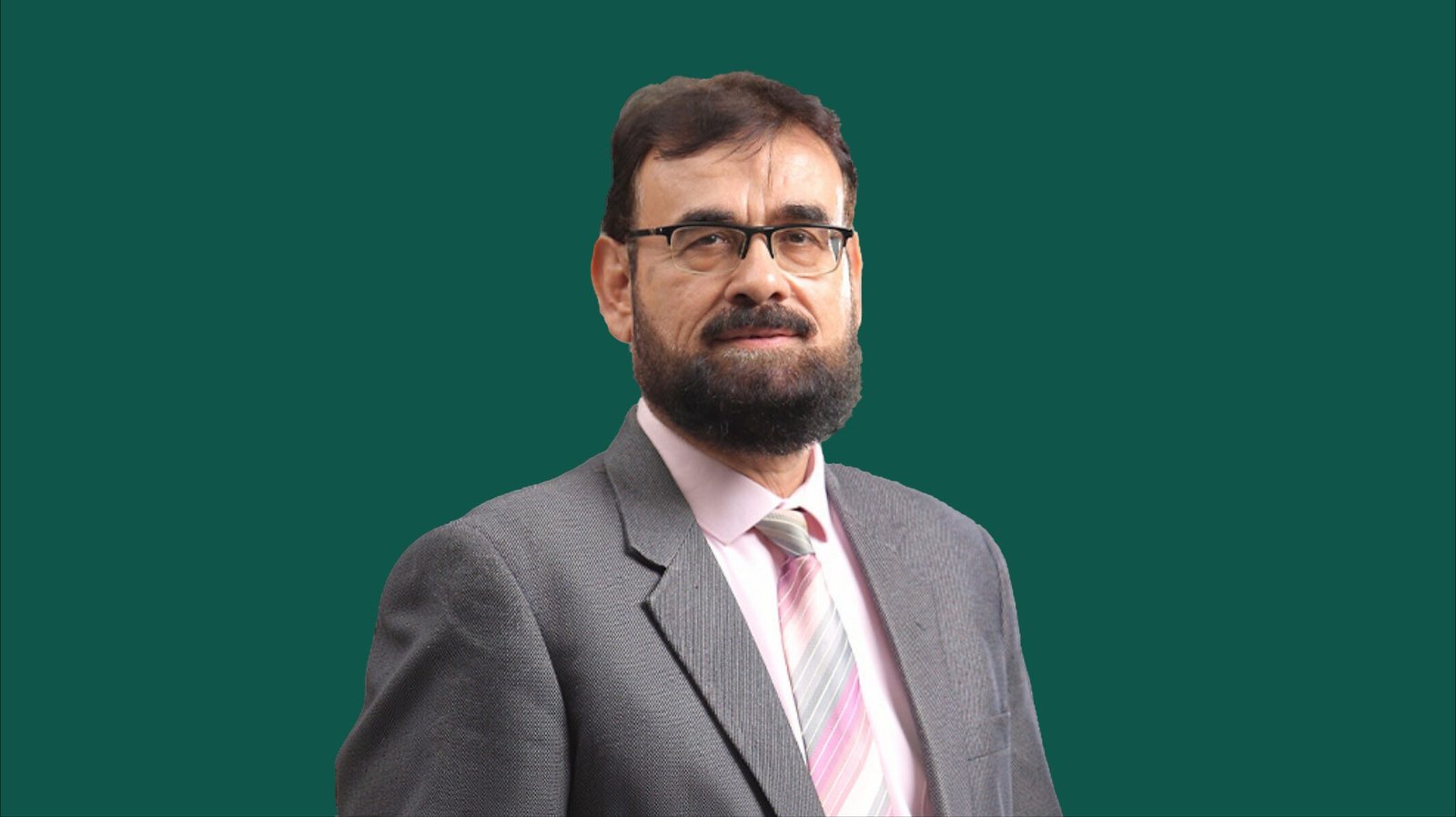
Pakistani physician Dr. Abdul Bari Khan, founder and president of the Indus Hospital & Health Network, has been selected to receive the 2026 James and Carol Hovey Eisenhower Fellowships Impact Award for building one of the world’s largest free healthcare systems.
Khan, the only Pakistani recipient of the honor this year, will receive the award and its $10,000 prize on November 11 at Liberty View in Philadelphia. Eisenhower Fellowships Trustee Jim Hovey will present the award, which recognizes an Eisenhower Fellow or group of fellows whose work has produced exceptional benefits in a field or community.
Established in 2023 through an endowment from Hovey and his wife, Carol, the annual award is named in their honor. Khan, an Eisenhower Fellow in 2004, was selected from more than 45 entries by a panel of trustees, fellows, and outside experts.
The recognition centers on the growth of the Indus Hospital & Health Network, which began 18 years ago as a 150-bed hospital in Karachi. It has since developed into a nationwide system comprising 12 hospitals, four blood centers, three rehabilitation centers and more than 100 primary-care facilities.
Information provided to The Media Line said the network treats more than 6 million patients each year without charge. During the past year, it performed more than 67,000 surgeries, recorded over 214,000 hospital admissions, handled 2.9 million outpatient visits and treated 1.4 million emergency cases.
The network also supported more than 16,000 deliveries, provided mental health services to more than 212,000 people and conducted malaria screenings for 6.3 million individuals.
Eisenhower Fellowships President George de Lama said Khan had turned a personal vision into a national health system that has saved lives and improved care for millions of people annually. He said Khan’s focus on dignified, high-quality treatment for vulnerable and underserved communities reflected the organization’s mission.
Pakistan’s health system faces persistent challenges, including uneven access between urban and rural areas, high out-of-pocket costs, and shortages of care for low-income families. Khan’s network has become one of the country’s most prominent nonprofit responses to those gaps, offering treatment without requiring patients to pay.