The Mecca Joint Defence Agreement, signed August 7 by President Recep Tayyip Erdoğan, Saudi Crown Prince Mohammed bin Salman, and Pakistani Prime Minister Shehbaz Sharif, stipulates that an armed attack on one signatory will be treated as an attack on all three. It also calls for broader military and defense-industry cooperation.
The treaty’s 16 provisions address assistance against external aggression, counterterrorism coordination, and cooperation on military technology and weapons production, according to the text submitted to lawmakers.
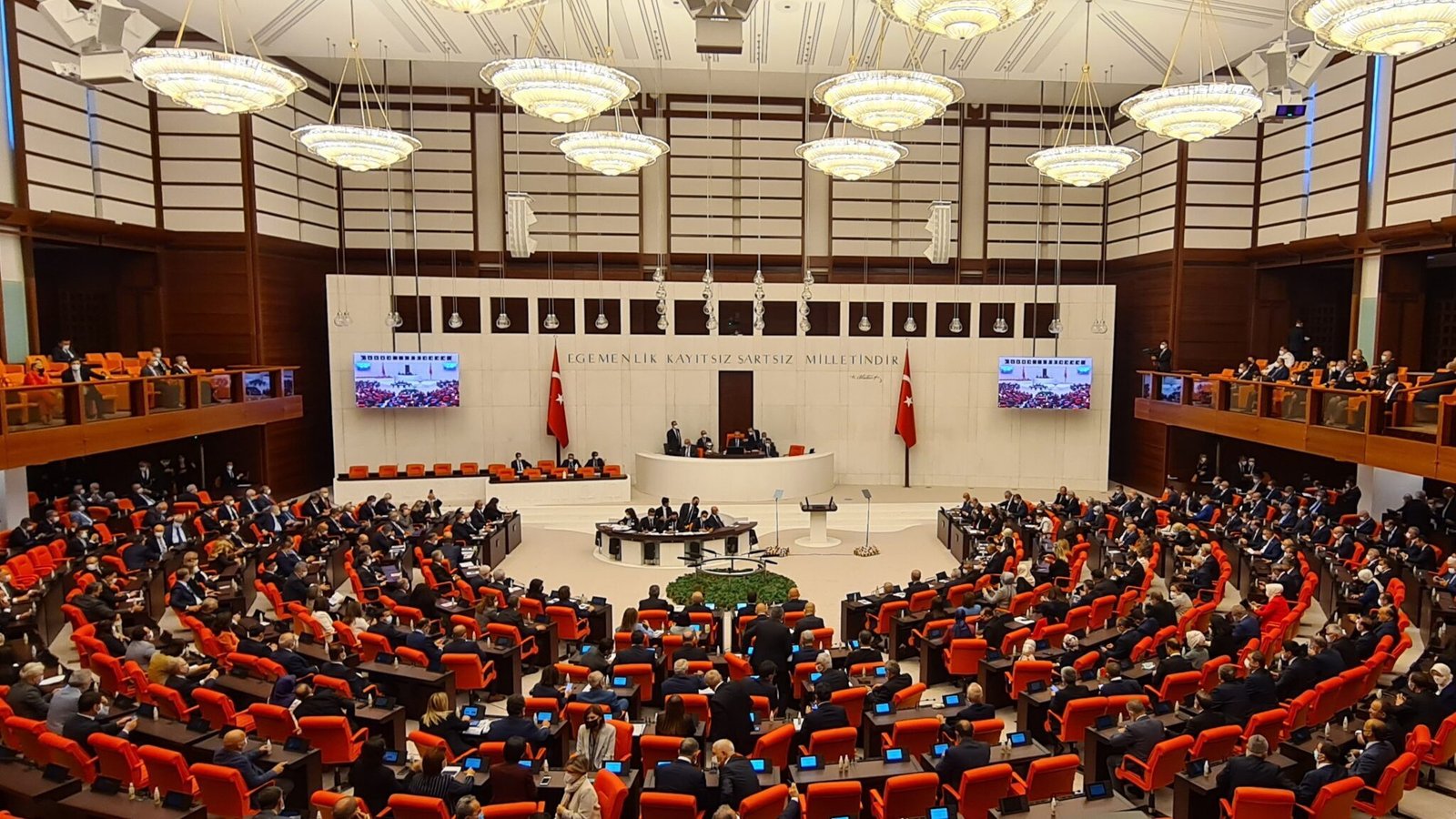
The document must pass Turkey’s parliamentary Foreign Affairs Commission before proceeding to the full assembly. Parliament Speaker Numan Kurtulmuş is expected to refer it to the commission after returning from Kyrgyzstan. No vote has been scheduled, and ratification would not by itself authorize Turkish troops to deploy overseas.
At emergency talks in Riyadh on October 5, ministers and military commanders from the three countries agreed to prepare forces and equipment for rapid deployment to Saudi Arabia, subject to national laws.
Turkey has condemned Houthi missile and drone attacks on Saudi infrastructure and offered to support the kingdom’s defenses. A Turkish official told Reuters that Ankara’s immediate contribution was expected to consist of military equipment, weapons systems, and intelligence sharing rather than combat troops.
Foreign Minister Hakan Fidan has described the pact as defensive and rejected sending Turkish forces into another country to conduct attacks.
The proposal comes as regional governments seek additional protection from Houthi strikes that have disrupted air travel, threatened energy facilities, and added to concerns about Red Sea shipping.
Ratification would formalize Turkey’s participation in the alliance, but any deployment of Turkish soldiers would still require separate parliamentary authorization.