Talks on a permanent settlement between Iran and the United States over the US-Israeli war with Iran appeared to come under greater strain early Monday, April 20, after the United States seized an Iranian-flagged cargo ship near the Strait of Hormuz and Tehran signaled that it would not take part in a new round of negotiations that Washington had hoped to open in Islamabad before the current ceasefire expires on Tuesday.
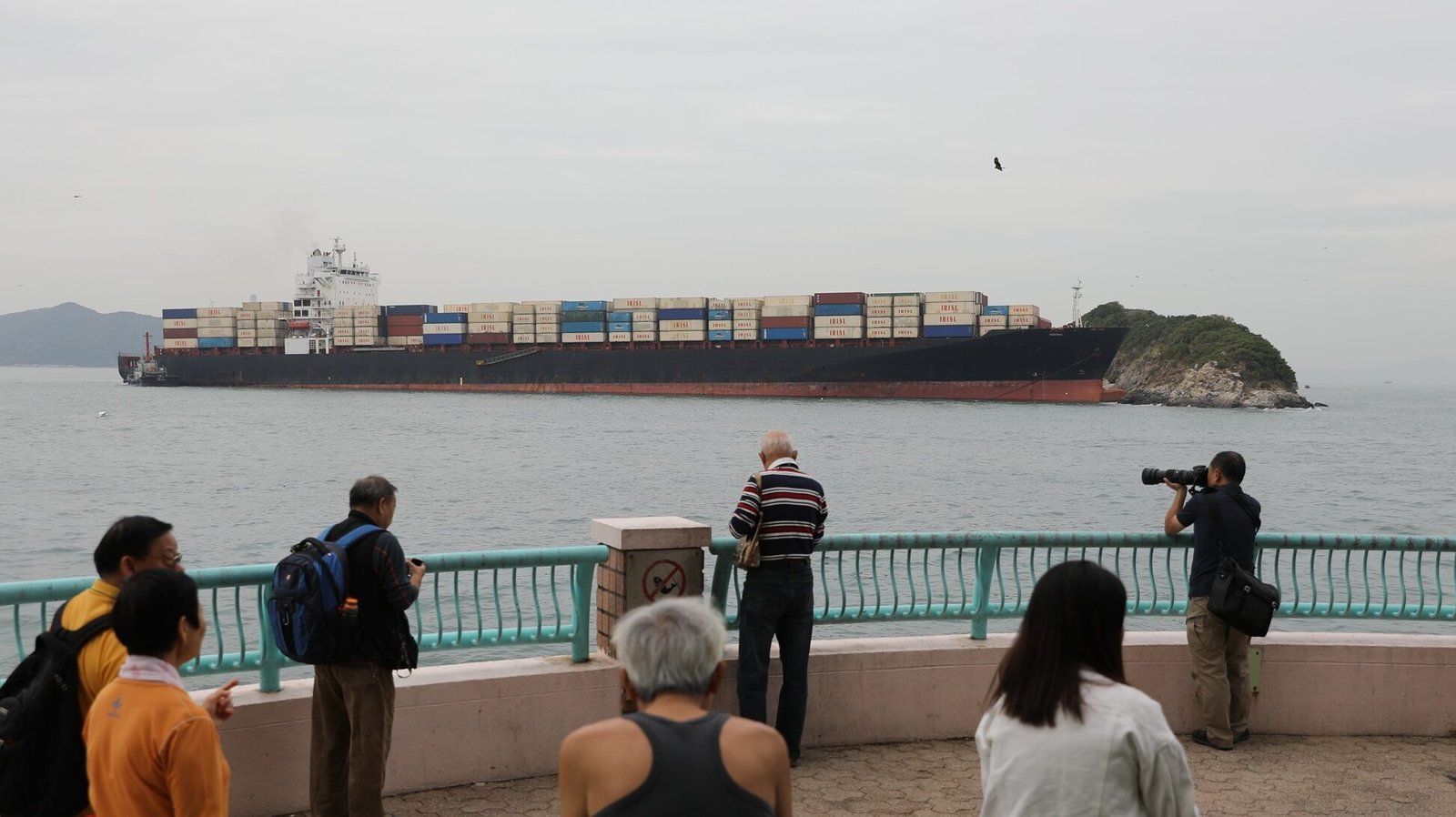
The immediate source of the new tension was the US interception of the vessel Touska following a prolonged standoff at sea. President Donald Trump said, “We have full custody of their ship, and are seeing what’s on board!” Iran’s military, quoted by state media, described the operation as “armed piracy” and warned of retaliation. The incident unsettled oil markets and added to uncertainty over whether the ceasefire can hold beyond this week.
The developments overnight appear to have further complicated an already fragile diplomatic track. Current reporting suggests that the next round of talks may be in jeopardy, though that does not necessarily mean the broader negotiating process has collapsed. Tehran rejected fresh talks for the time being, citing the blockade, US threats, and what it views as shifting American demands.
Several major issues remain unresolved, including Iran’s nuclear program, uranium enrichment, the future of the Strait of Hormuz, and Tehran’s support for regional armed groups. Those disputes had already posed serious obstacles to any long-term agreement, even before the latest confrontation at sea.
The latest setback marks a clear change from the tone coming out of Washington last week. On April 15, White House press secretary Karoline Leavitt said the discussions were “productive and ongoing,” while Vice President JD Vance said earlier that “you are not going to solve that problem overnight.” By Monday morning, Pakistan was still reported to be making security preparations for talks, but Iranian signals suggested Tehran was unwilling to attend under current conditions.
At this stage, the talks do not appear to be formally over. Still, the events of the past several hours have placed additional pressure on the ceasefire and raised new doubts about whether negotiators can convene before the current truce runs out. For now, the process appears weakened, with the next round in doubt and the diplomatic outlook less stable than it was a day earlier.