12.9 C
London
Sunday, May 10, 2026
Home Blog

Do you take after your dad’s RNA?

0
do-you-take-after-your-dad’s-rna?
Do you take after your dad’s RNA?

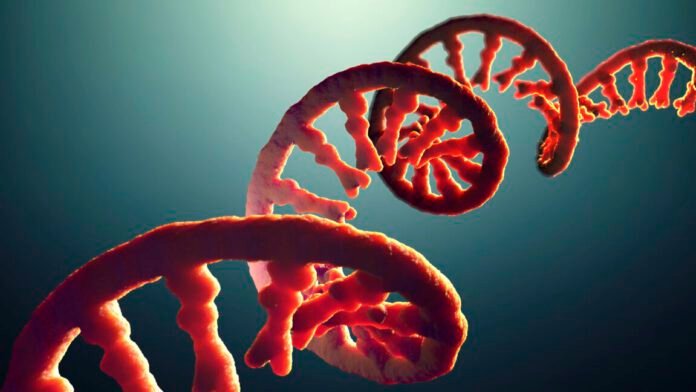
On a bright afternoon in Jiangsu, China, Xin Yin is playing personal trainer to some mice. One by one, he sets the rodents on a miniature treadmill that starts slow and gradually speeds up. These littermates are born athletes, able to run farther with less lactic acid buildup than average laboratory mice.

The secret to their speediness isn’t carried in their genes—the animals come from the same genetic stock as a group of control mice. And they haven’t received any special training. Instead, their fitness seems to stem from their father’s exercise habits before they were even conceived. It’s a finding suggesting that running might benefit not just the exerciser, but also his unborn children.

“I was very surprised when I first saw the data,” says Yin, a biochemist at Nanjing University.

Yin’s team analyzed the molecules inside the exercising rodents’ sperm and found tiny bits of RNA—dubbed microRNAs—that were present in higher amounts than in the sperm of their idle littermates. When the scientists injected those molecules into unrelated embryos, they got animals just as fit as those that were born to exercising fathers.

That 2025 study adds to mounting evidence that sperm are more than wriggling vessels carrying DNA to an egg. Over the past two decades, studies in mice have detected microRNAs and other types of RNA fragments that surge and wane inside sperm cells in response to not just exercise or sloth but also fatty or sugary diets, daily stress, childhood trauma, heavy drinking and exposure to pesticides and other hazards. In step with these changes, researchers have documented developmental and metabolic changes and differing rates of depression in the males’ offspring.

And while it’s difficult to study the effect in people, researchers also have documented fluctuations in RNA fragments in the sperm of men who do or don’t exercise, smoke or eat excess sugar, as well as men with obesity or traumatic childhoods. Studies also report that children of parents who are overweight or who dealt with mental health stress are more likely to have those conditions, too.

Until recently, however, most evidence linking small sperm RNAs to environmental challenges and subsequent effects in offspring has been correlational. Attempts to pin down causality—by injecting RNAs directly into embryos—have often used far higher RNA concentrations than typically found in sperm. In fact, there was no proof that the RNA fragments even make it inside the egg.

But though puzzles remain, recent studies show that not only are paternal RNA fragments transferred to a fertilized egg, but also that they are capable of inducing changes in the offspring at the doses found in sperm.

Epigenetic effects

Researchers first noticed the intergenerational effects of paternal lifestyle back in the 1960s, but it was decades before they started experimental investigations using animal models. Today, those studying the phenomenon are sure the effects exist but aren’t certain how they are transmitted. The end result, they believe, is adjustments to the activity of genes—a phenomenon known as epigenetics.

Such adjustments occur during normal development as tissues and organs adopt their different identities, which require certain genes to be active or to be turned off. Epigenetic changes also occur throughout our lives, due to factors including exposures to certain chemicals, and activities such as smoking—and, maybe, exercise, stress, fatty diets, and more. Such changes can occur in myriad body cells, including those that give rise to sperm.

As evidence mounted that sperm somehow transmit environmental information to a male’s children, researchers started probing the epigenetic mechanisms that might be responsible. Several possibilities exist: methyl groups that turn down gene activity when they accumulate on genes, and acetyl groups that attach to the protein spools called histones, around which the DNA wraps. These tend to ramp up activity of nearby genes.

But methyl groups aren’t easily passed to the next generation: Fertilized eggs erase most of these marks from both sets of chromosomes before the embryo starts to divide. And mature sperm replaces most histones with its own proteins, limiting transmission of information this way.

Today, the idea that small RNAs carry environmental signals has the most direct evidence behind it. Although small RNAs are short-lived, they aren’t actively removed like other epigenetic marks. Somehow, the tiny bits of nucleic acid fluctuate in response to the environment, then find their way into sperm cells.

At first, researchers hypothesized that sperm manufacture these microscopic molecules in the testes, where stem cells morph into fledgling spermatozoa that are not yet fertile or able to swim. The problem, though, is that as they develop, sperm whittle down their insides to little more than the nucleus containing the male chromosomes and the mitochondria, cellular powerhouses that fuel the sperm’s odyssey to the egg.

New clues emerged in 2016, when Colin Conine and Upasna Sharma, postdocs in the lab of epigeneticist Oliver Rando at the University of Massachusetts’ Chan Medical School, and colleagues, cataloged the molecular makeup of sperm from male mice exposed to low protein diets. Sperm extracted from the testes and the epididymis—a convoluted tube that carries the sperm out of the testes—contain different RNA payloads. And small bubbles found in the walls of the epididymis—called epididymosomes—were found to carry a cargo of RNA fragments matching those found in mature sperm.

The team later confirmed their hunch: Sperm take up small RNAs from epididymosomes during their cruise through the winding tube, stockpiling environmental information.

Other groups later reported that movement through the epididymis was associated with a reconfiguration of small RNAs in the sperm of rodents exposed to environmental challenges. One group found that chemically activating an animal’s stress response just two weeks before conception—when sperm have already embarked on their epididymal journey—still produces metabolic changes in the offspring.

The epididymis connection has grown stronger with time. One 2020 study bred anxious mice by injecting sperm with epididymosomes from stressed rodents. Another 2020 study reproduced traits seen in pups reared from binge-drinking males by injecting epididymosomes from the alcohol-loving mice into sperm from teetotal animals. And in a study published earlier this year, Conine’s team found that epididymosomes also deliver some of the father’s messenger RNA—the molecule that cells use to build proteins—to sperm cells.

Doubts about RNA origins

But despite two decades of research, there are snags scientists can’t explain. Those unanswered questions are a major issue, says Kevin Mitchell, a geneticist and neuroscientist at Trinity College Dublin. “I’m really skeptical,” he says.

For one thing, there’s been little direct evidence that sperm pass this RNA to the egg, since it’s often difficult—sometimes impossible—to tell which parent an RNA fragment came from. This has been “one of the biggest doubts in the scientific community over epigenetic inheritance,” says Raffaele Teperino, a molecular epigeneticist and physiologist at Helmholtz Munich in Germany.

An important result came in 2024, when Teperino’s lab sourced two mouse strains with enough variation in their mitochondrial DNA that the team could identify which parent certain RNA fragments originated from. Using this tool, the team discovered RNA scraps in early embryos that must have come from the father. Still, Teperino says, a single study won’t sway skeptics.

And showing that male RNA gets into egg cells is only part of the problem. A sperm cell is thousands-fold smaller in volume than an ovum, making its supply of small RNAs a drop in the egg-cell ocean. How can it make any difference? “The dilution question is the most serious critique of paternal effects,” says Rando, who coauthored an article on the status of paternal epigenetic research in the 2025 Annual Review of Biochemistry.

But in a 2026 study still undergoing peer review, Conine, a developmental biologist now at the University of Pennsylvania, and colleagues injected early embryos with a microRNA known to be elevated in the sperm of mice that consumed more alcohol than others. Those mice sire pups with craniofacial abnormalities associated with paternally derived fetal alcohol syndrome — a phenomenon that has also been documented in people.

When the scientists injected young embryos with 200 molecules of the microRNA—an amount typically found in sperm cells—pups developed signs of the syndrome. Conine and colleagues found that the small RNA binds to a group of inhibitory enzymes called Argonaute proteins, which suppresses select genes in the embryo and prompts a cascade of changes in gene activity that adjust the course of development. And when the researchers injected more of the microRNA, there were more developmental changes.

Scientists still don’t know what prompts certain small RNAs to accumulate in response to male experiences, or how those molecules yield specific effects in the offspring. One theory suggests that paternal effects may be more general than is currently acknowledged, since most studies tend to focus on a few characteristics. Such widespread changes could be mediated by alterations to the placenta, Rando says. Similarities between mice that experienced poor nutrition in the womb, and those born to fathers with adverse lifestyles, suggests that sperm RNAs may modify placental function, with future consequences on behavior and metabolism, including anxiety, weight changes, and altered sugar control.

Whatever the mechanism, there’s enough evidence to rebalance parental responsibility, Teperino says. “Now it’s almost all on women,” he says. “When a couple is planning a family, the doctor gives the woman a list of rules to follow. This is not valid anymore—we need to at least give recommendations to both.”
France moves aircraft carrier to Red Sea with eye on Hormuz mission

0
france-moves-aircraft-carrier-to-red-sea-with-eye-on-hormuz-mission
France moves aircraft carrier to Red Sea with eye on Hormuz mission


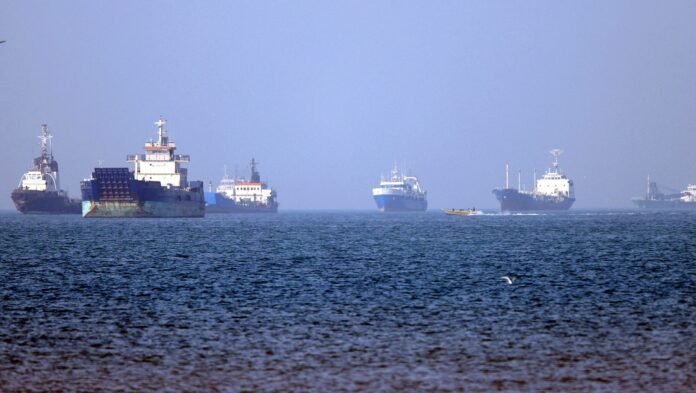
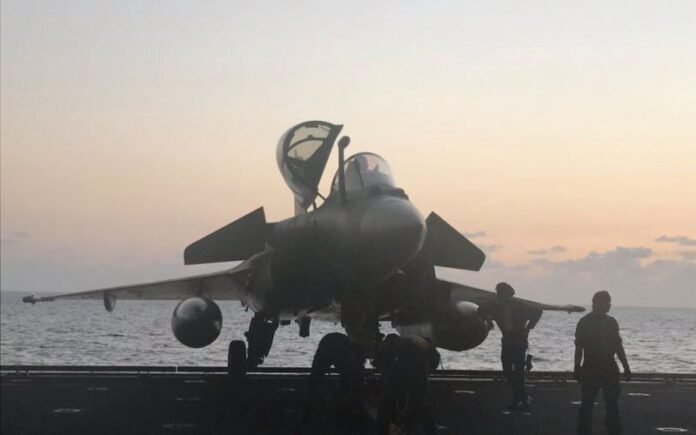
France deployed its carrier strike ​group to the Red Sea as part of planning for a potential mission to secure the Strait of Hormuz, urging Washington ‌and Tehran to consider the proposal given the global economic impact of their competing blockades.

Fresh exchanges of fire on Monday underscored the stakes as the U.S. and Iran struggle for control of the narrow waterway, a vital artery for global energy and trade, shaking a fragile four-week-old truce and reinforcing rival maritime blockades.

“The reason why ​we must make a renewed effort today is simply that the blockade of Hormuz continues, the damage to the world’s economy ​is therefore becoming more and more pronounced, and the risk of a prolongation of hostilities is too serious for ⁠us to accept it,” a French presidency official told reporters in a briefing after the army announced the strike group’s deployment.

FRANCO-BRITISH PROPOSAL ​IN PLANNING

France and Britain have been working on a proposal for several weeks that aims to lay the groundwork for safe transit through the ​Strait once the situation stabilises or the conflict is resolved. It would need coordination with Iran and a dozen countries have indicated a willingness to take part in the mission following several preparatory meetings.

The French army said in a statement that the Charles de Gaulle aircraft carrier group, which is accompanied by an Italian ​and Dutch warship, was en route to the southern Red Sea.

The deployment aims to assess the regional operational environment, expand crisis‑management options to ​strengthen security, enable the integration of partner countries’ assets within a defensive framework consistent with international law, and help reassure maritime trade stakeholders, the military said.

“What we ‌are proposing ⁠is that Iran gains passage for its ships through the Strait and in return commits to negotiating with the Americans on issues of nuclear materials, missiles, and the region, and we propose that the Americans, for their part, lift their blockade of the Strait of Hormuz and, in return, obtain Iran’s commitment to negotiations,” the French presidency official said.

“Under these conditions we could deploy the multinational force to secure the convoys crossing the ​Strait of Hormuz and this obviously ​requires that the Iranians not fire ⁠on the ships.”

HORMUZ IS IRANIAN LEVERAGE

It was not clear why Iran would consider such a proposal given its control over the Strait has been a key element of leverage in its discussions with Washington ​to end the war.

“We collectively want to send the signal that not only are we ready to ​secure the Strait of ⁠Hormuz, but that we are also capable of doing so,” the French official said.

“The question now will be to obtain Iranian consent, American consent.”

European states have been largely onlookers in the conflict between the U.S., Israel and Iran, but with shipping lanes in the Middle East impacted and the price ⁠of oil ​fluctuating around $100 a barrel, European powers are grappling with the issue of how to ​defend their interests.

Their refusal to support U.S. President Donald Trump’s blockade has drawn sharp criticism from Trump against countries he accused of failing to align with U.S.-led efforts and ​the move to send assets to the region may be a way to assuage those concerns.

Protesters rally in Stockholm against Israeli attacks on Gaza and Lebanon

0
protesters-rally-in-stockholm-against-israeli-attacks-on-gaza-and-lebanon
Protesters rally in Stockholm against Israeli attacks on Gaza and Lebanon

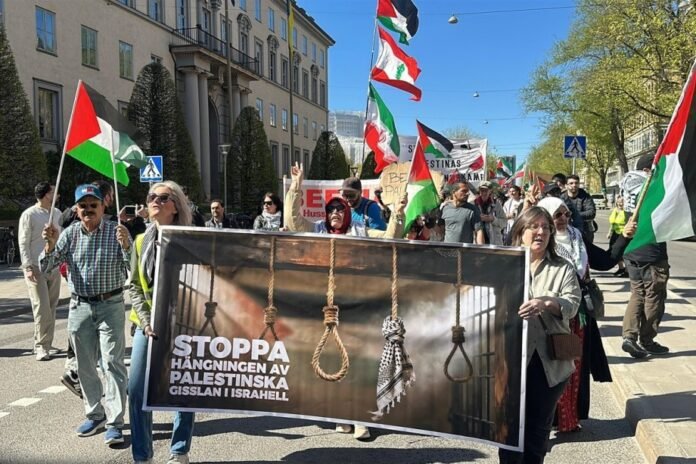
Demonstrators gathered at Observatorielunden Park in Stockholm, Sweden, on Saturday, to protest ongoing Israeli attacks on the Gaza Strip and Lebanon, Anadolu Agency reports.

Organized by multiple civil society organizations, the protest featured Palestinian, Lebanese and Iranian flags, along with banners reading “Stop killing civilians,” “End the food blockade on Gaza,” and “Stop attacks on Lebanon and Iran.”

Protesters also condemned what they described as Greece’s passive stance regarding Israel’s intervention against the Global Sumud Flotilla.

Swedish activist Dror Feiler criticized Israeli policies in Gaza and Lebanon, accusing the international community of remaining silent over the humanitarian situation.

READ: Israel to release 2 activists of Gaza aid flotilla, says rights group

Feiler also criticized Israeli and US strikes on Iran as violations of international law and called on the Swedish government to halt arms sales to Israel.

Despite a ceasefire announced on April 17 and extended until May 17, the Israeli army continues daily strikes in Lebanon.

Since March 2, Israeli attacks on Lebanon have killed at least 2,759 people, wounded 8,512 and displaced more than 1.6 million, about one-fifth of the population, according to the latest official figures.

Israel occupies areas in southern Lebanon, including some it has held for decades and others since the 2023-2024 war, and has advanced about 10 kilometers (6.2 miles) inside the southern border during the current conflict.

READ: Sweden calls for immediate ceasefire in Lebanon, urges protection of civilians

The Iran War Leaves Every Player With a Bill to Pay

0
the-iran-war-leaves-every-player-with-a-bill-to-pay
The Iran War Leaves Every Player With a Bill to Pay


Giorgia Valente’s analysis argues that the Iran war has produced no clean winners, only a more dangerous regional equation in which military power, maritime pressure, domestic politics, and great-power rivalry are now tangled together. The latest reports of explosions near Bandar Abbas, Qeshm Island, and other sites in Hormozgan province, along with US self-defense strikes and renewed clashes near the Strait of Hormuz, show how fragile the emerging diplomatic track remains. Washington and Tehran were still discussing a short-term memorandum mediated by Pakistan, but the proposal would leave the central disputes unresolved: Iran’s nuclear program, missile arsenal, proxy network, and growing maritime leverage.

The piece moves country by country through the wreckage. The United States showed it could hit Iranian targets, but it could not turn battlefield reach into political control. President Donald Trump faced weak approval numbers at home, while Gulf allies proved reluctant to be dragged too deeply into a conflict with Tehran. Iran, meanwhile, was damaged but not defeated. Its commanders, infrastructure, and economy suffered, yet the regime preserved key tools of coercion: missiles, internal repression, proxy links, and the ability to turn the Strait of Hormuz into a bargaining chip.

The Gulf emerges as one of the story’s central fault lines. The UAE and Saudi Arabia are moving toward different models of regional power, with Abu Dhabi leaning into ports, logistics, alternative routes, and defense technology, while Riyadh remains more cautious about becoming a platform for escalation. Qatar’s mediation role has narrowed, Pakistan has gained diplomatic weight, and Turkey is looking for openings in a more fragmented order.

China and Russia also appear in Valente’s account as pressured but opportunistic actors. China faces energy risk from disrupted Iranian and Venezuelan oil flows, yet gains by presenting itself as steadier than Washington. Russia benefits from renewed concern over energy security and a less cohesive Western front.

Israel, too, is left with a familiar problem: battlefield gains without strategic closure. Michael Milshtein argues that Israel has not achieved “total victory” and has failed to turn military success into a coherent postwar plan. For readers trying to understand why the Strait of Hormuz has become the test of whether force can produce a political settlement, Valente’s full article is worth reading.

NFL Stars Devastated After Family Tragedy

0
nfl-stars-devastated-after-family-tragedy
NFL Stars Devastated After Family Tragedy


A routine grocery store trip turned into a nightmare for the family of Atlanta Falcons brothers AJ and Avieon Terrell after their beloved aunt was tragically killed in a violent parking lot crash that witnesses say looked “like a missile” slammed through the lot.

Giselle Perry, 49, was sitting in her parked car outside a Kroger supermarket in Decatur, Georgia, on Wednesday afternoon while waiting for her mother when disaster suddenly struck.

According to local reports, a driver lost control and barreled through the parking lot around 3:20 p.m., smashing directly into Perry’s vehicle with terrifying force. Police say the impact shoved her car into a metal pole and sent debris flying across the sidewalk.

Witnesses described a horrifying scene.

“We seen and heard the car coming and two seconds later, boom,” barber Tony Lackey told local reporters. “It was horrible.”

Another witness, Doderick Moore, compared the speeding vehicle to a “missile.”

“The woman came down here like a missile,” he said. “She knocked every brick off that pole in one lick.”

Perry was killed in the crash. A nearby pedestrian also suffered serious injuries, while the driver who allegedly caused the collision was reportedly badly hurt as well.

The driver’s daughter later claimed her mother had blacked out behind the wheel moments after leaving home.

“My mom blacked out while she was driving and she didn’t even know what was happening,” she said.

The heartbreaking loss sent shockwaves through the Atlanta Falcons organization and the Terrell family.

AJ Terrell, the Falcons star cornerback who joined the team in 2020, shared a touching black-and-white tribute photo with his aunt on Instagram, writing: “I can still hear you.”

His younger brother Avieon Terrell, who was recently drafted by Atlanta in the second round of the NFL Draft, also mourned the woman he called one of his biggest supporters.

The 21-year-old shared emotional footage from his high school football days that showed Perry wildly cheering for him from the sidelines after a touchdown.

Just weeks ago, the brothers celebrated an emotional reunion after Avieon joined AJ on the Falcons roster following the draft. Now, the family is mourning an unimaginable tragedy.

Perry’s husband, Laddyan, revealed the couple was preparing to celebrate their fourth wedding anniversary next month.

“She was everything to me,” he said through tears.

“She was loving, caring, she would do everything for me.”

He added that simply seeing her belongings around their home now causes him to “break down.”

Friends and loved ones have since flooded social media with tributes remembering Perry as the heart of the family and one of the loudest supporters at her nephews’ football games.

Authorities are continuing to investigate the deadly crash.

Record number of candidates fuels fears of political fragmentation in Cyprus

0
record-number-of-candidates-fuels-fears-of-political-fragmentation-in-cyprus
Record number of candidates fuels fears of political fragmentation in Cyprus


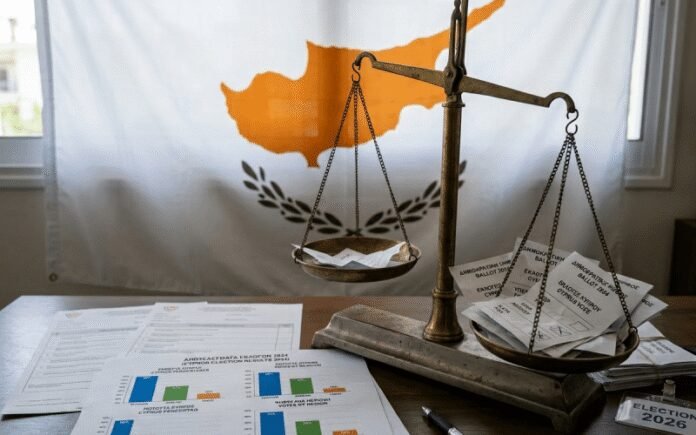
A record number of candidates submitted bids for Cyprus’s May 24 parliamentary election this week in a ​race which could shape one of the most fragmented ‌legislatures in the island’s history and weaken the influence of three parties supporting incumbent president Nikos Christodoulides.

Some 753 people representing more than 15 ​parties or themselves put their names forward for ​56 seats in the House of Representatives. Cyprus has ⁠a presidential system of government, with the vote outcome likely ​to be a sign of trends for the presidency in ​2028. The previous parliament had seven political parties represented.

Polls show three parties supporting Christodoulides – the centrist DIKO, DIPA and EDEK – losing ground, with ​the far-right ELAM party making gains. Newcomers ALMA, headed by ​former auditor-general Odysseas Michaelides, look set to win at least 8-10% of ‌the ⁠vote.

Michaelides was instrumental in revealing shortcomings in a passports-for-cash scheme which gave wealthy foreigners EU passports in return for investments. Frequently criticised by the EU, it was dismantled by authorities ​after a string ​of exposures ⁠in 2020.

Opinion polls are showing corruption high on voters’ agenda, said analyst Fiona Mullen. “I think ​this will be quite a big protest vote ​against ⁠what voters see as a system that just rewards insiders,” she told Reuters. The far right, ELAM, is set to become ⁠the ​third-largest party in parliament, mirroring trends across ​Europe.

“It’s a by-product of the financial crisis with people trying to find ​people to blame,” she said.

Source:  Reuters

Pop Tart Cookie Bars

0
pop-tart-cookie-bars
Pop Tart Cookie Bars

You are here: Home / Desserts / Pop Tart Cookie Bars

These Pop Tart Cookie Bars are a fun and irresistible twist on the classic toaster pastry! Imagine everything you love about strawberry pop tarts—sweet jam filling, soft cookie layers, and a sugary glaze—transformed into thick, chewy cookie bars. Easy to make and packed with nostalgic flavor, these bars are perfect for sharing (or keeping all to yourself 😉).


🌟 Why You’ll Love These Bars

  • Tastes like a real pop tart – but softer, richer, and homemade
  • Easy to make with simple pantry ingredients
  • Soft & chewy texture with a sweet fruity center
  • Customizable – swap the jam flavor for any occasion
  • Fun and colorful with glaze + rainbow sprinkles

🧁 Ingredients

For the Cookie Dough:

  • 1/2 cup unsalted butter (room temperature)
  • 1 cup granulated sugar
  • 2 large eggs (room temperature)
  • 1 tsp vanilla extract
  • 2 1/2 cups + 2 tbsp all-purpose flour
  • 1/2 tsp salt
  • 1/2 tsp baking soda
  • 2/3 cup strawberry preserves

For the Glaze:

  • 1 cup powdered sugar
  • 1 1/2–2 tbsp milk
  • 1/2 tsp vanilla extract
  • Rainbow sprinkles

👩‍🍳 Instructions

1. Prep the Pan

Line an 8×8-inch square baking pan with parchment paper and preheat oven to 375°F (190°C).


2. Make the Dough

Cream butter and sugar until light and fluffy. Add eggs and vanilla, mixing until smooth.

Stir in flour, salt, and baking soda until a soft dough forms. Chill for 20 minutes.


3. Create the Layers

Press half of the dough into the pan. Remove and freeze briefly.

Press remaining dough evenly into the pan. Spread strawberry preserves on top.

Place the chilled dough layer over the jam and press gently to seal.


4. Bake

Bake for 25–28 minutes until golden brown. Let cool completely.


5. Glaze & Decorate

Flip the bars so the bottom becomes the top.

Whisk glaze ingredients until smooth, spread over bars, and add sprinkles.

Let set for 1–2 hours before slicing into bars.


💡 Baking Tips

  • Use a metal square pan for best texture
  • Chill dough to make layering easier
  • Let glaze fully set before cutting
  • Use clean hands when pressing dough

🔄 Variations

  • Swap strawberry for blueberry, raspberry, or grape jam
  • Add flavored sprinkles for themed occasions
  • Try almond extract for a flavor twist

📦 Storage

  • Store at room temperature for up to 4–5 days
  • Freeze for up to 3 months

✨ These Pop Tart Cookie Bars are soft, sweet, and full of nostalgic flavor—perfect for parties, bake sales, or whenever you want a fun homemade treat!

Hezbollah Drones Wound 3 Israeli Soldiers as IDF Strikes Scores of Targets in Lebanon

0
hezbollah-drones-wound-3-israeli-soldiers-as-idf-strikes-scores-of-targets-in-lebanon
Hezbollah Drones Wound 3 Israeli Soldiers as IDF Strikes Scores of Targets in Lebanon


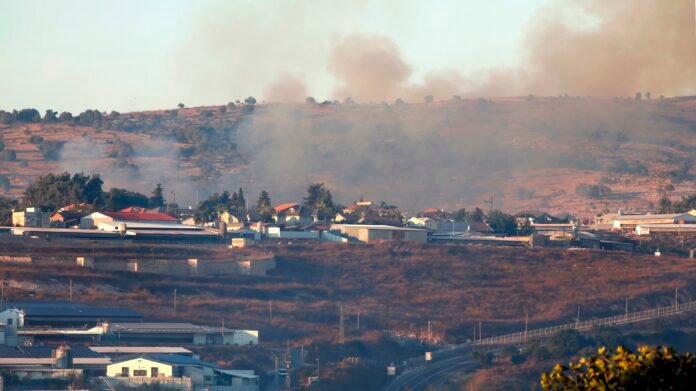
A reserve Israel Defense Forces (IDF) soldier was seriously wounded, and an officer and another reserve soldier were moderately injured Saturday after explosive drones detonated in the Shlomi area near the Lebanese border, as Hezbollah continued launching drones toward Israeli forces and the Israeli military carried out strikes across Lebanon.

Wounded soldiers were evacuated to a hospital for treatment and that their families had been notified, the military reported.

Several aerial launches directed at soldiers in southern Lebanon were intercepted, with no casualties reported.

Lebanese media reported that 12 people were killed on Saturday in southern Lebanon during Israeli airstrikes. Earlier Saturday, the Israeli military instructed residents in several villages in southern Lebanon to evacuate.

“In light of the Hezbollah terror organization’s violations of the ceasefire agreement, the IDF is forced to act against it with force and does not intend to harm you,” army spokesman Col. Avichay Adraee said in a warning to residents.

Over the past 24 hours, the military said it has struck more than 85 Hezbollah infrastructure targets in multiple areas of Lebanon.The targets included weapons depots, launchers, and Hezbollah buildings.

The military also said it struck an underground weapons manufacturing facility in the Bekaa Valley and targeted militants in southern Lebanon.

Separately, the IDF reported it attacked warehouses containing combat equipment and a Hezbollah drone launch site in southern Lebanon that had been used to launch drones toward Israeli troops. The military added that it also struck two launchers that were loaded and prepared for firing.

Drone infiltration alerts were activated in the Western Galilee on Saturday before the Home Front Command announced the incident had ended and residents could leave protected spaces.

The Air Force also intercepted several suspected aerial targets launched from Lebanon toward Israeli territory, according to the military. In Metula, an explosive drone launched by Hezbollah was detected near the border. The IDF said there were no casualties or damage and that security forces were examining the site.

One Palestinian killed, several injured in Israeli strike in northern Gaza despite ceasefire

0
one-palestinian-killed,-several-injured-in-israeli-strike-in-northern-gaza-despite-ceasefire
One Palestinian killed, several injured in Israeli strike in northern Gaza despite ceasefire

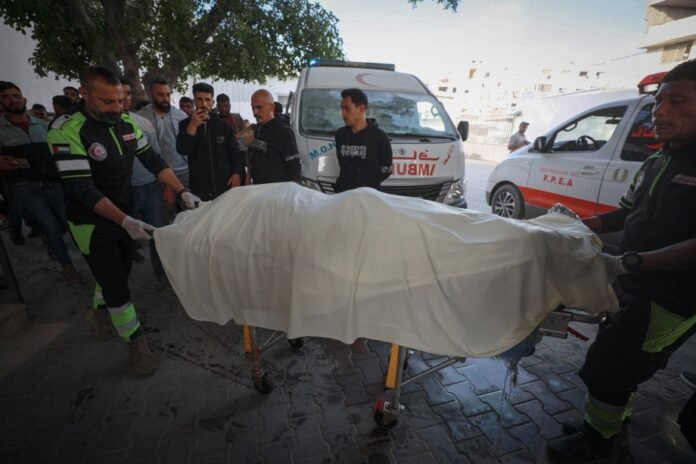
One Palestinian man was killed and several other Palestinians injured on Saturday in an Israeli drone strike targeting a motorcycle west of the Jabalia refugee camp in northern Gaza, part of Israel’s continued violations of a ceasefire agreement in force since last October.

A medical source told Anadolu that Eyad al-Motawwaq was killed in the strike, while several others were wounded, without specifying their number.

Witnesses told Anadolu that an Israeli drone targeted the motorcycle in an area west of the camp that lies outside the zones of Israeli military deployment under the ceasefire agreement.

READ: Protesters rally in Stockholm against Israeli attacks on Gaza and Lebanon

In a separate incident, witnesses said Israeli artillery intermittently shelled eastern areas of the eastern Gaza City neighborhood of Al-Tuffah, with no casualties immediately reported.

According to Gaza’s Health Ministry, around 850 Palestinians have been killed and 2,433 others injured by Israeli fire and bombardment since the ceasefire took effect, amid repeated violations by the Israeli army.

The agreement was reached after two years of a genocidal Israeli war starting in October 2023, which later continued in various forms and left more than 72,000 people dead, over 172,000 injured, and caused widespread destruction to 90% of Gaza’s civilian infrastructure.

READ: Britain quietly approves $11.85m arms licence to Israel despite Gaza ban

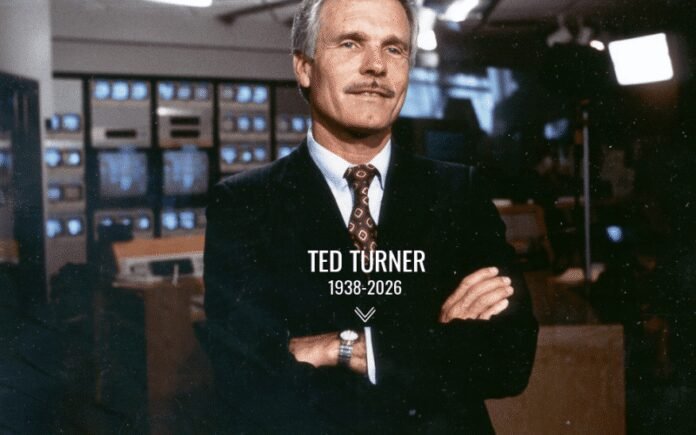
Ted Turner: The Visionary Who Rewired the Media World

0
ted-turner:-the-visionary-who-rewired-the-media-world
Ted Turner: The Visionary Who Rewired the Media World


Media mogul Ted Turner, who pioneered the modern 24-hour news culture when he launched the CNN channel, has died at the age of 87.

Ted Turner did not simply build a media empire — he reshaped the way the world receives information. Few figures in modern broadcasting have left a legacy as deep or as disruptive. Turner saw possibilities long before others did, and he pursued them with a mix of audacity, instinct and relentless drive.

His first breakthrough was the “super‑station”, a radical idea that cable television could become a national force independent of the traditional networks.

By turning a struggling Atlanta UHF station into WTBS and distributing it via satellite, Turner proved that cable could be more than a local curiosity. He created a new model for broadcasting — one that others would soon race to copy.

But his most transformative achievement came in 1980 with the launch of CNN, the world’s first 24‑hour news channel. At a time when network news was confined to fixed evening slots, Turner insisted that news should be constant, global and immediate.

CNN became the template for modern rolling news, influencing every major broadcaster that followed. Its coverage of international crises, conflicts and political upheavals changed public expectations of what news could be. Some commentators even credited CNN’s global reach with helping accelerate the collapse of the Iron Curtain.

Turner’s innovations extended far beyond news. He built TNT, Turner Classic Movies, and the Cartoon Network, each expanding the boundaries of what cable television could offer.

His purchase of the MGM film library — mocked at the time — became a masterstroke, fuelling multiple networks and enabling the restoration of classic cinema. He understood content value long before “content is king” became a media cliché.

Even his missteps were bold. His experiments with colourising black‑and‑white films sparked controversy, yet his commitment to film preservation through TCM earned him lasting respect.

His ventures into sports ownership and the creation of the Goodwill Games reflected the same restless ambition: Turner believed media could connect people, entertain them, and push cultural boundaries all at once.

Beyond business, Turner became one of America’s most significant philanthropists. His $1 billion donation to the United Nations and his environmental work through the Turner Foundation showed a global conscience as expansive as his media vision.

Ted Turner was a contradiction — part southern gentleman, part rebel, part showman — but above all, he was a pioneer. He changed how news is delivered, how television is structured, and how audiences around the world understand events as they unfold. His influence is woven into every 24‑hour news cycle, every global broadcast, every moment when information travels instantly across continents.

Turner didn’t just make an impact on the media world.
He reinvented it.

0FansLike
0FollowersFollow
0FollowersFollow
0SubscribersSubscribe
- Advertisement -
Google search engine

Recent Posts