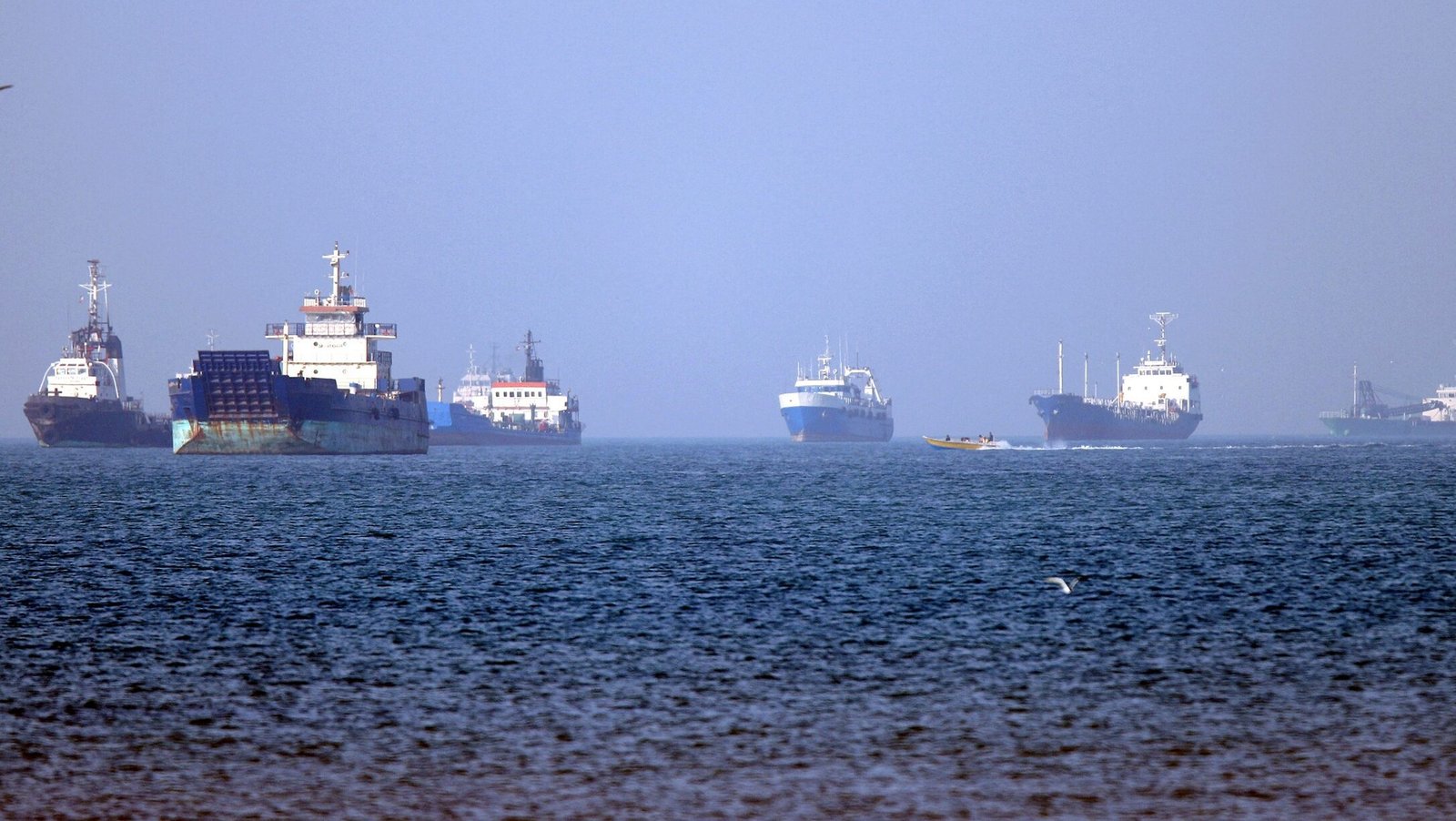
Giorgia Valente’s analysis argues that the Iran war has produced no clean winners, only a more dangerous regional equation in which military power, maritime pressure, domestic politics, and great-power rivalry are now tangled together. The latest reports of explosions near Bandar Abbas, Qeshm Island, and other sites in Hormozgan province, along with US self-defense strikes and renewed clashes near the Strait of Hormuz, show how fragile the emerging diplomatic track remains. Washington and Tehran were still discussing a short-term memorandum mediated by Pakistan, but the proposal would leave the central disputes unresolved: Iran’s nuclear program, missile arsenal, proxy network, and growing maritime leverage.
The piece moves country by country through the wreckage. The United States showed it could hit Iranian targets, but it could not turn battlefield reach into political control. President Donald Trump faced weak approval numbers at home, while Gulf allies proved reluctant to be dragged too deeply into a conflict with Tehran. Iran, meanwhile, was damaged but not defeated. Its commanders, infrastructure, and economy suffered, yet the regime preserved key tools of coercion: missiles, internal repression, proxy links, and the ability to turn the Strait of Hormuz into a bargaining chip.
The Gulf emerges as one of the story’s central fault lines. The UAE and Saudi Arabia are moving toward different models of regional power, with Abu Dhabi leaning into ports, logistics, alternative routes, and defense technology, while Riyadh remains more cautious about becoming a platform for escalation. Qatar’s mediation role has narrowed, Pakistan has gained diplomatic weight, and Turkey is looking for openings in a more fragmented order.
China and Russia also appear in Valente’s account as pressured but opportunistic actors. China faces energy risk from disrupted Iranian and Venezuelan oil flows, yet gains by presenting itself as steadier than Washington. Russia benefits from renewed concern over energy security and a less cohesive Western front.
Israel, too, is left with a familiar problem: battlefield gains without strategic closure. Michael Milshtein argues that Israel has not achieved “total victory” and has failed to turn military success into a coherent postwar plan. For readers trying to understand why the Strait of Hormuz has become the test of whether force can produce a political settlement, Valente’s full article is worth reading.