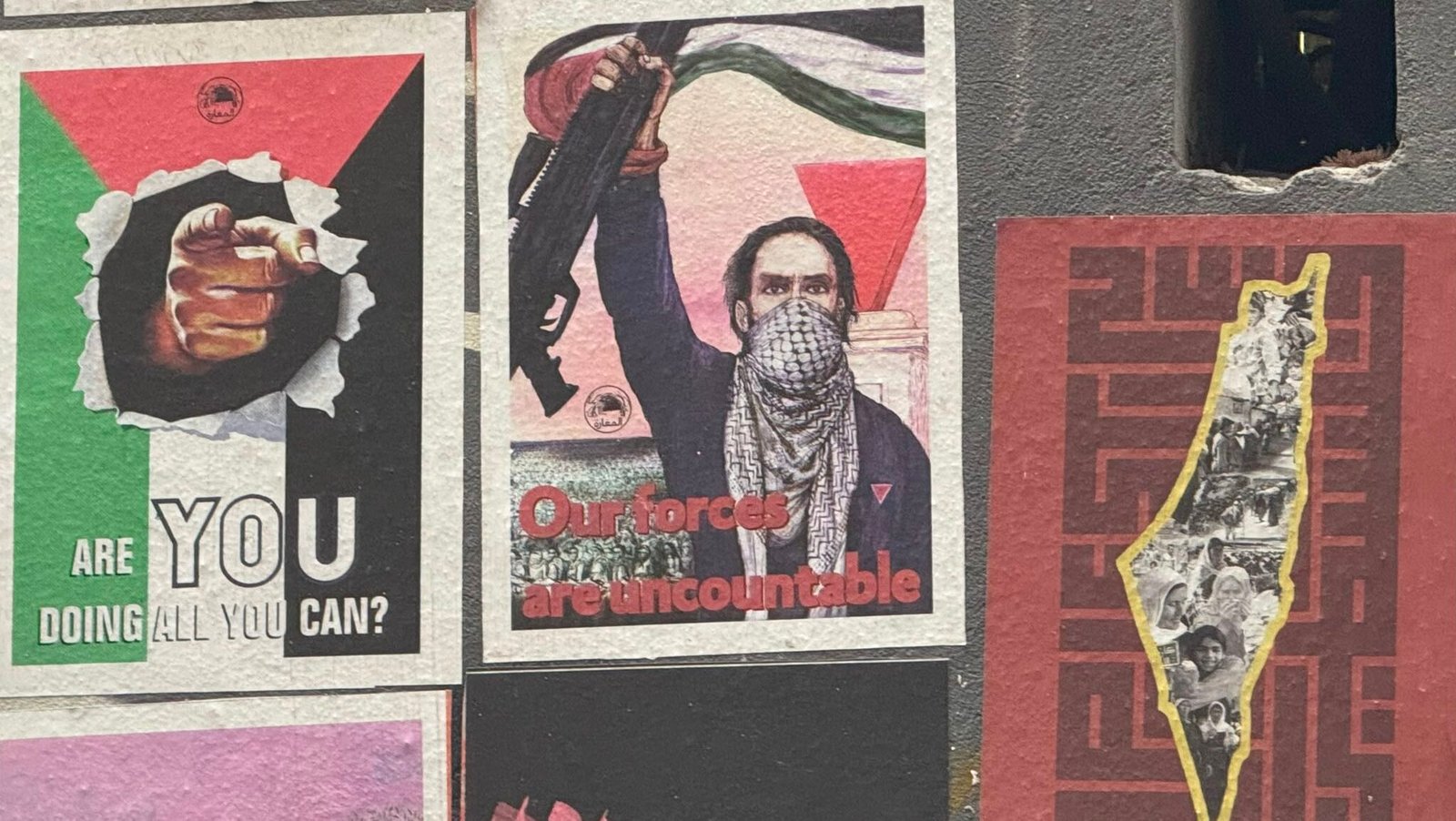
An anonymous online campaign urging Italians to identify Israeli tourists, Jewish-linked businesses and locations associated with so-called “Zionist tourism” has heightened alarm among Italy’s Jewish community, which says the effort is the latest manifestation of a years-long campaign to single out Jews and Israelis for public scrutiny and threaten their security.
In his feature, ‘Zionist’ Lists and Tourist Maps: Italy’s Jews Warn of a Widening Threat, The Media Line’s Gabriel Colodro traces how what began as an online form quickly evolved into a broader examination of antisemitism in Italy, where Jewish leaders, students and researchers describe an atmosphere in which support for Israel—or simply being identified as Israeli or Jewish—can bring harassment, intimidation and public targeting.
The questionnaire, circulated through social media and messaging groups, asked users to report Israeli visitors, hotels, businesses, property purchases and organizations allegedly connected to “Zionist neo-colonization.” Although the form was removed after intervention by Italy’s national coordinator for the fight against antisemitism, Jewish leaders viewed it as more than an isolated incident. Similar efforts to compile lists of alleged Zionists had already surfaced, including a 2024 publication naming Jewish community figures, journalists, politicians and businesses.
Colodro follows that thread through universities, public demonstrations and local political disputes. Dalia Gubbay, vice president of the Jewish Community of Milan, recalls Jewish participants being driven from this year’s Liberation Day march by hostile demonstrators, while researcher Benjamin Birely describes being publicly branded a “soldier without a uniform” after classmates learned he was Israeli. Both argue that “Zionist” has increasingly become a stand-in for “Jew,” blurring the line between political criticism and discrimination.
The article also documents opposition to Israeli-backed development projects, security concerns affecting Jewish families, and accounts of Jewish children and visitors being singled out because of their identity. For Italy’s Jewish community, Colodro writes, the central question is no longer whether one online list can be removed, but whether Jews can continue living openly in a country many have called home for generations.