The United Arab Emirates is racing to finish a new crude oil pipeline that would let more of its exports bypass the Strait of Hormuz, with Abu Dhabi National Oil Company Chief Executive Officer Sultan Ahmed Al Jaber saying Wednesday that the project is nearly halfway complete and on track for 2027. The push comes as regional conflict has turned one of the world’s most important energy waterways into a strategic pressure point.
“Today, it’s already almost 50 percent complete, and we are accelerating its delivery toward 2027,” Al Jaber said during a livestreamed Atlantic Council event.
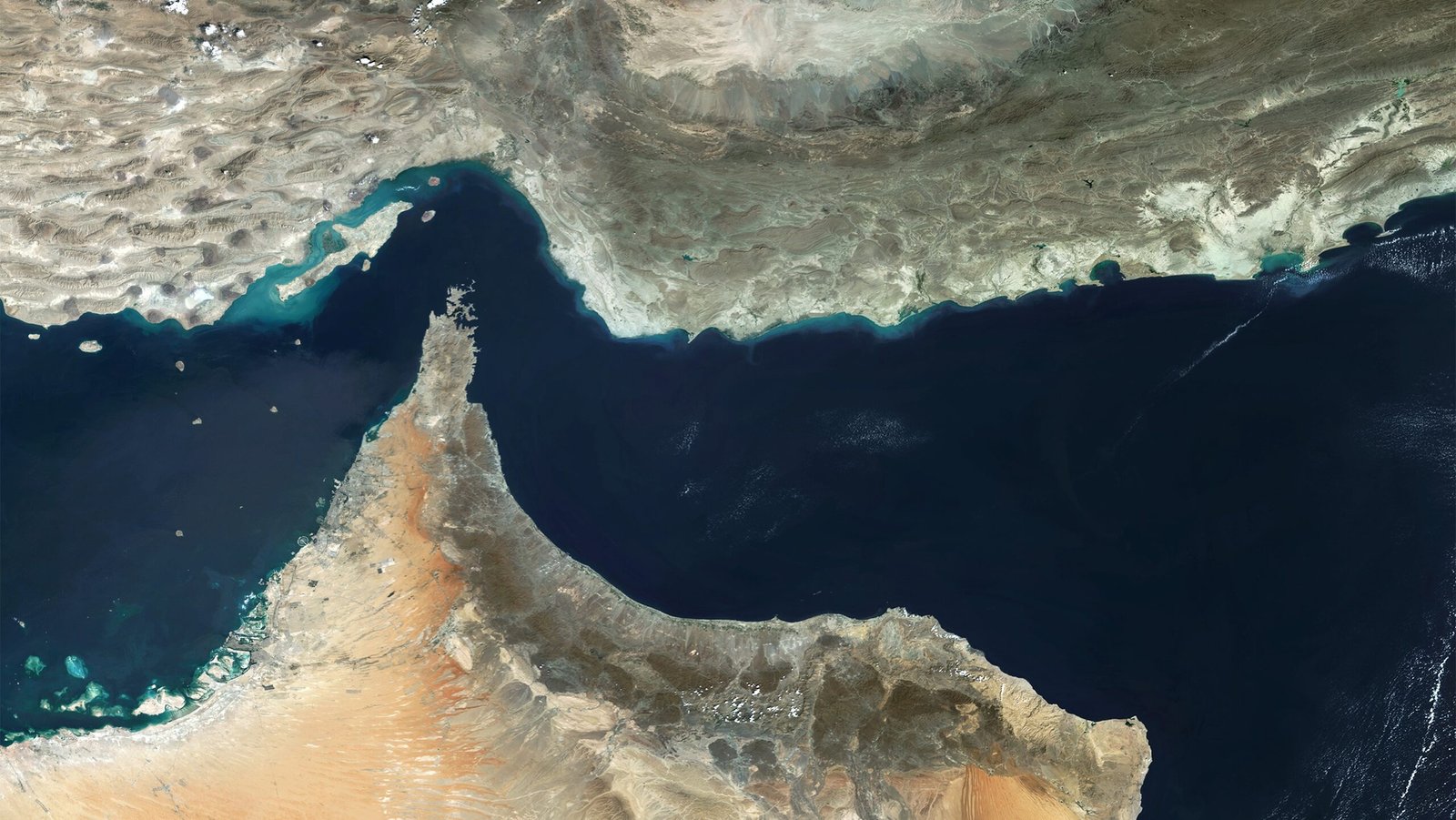
The new west-east pipeline is intended to expand the UAE’s ability to ship crude through Fujairah, on the Gulf of Oman, without sending tankers through the narrow Strait of Hormuz. The existing Habshan-Fujairah pipeline can carry up to 1.8 million barrels per day, and the new project is expected to double ADNOC’s export capacity through Fujairah once it begins operating.
The Strait of Hormuz, between Iran and Oman, is one of the world’s most sensitive maritime choke points. Oil and liquefied natural gas from Gulf producers routinely pass through it toward Asia, Europe, and other markets. Any disruption there can quickly ripple through energy prices, shipping costs, and inflation.
“Too much of the world’s energy still moves through too few choke points,” Al Jaber said, adding that the UAE has spent more than a decade building infrastructure to reduce that vulnerability.
The project has gained urgency since joint US-Israeli strikes on Iran in February triggered Iranian restrictions on traffic through the Strait of Hormuz. Energy flows have been disrupted, and Gulf states have faced renewed pressure to protect export routes that sit within range of Iranian missiles, drones, and naval forces.
For the UAE, Fujairah is the escape hatch. It gives Abu Dhabi direct access to the Indian Ocean side of the Arabian Peninsula, outside the strait. That does not remove the country from regional danger, but it gives ADNOC more room to maneuver if Hormuz tightens again.
The pipeline is also a political message in steel: Gulf oil producers are preparing for a world in which energy security depends not only on production, but on routes that cannot be closed by a single crisis.