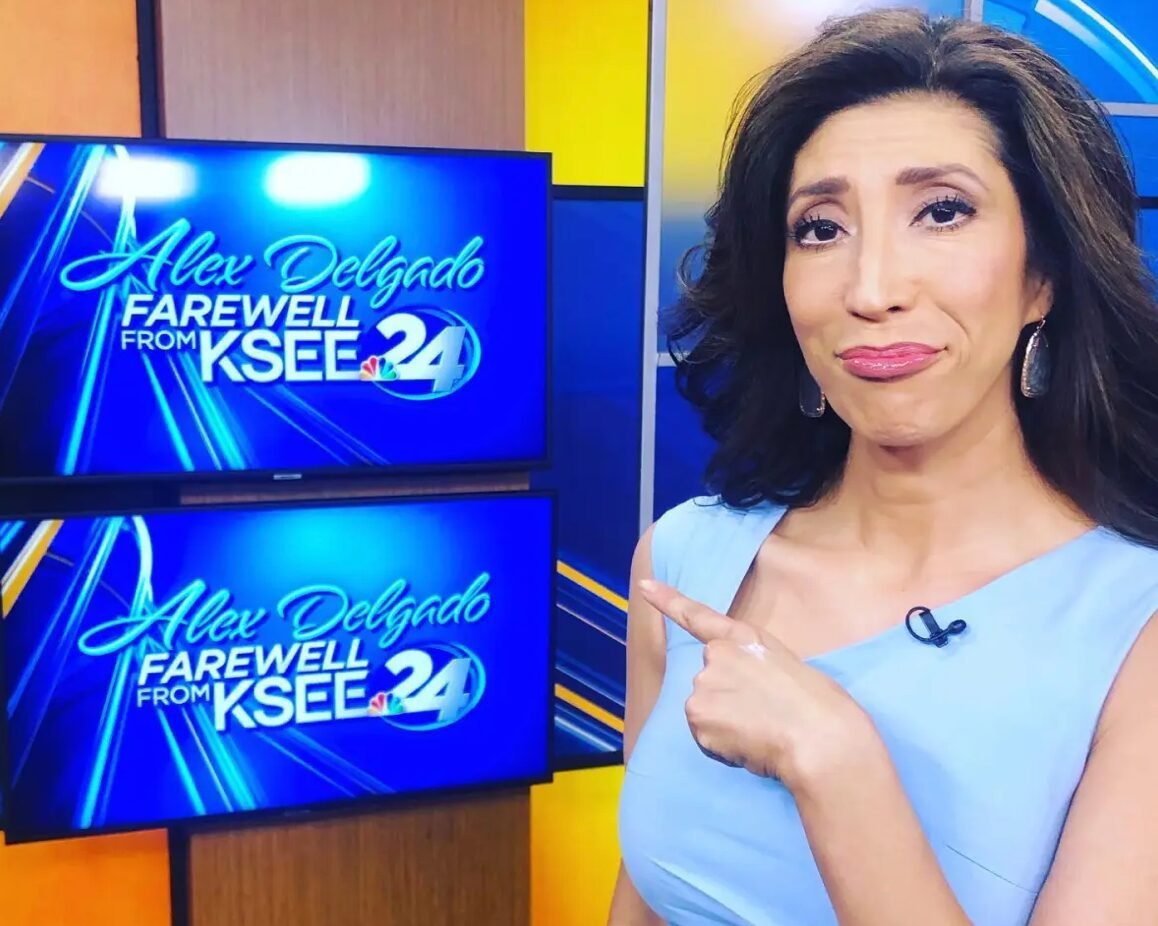
A veteran California journalist who spent more than two decades warning viewers about scams has now revealed she became a victim herself — losing a staggering $72,000 after responding to a convincing text message.
Alex Delgado, a former longtime anchor at Fresno’s KSEE 24, said she is still struggling to understand how she fell for the elaborate scheme.
“I feel dumb, that I should have been smarter about it,” Delgado told Your Central Valley. “I am in a very vulnerable place.”
The nightmare began in March when Delgado received a text message that appeared to come from the popular stock-trading app Robinhood.
The message claimed suspicious activity had been detected on her account and instructed her to call a phone number immediately.
Delgado, who was preparing to leave on a trip, said she did not give the message much thought and called the number. That decision would end up costing her tens of thousands of dollars.
“They said, ‘Not a problem, let me transfer you to the fraud department,’ so it was very legit,” Delgado recalled. “It sounded very legit.”
The person on the other end claimed someone in Asia was attempting to access her investment account using an Android phone.
The supposed fraud representative then told Delgado her money needed to be moved into another account for protection while an investigation was carried out.
“We need to move that money into a different account while we conduct our investigation,” the scammer allegedly told her.
Over the next two days, Delgado said the fraudster stayed on the phone and carefully walked her through each step of transferring the money.
At several points, she tried to end the call, but the scammer continued pressuring her and kept her engaged.
By the time Delgado realized what had happened, the $72,000 was already gone.
“It was too late,” she said.
Delgado worked as a news anchor in Fresno for 22 years before leaving the television news business in 2020. She later shared her ordeal on TikTok, calling it the “Robinhood Scam.”
The former journalist admitted the experience was especially painful because she had reported on similar fraud schemes during her career.
“If it can happen to me, and I am familiar with these, I covered it for the news, I hear about it all the time,” Delgado said. “It can happen to anyone.”
Delgado contacted the real Robinhood through the company’s official app, but she said representatives were unable to recover the funds.
She has also reported the fraud to several institutions, though there is currently no indication that her money will be returned.
Her advice to others is blunt.
“Unfortunately, don’t trust anybody,” Delgado warned. “Except your mother.”
Fresno Police Detective Timothy Johnson said people should be suspicious whenever someone creates an immediate sense of panic or refuses to let them end a phone call.
“Things are looking more and more official when it comes to email and text messages that look legitimately coming from financial institutions or private businesses,” Johnson told CBS47.
Authorities say anyone who receives a suspicious financial alert should avoid calling the number included in the message. Instead, customers should contact the company directly through its official website, app or the phone number printed on a bank card or statement.