Giorgia Valente examines Ankara’s expanding space program for The Media Line, including a planned lunar mission, domestically developed satellites, and an ambitious spaceport project in Somalia. Together, these initiatives could strengthen Turkey’s technological independence and geopolitical standing as the United States and China compete for influence beyond Earth.
Turkey’s first uncrewed lunar spacecraft, developed by the Scientific and Technological Research Council of Turkey, is expected to launch in the first half of 2027. Following a two-month journey, it will enter lunar orbit, conduct scientific observations, and eventually descend toward the surface. Manufacturing and assembly were completed in September 2026, but testing remains, and the launch date is not guaranteed.
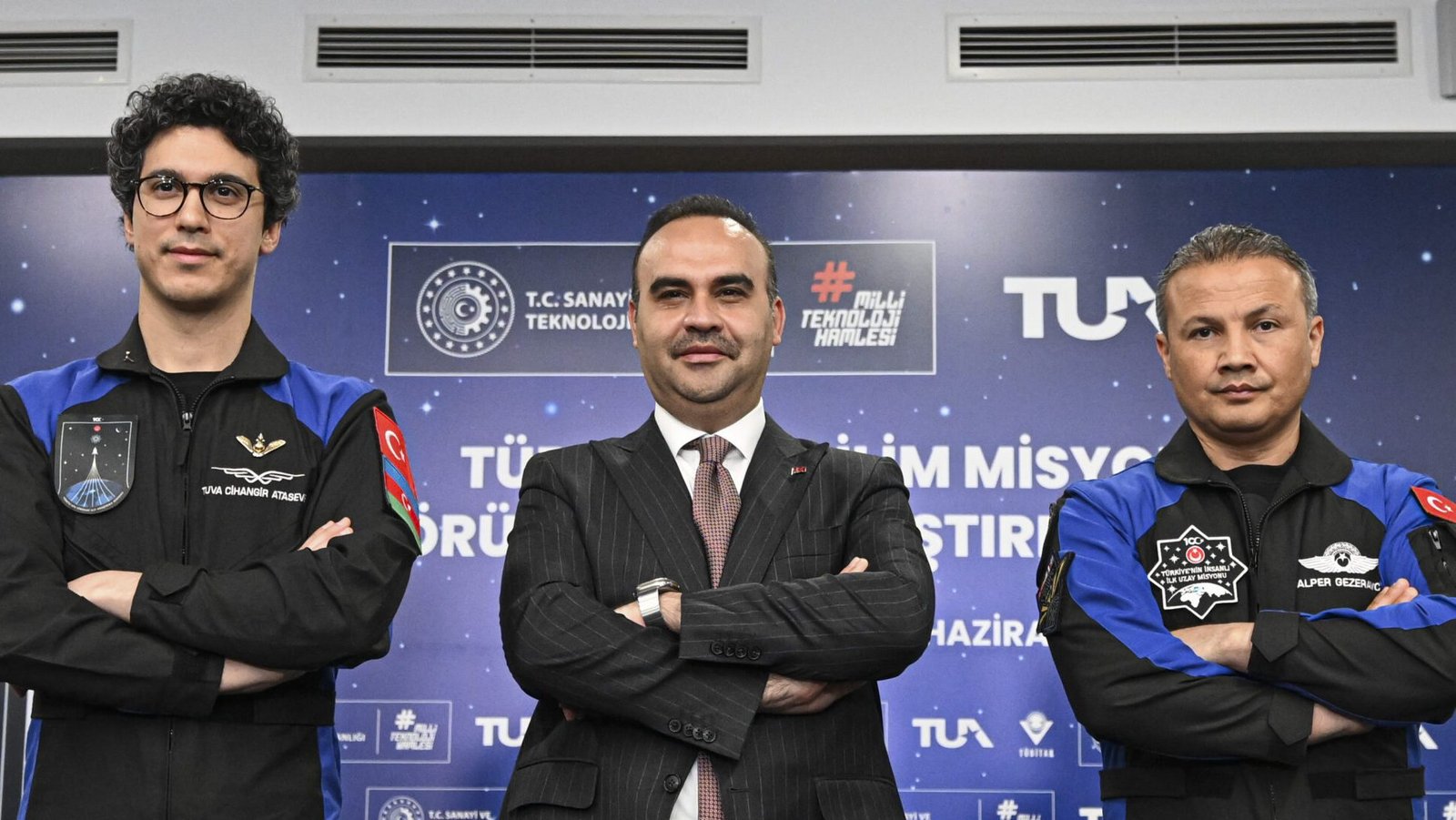
The country has already made considerable progress. Its domestically developed İMECE observation satellite launched in 2023, astronaut Alper Gezeravcı reached the International Space Station in 2024, and the TÜRKSAT 6A communications satellite followed later that year.
Yet Turkey still relies on foreign rockets, including SpaceX launch vehicles. Its planned spaceport in Somalia could eventually provide independent access to space, although developing rockets and operational infrastructure presents substantial challenges.
Dr. Hande Gül, an international relations researcher, tells The Media Line that space exploration offers opportunities for technological sovereignty, industrial development, and diplomatic influence. Mustafa Metin Kaşlılar, vice president of the Turkish Foreign Policy Research Center, sees the Somali project as central to Ankara’s ambitions.
Turkey also joined the US-led Artemis Accords in August 2026, opening potential avenues for international cooperation in lunar exploration.
Valente’s reporting explores how aerospace investment could benefit Turkish manufacturing, defense technologies, engineering, and employment, even if the lunar mission encounters delays.
For Gül, Turkey’s ultimate achievement would be measured less by reaching the lunar surface than by becoming “a technologically capable, diplomatically relevant, and institutionally credible actor in shaping the future of space exploration.”