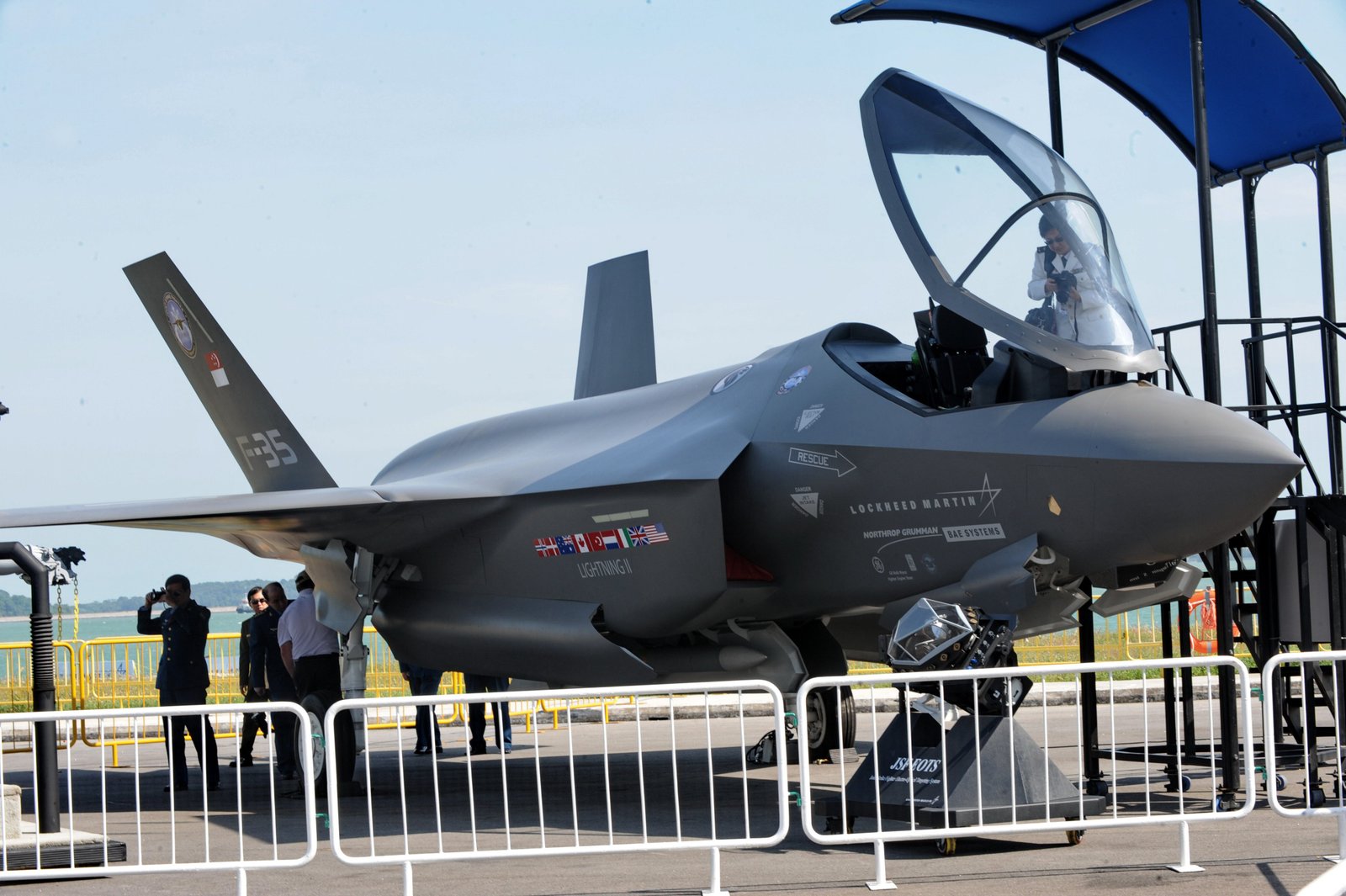
The US State Department has approved a possible $24.3 billion sale of 48 F-35 Lightning II fighter jets to Saudi Arabia, saying the aircraft would strengthen the kingdom’s defenses and its ability to operate alongside US and allied forces.
Under the proposed deal, Saudi Arabia would receive 48 conventional takeoff and landing F-35s, along with 49 Pratt & Whitney F135-PW-100 engines—one for each aircraft and one spare.
The package would go well beyond the aircraft themselves. It includes secure communications and navigation systems, cryptographic equipment, electronic warfare support, spare parts, maintenance services, and equipment used to support aircraft and munitions.
Saudi personnel would also receive training, with simulators and other training equipment included in the agreement. Software, technical documentation, transportation, refueling assistance and US government engineering and logistics support are among the other elements covered by the proposed sale.
The State Department said the acquisition would help Saudi Arabia defend against current and future threats while expanding its air-to-air and air-to-ground capabilities. It would also allow Saudi forces to work more effectively with US, regional and NATO forces.
Washington said Riyadh should be able to incorporate the new aircraft and associated equipment into its armed forces without difficulty.
Despite the size and sophistication of the proposed acquisition, the State Department said it “will not alter the military balance in the region.”
US officials described Saudi Arabia as a major non-NATO ally and said strengthening its security would support American foreign policy and national security objectives in the Gulf region.
Lockheed Martin Aeronautics Company, based in Fort Worth, Texas, would be one of the principal contractors. Pratt & Whitney Military Engines of East Hartford, Connecticut, would be the other.
No additional US government or contractor personnel would need to be stationed in Saudi Arabia to implement the agreement. Washington also said the sale would have no adverse impact on US defense readiness.
The US government is not currently aware of any proposed offset agreement. Any such arrangement would be negotiated separately between Saudi Arabia and the contractors.