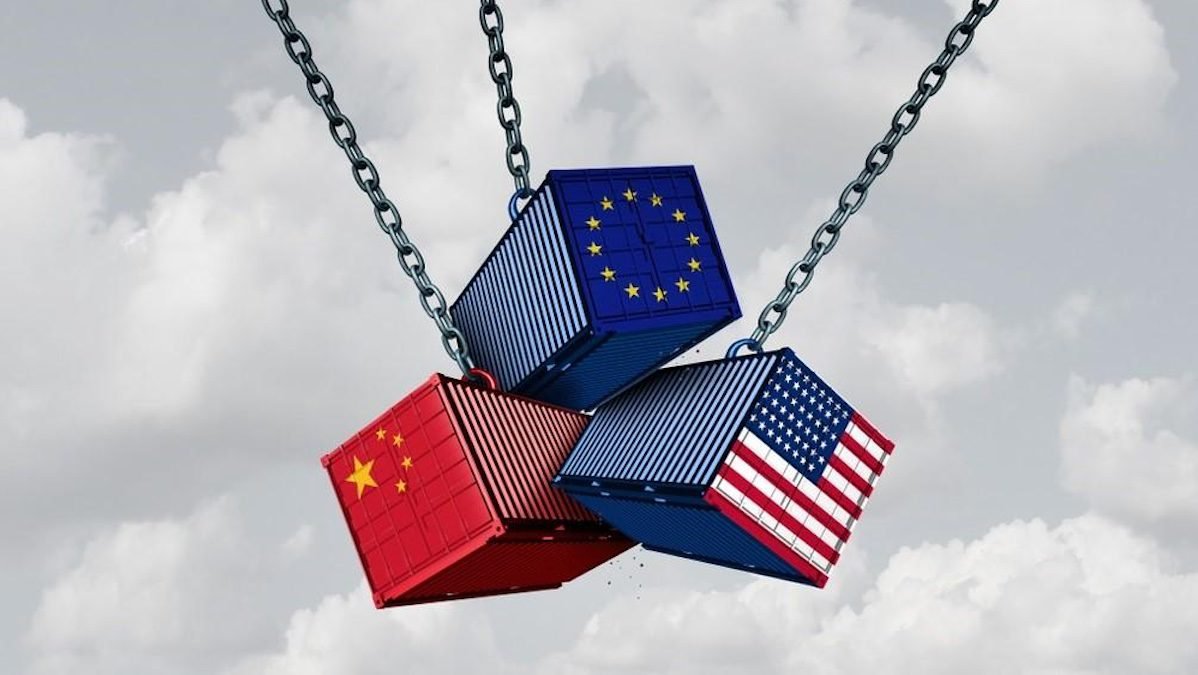
New US tariffs and tougher EU regulations heighten pressure on China, raising the risk of retaliation and broader global trade conflagration.
Mounting trade tensions involving China have become a significant source of concern for the global economy, reflecting a broader trend toward economic nationalism and the increasing use of trade policy as a geopolitical tool.
The latest developments involve proposed new tariffs by the United States and regulatory measures introduced by the European Union, both of which could substantially affect Chinese exports and investment opportunities.
Together, these actions have prompted strong warnings from Beijing and raised the prospect of a wider international trade dispute at a time when global growth remains fragile and supply chains are still adapting to years of disruption.
The most immediate source of concern is the United States Trade Representative’s (USTR) proposal to impose additional tariffs of up to 12.5% on imports from 60 trading partners, including China. The measures are linked to allegations that certain countries have failed to adequately prevent the export of goods associated with forced labor practices.
According to US officials, the objective is to strengthen enforcement of labor standards and ensure that products entering the American market comply with ethical sourcing requirements.
While the proposed tariffs apply to a broad range of countries, China is expected to be among the most affected due to its central role in global manufacturing and the longstanding concerns expressed by US policymakers regarding labor practices in certain regions of the country.
The timing of the proposed US tariffs is particularly significant. Global trade flows have already been affected by ongoing geopolitical tensions, shifts in supply chain strategies and efforts by multinational corporations to diversify production away from single-country dependencies.
Additional tariffs could increase costs for importers and contribute to inflationary pressures in certain sectors. Businesses that rely heavily on Chinese manufacturing inputs may face difficult decisions regarding sourcing strategies, investment planning, and pricing structures.
At the same time, developments in Europe have added another layer of complexity to China’s trade outlook. The European Union recently unveiled two major legislative initiatives: the Industrial Accelerator Act and the Cybersecurity Act.
Although these measures are presented primarily as efforts to strengthen European industrial competitiveness, technological resilience and digital security, they could have significant implications for Chinese firms seeking access to segments of the European market. The legislation reflects growing European concerns regarding strategic dependencies and the security of advanced technologies.
The Industrial Accelerator Act is intended to support the development of key industries within the European Union by streamlining regulatory processes, encouraging investment, and strengthening domestic production capabilities in strategically important sectors.
While the legislation is not explicitly targeted at China, it may create conditions that favor European firms and reduce opportunities for foreign competitors in areas deemed critical to economic security.
Chinese companies that have sought to expand their presence in sectors such as renewable energy, advanced manufacturing, batteries, and telecommunications may encounter increased scrutiny and more challenging market conditions.
Similarly, the Cybersecurity Act is designed to enhance standards for digital infrastructure, data protection and technology procurement across the European Union. These objectives align with broader efforts by European policymakers to reduce vulnerabilities associated with external suppliers of critical technologies.
Chinese technology companies, some of which have already faced restrictions or heightened regulatory oversight in various Western markets, could be disproportionately affected by stricter certification requirements and security reviews. As a result, access to lucrative segments of the European technology market may become increasingly difficult for certain Chinese firms.
Beijing has reacted strongly to both the US tariff proposals and the new EU initiatives. Chinese officials have warned that retaliatory measures remain a possibility if policies perceived as discriminatory are implemented.
Such warnings are consistent with China’s previous responses to foreign trade restrictions, which have often included counter-tariffs, regulatory actions, export controls, or restrictions targeting specific industries and products.
The prospect of retaliation has intensified concerns among investors and policymakers who fear that isolated trade disputes could evolve into a broader cycle of economic confrontation.
A wider trade conflict would carry significant risks for the global economy. China remains one of the world’s largest trading nations and a critical participant in numerous international supply chains. Escalating tensions between China and major Western economies could disrupt trade flows and slow investment activity.
Industries that depend on cross-border production networks, including electronics, automotive manufacturing, renewable energy, pharmaceuticals, and consumer goods, would be particularly vulnerable to increased barriers and uncertainty.
The broader geopolitical context is equally important. Economic relations between China and Western countries are increasingly influenced by strategic considerations that extend beyond purely commercial interests.
Issues such as technological leadership, national security, supply chain resilience, human rights, and industrial competitiveness now play a central role in trade policymaking.
As a result, disputes that might once have been resolved through traditional trade negotiations are becoming more difficult to address because they are intertwined with wider political and security concerns.
The key question ahead is whether policymakers can prevent these tensions from escalating into a more comprehensive trade confrontation. Diplomatic engagement and targeted negotiations may help manage disagreements and reduce the risk of retaliatory escalation.
However, the underlying structural factors driving the current disputes are unlikely to disappear in the near term. Both the United States and the European Union appear committed to strengthening economic security and reducing strategic vulnerabilities, while China remains determined to defend its commercial interests and preserve access to international markets.
The proposed US tariffs and the European Union’s new industrial and cybersecurity measures represent important developments in the evolving relationship between China and major Western economies.
While these policies are justified by their proponents as necessary responses to labor, security, and competitiveness concerns, they have also heightened fears of Chinese retaliation and broader economic fragmentation.
The coming months will be critical in determining whether these measures remain contained policy disputes or become catalysts for a more extensive and potentially damaging global trade conflict.