Russia holds a parliamentary election on September 18 to 20, the first since it launched its full-scale war in Ukraine in February 2022.
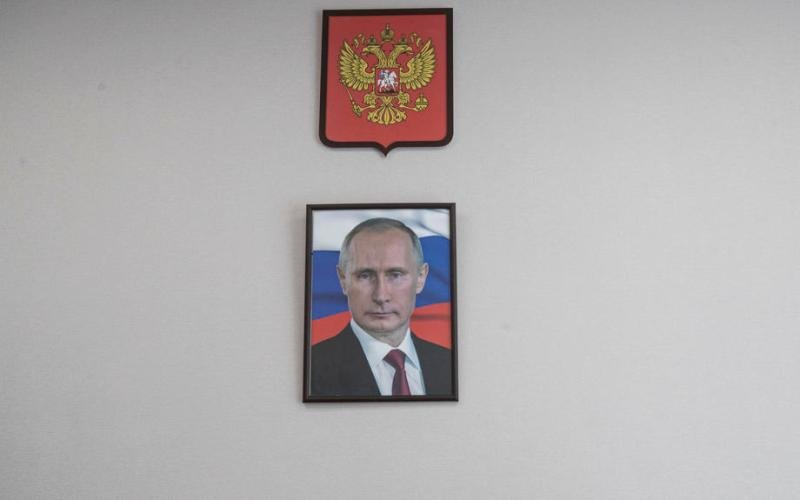
The political system is tightly controlled and the ruling United Russia party, backed by President Vladimir Putin, is widely expected to retain its dominance of the 450-seat State Duma, the lower house of parliament.
Here’s what to look out for:
WHO IS BEING ELECTED?
- Voters will elect all 450 members of the Duma to five-year terms. Half of the seats are allocated through a nationwide party-list vote. The other 225 are decided by voting in single-seat constituencies.
- A survey by state pollster VTsIOM at the end of August showed United Russia far in the lead of other parties with 37% support among respondents, followed by the Communist Party with 11.6%.
- The margin of United Russia’s expected win will be in focus. It currently has 310 seats in the Duma and needs to win at least 300 to keep its supermajority and ability to push through constitutional changes without other parties’ support.
LIMITED REAL OPPOSITION
- The four other parties expected to re-enter the Duma, including the Communist Party and the ultra-nationalist Liberal Democratic Party of Russia, broadly support the war and tend to vote with United Russia on key issues.
- The Supreme Court has barred the liberal Yabloko party from taking part in the party-list ballot, sidelining the only registered political party to oppose Russia’s war in Ukraine. Some Yabloko candidates are still running as the ruling does not apply to single-seat constituencies, but they appear unlikely to win any seats.
- A number of other opposition politicians have been barred from participating after being designated as “foreign agents.”
WHAT DO OBSERVERS SAY?
- The only independent nationwide election watchdog, Golos, which sharply criticised the conduct of past elections, closed down in 2025 following years of pressure from the authorities.
- Moscow has not invited international monitors from the Organization for Security and Co-operation in Europe to observe the upcoming vote, which the OSCE said reflected a pattern of Russian government disregard for transparency, democratic accountability and the rule of law.
- The OSCE says Russia’s political system has become more restrictive since the last parliamentary vote in 2021 with the exclusion of candidates labelled “foreign agents,” further limits on campaign financing and other measures.
- Russian authorities have rejected criticism of the electoral process, saying voting is conducted in accordance with the law, and they have said that Russia’s Western enemies are trying to undermine and disrupt the election.
VOTING IN RUSSIAN-CONTROLLED UKRAINE
- The election is also being held in Crimea, which Russia annexed from Ukraine in 2014, and in Russian-controlled parts of Ukraine’s Donetsk, Luhansk, Zaporizhzhia and Kherson regions.
- Voting started early in some areas due to security reasons, according to the authorities.
Source: Reuters