What Washington Missed?
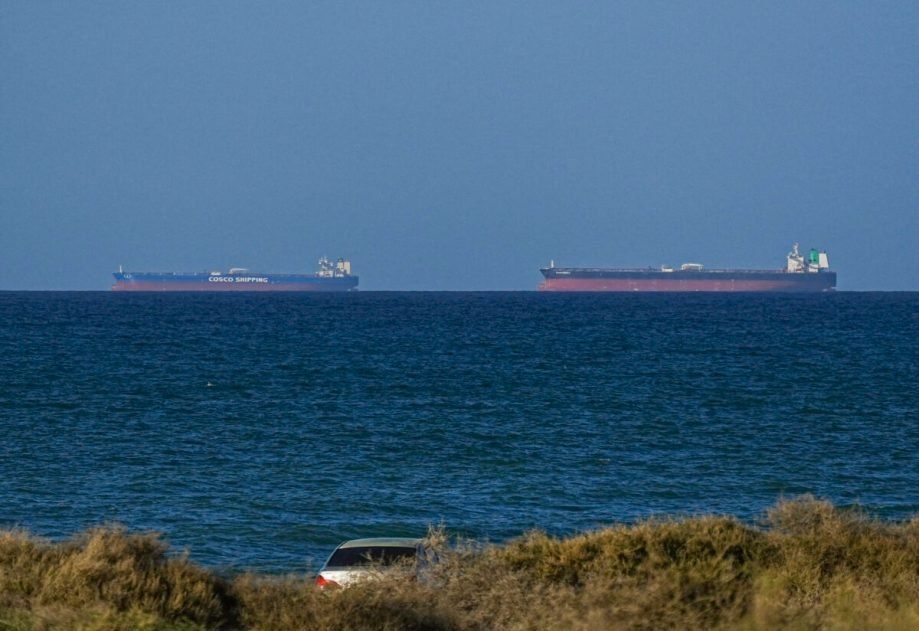
Closing the Strait of Hormuz is not a side detail. It is the main pressure point. Every day the strait stays shut adds a new layer of cost to the global economy; and the shock travels back to the United States fast. This is not only about the price of oil. It is about a supply-chain squeeze: shipping insurance, freight costs, industrial inputs, petrochemicals, raw materials. Then inflation that lands on American consumers like a delayed war tax.
Washington’s mistake was deeper than one bad assumption. It believed military force alone can break political will, that markets will “adjust” on their own, and that a crisis can be managed through statements and threats the way you manage an election campaign.
But the economy does not negotiate with speeches. It reads facts: the passage is closed, risks are up, and costs are piling up.
Hormuz as a Weapon: “Economic Nuclear” without the fallout
The clearest lesson from this round is that Hormuz has become a new kind of deterrent: an economic weapon that can rival traditional military tools without radioactive fallout and without clear global red lines. Closing it does not kill directly, but it can choke slowly: energy prices, shipping, factories, then public anger and electoral punishment.
Iran’s advantage is structural. It does not need a classic battlefield victory to force a political outcome. It only needs to keep economic pressure alive until Washington goes looking for a deal. That is exactly what we are seeing.
Why Trump now looks like he is begging for a deal?
When the effects start reaching the U.S. economy (i.e. imported inflation from Asia, stress on supply chains, fear of shortages or price spikes in key industrial materials) the White House shifts from the language of “deterrence” to the language of “exit”. That is why channels suddenly reopen, mediators multiply, and Trump pushes for a fast deal.
The problem is that Trump wants a deal as a “moment”: a quick announcement, a press conference, a victory headline. Then details can be postponed. Iran, especially now, is not playing the headline game. It is playing the time game: each day raises the price of American retreat and strengthens Tehran’s leverage.
William Burns offers a rescue map—will Trump listen?
Inside the U.S. establishment, there is a realistic argument for how to get out. William Burns—former CIA director and a veteran of the Iran file—signals one basic rule: stop digging the hole deeper.
His core point is simple: serious negotiations require professionals, patience, and a return to the logic of the Obama-era nuclear framework, not fantasies of Iranian “capitulation”.
Diplomacy with Iran is not diktat. It is trade-offs: limits or a freeze on enrichment under strict verification, in exchange for meaningful sanctions relief. This is not generosity toward Tehran. It is the only formula that can produce a durable agreement.
On Hormuz, Burns’ implied approach is also clear: treat it as more than a bilateral US–Iran issue. Bring in the Gulf states that share the waterway. The goal is not to hand Iran a “toll booth” on world trade. The goal is a regional arrangement that reduces the chance of a repeat closure: maritime security, transit understandings, and potentially an internationally supervised mechanism—framed as a public good (clearing mines, stabilizing shipping) rather than as a reward.
Why is Iran hardening its position?
Because Tehran sees the full picture: a struggling US administration, nervous markets, and uneasy allies. And inside Iran, the hardline logic gains ground: this is not a moment for a cheap compromise. It is a moment to raise demands. Their argument is blunt: if the strait reopens without a serious political and economic price, Washington will try the same approach again later. So, they want a lesson that makes the next adventure too costly.
But hardening has limits.
Real negotiations do not give any side “everything”. Every player has ceilings and vulnerabilities. Iran has a powerful card; but turning pressure into lasting gains requires discipline, not triumphalism.
Washington’s Real Danger is Domestic
If the closure drags on, the crisis will not stay “over there”. It will become a US domestic issue: inflation, pressure on industry, supply disruptions, and political rivals weaponizing the failure. That is why Trump demands an immediate deal and why he is searching for any channel that can deliver an off-ramp before the bill grows larger.
Worse, time reduces American freedom of action. Any later agreement will look like a concession made under pressure. Delay does not strengthen Washington. It weakens its credibility, emboldens rivals, and alarms allies.
What does this mean for the region?
It means the rules are changing. Deterrence is no longer only about missiles and aircraft. It is also about chokepoints and supply chains. A region once managed through American military presence is being reshaped by the ability to disrupt global trade. That will alter Gulf calculations, Europe’s energy debate, and Asia’s view of reliance on a single vulnerable corridor.
Therefore, Trump wants a quick exit because time is working against him. Iran is tightening because time is working for it. But strategy is not a nerve game alone. It is the management of costs, gains, and limits.
Hormuz today is not just a passage. It is an economic leverage point that can decide political outcomes. Those in Washington who still treat it as a footnote will pay the price—first in markets, then at the ballot box.
The views expressed in this article belong to the author and do not necessarily reflect the editorial policy of Middle East Monitor.