Professor Pejman Bijan assesses the Iran war and a new regional defense pact, while an Afghan anchor and Azerbaijani visitors describe struggles for freedom, security, and influence
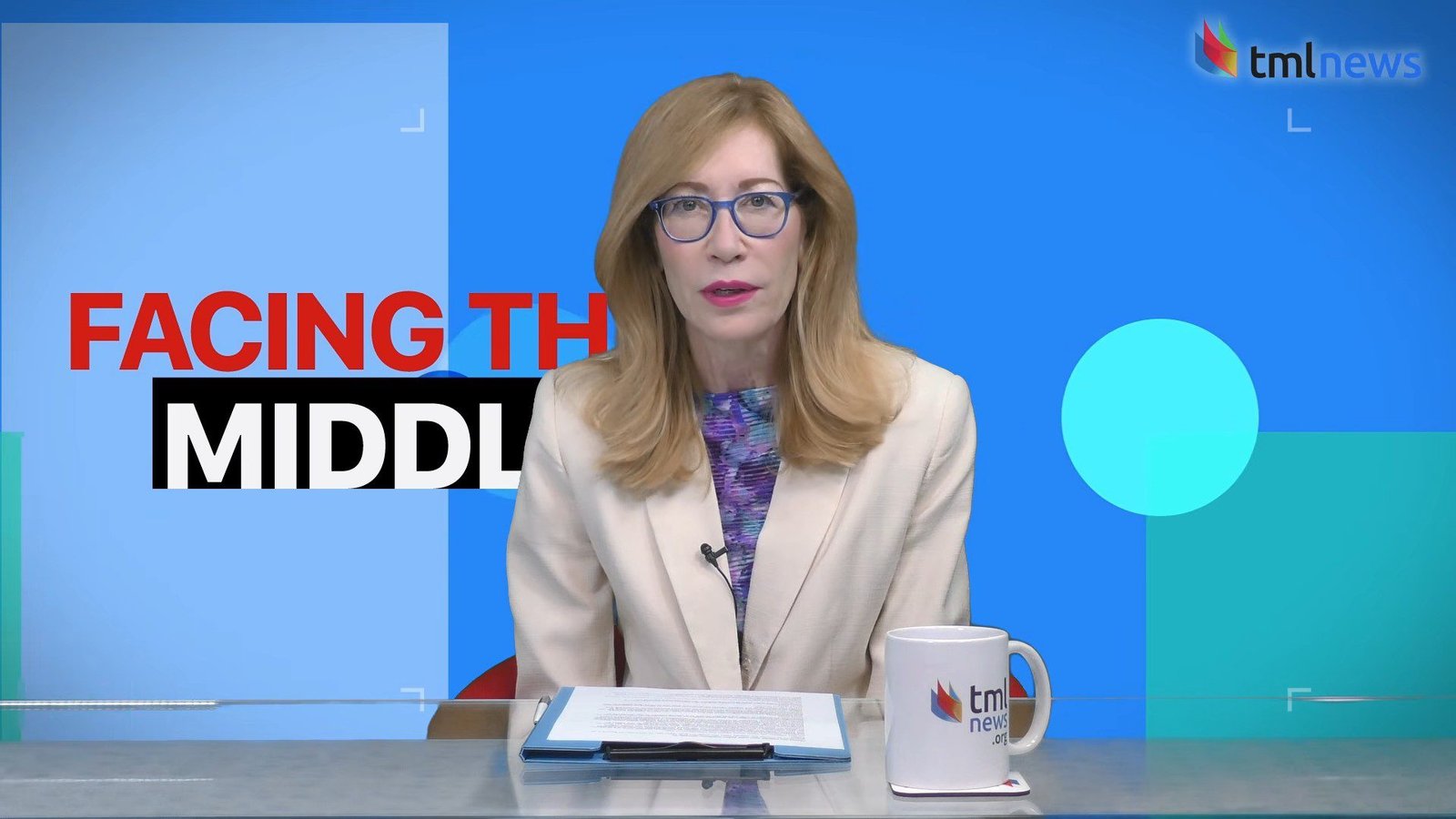
In this edition of Facing the Middle East, I examine a region being reshaped by the Iran war, rival security blocs, the suppression of Afghan women, and Azerbaijan’s careful diplomacy between powerful neighbors.
Professor Pejman Bijan, an Italian-Iranian scholar and political analyst, joins me to assess the new Mecca Joint Defense Agreement linking Saudi Arabia, Turkey, and Pakistan. Bijan portrays the pact as part of a wider contest over the Middle East’s future, setting it against the Abraham Accords, the India-Middle East-Europe Economic Corridor, and the prospect of a post-regime Iran joining a more commercially integrated regional order.
Our conversation moves from Gulf power politics to Europe’s divided approach to Iran. Bijan argues that European leaders have long differed between engagement with elements of the Islamic Republic and support for political change. He warns that mounting economic pressure on Tehran could lead the regime to seek instability beyond its borders, including against American interests in Europe.
We also examine Pakistan’s growing role as a regional mediator. Bijan sees Islamabad’s deeper ties with China and its partnership with Saudi Arabia and Turkey as part of a shifting balance that has reduced Qatar’s centrality and complicated Western influence in the Gulf. He praises President Donald Trump’s broader approach to Iran while arguing that Washington moved too slowly at a critical moment for Iranian opponents of the regime.
The episode then turns to Afghanistan, where former television anchor Tahmina Usmani recounts the restrictions imposed on women journalists after the Taliban returned to power. Usmani says she was required to cover her face on air and faced censorship in her reporting before ultimately leaving Afghanistan. Speaking from Paris, she describes her hope for a future in which Afghan women can again live and work freely.
In a third segment, The Media Line’s Gabriel Colodro and Giorgia Valente meet a Sharaka delegation of Muslim professionals from Azerbaijan and Kazakhstan visiting Israel. Interviews with Azerbaijani researchers and policy specialists explore Baku’s effort to maintain ties with Israel, Turkey, Arab states, Russia, and Iran without becoming entangled in regional wars.
Participants describe Azerbaijan’s security concerns over Iran, its close cooperation with Israel, and its interest in preserving ties with Turkey despite strains between Ankara and Jerusalem. They also point to energy links, including the Baku-Tbilisi-Ceyhan pipeline, as a durable shared interest.
From Iran’s internal power struggle to Afghan women’s fight for visibility and Azerbaijan’s balancing act, I bring together three stories that show how national choices are being shaped by a rapidly changing Middle East.