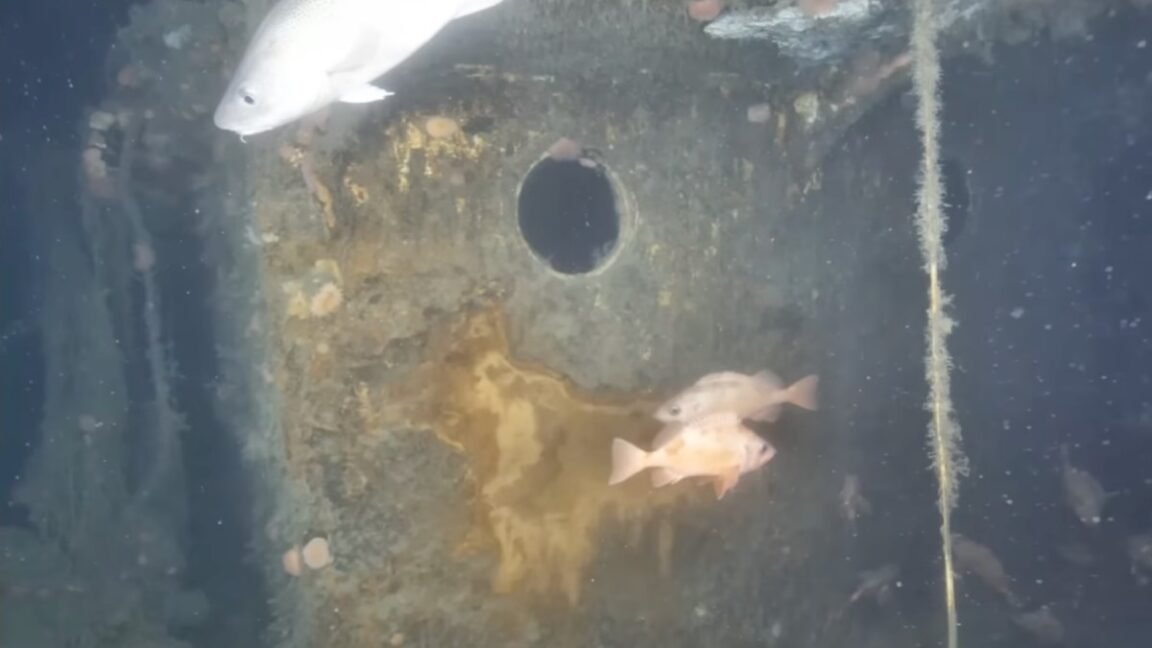
Back in 2024, we reported on the discovery of the Quest shipwreck, the polar exploration vessel that served Arctic explorer Sir Ernest Shackleton on his last voyage. Shackleton died before reaching their destination, and the ship sank in 1962. The Royal Canadian Geographic Society (RCGS) has now released the first images of the wreck more than 60 years after it sank, published in Canadian Geographic magazine.
Shackleton, of course, is most famous for his ill-fated voyage on the Endurance, which became trapped in sea ice in 1914 and sank. Shackleton and his crew defied the odds and survived. (The Endurance shipwreck was finally found in 2022.) By the time Shackleton returned to England, the country was embroiled in World War I, and many of his men enlisted. Shackleton was considered too old for active service. He was also deeply in debt from the Endurance expedition, earning a living on the lecture circuit. But he still dreamed of making another expedition to the Arctic Ocean north of Alaska to explore the Beaufort Sea. He got funding from an old school chum, John Quillier Rowett.
Shackleton purchased a wooden Norwegian whaler, Foca I, which his wife Emily renamed Quest. When the Canadian government withdrew its support, the mission shifted back to the Antarctic, and the Quest received an extensive retrofit. The improvements included a new deckhouse, a heated crow’s nest, a wireless set, and an odograph for tracing and charting the route automatically, as well as a Lucas deep-sea sounding machine, a large and pricey collection of cameras and photographic equipment, and even a small airplane.
The Quest expedition to Antarctica set sail in 1921. Shackleton never reached the planned destination, falling ill in late December just as the ship was about to leave Rio de Janeiro, Brazil. He had begun drinking heavily to “deaden the pain,” despite not usually allowing alcohol while at sea. The Quest reached south Georgia on January 4, 1922, and Shackleton made his final diary entry before retiring to bed.
By 2 am, he was complaining of back pain and requesting painkillers. Ship physician Alexander Macklin suggested Shackleton might try leading a more normal life. Shackleton asked what Macklin thought he should give up. “Chiefly alcohol, boss, I don’t think it agrees with you,” the physician replied. Then Shackleton “had a very severe paroxysm” and died. The official recorded cause of death was coronary thrombosis. His body was buried in a Norwegian cemetery in Grytviken, the grave marked by a rough cross (later replaced by a granite column).
The expedition was cut short. There were a few scientific papers that came out of the journey and some useful geological and survey work, but on the whole, the expedition’s accomplishments were minor.
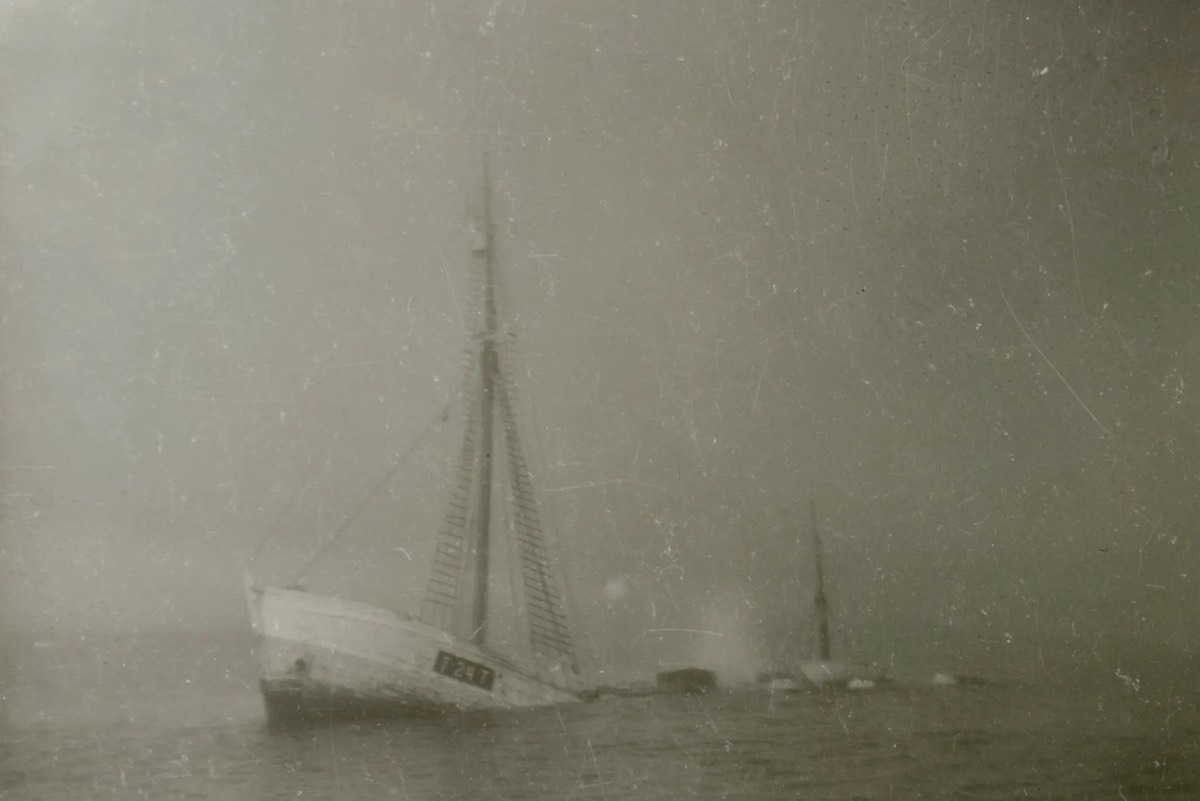
The ship was retrofitted a couple more times over its existence. It was used in several other expeditions in the 1930s and on various rescue missions. Quest served in the Royal Canadian Navy during World War II as a minesweeper and light cargo vessel and returned to commercial sealing operations after the war. It was on one such seal-hunting expedition on May 5, 1962, when the plucky little ship was pierced by ice and sank—the same damage suffered by Endurance decades before. And like the Endurance, her entire crew survived.
A thriving ecosystem
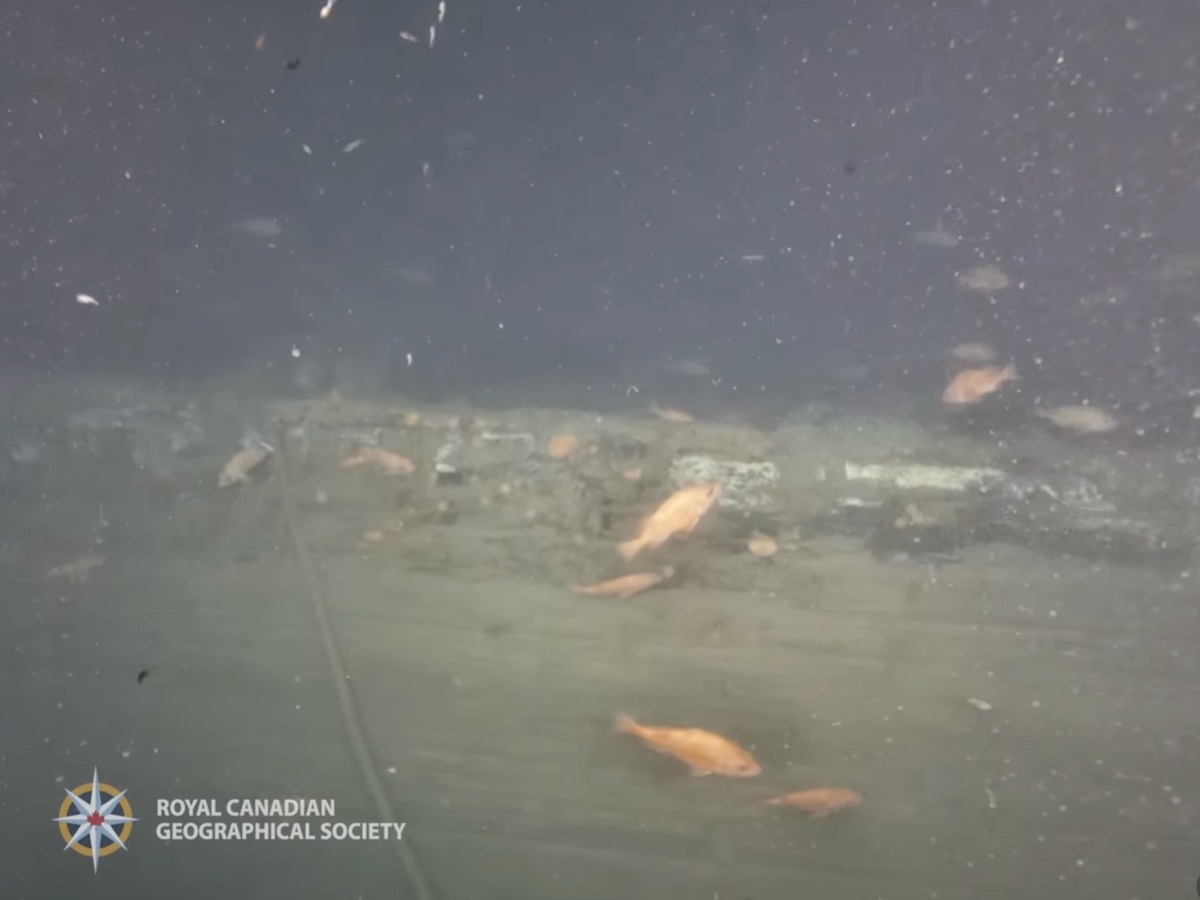
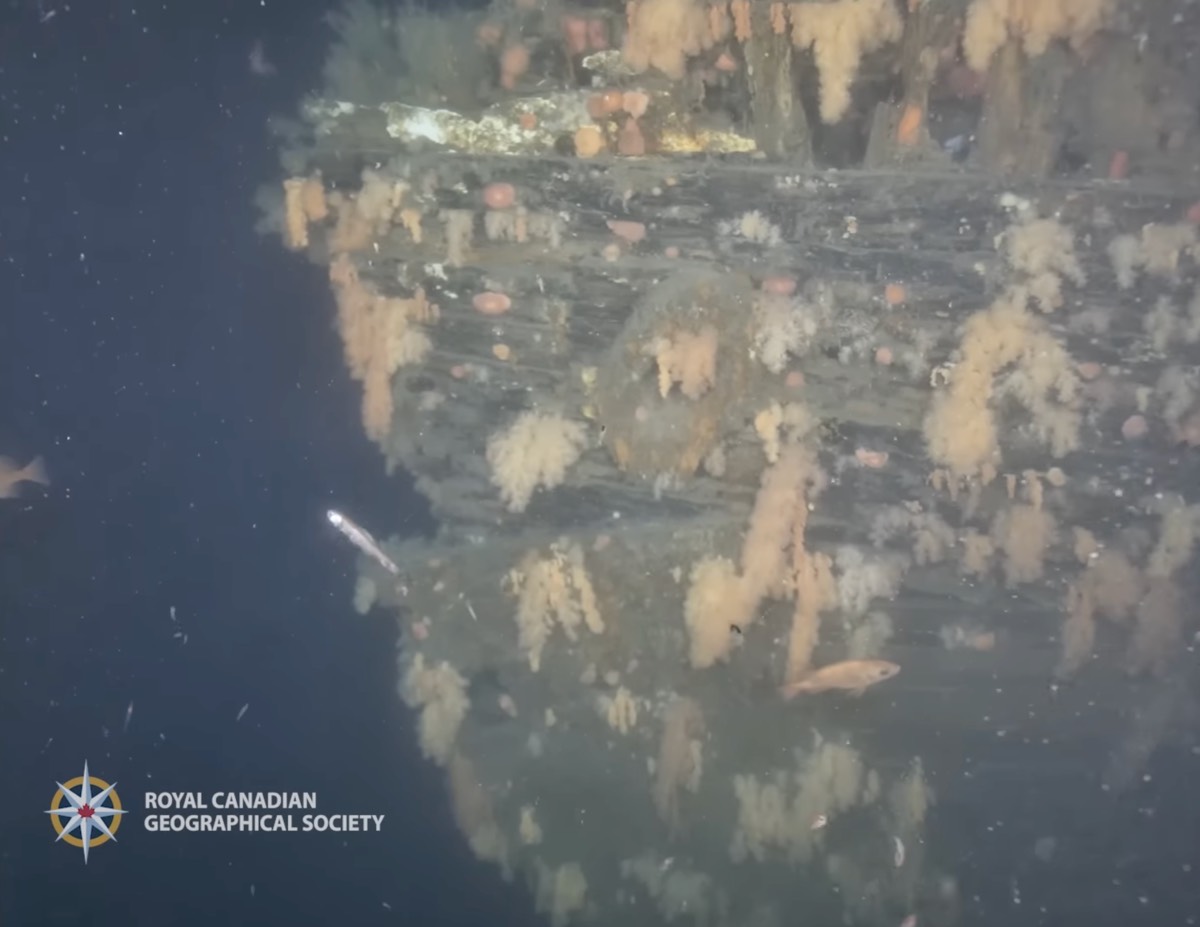
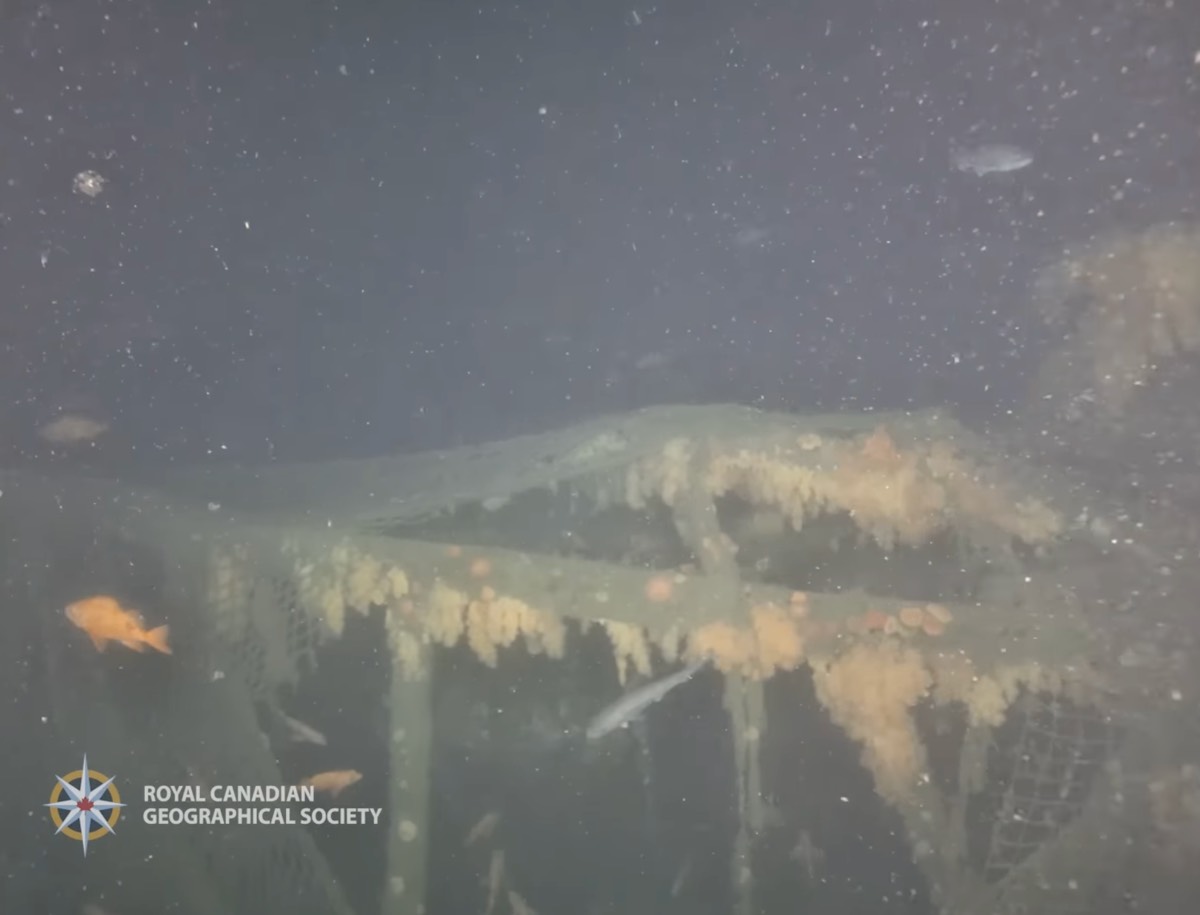
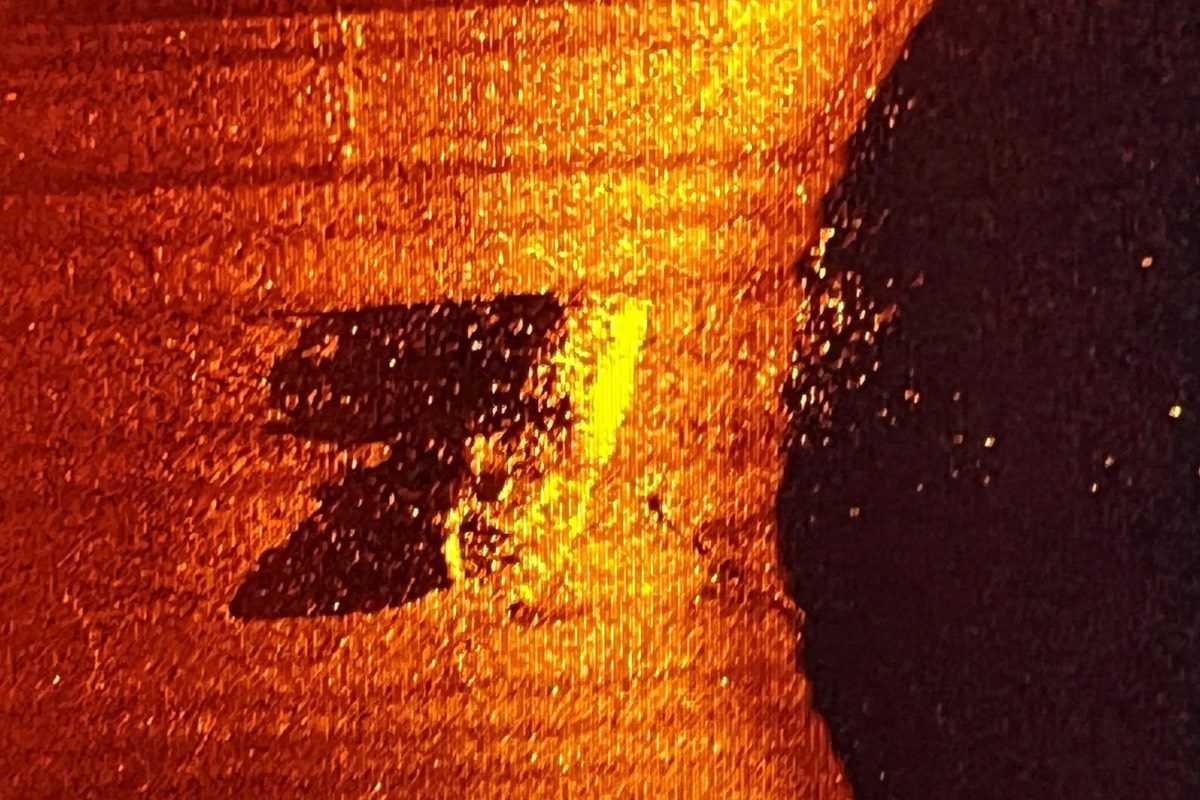
The RCGS led the effort to locate the wreckage, investing some $365,000 in the project. CEO John Geiger spearheaded the search, which initially involved scouring through the ship’s logs, navigation records, and other documents. The 23 crew members fought through dense fog and dealt with equipment issues after leaving port on June 5. But their patience was rewarded after 17 hours of scanning the ocean floor with sonar: Geiger spotted an odd shape pop onto his screen that was unmistakably the Quest.
This latest mission, with the Woods Hole Oceanographic Institute (WHOI) as a partner, relied on a Falcon remote-operated vehicle and an ALVIN deep submergence vehicle to explore the wreck site further, launching on July 2. These are just the first images; more will be forthcoming. The team ultimately plans to create a 3D digital twin of the wreck site using underwater photogrammetry technology.
Initial sonar images in 2024 gave the team hope about the ship’s overall condition. These new images, however, revealed that Quest is in worse condition than previously thought, with fishing nets, floats, and other bottom-trawling gear snagged on the stern and much of the starboard side. The bridge superstructure is missing entirely, although the aluminum bridge is still attached. Expedition research director Antoine Normandin was disappointed at first, but then realized that “Quest itself is now becoming a science experiment,” he told Canadian Geographic.
WHOI biologist Kirstin Meyer-Kaiser told Canadian Geographic that the Quest shipwreck has been transformed into a thriving underwater ecosystem. The surviving structures and materials are now host to various marine life: soft corals clustered around the top of the bow, for example, and threatened species such as the spotted wolffish. “It’s really cool to me that the impact of human history is that we’re creating a habitat,” she said. “We’re increasing biodiversity on the local scale of the wreck, and maybe also on the regional scale because now it’s a stepping stone for some of those things to spread.”