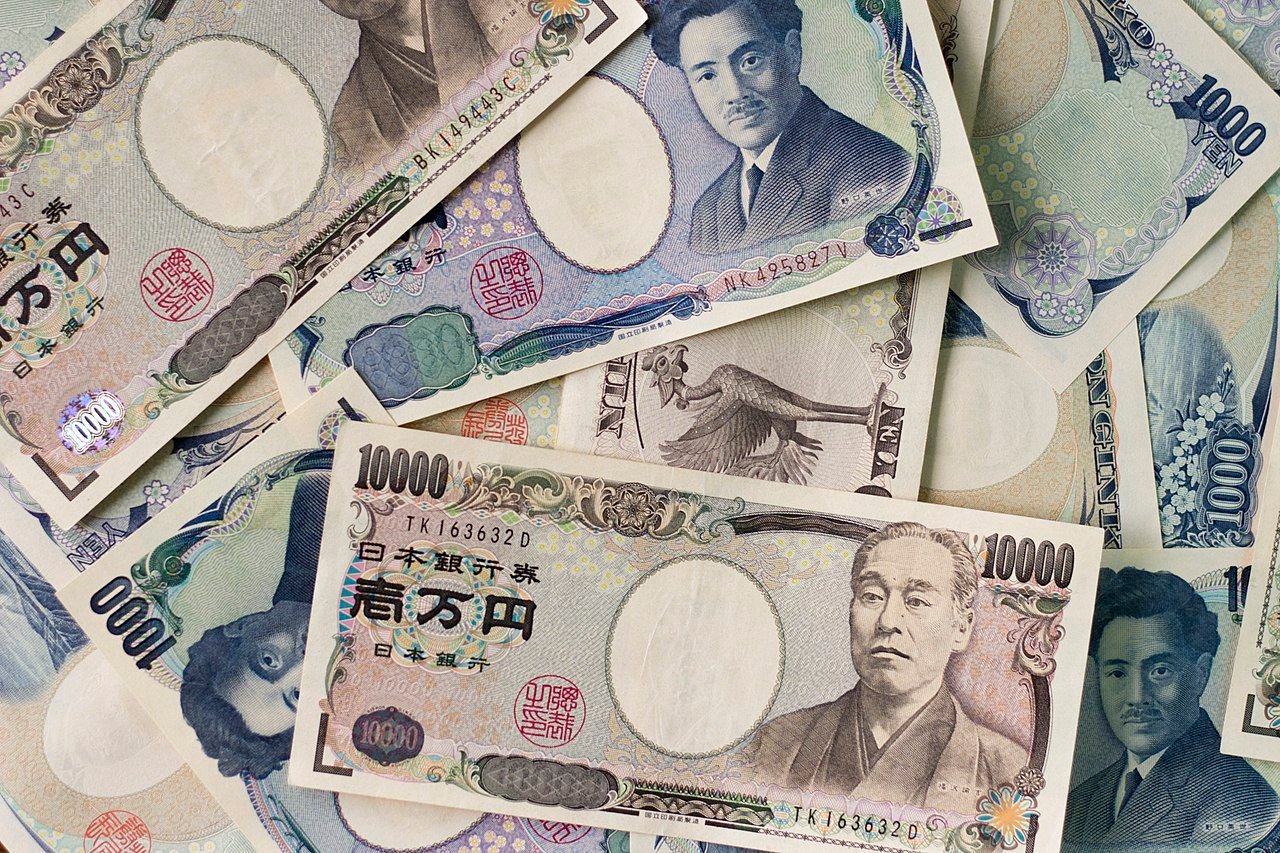
TOKYO – Only in Japan can a central bank on its fifth rate hike in two years still be accused of pulling its punches. Yet here is the Group of Seven’s most predictable monetary institution as 2026 unfolds.
That context explains Tuesday’s market reaction. The BOJ’s 25 basis-point move to 1% sent the Nikkei 225 above 70,000 for the first time and left the yen unmoved — not the behavior of investors bracing for punchbowl removal. Markets read the hike as a signal that normalization is quietly being wound down.
Two forces support that reading: stagflation, and Prime Minister Sanae Takaichi’s well-known aversion to higher rates.
It’s also worth noting that the BOJ had little choice. The “bond vigilantes” had already pushed 10-year JGB yields to a 30-year high of 2.7%, effectively threatening to tighten for the central bank if it didn’t hike the benchmark to a 31-year high. act. Even Team Takaichi understands that a BOJ-behind-the-curve narrative won’t do her approval ratings any favors.
Trump’s collapsing poll numbers offer a cautionary tale: tell voters the inflation they’re feeling isn’t real, and they won’t forgive you. Japan’s price pressures are nowhere near America’s — CPI rose 1.4% year-on-year in May, compared with 4.2% in the US, and even the BOJ’s private rate, stripping out government energy subsidies, runs at just 2.8%.
Yet the BOJ is finding that stagflation may be harder to navigate than deflation. With growth expected at just 0.5% this fiscal year — a fraction of the inflation rate — board member Toichiro Asada dissented Tuesday, pushing for a hold.
The 7-1 vote proceeded despite Governor Kazuo Ueda’s absence; he was hospitalized last week with a liver infection. But the hike wasn’t the real story. The BOJ simultaneously held bond purchases steady at roughly 2 trillion yen ($12.5 billion) a month through April 2027 — freezing, rather than intensifying, its quantitative tightening program, in direct contradiction of earlier pledges.
The implication is plain: the Ueda BOJ is more worried about the “stag” than the “flation,” which is exactly what Takaichi’s government wanted. Whether the board is formally abandoning normalization, only its members know. The optics, though, are uncomfortable for an institution that cut rates to zero in 1999 and took more than 25 years to meaningfully move them.
The yen is forcing the BOJ’s hand — at least occasionally. Once it slips past 160 to the dollar, Tokyo has a problem. With the Iran war pushing oil, food, and fertilizer prices higher, an undervalued yen means Japan imports bad inflation faster than its households can absorb it — households still psychologically scarred by decades of deflation.
Letting the yen drift toward 170 and beyond would intensify imported inflation and trigger heavier intervention by the Ministry of Finance.
It would also antagonize the Trump administration, which is acutely sensitive to any hint that trading partners are gaming exchange rates for export advantage. Hence Treasury Secretary Scott Bessent’s recent campaign pressing the BOJ to accelerate hikes.
Takaichi’s government wants no part of that. Before taking office last October, she called the idea of BOJ rate hikes outright “stupid.” A devoted Abe disciple, her entire economic framework depends on a weak yen and ultra-low rates. It goes some way toward explaining why, 238 days in, her government has yet to post a single policy win.
The theory is that yen weakness lifts exports and corporate profits, triggering a virtuous cycle of spending and growth. What “Sanaenomics” didn’t price in was the US and Israel going to war in a region that supplies more than 95% of Japan’s energy.
The deeper problem is structural. Every prime minister since Junichiro Koizumi — Abe’s own mentor, who took office in 2001, the year the BOJ pioneered quantitative easing — has promised to cut red tape, meritocratize labor markets, spark a startup boom, and close the gender pay gap.
None has delivered with sufficient urgency. Twenty-seven years of near-zero rates and a weak yen simply removed the pressure on corporate Japan to restructure, innovate, or take risks.
In some ways, Japan is now the dog that caught the car. Wages are finally rising after decades of stagnation — Japanese unions secured an average 5.26% hike for permanent employees in this year’s shunto spring negotiations, the third consecutive year of 5%-range gains. But without matching productivity growth, that’s a problem as much as a milestone.
Japan ranks 28th out of 38 OECD members in worker efficiency — last among the G7 — meaning wage gains risk feeding the inflation the BOJ is already struggling to contain.
Weak productivity is partly a consequence of BOJ largess, giving governments a pass on increasing competitiveness. As the International Monetary Fund points out, “Japan’s total factor productivity growth has been slowing for a decade and has fallen further behind the US. A steady decline in allocative efficiency since the early 2000s has been a drag on productivity and likely reflects an increase in market frictions.”
What’s more, the IMF notes, “Japan’s ultra-low interest rates may have allowed low-productivity firms to survive longer than they otherwise would have, delaying necessary economic restructuring. Reforms aimed at improving labor mobility across firms would help improve Japan’s allocative efficiency and boost productivity.”
For now, investors piling into the Nikkei are viewing this as positive. “The stars had aligned for another BOJ blockbuster hike today,” says Krishna Bhimavarapu, economist at State Street Investment Management.
“The rise of the policy rate to the psychologically critical 1% level happened alongside sustained shunto wage growth, continued economic growth and sound telegraphing, considering all of which this hike is quite a moment for the Bank.”
Looking ahead, Bhimavarapu adds, “the alignment for continued normalization would depend on the bullish outlook on AI & semiconductor exports. We see at least one more hike this year, but as always, where the yen might be headed from here will be an important barometer of sentiment.”
Also, for now, the BOJ is trying to deflect suggestions that it is easing back from its more assertive rate-normalization timeline. The BOJ, in its statement, noted that Japan’s official consumer inflation has remained below 2% due to government measures.
“However,” policymakers write, “the price pass-through stemming from the rise in crude oil prices has been progressing at a relatively fast pace in business-to-business transactions, which could spread to an increase in consumer prices across a wide range of items.”
Economist John Bromhead at Moody’s Analytics notes that the BOJ “decided to pause the tapering of its bond purchases after April 2027. In practical terms, the change is relatively modest because purchases have already been reduced substantially, and the balance sheet will keep contracting as maturities exceed new buying.”
The decision, Bromhead says, “could be interpreted as a concession to government pressure, though it is more plausibly an attempt to contain a disorderly rise in yields and improve market functioning. That risk has become more pressing in recent weeks, with yields across the Japanese curve moving sharply higher and 10- and 30-year yields reaching multi-decade highs.”
That gets at the bigger question of whether the BOJ is bowing to Takaichi or the bond market? Or both?
Hopes for a ceasefire in Iran may give the BOJ some political cover. ANZ economist Matthew Galt cautions that “markets will take time to settle, Hormuz flows will take time to normalize, and inventories will need to be replenished,” adding that a deal, if it holds, may reduce pressure to tighten — but that central banks will be watching developments closely before adjusting course.
Better still would be the BOJ stopping its role as a financial crutch for Takaichi’s LDP. And Takaichi’s party internalizing what three decades of weak-yen policy has actually produced: Asia’s second-largest economy stuck in first gear, with debt already between 250% and 260% of GDP and a shrinking population to service it.
Robin Brooks of the Brookings Institution argues the path forward starts with a signal. “Japan needs to show it recognizes debt is a problem,” he says. “It can do that with a wave of privatizations and sales of domestic assets.
Markets would reward that with a stronger yen and lower yields — which is “exactly what Japan needs.” FX intervention, Brooks argues, sends precisely the opposite message: denial, papering over a debt overhang rather than confronting it, and inviting continued depreciation pressure as punishment.
Against that backdrop, bets on the BOJ finding its spine and hiking toward anything resembling normal may be riskier than they appear.
Follow William Pesek on X at @William Pesek