The jet fuel crisis caused by the closure of the Strait of Hormuz is forcing major European airlines to cut flights and ground planes amid a looming supply crunch.
International Energy Agency chief Fatih Birol told the AP on Thursday that the continent has “maybe six weeks or so of jet fuel left.” The emergency has seen jet fuel prices in Europe more than double since the beginning of the war in the Middle East on Feb. 28.
Although an actual shortage of jet fuel has yet to materialize, the high cost of the fuel is prompting airline groups to cut less profitable routes and ground less efficient older aircraft.
Lufthansa on Thursday announced it will retire the whole 27-plane fleet of its CityLine subsidiary this weekend.
While the group had already planned to retire the fleet, announcing the phase-out in 2024, “the current crisis is now forcing us to implement this measure earlier,” CFO Till Streichert said in the announcement.
CityLine primarily serves air hubs in Frankfurt and Munich, connecting them to various European destinations.
“This is a painful step,” Streichert admitted, referring to the likely personnel layoffs involved.
In addition to grounding CityLine’s planes, Lufthansa will withdraw its last four Airbus A340-600s and two Boeing 747-400s from its long-haul fleet as of October.
The group also announced “additional capacity reduction” in its 2026-2027 winter schedule, withdrawing an additional five aircraft from its core airline.
The total fleet reduction amounts to 38 planes. A 40-aircraft reduction plan had been leaked to German media in March.
The move “is unavoidable in light of the sharply increased kerosene costs and geopolitical instability,” Streichert said. Jet fuel is refined from kerosene.
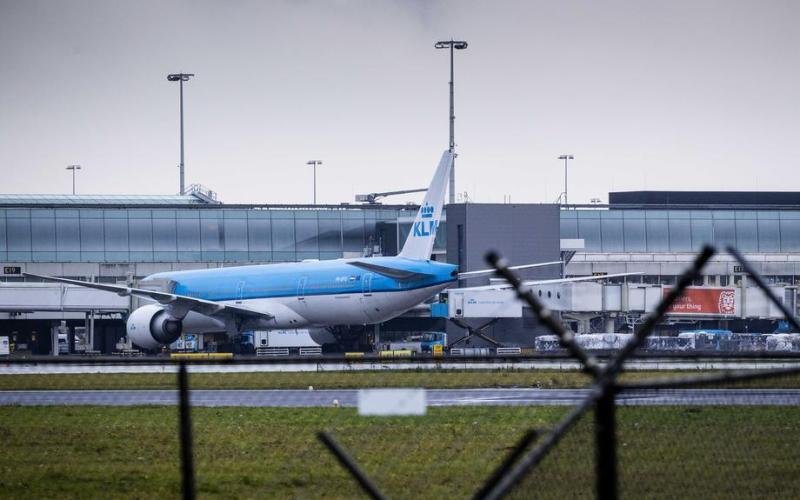
But Lufthansa isn’t the only airline affected. Shortly after its announcement, KLM said it “will operate 80 fewer return flights to and from [Amsterdam] Schiphol” Airport in May.
The Dutch airline — part of the Air France-KLM group — said the cuts will affect routes with multiple flights daily, such as London and Düsseldorf, and will represent less than 1 percent of its European flights that month.
Fueling cuts
Lufthansa said its fuel consumption “is hedged at an above-average rate of around 80 percent based on crude oil prices,” but “the remaining 20 percent must still be purchased at significantly increased market prices.”
“This particularly expensive portion of fuel requirements will be reduced by around 10 percent,” it added.
The German group also cited rising costs linked to recent strikes, which on Wednesday overshadowed the airline’s 100th anniversary celebrations.
Legacy airline groups aren’t the only ones struggling with the impact of high fuel prices on their balance sheets.
Budget airline easyJet said Thursday that its fuel costs had risen by almost €29 million in March alone, and that its before-tax losses were expected to increase to between €620 million and €640 million in the six months to March, up from €450 million a year earlier.
Latvian carrier airBaltic is also in a critical situation and is dependent on financial support.
Prime Minister Evika Siliņa had said Wednesday she was ready to face “the collapse of the coalition” in light of the reluctance of her ruling partners to approve a €30 million loan the airline requested at the end of March.
Although airBaltic’s difficulties predate the Middle East war, ratings agency Fitch warned that rising fuel prices were putting further pressure on the carrier’s liquidity, noting it had “hedged only around 10 percent of its 2026 fuel consumption.”
The Latvian government on Thursday secured the loan for the carrier.
Via Politico