Escalating clashes between the United States, Iran and their regional allies have intensified concerns of a broader Middle East conflict, as Washington confirmed new strikes on Iranian military sites and neighbouring states reported incoming missiles and drones.
The US military said it carried out attacks on Iranian radar and drone facilities in Goruk and on Qeshm Island, describing them as retaliation for Iran’s downing of a US drone. Iran’s Islamic Revolutionary Guard Corps (IRGC) responded by claiming it struck a US base it says was used to launch an earlier attack on Sirik Island in the Strait of Hormuz.
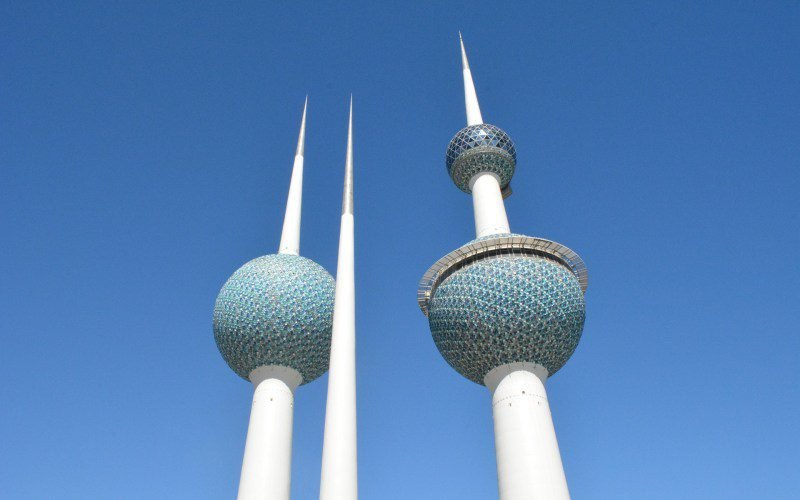
The confrontation has spilled into the wider Gulf. Kuwait reported that its air defence systems intercepted “hostile” missile and drone attacks, while Iran insisted its retaliatory actions were lawful self‑defence. Tehran accused the European Union of “selective moral outrage” after the bloc condemned earlier Iranian strikes on Kuwait.
The situation has also deepened political pressure in Washington. Analysts told Al Jazeera that President Donald Trump faces criticism from both major US parties, with some arguing that Iran appears strengthened while the US is drawn deeper into a conflict he once vowed to avoid.
Across the region, violence continues. Israeli forces carried out raids in the occupied West Bank, arresting Palestinians and demolishing shops in a market in Beita. In Lebanon, Israeli attacks killed at least six people in multiple towns, while Prime Minister Benjamin Netanyahu ordered new strikes on Beirut’s southern suburbs.
Hezbollah, meanwhile, rejected what it described as a “one‑sided ceasefire”, saying it will not halt its attacks unless Israel also commits to stopping its operations. Lebanese officials warned that any agreement must guarantee both sides’ compliance.
With tensions rising across the Gulf, Lebanon and the West Bank, international alarm is growing over the risk of a wider regional war.