The British government has not suspended or revoked a single additional arms export licence for Israel since announcing what Foreign Secretary Ed Miliband described as a “double lock” on military sales, according to an investigation by Declassified UK.
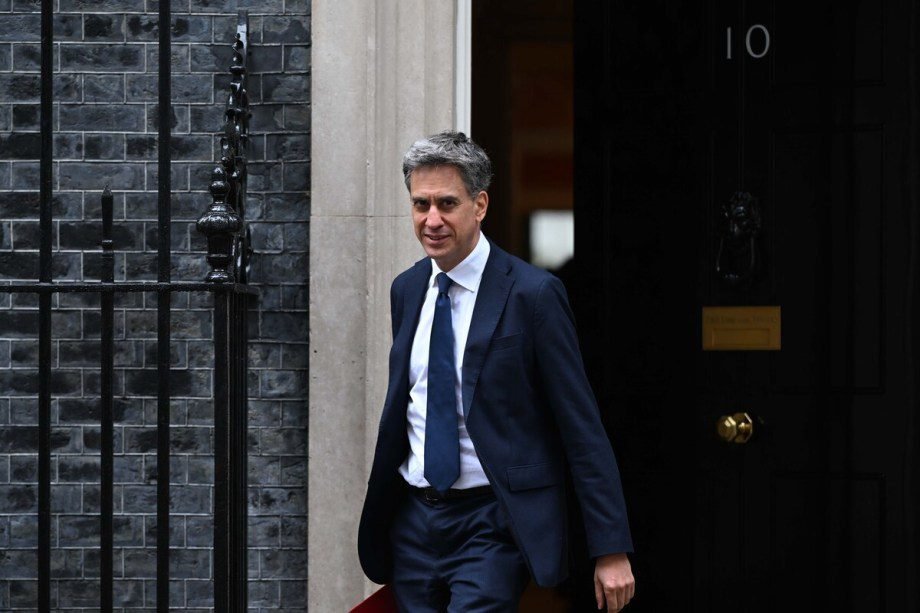
Miliband announced a package of measures on 8 September targeting Israel’s illegal occupation and settlement activity. The measures included plans to prohibit trade with illegal settlements and refuse applications for arms and other exports that materially contribute to the occupation of Palestinian territory.
However, responding to a parliamentary question from independent MP Iqbal Mohamed, the Department for Business, Innovation, Science and Trade confirmed that no further licences had been suspended or revoked since the announcement.
The department said this was largely because licences covering equipment that could contribute to the occupation had already been suspended over Israel’s conduct in Gaza. It added that existing licences remain under review and could be withdrawn if they are found to contribute materially to the occupation.
The disclosure has raised questions about the practical effect of Miliband’s restrictions. Ministers had claimed the measures went much further than the action taken by former Prime Minister Keir Starmer’s government in 2024, when it suspended 30 of the roughly 350 arms export licences for Israel that were active at the time.
Declassified UK said the latest measures had made no immediate material difference to the flow of military goods between Britain and Israel.
READ: UK sanctions on illegal settlements mark diplomatic setback, major failure for Netanyahu: Israeli report
British-made components for F-35 fighter aircraft continue to enter a global spare-parts pool accessible to Israel. The government has maintained an exemption for the multinational F-35 programme, despite the aircraft’s use in Israeli attacks on Gaza.
Parts for Israel’s M-346 military training aircraft also remain eligible for export. The government says such components are not used in Gaza and do not materially support the illegal occupation. However, the Foreign Office has previously acknowledged that the aircraft train Israeli pilots and help develop the air force’s offensive capabilities.
Martin Butcher, Oxfam’s policy adviser on arms and conflict, said the government’s stated intention to end British military support for the occupation was being undermined by an excessively narrow interpretation of its international legal obligations. He called for all British exports of F-35 and military training aircraft components to Israel to end.
Dearbhla Minogue of the Global Legal Action Network, which challenged the government over arms exports to Israel, said the measures appeared to impose no concrete consequences despite Britain’s recognition of the likelihood of war crimes and ethnic cleansing.
The mother of a British aid worker killed by Israel in Gaza has called on the government to halt all arms sales and sever military ties with Tel Aviv. Legal experts and campaigners have repeatedly warned that the F-35 exemption may conflict with Britain’s obligations under the Genocide Convention.
Emily Apple of Campaign Against Arms Trade described the “double lock” as a political soundbite that had failed to produce meaningful change. Campaigners are calling for a comprehensive two-way arms embargo covering direct exports, the F-35 supply chain, military imports and government contracts with Israeli weapons companies.
READ: British banks urged to avoid financing Israeli settlements ahead of UK trade ban