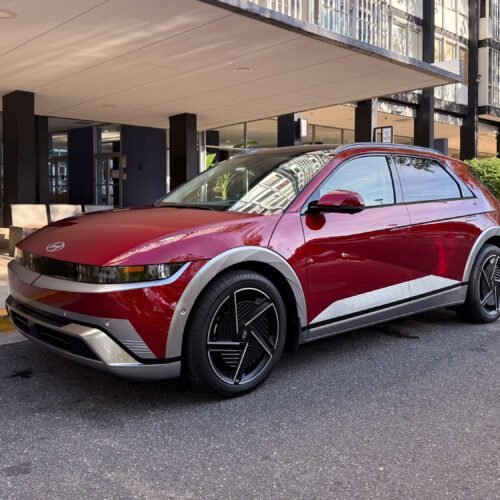
When we first drove the Hyundai Ioniq 5 at the end of 2021, it didn’t take much exposure to the angular electric vehicle to find much about it appealing. Back then, an 800 V architecture had only really been seen in expensive high-end EVs from Porsche, but here was a mainstream model with that same technology—and even faster fast-charging, taking just 18 minutes to go from 10–80 percent. The retro looks didn’t hurt either, channeling the boxy hatches styled by Giorgetto Giugiaro in the 1970s and ’80s. But five years is a long time in the car world, and the compact electric crossover segment is far more competitive than it was when the Ioniq 5 debuted. We figured it was worth spending some more time with one to see how it still stacks up.
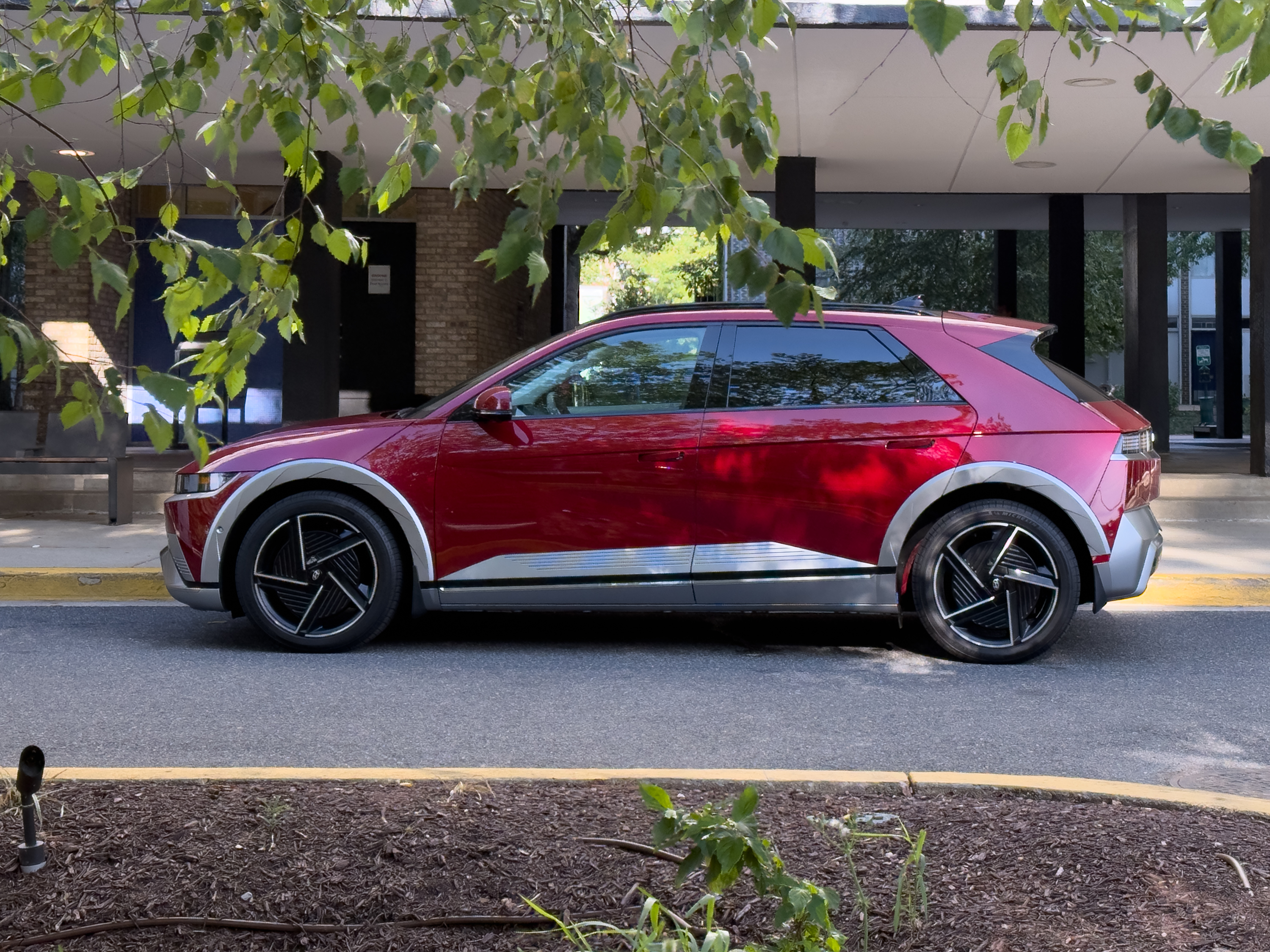
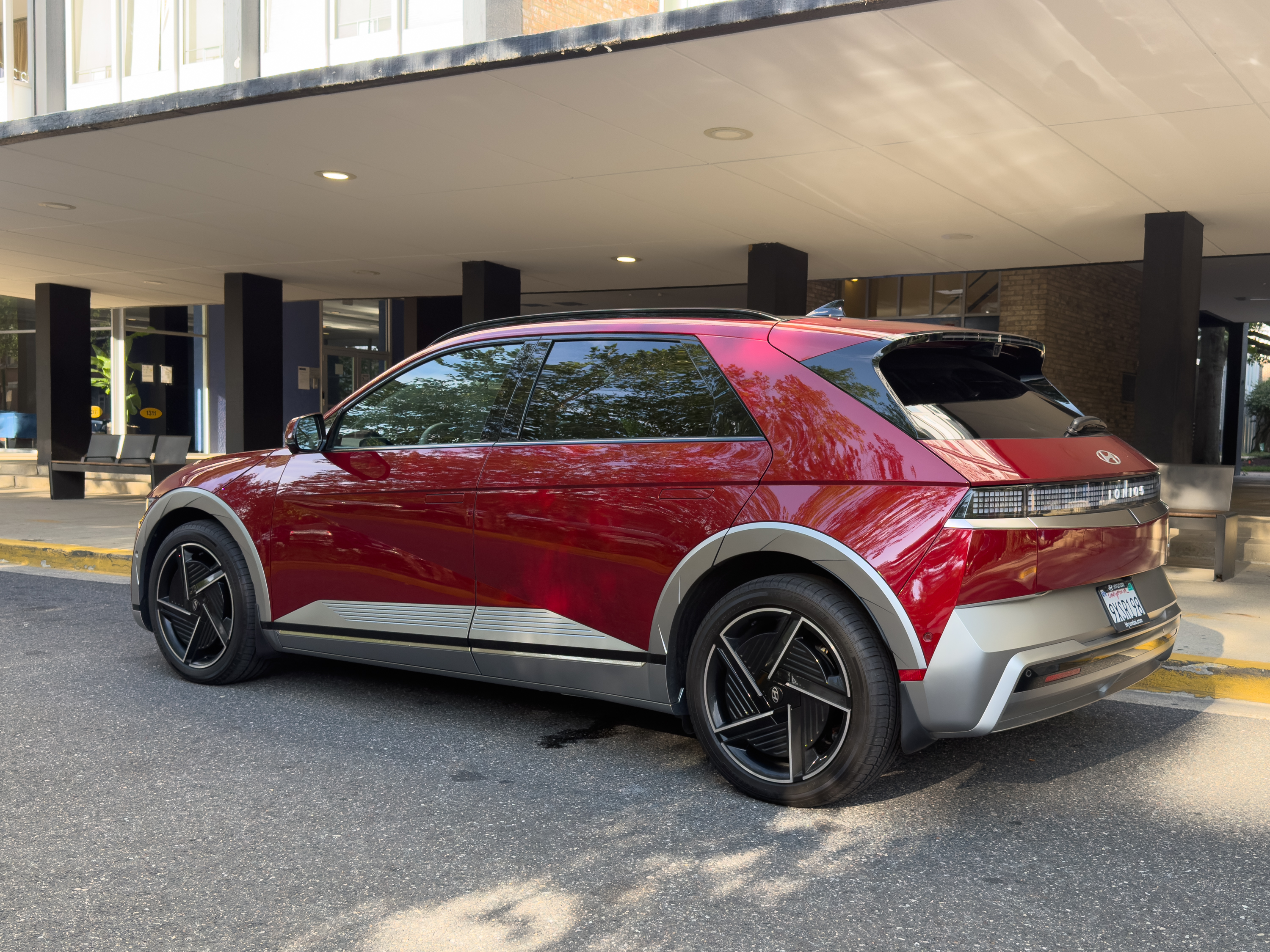
Although the Ioniq 5 range starts at $35,000 for the standard range model, our test car was a 2026 Ioniq 5 AWD Limited, which has an 84 kWh battery pack—part of the lifecycle refresh in early 2025 that also swapped in a NACS (J3400) charge port in place of the CCS1 port you’d find on earlier cars. Among the other additions that arrived as part of the 2025 refresh was a rear windshield wiper, which was sorely needed at launch.
This range-topping trim starts at $45,075, with an extra $3,900 for the addition of the front electric motor that gives the AWD version a combined output of 320 hp (239 kW) and 446 lb-ft (605 Nm). The added traction of AWD (when you have grip) is desired by many, but you do trade something for it: efficiency. The AWD version has an EPA range of 269 miles (432 km) versus 318 miles (512 km) for the rear-wheel drive variant.
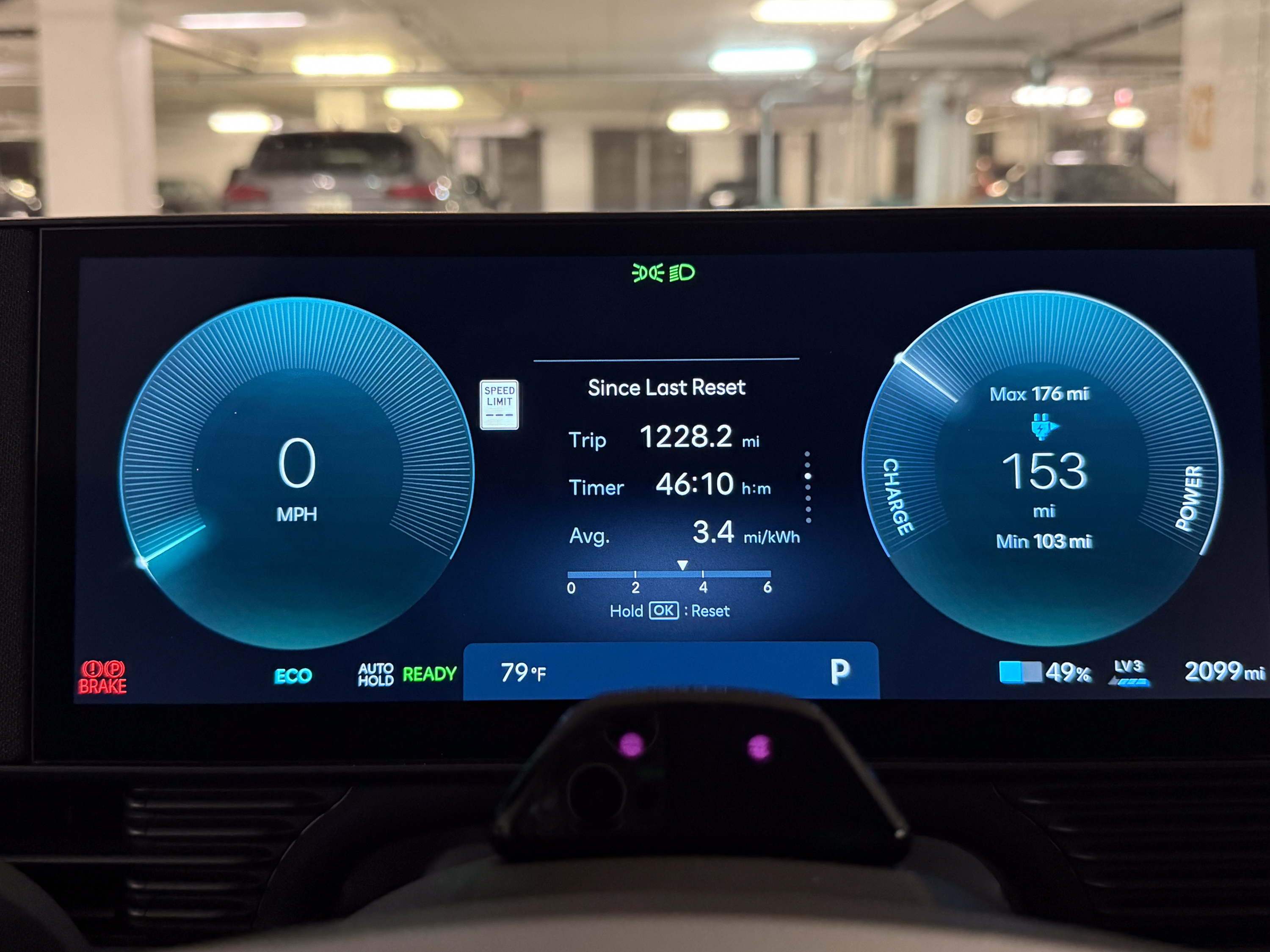
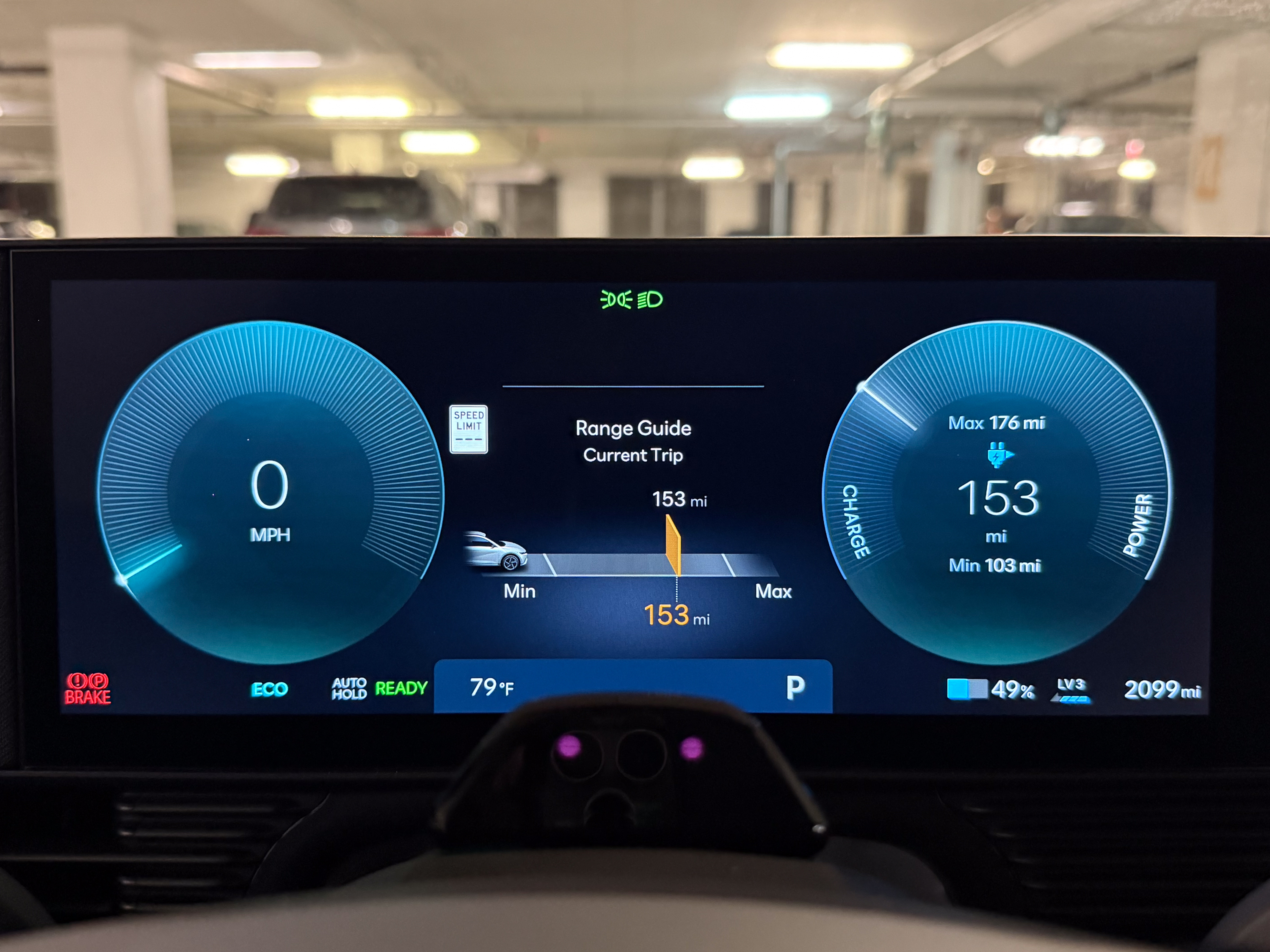
Single-motor Ioniq 5s should easily be capable of 4 miles/kWh (15.5 kWh/100 km) or more. But with both axles powered, even in Eco mode, you can expect closer to 3.4 miles/kWh (18.3 kWh/100 km). Having 49 miles (79 km) more range would, of course, mean a little longer behind the wheel between charging stops, should one happen to be on a road trip or dependent upon public fast-chargers, but even with a larger pack, the 2026 Ioniq 5 still fast-charges plenty fast. The native NACS port means the Ioniq 5 can charge at Tesla Superchargers as well as other networks, like IONNA and Electrify America.
In practice, the ubiquity of Tesla’s charging locations is offset by the fact that most of those Superchargers are the older V3 units. These feature shorter cables that can be a pain to use with non-Tesla EVs, but also top out at just 250 kW, meaning longer charge times than the 20 minutes from 10–80 percent that you might expect if you used a 350 kW charger from EA or one of IONNA’s 400 kW units—peak draw from an 800 V charger like these should be in the region of 265 kW. But fast-charging should probably be a small percentage of most EV drivers’ charging sessions, at least for those who can reliably plug in either at home or work, particularly given the cost of most DC fast-charging networks. A 240 V level 2 AC charger should take 7 hours and 20 minutes to charge from 10–100 percent.
Yeah, or meh?
One of the Limited’s features that I rather like is the blind spot view monitor. This makes use of the cameras that are embedded in the corner of each wing mirror to show you a view of the relevant blind spot when you use a turn signal. While it’s not a necessity, it does make checking for traffic on protected bike lanes and the like a lot easier.
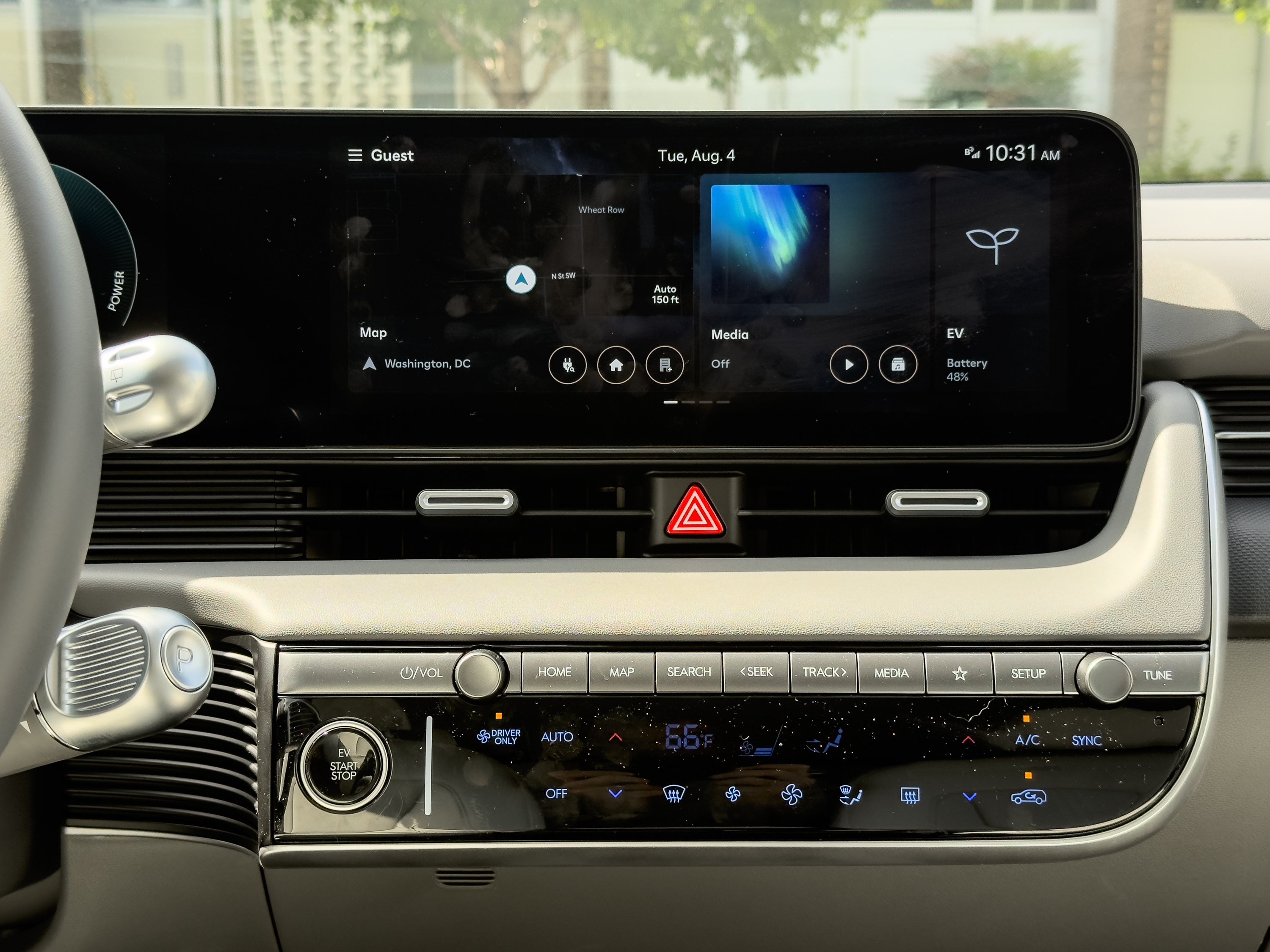
On the other hand, I am definitely going on record as not liking the Ioniq 5’s climate controls. These are set in a touch-sensitive panel below the air vents (and a row of real buttons for other controls) with weak backlighting that can be hard to see in bright sunlight. The fact that the panel is touch sensitive also means it’s hard to develop muscle memory, and finally you can see from the photograph just how much dust it attracts.
But the Ioniq 5’s biggest problem is the potential specter of an Integrated Charging Controller Unit failure. The ICCU is what allows the Ioniq 5’s 800 V traction battery to charge the 12 V accessories battery. But if the metal-oxide semiconductor field-effect transistor inside the ICCU is subjected to an overvoltage at the start and end of the battery charging cycle, or gets too hot during charging or driving, it can fail. And in some cases, that has resulted in cars rolling to a stop on the highway.
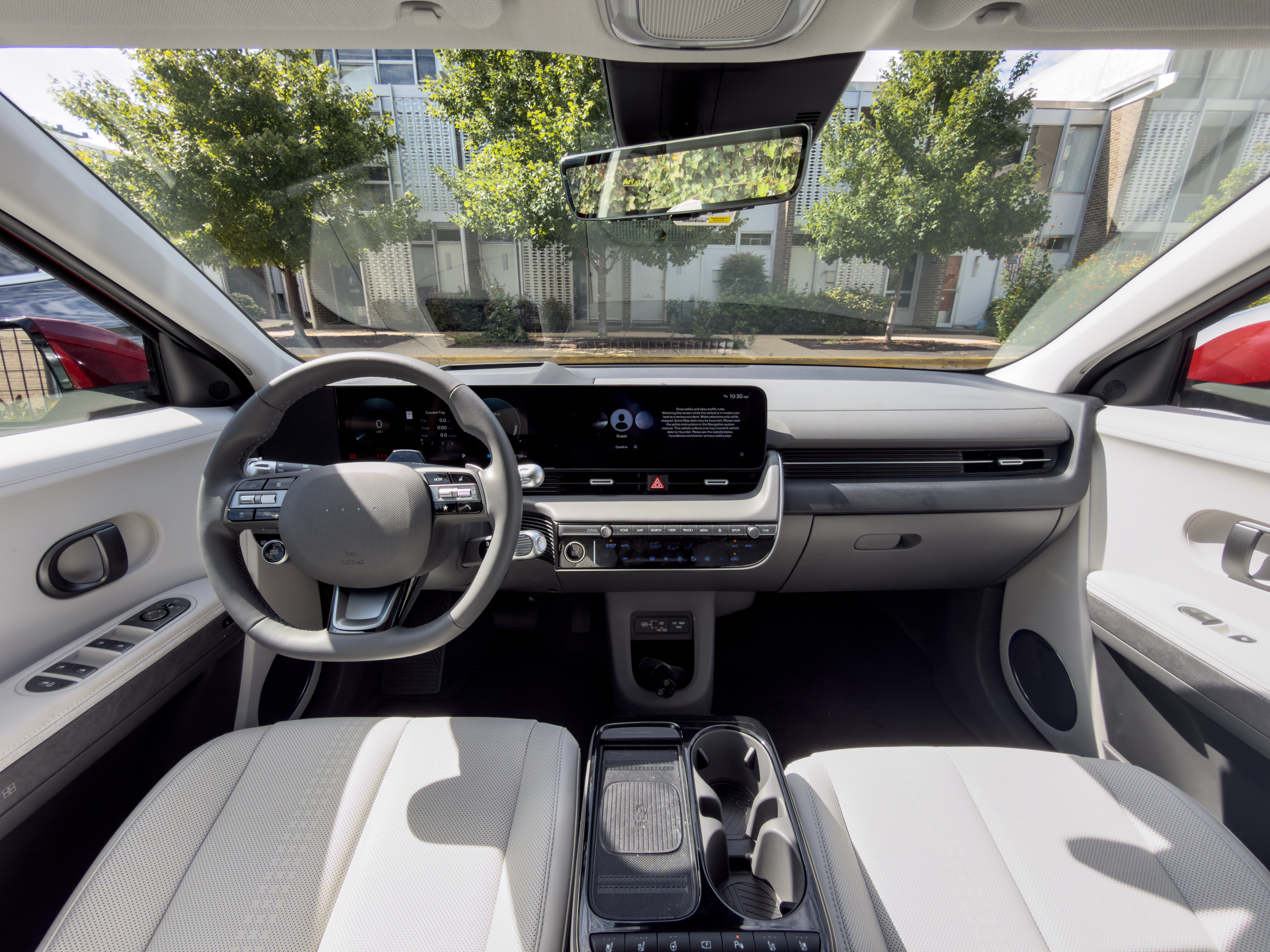
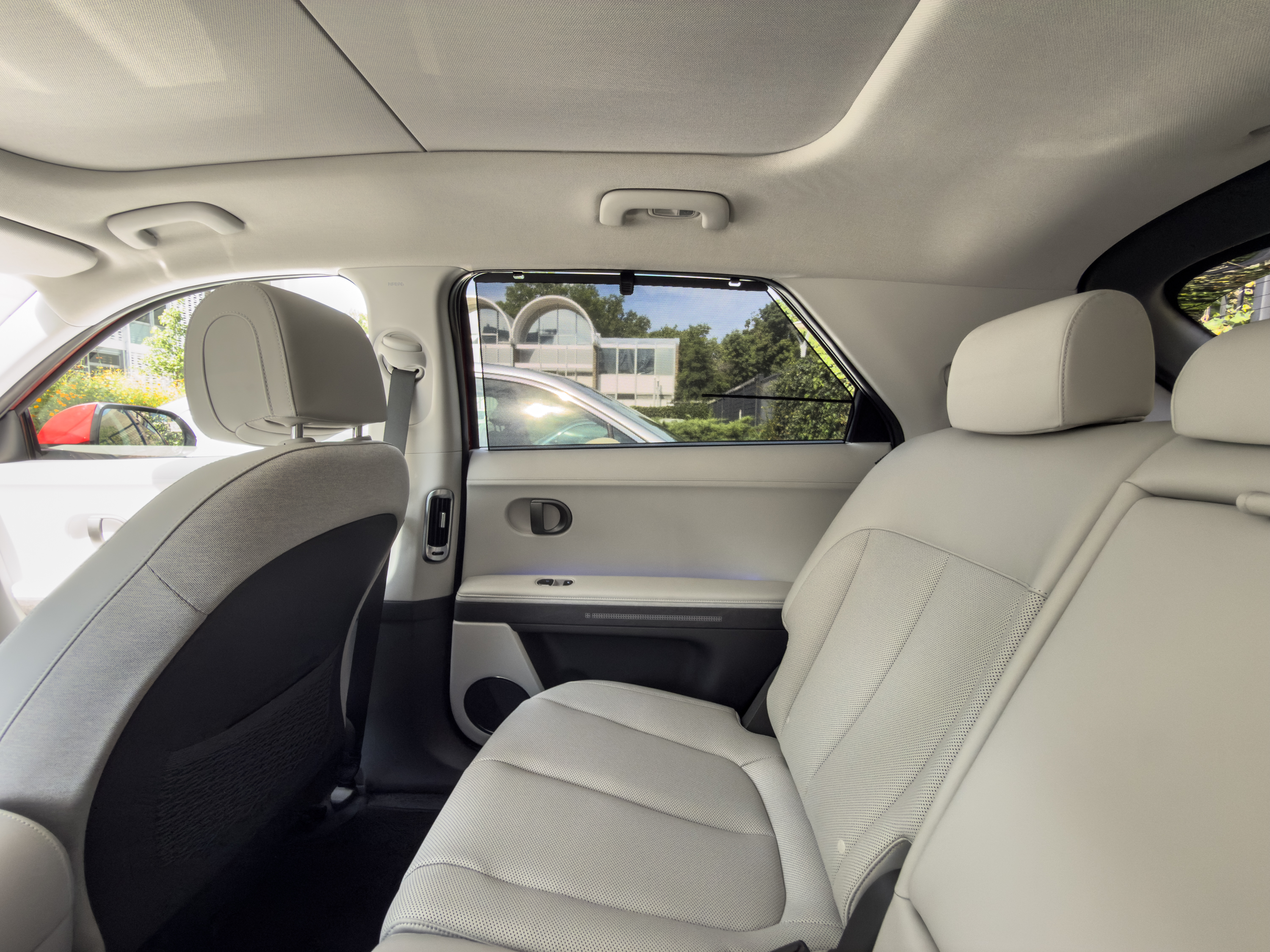
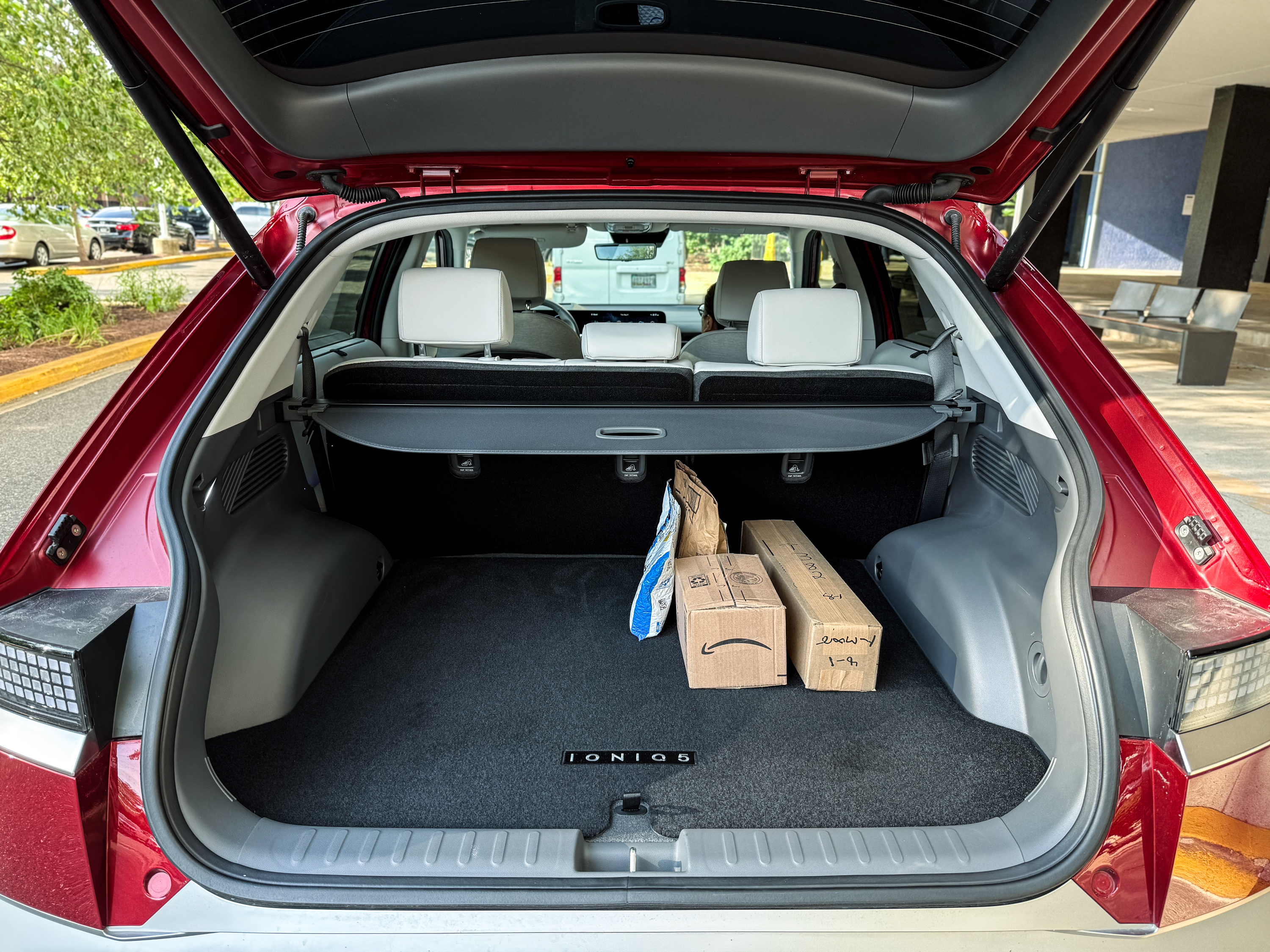
Hyundai issued a recall in December 2024, and at the time said that 1 percent of vehicles were likely affected. But Consumer Reports says its survey data shows the incidence is between 2–10 percent for EVs that use the E-GMP platform, including the Ioniq 5. While an ICCU failure would undoubtedly be very annoying, we should note that Hyundai USA recently increased the warranty on the ICCU to 15 years or 180,000 miles, meaning any affected car will be covered for most of its lifespan. Anecdotally, none of the Ioniq 5 (or related E-GMP EV) owners I know have suffered an ICCU failure, but since that’s only eight individuals, it’s still too small a sample size should the problem only occur in 2 percent of cars.
Which version?
There is also the rugged XRT to consider: This is the most expensive Ioniq 5 variant (other than the bonkers 5 N), at $46,275, and features lifted suspension and beefy bodywork that’s meant to protect it off-road. You give up another 10 miles (16 km) of range compared to the AWD Limited, which will preclude the more rational car buyer from considering the XRT, but the all-black interior is hard-wearing. And while the softer suspension might have been optimized for driving on dirt roads, it also copes most ably with potholes and road construction. Plus the protective cladding works as well in the Costco parking lot as it does when there are rocks around.
But were I buying my own Ioniq 5, I’d probably stick with RWD and benefit from the extra range, and then rely on winter tires when it gets cold and icy. I’m not sure I’d splurge for the Limited trim versus the $39,800 SEL either, even though I do like that blind spot camera and the better headlights. I’m not much for panoramic glass roofs, which is another feature that comes with the Limited. Beyond that, most of the equipment you find in the Limited is standard in the SEL, too.