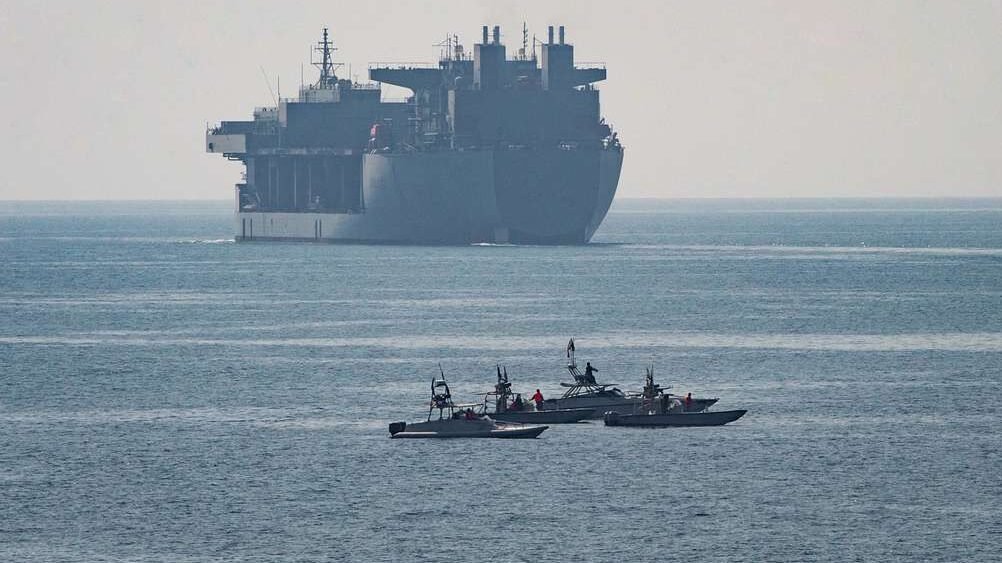
Oman has put forward a proposal that would replace Iran’s sole control of the Strait of Hormuz with a joint regional mechanism, opening negotiations over one of the world’s most strategically important shipping lanes, Reuters reported, citing a Gulf source.
At the heart of the proposal is a shared framework for managing the Strait, which carries 20% of the world’s oil and gas. Rather than leaving oversight solely in Iran’s hands, the plan would establish a regional system responsible for maritime security, search-and-rescue operations and other functions needed to keep the waterway operating.
The proposal also introduces a voluntary transit fee modeled on the Strait of Malacca, where shipping companies contribute to navigation, environmental protection and emergency response without mandatory tolls.
For now, the talks are limited in scope. The Wall Street Journal reported that negotiators are concentrating on shipping arrangements rather than trying to resolve the broader conflict. Mediators hope a temporary understanding over maritime operations could create momentum for wider negotiations later.
That goal remains elusive. According to the Wall Street Journal, Iran and Oman continue to disagree on several aspects of the proposal, including whether ships passing through the Strait should contribute transit fees. Mediators and one US official told the newspaper that no agreement has been reached on that issue.
The diplomatic effort accelerated Friday, when Oman reportedly sent a delegation to Tehran. The visit took place the same night President Donald Trump ordered a halt to US attacks on Iran after nearly two weeks of nightly strikes targeting Iranian military capabilities.
While significant differences remain, the negotiations represent an effort to reshape how the Strait of Hormuz is managed, replacing unilateral control with a regional arrangement that supporters believe could improve maritime security while creating an opening for broader diplomatic engagement.