The war between Iran, the US and Israel has escalated into a major global crisis, with consequences that are reaching far beyond the Middle East. The closure of the Strait of Hormuz, through which around 25% of the world’s oil ordinarily passes, has rattled global energy markets.
This has only been worsened by the US naval blockade of Iranian ports, which was imposed on April 13 in an attempt to restrict Iran’s ability to export its oil. In early May, the US Defense Department estimated that Iran had been denied nearly US$5 billion (£3.7 billion) in oil revenue due to the blockade.
But Iran’s role in the global economy is not merely centred on oil, as the conflict has shown. From methanol to pistachios and cement, the war is choking trade in a range of Iranian exports that underpin supply chains across Asia and the Middle East.
Methanol
Methanol is one of the war’s most consequential commodity stories. It is used in a variety of industrial and household products, including windshield cleaning fluids, antifreeze, plywood, plastic and fuel. Iran produces roughly 10 million tonnes of methanol a year, manufactured from its vast natural gas reserves, making it the world’s second-largest supplier after China.
But since hostilities began in February, Iranian methanol exports have effectively ceased. Strikes on Iran’s gas infrastructure have cut off both the feedstock and energy needed to run the country’s methanol plants. Combined with the closure of Hormuz and suspension of operations at Qatar’s Ras Laffan and Mesaieed natural gas complexes, over 30% of global seaborne methanol supply has been removed from the market.
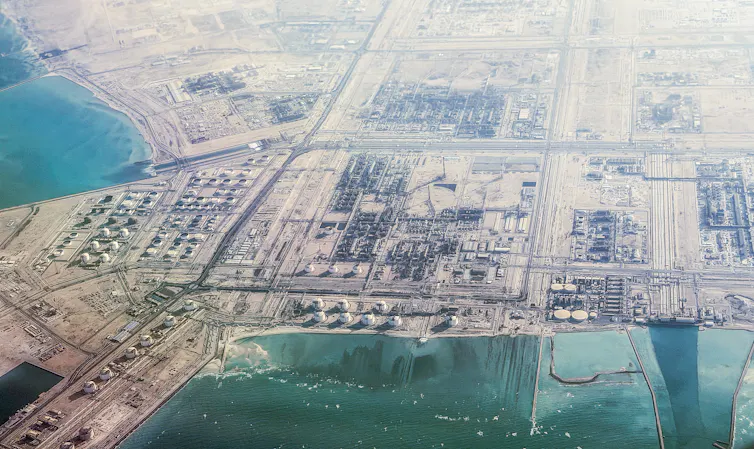
China is being affected by the disruption most severely. It imported around 14 million tonnes of methanol in 2025, with much of it entering the country through coastal ports. For China, importing methanol has historically been more cost effective than hauling domestic production overland from its remote western regions to demand centres in the east.
Domestic producers have lifted output to offset part of the shortfall. But this alternative supply comes at a substantial cost for eastern industrial users, who are now paying up to 500 yuan (£55) per tonne more for methanol produced domestically than methanol sourced from overseas.
Pistachios
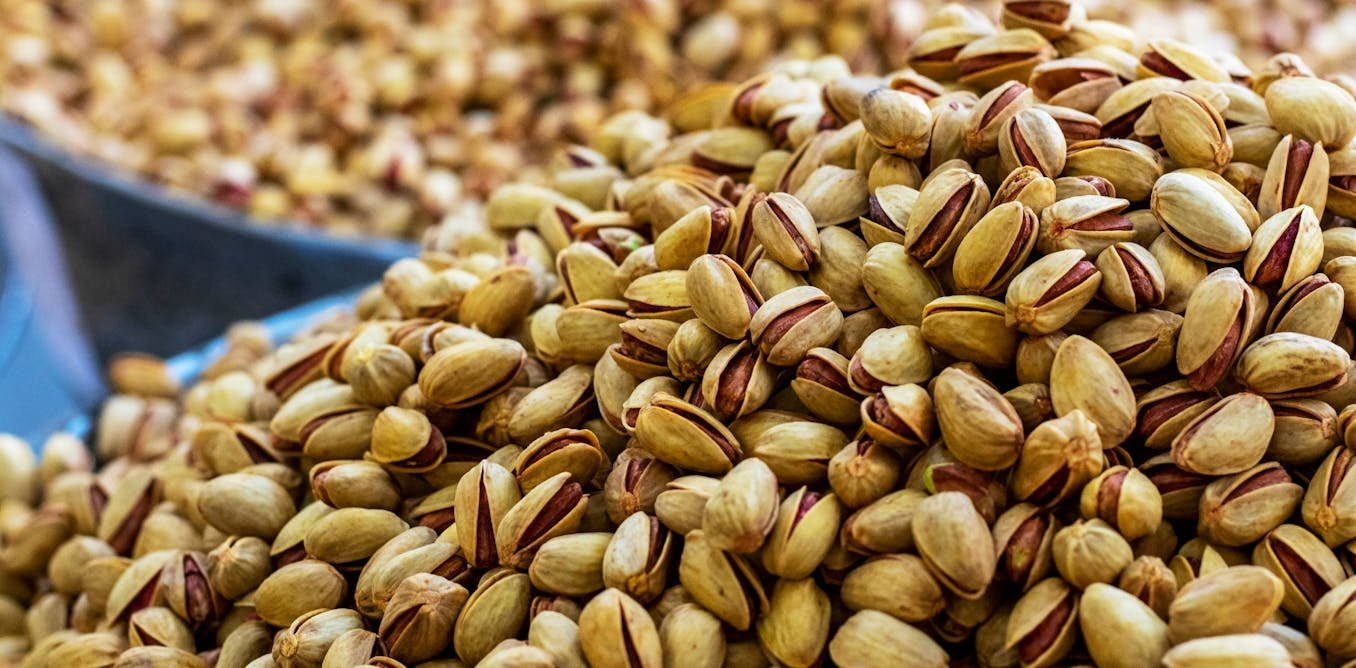
Iran is the second-largest producer of pistachio nuts globally, sandwiched between the US in first and Turkey in third. Pistachio prices reached US$4.57 (£6.10) a pound in March, their highest level since 2018.
Iran’s pistachio orchards are concentrated in the north-eastern province of Khorasan, where US and Israeli strikes have been less intense than in the west and south. But key ports near the Strait of Hormuz have been severely disrupted, with reports suggesting that Iranian pistachio exports have fallen by around 30% on the year.
The war has added pressure to a market that was already under strain. Harvests among the three major producers fell short of expectations in 2025 due to drought. Iranian exports were further constrained from January 2026, when the government in Tehran responded to internal unrest by shutting down the internet. This limited contact between exporters and foreign buyers.
The clearest beneficiary of constrained Iranian supply is the US. A 40-year-old US tariff on Iranian in-shell pistachios, introduced after the 1979 revolution, gradually helped California’s domestic industry develop into a global leader. The vast majority of the pistachios consumed in the US are now grown there.
The impact is instead falling on south Asian retailers in places like Kashmir and on the Gulf-driven “Dubai chocolate” boom, which relies heavily on Iranian kernels for the pistachio cream filling. In the six months to March 2025 alone, Iranian pistachio exports to the United Arab Emirates (UAE) rose by 40% compared with the previous year as confectioners scrambled to meet rising consumer demand for Dubai chocolate.
Cement
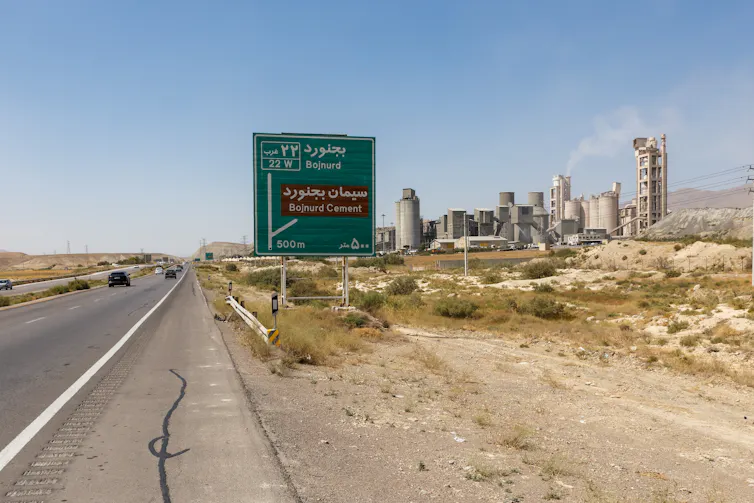
Iran also ranks as one of the world’s largest cement producers. Its annual output of 70 million tonnes is largely exported to neighbouring countries. Iraq has historically been the main buyer of Iranian cement. Next in line are Kuwait, Afghanistan and Syria.
Iranian cement output was already constrained before the conflict by domestic gas shortages and electricity rationing. Exports of clinker, the main constituent of cement, were down 17% in 2024 compared with the previous year. During the 2024 summer power crisis, 70% of cement kilns also halted operations.
Reliable wartime figures are not yet available, but the strikes on Iran’s gas infrastructure have worsened the feedstock problem. Temporary suspensions of port operations, as happened in the southern Iraqi city of Basra in March following attacks on two tankers off the coast, have further hampered Iran’s ability to export cement.
Meanwhile, Iraq and Kuwait face a double bind. As Iranian cement supplies tighten, both countries are losing the means to compensate. Iraq ships 97% of its energy exports through the Strait of Hormuz and Kuwait 100%. Both have shut down production.
The collapse in state revenue is straining infrastructure budgets in these countries. So even where alternative supply exists – from Turkey, Pakistan, Saudi Arabia and the UAE – Iraq and Kuwait lack the fiscal capacity to absorb the higher costs.
For years, much analysis of Iran has focused on the country’s isolation. But, in reality, Iran is involved in supply chains all over the world – from food to chemicals and building materials. The war has made this abundantly clear.