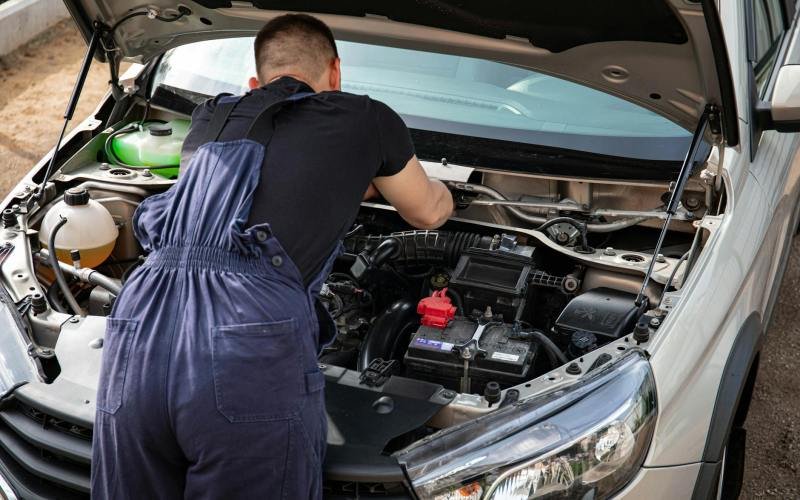
EU lawmakers have backed plans to broaden where and how vehicles are tested for roadworthiness across the bloc, while pushing back against proposals to increase the frequency of mandatory inspections.
Transport and Tourism Committee MEPs adopted their negotiating position on revisions to EU rules governing periodic technical checks and roadside inspections on Tuesday, by 30 votes to 11 with two abstentions.
At the centre of the draft is a push to make life easier for drivers moving across borders, while tightening certain safety and emissions controls.
MEPs agreed that vehicle owners should be able to carry out inspections in any EU country, not just where a car is registered. That would result in a temporary EU-wide roadworthiness certificate valid for six months, with the next full inspection still required in the country of registration. Lawmakers also want this flexibility extended to vans.
However, MEPs rejected the European Commission’s proposal to require annual inspections for cars and vans over ten years old, arguing there was insufficient evidence that shorter intervals would improve road safety. They stressed that member states already retain the option to impose stricter national rules if needed.
On safety standards, lawmakers backed updating inspection requirements to include modern driver assistance systems such as automatic braking and airbags, alongside new checks for electric and hybrid vehicle components.
They also supported voluntary inclusion of emissions testing for pollutants such as nitrogen oxides and particle numbers, leaving implementation decisions to national authorities.
To tackle fraud in the second-hand market, MEPs endorsed stronger rules on odometer recording, including obligations for garages to log mileage during repairs and for manufacturers to store data from connected vehicles in national databases, with exemptions for shorter repair jobs.
The draft also moves to make periodic inspections mandatory for all heavy motorcycles and extend checks to electrically powered models.
On enforcement, MEPs propose shifting roadside inspection targets from EU-level quotas to national responsibility, while expanding checks to vans and introducing broader emissions and noise screening for all vehicle types, including cars and trucks. Vehicles flagged as high emitters could be subject to further mandatory inspections.
The Parliament will now enter negotiations with member states on the final legislation.