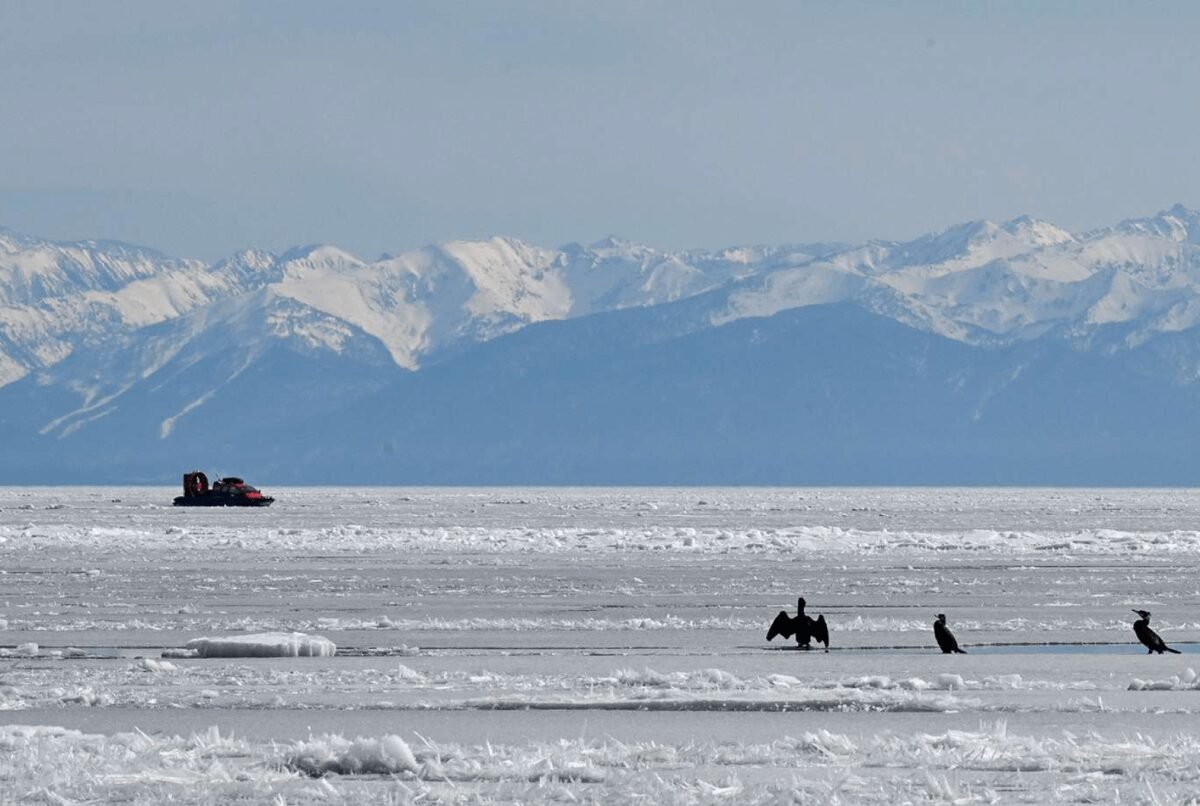
Five tourists are dead after a terrifying hovercraft disaster on one of the world’s most dangerous lakes sent passengers plunging into freezing water in Siberia.
Authorities say the overloaded tourist vessel flipped just feet from shore on Lake Baikal — the world’s deepest lake — triggering a frantic rescue operation that pulled survivors, including a child, from the icy water.
The horror unfolded Tuesday, May 19, when the Sever-750 hovercraft carrying 18 people suddenly capsized about 100 feet offshore, according to Russian emergency officials.
Rescue crews rushed to the scene and recovered five bodies while managing to save 13 others. One injured woman was hospitalized with a leg injury after surviving the freezing conditions.
Russia’s Ministry of Emergency Situations confirmed the deadly toll in a statement, saying: “According to updated information, there were 18 people on board the hovercraft. Thirteen people, including a child, were rescued. Unfortunately, five people died.”
Most of the tourists were reportedly from Moscow and were taking part in an organized sightseeing trip across the massive Siberian lake. A 14-year-old boy was also among the passengers caught in the nightmare.
Early reports suggest the captain drove the hovercraft onto the ice before jumping into the freezing water — a move investigators believe may have triggered the vessel to overturn.
Even more alarming, officials say the hovercraft was carrying far more passengers than it was designed to handle.
The Sever-750 reportedly has a maximum capacity of just 10 people, but investigators say 18 passengers and heavy equipment were packed onboard when the disaster struck.
Experts are now raising serious concerns about whether the vessel should have ever been operating on Lake Baikal in the first place.
Tour guide Natalya, who reportedly owns the hovercraft, warned the boat model is notoriously unstable in rough water conditions.
“These models are very unstable and often capsize on water,” she reportedly said. “They can operate on rivers, but Lake Baikal is basically like a sea.”
She explained the hovercraft can only safely handle waves up to 1.2 meters high, while Lake Baikal is known for violent winds and dangerous swells that can quickly turn deadly.
“In weather like this, the boat could easily capsize,” she warned.
Russian investigators and transport prosecutors have launched a formal investigation into the disaster as questions grow over safety violations, overcrowding, and whether the doomed tour should have been allowed to leave shore at all.