Home Blog

Princess Diana’s Shocking Actions During Explosive Honeymoon Fight Revealed

0
princess-diana’s-shocking-actions-during-explosive-honeymoon-fight-revealed
Princess Diana’s Shocking Actions During Explosive Honeymoon Fight Revealed


Princess Diana and King Charles’ fairy-tale marriage was reportedly falling apart before their honeymoon was even over, with one furious argument allegedly ending in the destruction of the future king’s beloved artwork.

What was supposed to be a romantic escape aboard the luxurious Royal Yacht Britannia reportedly became a battleground of jealousy, bitter disagreements and growing resentment as the newlyweds discovered just how little they had in common.

The trouble began shortly after their spectacular July 29, 1981, wedding, when Diana, just 20, and Charles, 32, embarked on a 12-day Mediterranean cruise.

While millions had watched the couple exchange vows, the private reality of their marriage was apparently far less romantic.

According to royal biographer Penny Junor, Charles packed watercolor paints, canvases and books by one of his favorite writers, Laurens van der Post, hoping to enjoy some of his usual hobbies while spending time with his new wife.

But Diana reportedly had other expectations. After months of intense public attention surrounding their wedding, she wanted affection, conversation and her husband’s undivided attention.

Instead, she allegedly found herself competing with his books and painting supplies.

In her 2017 biography The Duchess: The Untold Story, Junor described how Charles’ preference for quiet activities sparked repeated arguments between the couple.

One confrontation reportedly went much further than angry words.

Junor claimed Charles had been painting on the yacht’s veranda deck when he stepped away for approximately 30 minutes. When he returned, he allegedly discovered that Diana had destroyed his painting and art supplies.

“He came back to find she’d destroyed his painting and all his materials,” Junor wrote.

The startling allegation offered a glimpse into the growing frustrations that would eventually consume one of the world’s most famous marriages.

But Charles’ hobbies were far from the only source of tension. Diana later revealed that another woman was already casting a shadow over their honeymoon.

That woman was Camilla Parker Bowles, Charles’ former girlfriend and the woman who would eventually become his second wife.

Speaking in recordings provided to biographer Andrew Morton, Diana recalled discovering that Charles had brought photographs of Camilla on their honeymoon.

She also described a particularly painful confrontation after noticing that her new husband was wearing gold cufflinks featuring two intertwined letters C.

Diana believed the initials represented Charles and Camilla, and she immediately confronted him about the jewelry.

Charles reportedly acknowledged that Camilla had given him the cufflinks but insisted they were simply a gift from a friend.

“And boy, did we have a row,” Diana recalled.

The princess admitted feeling overwhelming jealousy and later described how thoughts of Camilla continued to trouble her throughout the trip.

Yet one of the most surprising details about the troubled honeymoon is that Diana initially gave a completely different account of the getaway.

In an August 1981 letter to Maud Pendrey, a former housekeeper for the Spencer family, Diana described the honeymoon as a “tremendous success” and said she and Charles had enjoyed a “glorious time” recovering from the exhausting wedding celebrations.

The cheerful letter stands in striking contrast to the painful memories Diana would share years later, although it remains unclear why she chose to portray the trip so positively at the time.

As their marriage deteriorated, the couple’s personal struggles increasingly became international headlines.

Charles and Diana announced their separation in December 1992, and their divorce was finalized in August 1996. Diana died in a Paris car crash the following year at age 36, prompting an extraordinary outpouring of grief around the world.

Charles eventually married Camilla in April 2005, nearly 24 years after the honeymoon that Diana remembered so painfully.

Decades later, the allegations surrounding that ill-fated Mediterranean getaway remain a remarkable reminder of how quickly the royal romance celebrated by millions reportedly descended into private turmoil.

After Fighting in Gaza and Battling PTSD, Shahar Varon Seeks a Voice In Israel’s Mental Health Future 

0
after-fighting-in-gaza-and-battling-ptsd,-shahar-varon-seeks-a-voice-in-israel’s-mental-health-future 
After Fighting in Gaza and Battling PTSD, Shahar Varon Seeks a Voice In Israel’s Mental Health Future 


Varon said any future government, regardless of who serves as prime minister, must pass a mental health law that establishes a dedicated, structured budget for mental healthcare 

Soldiers and others suffering from post-traumatic stress disorder (PTSD) as a result of the Iron Swords war must have a seat at the table when mental health policies are developed if Israel wants its next generation to recover and thrive, according to Shahar Varon, a Knesset candidate running with former Prime Minister Naftali Bennett’s B’Yachad party. 

In a phone interview with The Media Line, Varon, 30, who is spearheading the party’s mental health program, spoke candidly about the need for younger representation across the political spectrum, particularly from people who have firsthand experience fighting for their country since October 7, 2023, and understand what it means to recover physically and psychologically. 

An Israel Defense Forces (IDF) major (res.) and former commander in the elite Maglan Unit, Varon was critically wounded in Gaza but returned to fight after recovering. With his dark hair and pleasant smile, he comes across as approachable and optimistic, despite the difficult experiences he has endured. 

I absolutely believe that parties with representation from the younger generation, especially wounded soldiers, have an important role to play.

“I absolutely believe that parties with representation from the younger generation, especially wounded soldiers, have an important role to play,” Varon said. 

He cited, for example, IDF Capt. Israel Ben-Shitrit, who was seriously injured while fighting in Khan Yunis and is now running on the Yisrael Beitenu ticket under MK Avigdor Liberman. Varon and Ben-Shitrit are working closely together on what a national mental health plan could look like. 

“When it comes to these issues, we do not care that we belong to different political parties,” Varon explained. “We meet, we talk, and we share our plans. We understand that this is not a partisan issue. In the next government, all the parties will need to join forces to advance these programs.” 

According to the State Comptroller, as many as 3 million Israelis suffer from depression, anxiety, or symptoms of PTSD. A study released for the third anniversary of the October 7 massacre by Clalit Health Services and the Myers-JDC-Brookdale Institute found that one in five adults in Israel reports severe impairment in daily functioning. 

Varon said that beyond the fundamental Jewish value of caring for those sent into battle, there is also an economic reality that Israel cannot afford to ignore. 

“We simply will not be able to afford the consequences if we fail to treat these people,” he said. “We are talking about costs that could reach billions of shekels.” 

According to a report released last year by NATAL, a nongovernmental organization specializing in psychological trauma, the trauma experienced on and since October 7 is harming Israel’s labor market, healthcare and education systems, as well as the public sphere, generating cumulative economic damage. The report estimated that the Iron Swords war could cost Israel NIS 500 billion in direct and indirect psychological trauma-related expenses over five years. 

Varon said that nearly every political party has someone addressing mental health, but some have fewer young people involved. He believes that this lack of representation affects how policies are developed and ultimately implemented. 

“I see an enormous difference when we participate in panels with social workers, psychologists, and the Israeli trauma organizations from when someone comes directly from the field, someone who has seen these things and experienced them personally over the past year or two, that person understands the issues on a much deeper level,” Varon maintained. “They see the reality from the ground up. They are not focused only on budgets, salary agreements or how the system looks on paper. They understand what treatment actually means. I believe that firsthand experience gives us a very clear advantage.” 

Varon is not the only young candidate in B’Yachad. He is joined by Yonatan Shalev, 23, Bennett’s youngest recruit, and Amir Strugo, another IDF reservist. 

“We are seeing a new spirit, a younger generation coming directly from the field. These people reflect the reality that the younger generation in Israel is experiencing today,” Varon told The Media Line. 

For Varon, the mental health crisis is deeply personal. 

He acknowledged that he suffers from PTSD as a result of the war. He underwent individual therapy, and he and his wife also attended couples therapy to overcome the difficulties they experienced following his military service. 

Those experiences ultimately led him to develop a comprehensive rehabilitation program for people wounded both physically and psychologically, and eventually to join Bennett’s party. 

Initially, Varon focused on the IDF and security services. Together with his colleagues, he developed a plan to provide more comprehensive support for wounded soldiers who had given so much to their country, rather than simply sending them before a committee to determine their disability percentage. 

We should not look at the wounded soldier only as an injured individual. We need to look at the entire family unit

“We want to look at them and their families,” Varon said. “That is the central change. We should not look at the wounded soldier only as an injured individual. We need to look at the entire family unit. And we need to bring these people back into the workforce. Ultimately, I am not interested in whether someone is officially defined as wounded or not. What interests me is whether that person can return to being active, working, earning a living, and contributing productively to the country.” 

The program would allocate state funding to help establish a national rehabilitation authority and provide medical, legal and financial support for wounded soldiers. 

But Varon stressed that the plan must extend far beyond the military. 

According to him, the entire country is suffering from trauma. There are children who spent two weeks in bomb shelters, terrified that an Iranian missile might strike their homes. There are mothers who waited anxiously for their sons, fearing a midnight phone call telling them to come to the hospital. There are wives, husbands and families who have spent years living with uncertainty. 

“We are a country that is genuinely traumatized,” Varon said. 

We are a country that is genuinely traumatized

One part of his plan focuses on reaching people faster by training thousands of Israelis to recognize signs of emotional distress. In schools, that would mean teachers. In universities, professors and lecturers. In workplaces, employees and managers across the private and public sectors. 

“We need to establish a network of resilience representatives who can serve as the first point of contact, identifying people in distress and referring them for appropriate care,” he said. “Sometimes, these representatives will recognize that someone is struggling before the person even realizes it themselves.” 

The next challenge is reducing the time between identifying someone who needs help and actually providing treatment. 

Varon said that the average person in Israel waits six months from the time they request help until they see a psychologist or psychiatrist. Sometimes, the wait is even longer. He therefore wants to increase the number of clinicians available to provide care. 

However, numerous reports have indicated that increasing the number of mental health professionals alone will not solve the crisis. Israel must also embrace new technologies and explore alternative treatment methods to expand access to care. 

The Directorate of Defense Research and Development (DDR&D) at the Defense Ministry has already been working with the Rehabilitation Department to identify and test technologies that could improve mental healthcare. 

“Mental crisis has become a national phenomenon,” according to Dr. Alona Barnea, director of the Neurotechnology Division at the Israel Ministry of Defense’s (IMOD) DDR&D.  

Speaking at the International DefenseTech Summit in December 2025, hosted by the IMOD’s DDR&D and Tel Aviv University, Barnea said that since October 7, 2023, Israel has experienced an “unprecedented scale of mental health casualties … The tools at our disposal are no longer sufficient, which is why we are leading the defense-tech sector into the realm of mental health and cognitive resilience.” 

At the same event, Barnea explained that technologies originally developed for defense, neuroscience, artificial intelligence and brain-computer interfaces are increasingly being adapted to strengthen mental resilience and improve the treatment of psychological trauma. 

“The number of startups in this field has surged beyond expectations. We discovered that mental health is relevant to nearly every company we work with, enabling us to adapt existing technologies into solutions for this domain,” Barnea said.  

“We are rethinking how we treat and prevent post-trauma, aiming to create change at both the individual and national levels … AI and big data will serve as tools for extracting deeper insights from therapeutic processes, identifying new patterns, and enabling therapists to improve treatment quality and reach more people who need it,” she added. 

Earlier this month, the Defense Ministry reported that more than 30,000 wounded soldiers and security personnel had sought treatment since October 7, 2023.

For Varon, whether Israel can afford to invest in mental health ultimately comes down to national priorities. 

“It is a matter of priorities,” he said. 

His decision to enter politics, however, was driven by more than the mental health crisis. It also grew out of the sharp contrast he experienced between the sacrifices demanded of soldiers on the battlefield and the political debates taking place back home. 

When Varon finally left Gaza after more than a year of fighting and continued his recovery, he began paying closer attention to what was happening in Israeli society. For much of the war, he said, he had been “living in the world of the military, a world of mutual responsibility and a willingness to sacrifice.” What he encountered outside that world stunned him. 

According to Varon, “We, the soldiers, were willing to die for our country, while in the Israeli Knesset, they were doing everything possible to pass a law allowing people to evade military service. That enormous gap between what was happening in the military and what was happening in civilian life in Israel at the same time really broke my heart.” 

He said he could not understand how members of the government could consider exempting ultra-Orthodox men from military service in the middle of a war, when so many soldiers were risking their lives. 

Rather than remain on the sidelines, Varon decided to act. In 2024, he co-founded Shoulder to Shoulder, an organization fighting against military draft exemptions. 

He described the issue of ultra-Orthodox draft exemptions as one of “existential importance,” particularly given Israel’s changing demographics. According to the Israel Democracy Institute, Haredi children account for 28% of all elementary school students in the country. 

If we continue granting exemptions and continue doing what has been done in recent years, we will not have a country. Period.

“If we continue granting exemptions and continue doing what has been done in recent years, we will not have a country. Period,” Varon said. 

He told The Media Line that he is willing to face the backlash today if it means his children will benefit from a stronger, more equitable society in the future. 

That same concern for the next generation shapes his approach to mental health. Varon believes Israel must move beyond the emergency response that followed October 7 and begin building a coordinated, long-term system capable of meeting the country’s needs for years to come. 

He said the initial response after October 7 was understandable. Mental health services needed to decentralize, new centers had to open quickly, and resources had to be mobilized to make treatment more accessible. 

But today, three years later, he believes the country requires a more structured approach. 

“We need to stop and conduct a serious assessment,” he said. “We need to coordinate the system and understand the full picture. Only then can we develop a five-year plan for the future.” 

Varon said any future government, regardless of who serves as prime minister, must pass a mental health law that establishes a dedicated, structured budget for mental healthcare. 

For him, the obligation begins with the soldiers Israel sent into battle, but it cannot end there. The country’s ability to recover, rebuild its workforce and secure its future will depend on how seriously it takes the psychological wounds of an entire generation. 

“Whether they return wounded or not. Whether they return as the same people they were before or not. Even if, at first, they become a burden on the Israeli economy, our first moral obligation must be to the people we sent into battle,” Varon concluded. 


Untold Palestine document stories of 1,000 martyrs told by their loved ones

0
untold-palestine-document-stories-of-1,000-martyrs-told-by-their-loved-ones
Untold Palestine document stories of 1,000 martyrs told by their loved ones

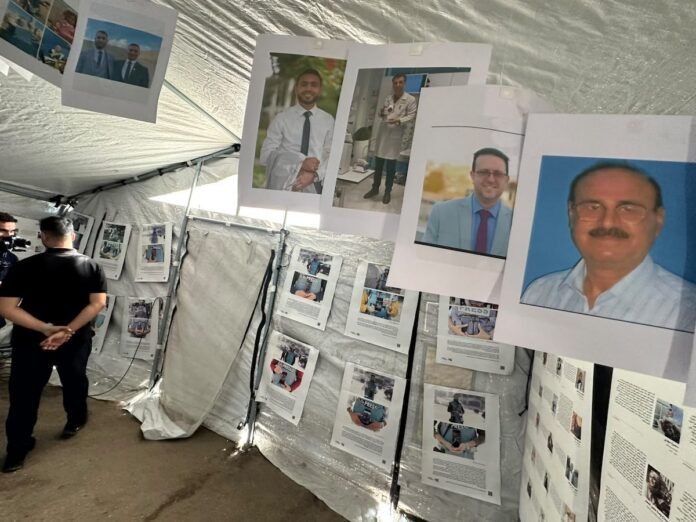
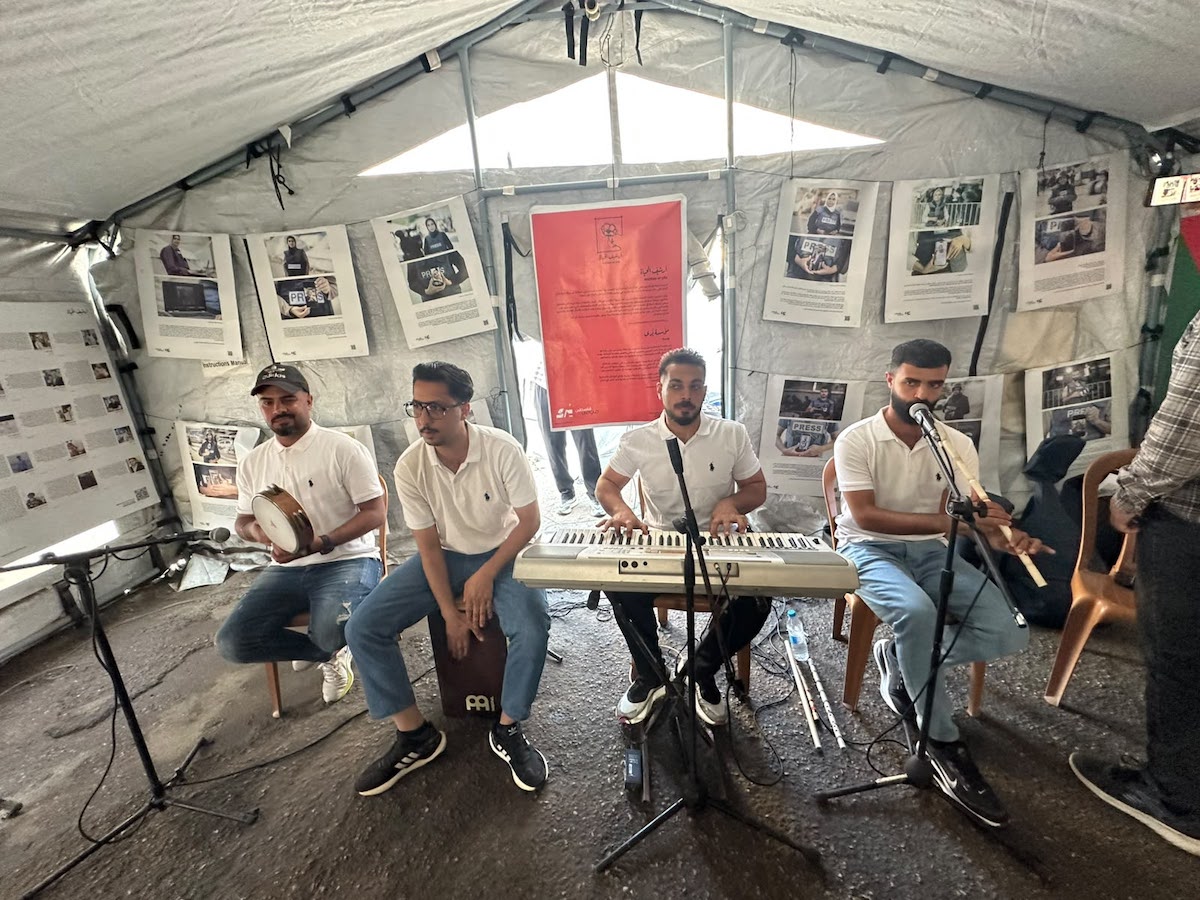
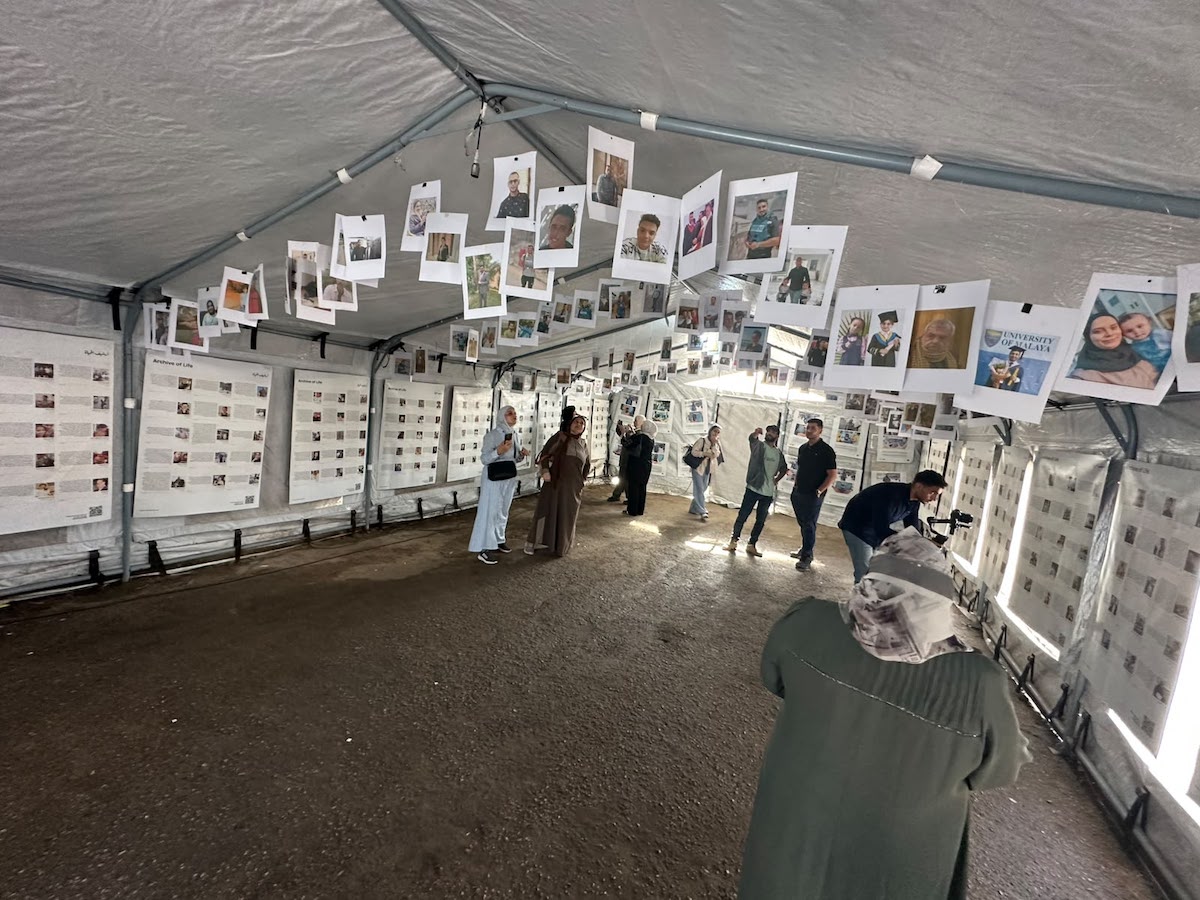
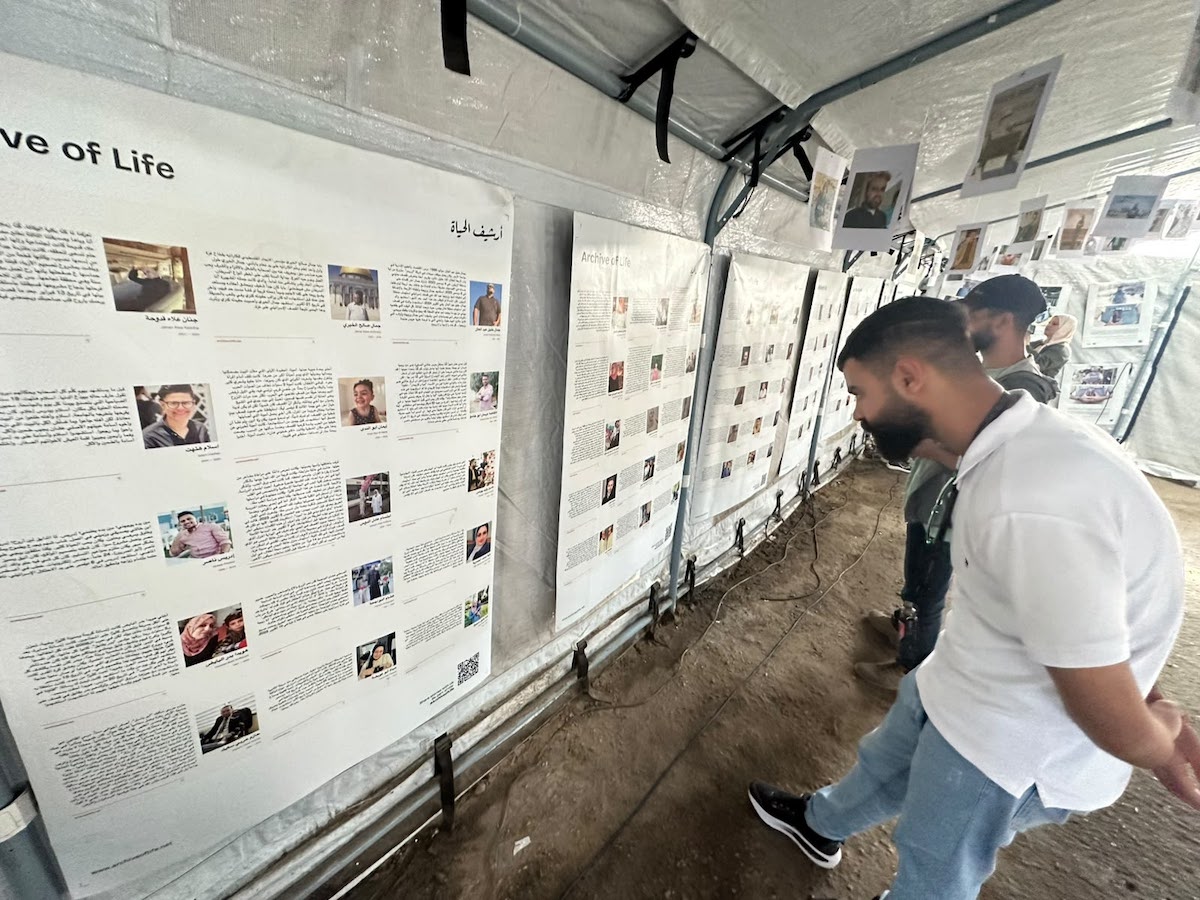
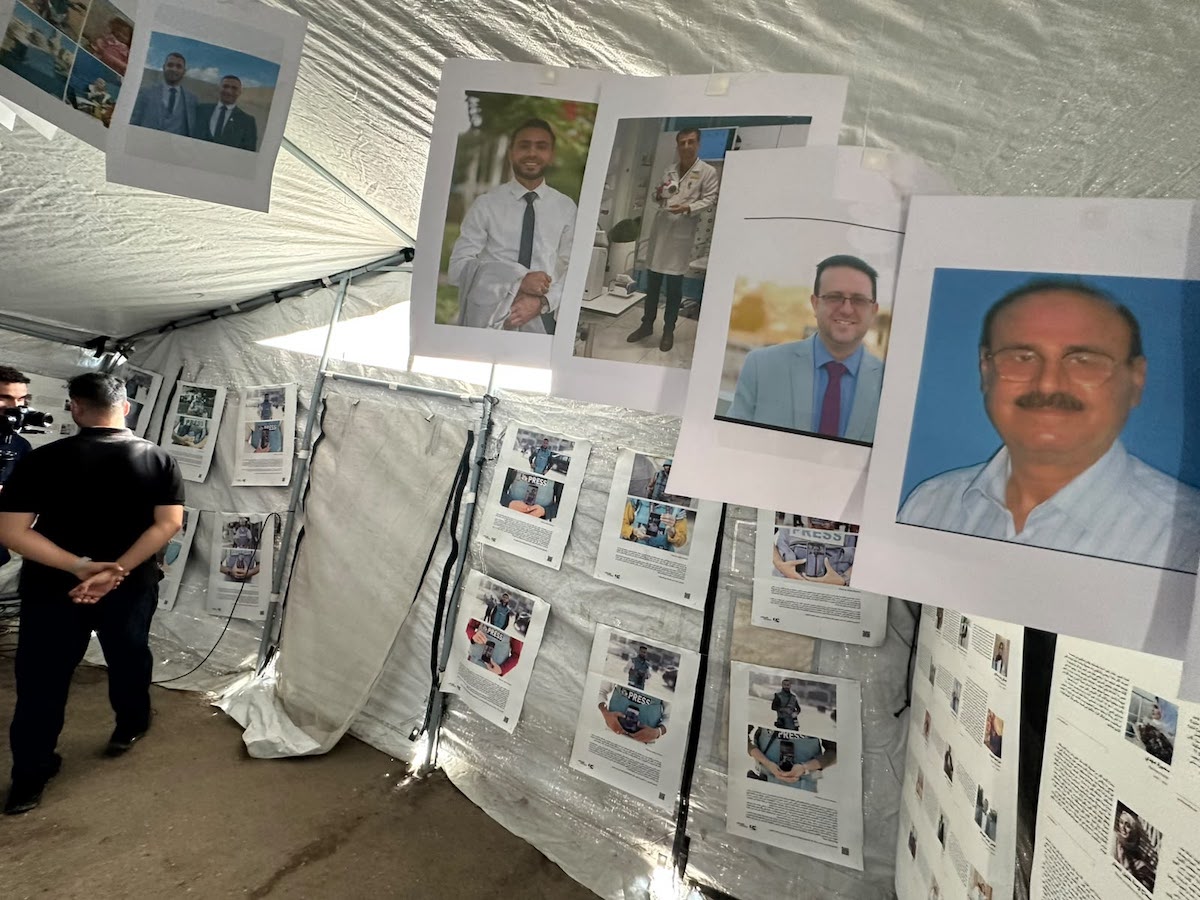
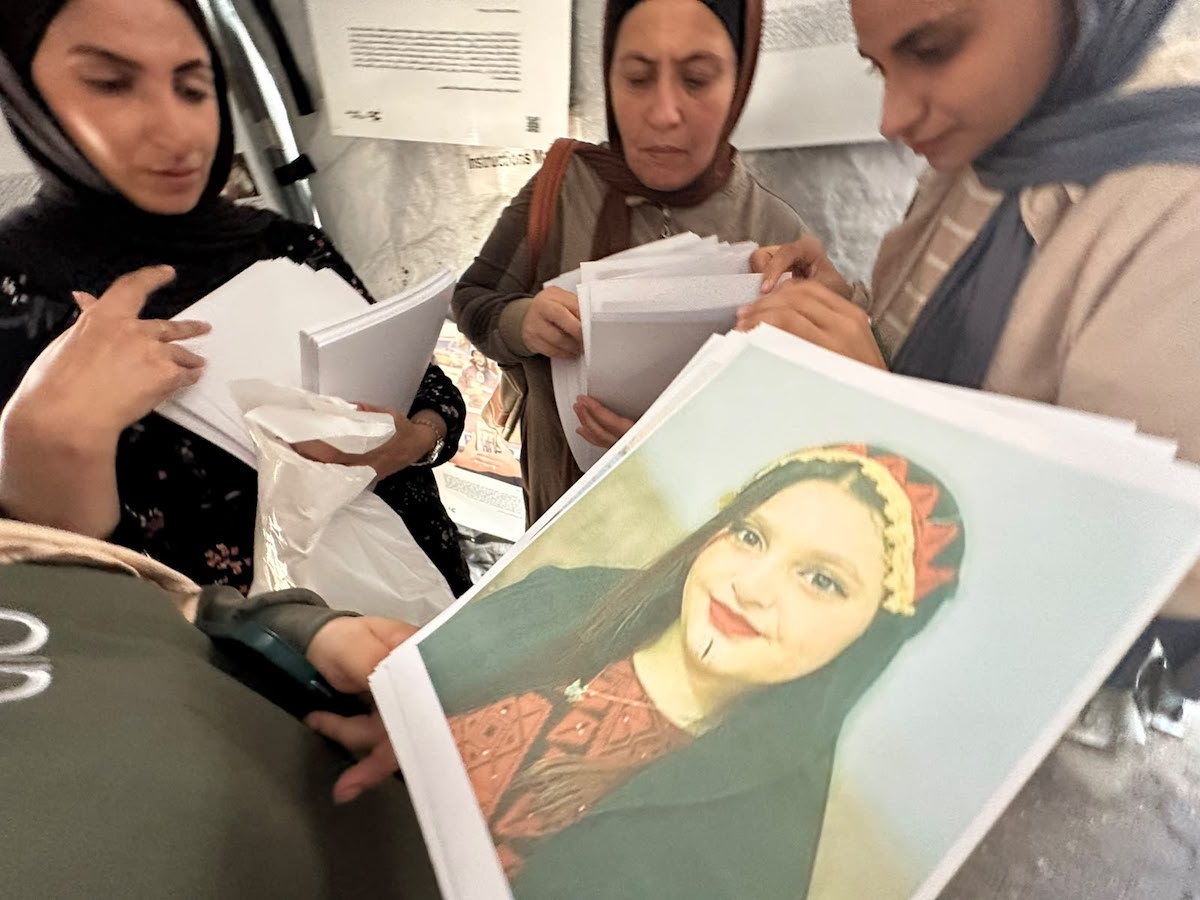
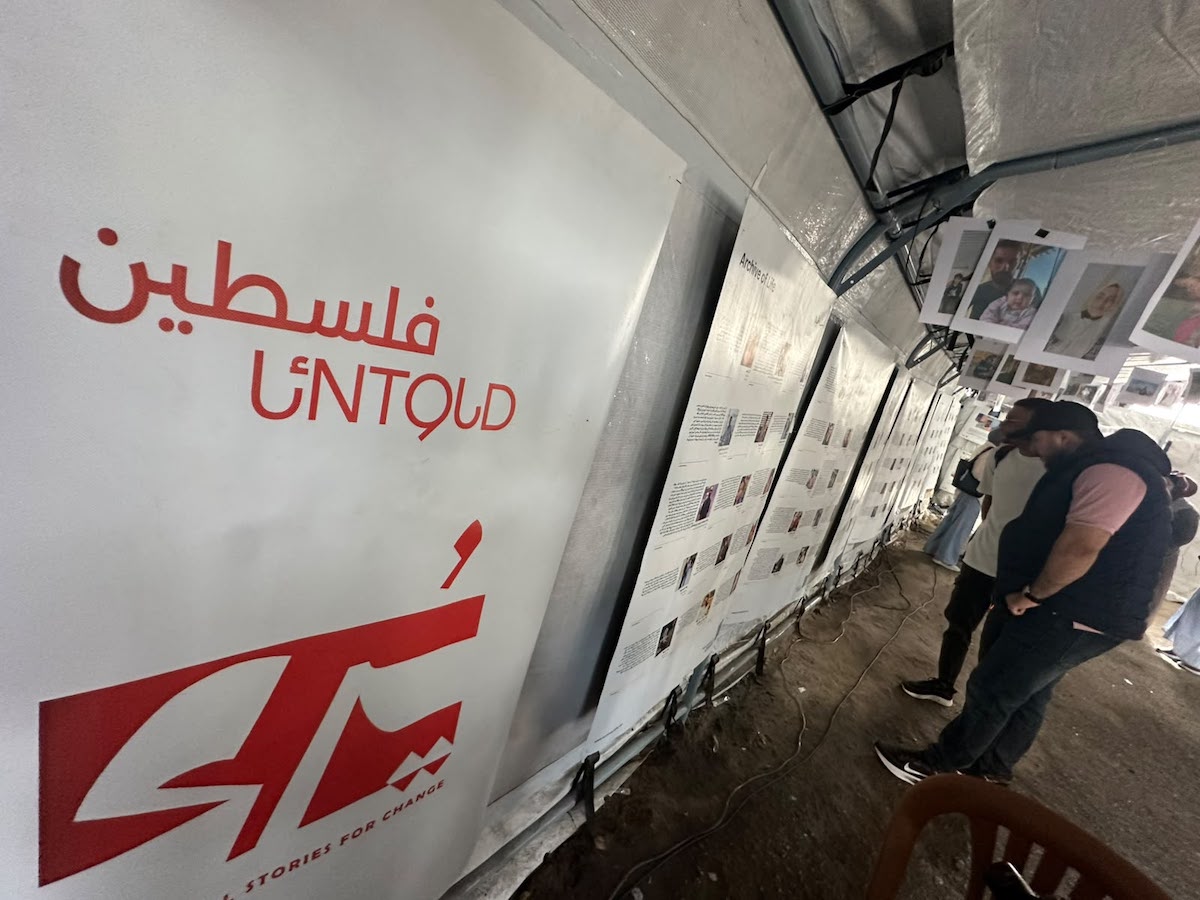
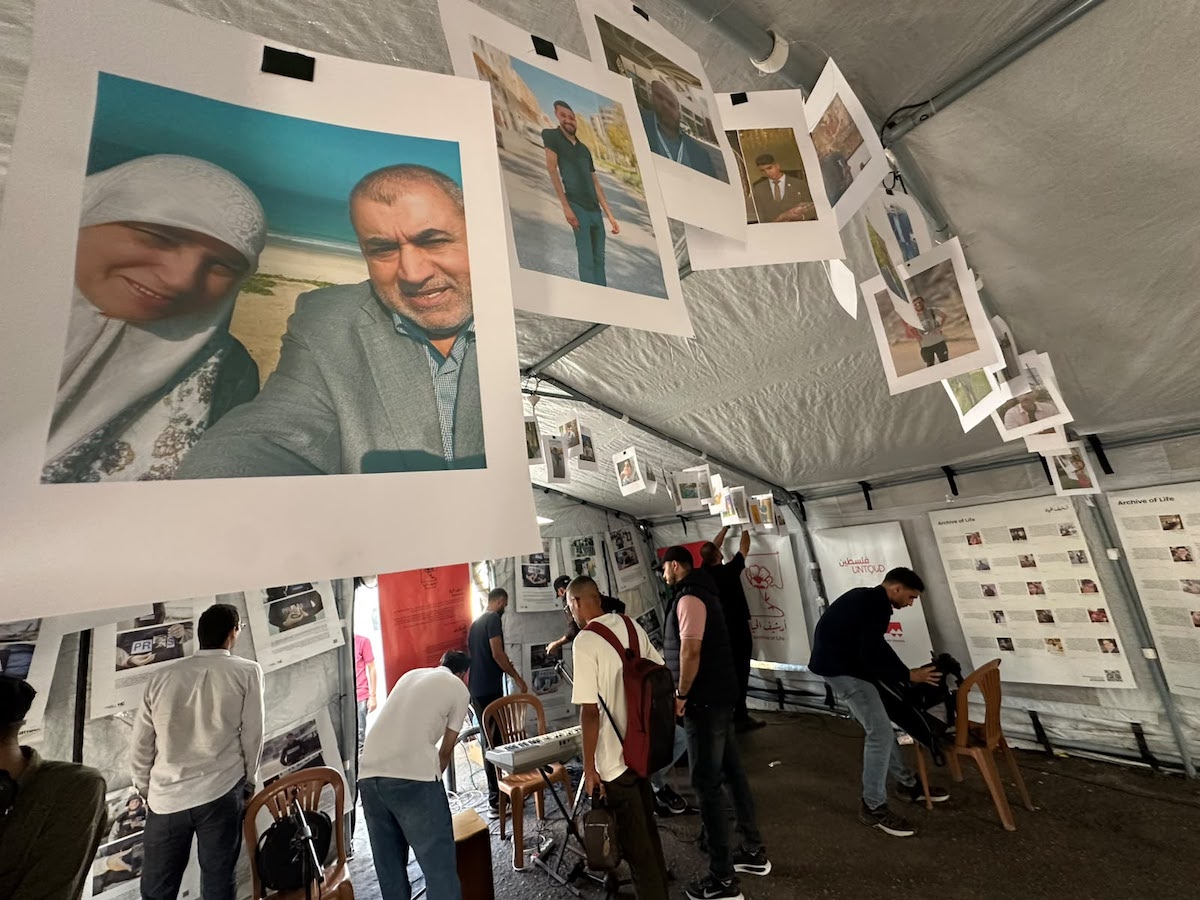
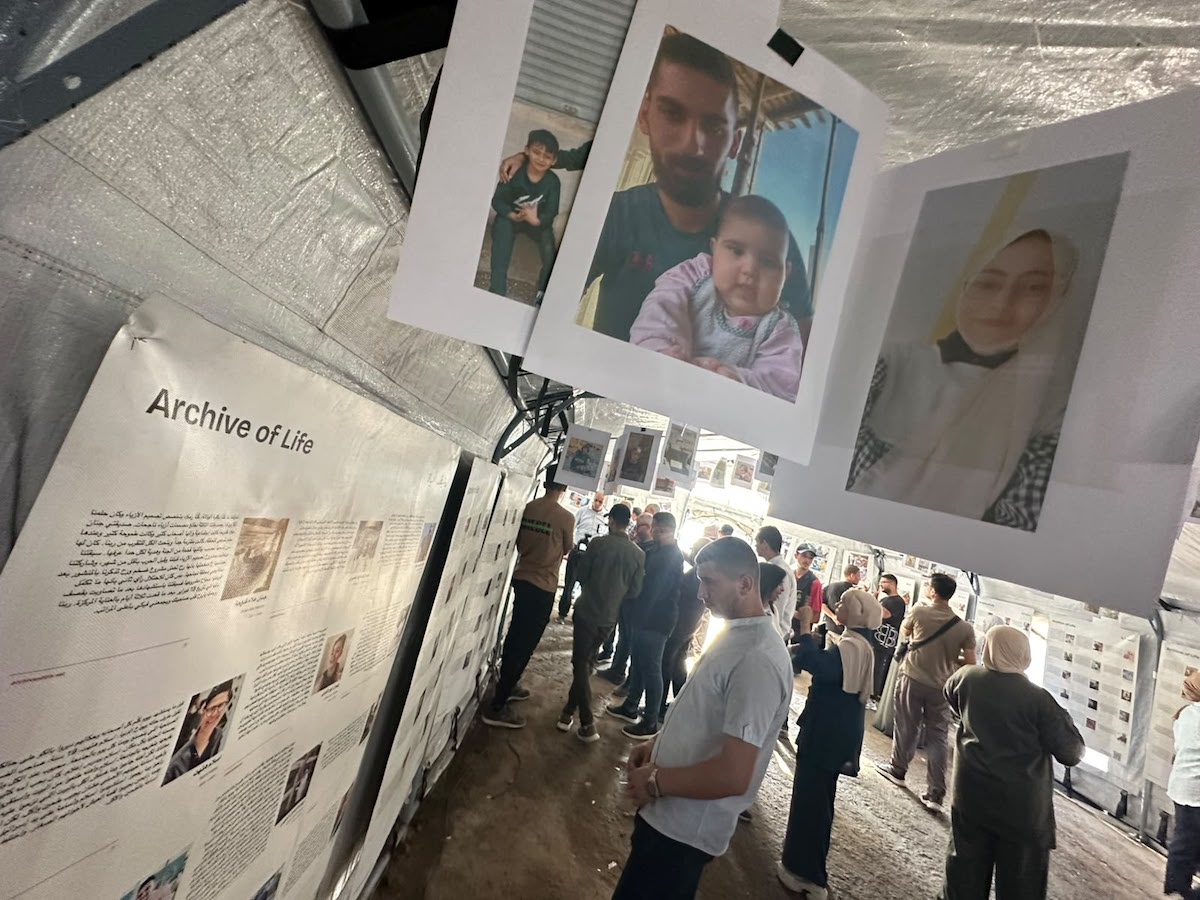
“Archive of life”: A project launched by the “Untold Palestine” platform to document the stories of more than 1,000 martyrs, as told by their loved ones.

“Archive of life”: A project launched by the “Untold Palestine” platform to document the stories of more than 1,000 martyrs, as told by their loved ones, on 25 October 2026 [Mohammed Asad/Middle East Monitor]

“Archive of life”: A project launched by the “Untold Palestine” platform to document the stories of more than 1,000 martyrs, as told by their loved ones, on 25 October 2026 [Mohammed Asad/Middle East Monitor]

“Archive of life”: A project launched by the “Untold Palestine” platform to document the stories of more than 1,000 martyrs, as told by their loved ones, on 25 October 2026 [Mohammed Asad/Middle East Monitor]

“Archive of life”: A project launched by the “Untold Palestine” platform to document the stories of more than 1,000 martyrs, as told by their loved ones, on 25 October 2026 [Mohammed Asad/Middle East Monitor]

“Archive of life”: A project launched by the “Untold Palestine” platform to document the stories of more than 1,000 martyrs, as told by their loved ones, on 25 October 2026 [Mohammed Asad/Middle East Monitor]

“Archive of life”: A project launched by the “Untold Palestine” platform to document the stories of more than 1,000 martyrs, as told by their loved ones, on 25 October 2026 [Mohammed Asad/Middle East Monitor]

“Archive of life”: A project launched by the “Untold Palestine” platform to document the stories of more than 1,000 martyrs, as told by their loved ones, on 25 October 2026 [Mohammed Asad/Middle East Monitor]

“Archive of life”: A project launched by the “Untold Palestine” platform to document the stories of more than 1,000 martyrs, as told by their loved ones, on 25 October 2026 [Mohammed Asad/Middle East Monitor]

‘Wake Up From the Illusion’: Jordanian Analyst Warns of Deepening Radicalization After Church Attack

0
‘wake-up-from-the-illusion’:-jordanian-analyst-warns-of-deepening-radicalization-after-church-attack
‘Wake Up From the Illusion’: Jordanian Analyst Warns of Deepening Radicalization After Church Attack


Political analyst Amer Sabaileh tells The Media Line that authorities have overlooked years of growing extremist sentiment, while another Jordanian commentator expresses confidence in the kingdom’s social cohesion

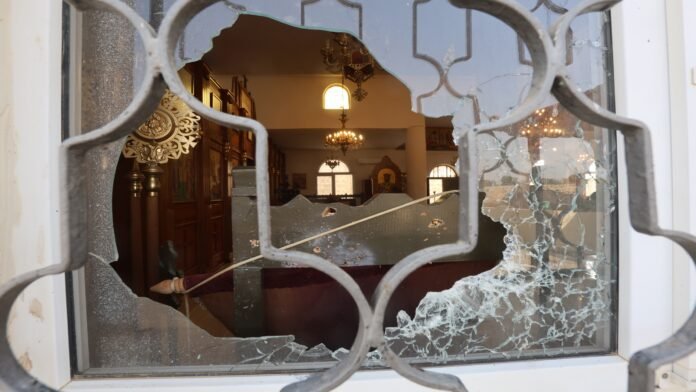
The killing of nine people during a funeral at a Greek Orthodox church in southern Jordan has raised questions about the spread of religious extremism, the effectiveness of the kingdom’s security policies, and the future of coexistence between its Muslim and Christian communities.

The attack occurred on Friday, October 23, at Saint George’s Church in the village of Hmoud, in Karak Governorate, leaving nine people dead and approximately 40 wounded. Gunmen opened fire on mourners gathered for a funeral, turning a religious ceremony into one of the deadliest attacks against Jordan’s Christian community in recent years.

Surveillance footage showed at least three armed men approaching the church and opening fire. Witnesses described several minutes of shooting as people attempted to escape or take shelter inside the building. Jordanian authorities launched a security operation to locate the perpetrators, while the government declared three days of national mourning.

Sahar al-Halsa told Reuters that she hid behind a pillar as gunfire erupted. When she emerged, she found her cousin Assem wounded. He briefly opened his eyes before dying.

As of Sunday, the attackers remained at large, and no organization had claimed responsibility. Jordanian authorities described the shooting as an act of extremist terrorism but had not publicly established the perpetrators’ identities, organizational affiliations, or precise motives.

King Abdullah II condemned the attack and ordered security forces to pursue those responsible with an “iron fist.” During a National Security Council meeting on Saturday, the monarch ordered a comprehensive security assessment, measures to improve preparedness, and a review of policies aimed at countering extremist ideology and addressing its underlying causes. He also called for action against misinformation that could exploit the attack to deepen divisions.

Prime Minister Jafar Hassan attributed the violence to extremist ideology and pledged to hold those responsible accountable. Jordanian officials have also emphasized that the country’s Christian community is an integral part of its national identity.

The killings have shaken a country often regarded as one of the more stable states in the Middle East, where the monarchy has long emphasized religious moderation and coexistence among different communities.

The attack has brought competing assessments of radicalization in Jordanian society into sharper focus, raising the question of whether the violence represents an isolated extremist operation or a warning of deeper problems.

For Rami Bassem Haddad, a Jordanian Christian media personality, the choice of target strongly suggests an ideological motive intended to undermine national stability.

“The targeting of the Church of Saint George in the town of Hmoud, in the Karak Governorate, is interpreted as a terrorist attack bearing the hallmarks of an extremist, takfiri (exclusionist/hard-line) ideology. Its primary objective is to strike at the model of religious coexistence and destabilize Jordan’s internal security,” Haddad told The Media Line.

He argues that targeting a Christian place of worship, particularly during a funeral, carries significance beyond the immediate victims. In his assessment, extremist organizations frequently seek to undermine relationships between communities by attacking religious institutions and civilians.

Although the religious setting has reinforced suspicions of sectarian motivation, investigators have yet to establish whether the assailants operated independently, belonged to a domestic extremist network, or maintained connections with organizations abroad.

Jordanian political analyst Amer Sabaileh offers a more critical assessment, questioning whether Jordan’s longstanding reputation for religious moderation accurately reflects developments within its society.

Today, I believe that Jordan should wake up from the illusion it has created by being a moderate island

“Today, I believe that Jordan should wake up from the illusion it has created by being a moderate island,” Sabaileh told The Media Line.

“Over the years, you can easily see that society was radicalizing. Despite this, no one did anything. No one wanted to touch on these issues,” he added.

Sabaileh argues that extremist attitudes have been developing domestically for years and that public institutions have failed to confront them adequately. In his view, the problem extends beyond threats posed by organizations such as ISIS or al-Qaeda and requires examining the social environment in which radical ideas circulate.

“But I believe that Jordan is seriously suffering from very strong social salafism. And this social salafism, unfortunately, does not exclude the system itself,” he said.

His criticism extends to what he describes as insufficient cultural and economic development in parts of the country. He believes limited opportunities and excessive reliance on religious institutions have contributed to an environment vulnerable to radicalization.

These are Sabaileh’s assessments of broader social developments, rather than findings established by the investigation into Friday’s shooting.

Karak has experienced extremist violence before. In December 2016, gunmen carried out a series of attacks targeting security personnel and civilians in and around the city’s historic Crusader castle. Ten people, including seven security officers, two Jordanian civilians, and a Canadian tourist, were killed. Four attackers also died. ISIS subsequently claimed responsibility.

Friday’s shooting has renewed concerns about whether extremist networks may have survived in the region despite years of security operations. However, there is no confirmed evidence linking the perpetrators of the church attack to those responsible for the 2016 violence.

Haddad cautions against drawing conclusions before the current investigation is completed.

“As for any potential link to the previous Karak cell, we should leave that assessment to the security services—pending the arrests and the subsequent release of investigation reports—noting that His Majesty the King is following the matter closely and personally.”

He also points to the difficulties security agencies face in preventing attacks carried out by small groups or decentralized networks.

“Attacks on ‘soft’ civilian targets—such as gatherings outside places of worship in villages—are among the most challenging operations to prevent through intelligence, as they do not involve the kind of large-scale weaponry or logistics that would typically arouse suspicion prior to execution,” he said.

Sabaileh, however, disputes the suggestion that radicalization necessarily develops without visible warning signs.

“We rely a lot on signals. Society gives you a signal, and we got a preventive signal,” he said.

He alleges that extremist rhetoric had circulated openly on social media before the attack and that authorities should have responded more effectively. He also made claims concerning the suspected backgrounds and connections of the perpetrators that have not been independently verified.

Those allegations raise questions about whether the attackers operated without attracting security attention or whether earlier indications of radicalization went unaddressed. The available evidence does not establish that security agencies had actionable warnings of the attack.

For Sabaileh, identifying and arresting the perpetrators would address only part of the problem. He believes Jordan must also confront the ideological environment in which extremist violence can develop.

The attack has also reopened debate over the position of Christians in Jordan and the resilience of relations between the kingdom’s religious communities.

Christians account for approximately 2% of Jordan’s population but have a longstanding presence in public life. They serve in government, political institutions, and the armed forces, and nine seats in the House of Representatives are reserved for Christian candidates.

Following the attack, Christian and Muslim religious leaders condemned the violence and called for unity. Christian leaders emphasized their solidarity with Jordan’s Christians and expressed confidence that the attack would not undermine the country’s tradition of religious coexistence.

For Haddad, these reactions reflect a shared Jordanian identity that transcends religious differences.

“Indeed, I would like to point out that Jordan enjoys a unique situation characterized by strong social cohesion, brotherhood, and mutual respect for various religions and beliefs,” he said.

He rejects defining Jordanian Christians primarily by their relatively small demographic size.

I would like to clarify an important point: while we Christians in Jordan are relatively few in number, we are by no means a ‘minority’

“I would like to clarify an important point: while we Christians in Jordan are relatively few in number, we are by no means a ‘minority,’” he said.

Haddad pointed to Christians’ participation in Parliament, the Cabinet, and the military as evidence of their place in Jordanian society. At the same time, he acknowledged that hostility toward Christians exists within certain segments of society.

“That said, there are misguided elements—acting in a subtle, underhanded manner—who seek to foster sentiment against us; such actions are certainly not welcomed,” he said.

Sabaileh takes a different view, arguing that expressions of solidarity, while important, cannot substitute for structural changes aimed at strengthening equal citizenship.

He questions whether repeated appeals to religious harmony adequately address the concerns of Christians who, he believes, have become increasingly alienated from aspects of Jordanian public life.

“They no longer feel at ease, even in front of a bureaucratic system,” he said.

“Because you no longer feel identified in this society. Unfortunately, this is a reality we have been living for more than 30 years. No one says anything,” he added.

Sabaileh believes Jordan needs stronger civic institutions that ensure citizens are treated equally regardless of religion.

“You have to come up with a national project, not a religious one,” he said.

I don’t care what religion you are; I care that you are a Jordanian citizen

“I don’t care what religion you are; I care that you are a Jordanian citizen,” he added.

His emphasis on citizenship contrasts with Haddad’s greater confidence in the monarchy and the existing institutional framework for protecting religious pluralism.

Despite their differences over the strength of Jordan’s social cohesion, both men identify radicalization as a problem requiring attention beyond the investigation into the church shooting.

Haddad points particularly to the influence of online platforms and the exposure of younger generations to extremist messaging.

“However, in my view, a lack of cultural awareness—compounded by the unfettered openness of social media—has led a significant number of young people to embrace takfiri (extremist/exclusionary) ideologies, without any sense of awareness or responsibility,” he said.

Sabaileh also emphasizes the influence of public rhetoric but places greater responsibility on the state for recognizing and responding to changes in social attitudes.

He argues that religious identity should not take precedence over citizenship, constitutional authority, and equal treatment under the law.

“Unfortunately, this is the lack of a national project. You see that when the national identity is weakened, immediately the religious identity tries to take up space, to occupy it. This is the risk,” he said.

Sabaileh advocates stronger civic institutions and greater investment in cultural education, rather than relying primarily on religious authorities to counter extremist ideology.

The king’s instructions to review counter-extremism policies present an opportunity to assess the effectiveness of Jordan’s existing approach. While the monarchy has called for a more comprehensive response to radicalization, Sabaileh questions whether a framework heavily dependent on religious institutions can produce the changes he considers necessary.

Haddad, meanwhile, insists that investigators should establish the facts before conclusions are drawn about the perpetrators and their possible affiliations.

“We are currently awaiting an official statement to determine whether this cell is linked to other groups that have already carried out—or were preparing to carry out—further operations,” he said.

As mourners gathered on Sunday to bury victims of the attack, Jordan faced two immediate challenges: bringing the perpetrators to justice and addressing concerns about the security of its Christian communities.

For Haddad, the violence will not fundamentally alter relations between Jordan’s religious communities.

“I should also emphasize that our society—comprising both Christian and Muslim tribal components—remains united around the King, and we categorically reject such incidents,” he said.

He expressed confidence that Jordanian society would emerge from the violence with its social cohesion intact.

“This crime will only serve to make us stronger and more resilient,” he said.

Sabaileh is considerably less optimistic about the country’s ability to move forward without substantial changes.

“If the royal family and generally the state don’t immediately take concrete steps towards this change, I think it will be a lost and useless battle. But if they now face reality as it is and admit that they have done everything wrong and start with strength, without shyness, with a clear vision, I think it will be easy. But I don’t see any hope, unfortunately,” he concluded.

Toddler Dies in Burger King Parking Lot After Finding Dad’s Gun

0
toddler-dies-in-burger-king-parking-lot-after-finding-dad’s-gun
Toddler Dies in Burger King Parking Lot After Finding Dad’s Gun


A routine family dinner stop at a Florida Burger King ended in unimaginable tragedy when a 3-year-old boy found his father’s handgun inside their car and accidentally shot himself, just four days before his fourth birthday.

The heartbreaking incident unfolded Thursday evening, October 22, in Bartow, Florida, after the boy’s father encountered a problem paying for their meal at the restaurant’s drive-thru.

According to Polk County Sheriff Grady Judd, the father pulled into the parking lot around 6:23 p.m. to figure out why his credit card had been declined. What happened next turned an ordinary evening into a devastating loss for the family.

Investigators believe the father, who was carrying a Glock handgun in his waistband, removed the weapon because it had become uncomfortable while he leaned forward to deal with the payment issue.

Distracted by his efforts to resolve the problem, he apparently placed the gun somewhere inside the vehicle, where his young son was playing in the backseat.

Moments later, a gunshot rang out.

Authorities believe the little boy spotted the firearm, picked it up and accidentally pulled the trigger. Investigators later discovered a bullet hole in the vehicle’s roof, supporting their preliminary account of the shooting.

The father, who was reportedly in shock, could not remember exactly where he had placed the weapon.

Surveillance footage captured the frantic aftermath, showing the father jumping from the vehicle and desperately running around it. A woman sitting in a nearby car rushed to call 911.

Emergency responders transported the boy to Lakeland Regional Health, where doctors fought to save his life. Despite their efforts, he was pronounced dead around 7:30 p.m.

The tragedy was especially heartbreaking because the child would have celebrated his fourth birthday the following Monday, October 26.

Sheriff Judd revealed that the family had moved to Florida from Connecticut approximately four months earlier. Both parents worked as managers at local Lowe’s stores and were described as well-regarded members of the community.

“This is a horrible tragedy,” Judd told reporters during a Thursday night news conference.

The shooting has also raised questions about whether the father could face criminal charges.

Under Florida law, leaving a loaded firearm within easy reach of a child can constitute a third-degree felony if culpable negligence is established and the child uses the weapon to cause injury or death.

However, Judd indicated that investigators were not inclined to recommend charges based on the information available so far. The final determination will rest with the State Attorney’s Office after reviewing the investigation.

Bartow police and Polk County sheriff’s investigators are continuing to examine the circumstances surrounding the shooting.

Bartow police official Kyle Dowdy also spoke about the emotional toll on the family, responding officers and surrounding community.

“This is an absolute tragedy,” Dowdy said, explaining that a family had lost a son and that the community was grieving alongside them.

The child’s identity has not been publicly released.

The devastating incident serves as another reminder of the dangers unsecured firearms pose to young children, who may not understand the consequences of handling a gun. Firearm safety advocates recommend keeping guns unloaded, locked and inaccessible to children, with ammunition secured separately.

For one Florida family, an ordinary stop for dinner ended with a loss that will forever change their lives.

Opposition leader says Netanyahu ‘no longer fit’ to lead Israel

0
opposition-leader-says-netanyahu-‘no-longer-fit’-to-lead-israel
Opposition leader says Netanyahu ‘no longer fit’ to lead Israel

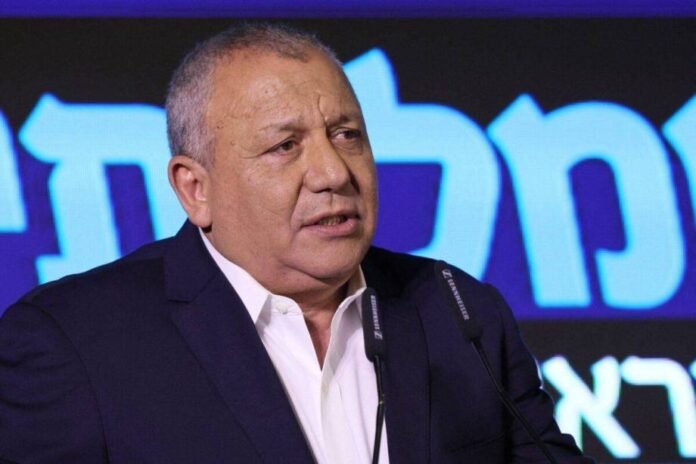
Just days before pivotal Israeli elections, opposition leader Gadi Eisenkot said Saturday that Prime Minister Benjamin Netanyahu is “no longer fit” to lead the country, warning that his economic plan to counter potential international sanctions threatens national security, Anadolu reports.

On US social media company X, the Yashar party leader accused Netanyahu of turning his attention to “dismantling the Israeli economy for generations ahead” after “dismantling Israeli society and weakening the army.”

Eisenkot said Netanyahu’s recent remarks are “conclusive proof that he has lost touch with reality and moved into a world of delusions,” accusing him of proposing preparations to disconnect from the global financial system in response to Israel’s declining international standing.

“This is the madness of a man who is no longer fit to lead the country,” he said.

His comments came one day after Netanyahu said he had requested an economic plan involving alternative payment methods, including cryptocurrencies and blockchain technology, in preparation for possible international economic and banking sanctions.

Netanyahu expressed concern about potential sanctions, including restrictions on the Israeli banking system.

Netanyahu did not say Israel would withdraw from the global economic system. The characterization of the proposal as economic isolation formed part of Eisenkot’s criticism.

Netanyahu also warned that US military aid would not last forever, urging Israel to prepare for its possible end and to strengthen military self-reliance.

– Warning against economic isolation

Eisenkot mocked the proposal as “Bibicoin,” combining Netanyahu’s nickname, Bibi, with his proposed use of alternative payment methods and financial technologies.

He questioned how Israeli technology companies serving foreign clients would receive payments or attract overseas investment if they had to bypass international banking and rely on cryptocurrencies.

He also questioned how international acquisitions of Israeli companies could proceed if the economy moved toward isolation from the global financial system.

He warned that this course could prompt Israeli companies to relocate abroad, cause losses in savings and investments, and encourage citizens to leave the country.

Eisenkot said the consequences could include fewer jobs and reduced resources for healthcare and education, ultimately harming national security.

“This is not an imagined nightmare scenario, but Netanyahu’s plan for Israel if he is reelected” on Tuesday, he said.

“This is a real warning. Israel will not withstand another four years like these.”

-Controversial remarks

Netanyahu’s remarks also drew criticism in Israeli political and economic circles.

Israeli media cited an unnamed senior economic official who said that using cryptocurrencies and alternative financial technologies to circumvent banking sanctions would not achieve the intended goal. The official warned that merely proposing such an approach could damage the economy.

The debate comes amid mounting international pressure on Israel for its war on the Gaza Strip, settlement expansion, and occupier attacks in the occupied West Bank.

The UK and other Western countries have taken measures against individuals and entities linked to Israeli settlements, while concerns have grown in Israel about broader economic and diplomatic pressure.

The exchanges also come ahead of Tuesday’s Knesset elections, in which Netanyahu and Eisenkot are competing to lead the next government.

In his post, Eisenkot urged Israelis to vote for “a better shared future.”

The former military chief is one of Netanyahu’s leading rivals, with the two sharply divided on security and economic policies, the country’s leadership, and its foreign relations.

Israeli politics also remains deeply divided on responsibility for the failures surrounding the October 2023 attack, the conduct of subsequent wars, military conscription, the economy, and relations with the US and other Western countries.

Hot Honey Pumpkin Whipped Feta Dip

0
hot-honey-pumpkin-whipped-feta-dip
Hot Honey Pumpkin Whipped Feta Dip
Hot Honey Pumpkin Whipped Feta topped with pecans, hot honey, thyme, and crusty bread.
Hot Honey Pumpkin Whipped Feta brings sweet heat, creamy texture, and crunchy pecans together in one beautiful appetizer.

Hot Honey Pumpkin Whipped Feta Dip has everything a good party dip needs: creamy texture, a little crunch, and a sweet-spicy finish. Pumpkin puree softens the feta’s salty tang and gives the whipped mixture its warm golden color. Then comes the best part—a ribbon of homemade hot honey, toasted pecans, and fresh thyme.

It looks like something you’d order at a cozy little restaurant, but the food processor handles most of the work. A short chill keeps the dip thick enough to scoop with warm pita or sturdy crackers. And because the topping goes on just before serving, it’s easy to get a head start when guests are coming.

The lemon and thyme keep the flavors bright, while the pecans add that lovely toasted bite. It’s a simple appetizer with just enough contrast to make every scoop interesting.


Hot Honey Pumpkin Whipped Feta Dip topped with pecans, hot honey, thyme, and crusty bread.
Hot Honey Pumpkin Whipped Feta Dip brings sweet heat, creamy texture, and crunchy pecans together in one beautiful appetizer.

Recipe Yield: 8 servings

INGREDIENTS

8 oz block feta cheese in brine, drained and crumbled
4 oz full-fat cream cheese, softened
3/4 cup pure pumpkin puree (not pumpkin pie filling)
1 tbsp extra-virgin olive oil
1 tsp freshly squeezed lemon juice
1/2 tsp finely grated lemon zest
1 tsp fresh thyme leaves, plus more for garnish
1/4 tsp smoked paprika
3 tbsp plus 1 tsp honey, divided
1/2 tsp crushed red pepper flakes
1/8 tsp cayenne pepper
1 tsp apple cider vinegar
1/3 cup pecans, roughly chopped
Toasted pita wedges or crackers, for serving

INSTRUCTIONS

1. Toast the Pecans:
Place the chopped pecans in a dry skillet over medium-low heat. Toast for 3–5 minutes, stirring frequently, until fragrant and lightly golden. Transfer to a plate and let cool.

2. Whip the Feta:
Add the feta and softened cream cheese to a food processor. Blend for 1–2 minutes, scraping down the sides, until mostly smooth and creamy.

3. Add the Pumpkin:
Add the pumpkin puree, olive oil, lemon juice, lemon zest, thyme, smoked paprika, and 1 tsp honey. Process for another 2–3 minutes, scraping as needed, until smooth, light, and fluffy.

4. Chill the Dip:
Spoon the whipped feta into a shallow serving bowl and gently swirl the surface with the back of a spoon. Cover and refrigerate for 30–45 minutes, until chilled and scoopable.

5. Make the Hot Honey:
Meanwhile, combine the remaining 3 tbsp honey, red pepper flakes, and cayenne in a small saucepan. Warm over low heat for 1–2 minutes without boiling. Remove from heat, stir in the apple cider vinegar, and let stand for 5 minutes to develop the flavor.

6. Finish and Serve:
Let the hot honey cool until just slightly warm. Drizzle it over the chilled whipped feta, then scatter the toasted pecans and fresh thyme on top. Serve with toasted pita wedges or crackers.


Helpful Tips to Perfect This Recipe

  • Choose Thick Pumpkin Puree: Use 100% pure pumpkin puree, not pumpkin pie filling. Thick canned pumpkin works beautifully, but if yours looks watery, drain off any excess liquid before blending. This helps keep the whipped feta creamy and scoopable.
  • Give the Feta Time to Whip: Block feta packed in brine creates a smoother dip than dry, pre-crumbled feta. Drain it well, use softened cream cheese, and blend until the mixture looks light and creamy. Scraping the processor bowl makes a noticeable difference.
  • Add the Toppings Just Before Serving: Prepare the whipped feta up to 24 hours ahead and refrigerate it covered. Let it sit at room temperature for about 10 minutes before serving, then add the cooled hot honey, toasted pecans, and thyme. This keeps the nuts crunchy and the presentation fresh.

Rate This Recipe

Enjoyed this recipe? Your rating helps other home cooks!

Hegseth Built a New Pentagon Office for Religion. Military Religious Leaders Wish He Hadn’t.

0
hegseth-built-a-new-pentagon-office-for-religion-military-religious-leaders-wish-he-hadn’t.
Hegseth Built a New Pentagon Office for Religion. Military Religious Leaders Wish He Hadn’t.


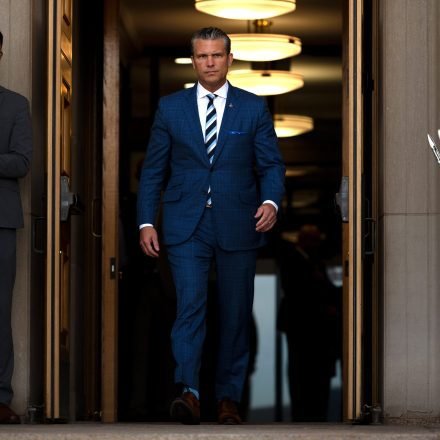
Defense Secretary Pete Hegseth has extended a line for the military’s religious leaders to reach him directly — and current and former military chaplains say they don’t want it.

Hegseth announced the creation of a new Office of Religious Affairs on September 30, vowing that the office would give members of the armed forces’ chaplain corps access to him without “bureaucratic dilution.” It coincides with his openly Christian “Send Me” campaign, an online propaganda effort that the Pentagon launched over the summer promoting a biblical phrase widely understood as a vow to accept a divine mission.

“We should not be in the business of wrapping the state’s mission in one particular religion,” an active-duty Army captain serving as a non-Christian chaplain told The Intercept. But as Hegseth’s Pentagon increasingly pushes Christianity, the chaplain, who was granted anonymity because he feared retaliation from the Defense Department, said he and other non-Christian chaplains worry the new religious affairs office will be used to do just that.

Hegseth’s body bears an assortment of Christian and Crusader imagery, including a Jerusalem cross across his chest and the Latin phrase “Deus vult,” or “God wills it,” on his bicep — a battle cry associated with the medieval Crusades that has since been adopted by far-right extremists. His forearm bears a cross and sword referencing Matthew 10:34, in which Jesus declares that he came not to bring peace but a sword, alongside the Hebrew name for Jesus. In 2021, a fellow National Guard member flagged Hegseth as a potential security threat over his Deus vult tattoo, before Hegseth was removed from an assignment protecting Joe Biden’s inauguration.

As defense secretary, Hegseth has frequently turned to messaging that centers religion and vengeance while promoting the U.S. and Israel’s unpopular war in Iran. His “Send Me” campaign is built around Isaiah 6:8, a biblical verse commonly invoked by Christians as a call to serve God. During his 9/11 speech last month at the Pentagon, Hegseth said the “struggle against evil” that followed the attacks continues today and “will continue until Judgment Day,” before turning to the current war with Iran.

“Using specific scriptural language for a military campaign inappropriately frames state-sanctioned armed conflict and government service as a Christian religious crusade,” the chaplain said. “Once a mission is declared God’s will, every act inside it is sanctified in advance.”

The new Office of Religious Affairs, the chaplain said, could entrench this dynamic. While the Pentagon memo establishing the office says it cannot compel religious participation or diminish the free-exercise rights of service members of any faith or no faith, the office’s director will report directly to Hegseth and the deputy defense secretary, oversee the Armed Forces Chaplains Board, and work with the civilian religious organizations that endorse military chaplains. The office will also oversee efforts to assess spiritual fitness, spiritual readiness, and spiritual resilience across the force. This consolidated control, the chaplain warned, may make it difficult to maintain pluralism among the chaplain corps.

“Our chaplain corps must serve [non-Christian service members], not just the soldiers that share a faith with the SecDef,” the Army chaplain said. While it’s too early to know what that authority will mean for non-Christian chaplains, he wondered how it might change the ranks of the chaplaincy itself.

“Will this group begin accepting fewer and fewer non-Christian chaplains into our ranks?” he said. “Will we begin seeing fewer and fewer non-Christian chaplains be chosen for promotions?”

The concerns extend beyond the active-duty chaplain. Rev. Dr. Rebekah Savage, a former military chaplain who now helps oversee the Unitarian Universalist Association’s endorsement of clergy serving as military chaplains, said the organization was not consulted before the office was established.

“I am deeply concerned about how this office will serve the religious needs of the members of the service,” she said. “I can’t speak for others who are a part of the chaplaincy corps, but I know I am not alone.”

In response to questions about the new office from The Intercept, Pentagon press secretary Kingsley Wilson wrote in a statement that the department “protects the constitutional right of every service member and civilian employee to practice their faith without coercion or discrimination. This is why Secretary Hegseth recently established the Office of Religious Affairs.” She said that prayer services and religious activities are always voluntary.

“The Christian faith is woven deeply into the fabric of our nation and shared by America’s wartime leaders like President George Washington, who prayed for his troops at Valley Forge, and President Franklin D. Roosevelt, who gifted Bibles to America soldiers during WW2 and encouraged them to read it,” Wilson added. “Despite the Left’s efforts to remove our Christian heritage from our great nation, Secretary Hegseth is among those who embrace it.”

In August, when “SEND ME” could still be dismissed as a string of social media posts, the Pentagon repeatedly declined to explain what the phrase meant or whether it represented a broader communications strategy.

As scholars of religion previously explained to The Intercept, the Pentagon’s use of the passage strips away part of the biblical story. Isaiah is not being sent to destroy God’s enemies; he is being sent to preach a warning to his own people. And the commission ends not in military triumph, but judgment. Cities are left empty, the land is devastated, and God’s own people suffer the destruction.

“Secretary Hegseth’s Send Me Tour is a military outreach and recruitment initiative focused on recognizing the Americans who volunteer to serve,” Wilson added in her statement. “We are grateful for the Americans—past, present, and future–who have raised their right hand and said, ‘Send Me.’”

Questions about the Pentagon’s treatment of minority religious traditions predate the new office.

In June, Savage joined 10 other religious endorsers in a letter to Hegseth objecting to revisions to the military’s Religious Affiliations Code list. The signatories said the changes removed or obscured the identities of several religious communities, including Unitarian Universalists, historically Black churches, and Wiccan and Pagan practitioners.

The endorsers warned that the changes could affect religious accommodations, access to clergy, and the distribution of chaplaincy resources.

“Classification is resource allocation,” they wrote.

Savage said the earlier changes, combined with the establishment of the Office of Religious Affairs, “calls the Department’s commitment to meeting the spiritual needs of all of its members into question.”

The active-duty Army chaplain questioned how the office’s stated religious-freedom protections would work in practice under a defense secretary who has increasingly incorporated Christian scripture into his public messaging.

“What oversight will exist to prevent religious bias?” he said. “When investments are made, will they be defining spiritual fitness by Christian, or by more pluralistic metrics?”

The same concerns extend to money. The office’s funding priorities include faith-based home school support for military families, faith-based suicide-reduction programs, and contracts with faith-based organizations.

“Will the Humanists, Muslims, Jews, Hindus, and other groups receive an equal, commensurate amount of support and funding for such programs?” the Army chaplain said. “Or will all or most of the funding go to Christian based organizations?”

Beyond institutional support, the chaplain said the Pentagon’s religious messaging could interfere with one of the central responsibilities of his profession: helping service members navigate questions of conscience, morality, and killing.

In reporting for Task & Purpose last month, this reporter examined how Army chaplains were preparing to address the moral and spiritual consequences of artificial intelligence in warfare. As one scholar of military ethics pointed out, moral injury can arise when service members feel responsible for actions that violate their values, even when they have little meaningful control over those decisions.

The Army chaplain raised a related concern: What happens when the military itself invokes religious authority to justify its mission?

“What can I say to a non-Christian soldier who is being ordered to kill his fellow man or risk dying himself for a god he does not believe in?”

“If my role as a chaplain is to advise soldiers and commanders of issues of morality and ethics, what can I say to them now?” he said. “How can I advise a commander on doing moral and ethical actions if the state has announced that their god has ordained their war?”

For service members who do not share the religious beliefs invoked by military leadership, the Army chaplain said, that tension could be especially difficult to reconcile.

“What can I say to a non-Christian soldier who is being ordered to kill his fellow man or risk dying himself for a god he does not believe in?” he said. “What do I tell a soldier who believes an action is immoral, but also believes that God commanded it?”

Iran-Backed Militia Accuses US of Airspace Violations as Baghdad Probes Suspected Israeli Strikes 

0
iran-backed-militia-accuses-us-of-airspace-violations-as-baghdad-probes-suspected-israeli-strikes 
Iran-Backed Militia Accuses US of Airspace Violations as Baghdad Probes Suspected Israeli Strikes 


The Islamic Resistance in Iraq accused US forces Saturday of repeatedly breaching the country’s airspace, while Iraqi officials investigate explosions that security sources believe may have been Israeli attacks on weapons belonging to Iran-backed factions. 

The coalition of pro-Iranian militias claimed US fighter and surveillance aircraft entered Iraqi airspace 171 times from Sept. 30 through Oct. 23.  

According to the group, the alleged flights violated existing commitments and agreements between Baghdad and Washington. It urged the Iraqi government to address the issue publicly. 

The Islamic Resistance in Iraq also criticized recent restrictions affecting airports and border crossings with Iran, alleging that outside pressure prompted the measures. 

One such measure took effect Wednesday morning, when Iraq shut the Al-Sheeb crossing with Iran in the southern province of Maysan. Authorities said the crossing would remain closed until further notice. 

Separately, Iraqi authorities are examining a series of explosions that may have resulted from Israeli strikes against Iran-backed armed groups, the pan-Arab newspaper Asharq Al-Awsat reported. 

Security sources cited by the newspaper said a major consignment of Chinese-made portable air defense systems and suicide drones brought from Iran for local pro-Tehran factions was destroyed in the suspected attacks. Two storage facilities were struck soon after the weapons arrived, according to the report. 

Those explosions came as warehouses operated by armed factions around Baghdad have been hit by a succession of unexplained blasts since early October. 

Iraqi intelligence and security agencies are investigating the explosions and have raised the readiness of the country’s air defenses. Israeli authorities declined to comment. 

Iraq has faced similar incidents before. In 2019, diplomatic sources cited by Asharq Al-Awsat said Israeli F-35 stealth fighters struck Iranian ballistic missile shipments and military advisers at Camp Ashraf northeast of Baghdad. 

The developments also come after Iraq formally declared Sept. 30 that the US-led international coalition’s mission against the Islamic State in the country had concluded. 


‘Cosby Show’ Star Spotted Working at NYC Bar Despite Hollywood Comeback

0
‘cosby-show’-star-spotted-working-at-nyc-bar-despite-hollywood-comeback
‘Cosby Show’ Star Spotted Working at NYC Bar Despite Hollywood Comeback


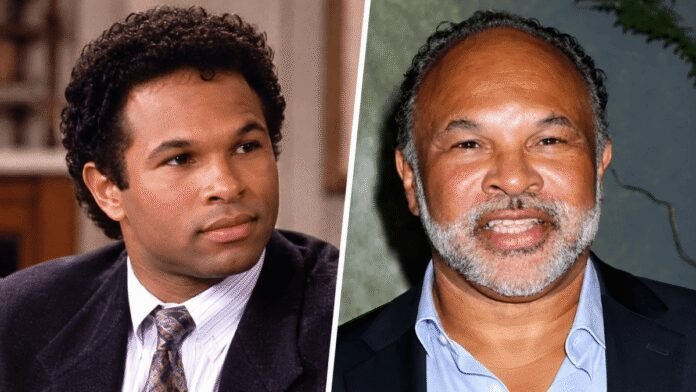
Geoffrey Owens is making headlines once again for a job far removed from the Hollywood spotlight, and his latest appearance is raising fresh questions about the financial realities facing even familiar television stars.

The 65-year-old actor, best known for playing Elvin Tibideaux on The Cosby Show, has reportedly been working at New York City’s famous White Horse Tavern, greeting customers and handing out menus despite recently landing a role on one of television’s most popular medical dramas.

According to photographs published by RadarOnline on October 24, Owens was seen welcoming diners and chatting with guests at the historic West Village establishment. One couple who recognized the former sitcom star even posed for a photograph with him, praising his kindness and friendly demeanor.

The sighting is particularly surprising considering Owens recently appeared in the second season of HBO Max’s hit drama The Pitt, playing Dr. Clay Barrett. His television comeback also includes appearances in CBS’s Poppa’s House and Netflix’s Nonnas, proving he has continued finding work in Hollywood.

But for longtime fans, the photographs may bring back memories of another unexpected moment in Owens’ career.

In 2018, the actor became the center of a national controversy when photographs surfaced showing him working as a cashier at a Trader Joe’s grocery store in Clifton, New Jersey. Some social media users mocked the former television star, questioning how someone who appeared on one of America’s biggest sitcoms could end up bagging groceries.

The backlash quickly turned into an outpouring of support, with celebrities and fans defending Owens for earning an honest living. Filmmaker Tyler Perry even offered him a role on his OWN drama The Haves and the Have Nots, helping introduce the actor to a new generation of viewers.

Owens later explained that the grocery store job allowed him to support himself while continuing to pursue acting opportunities. He also spoke out against the idea that certain jobs should be considered beneath someone simply because they once appeared on television.

Unfortunately, his renewed Hollywood exposure did not necessarily translate into financial security.

During a candid 2024 interview on Atlanta’s Big Tigger Morning Show, Owens revealed that he was still having trouble paying his bills despite regularly appearing in movies and television shows.

“I struggle every day to make my ends meet,” he admitted, explaining that audiences often assume recognizable actors are earning far more money than they actually receive.

Owens also revealed that he had approached Trader Joe’s about potentially returning to work there, even after the embarrassing publicity surrounding his original grocery store job.

The actor explained that occasional television appearances, residual payments and smaller acting roles do not always provide enough income to maintain a comfortable lifestyle, especially when work arrives unpredictably.

+1

Now, eight years after those grocery store photographs sparked a national conversation, Owens is once again attracting attention for taking on work outside the entertainment industry.

It remains unclear whether his position at the White Horse Tavern is permanent, part-time or temporary. Owens has not explained his reasons for working there in the newly published report, and there is no confirmation that the job is connected to his current financial situation.

Still, the unexpected sighting highlights a reality that Owens has spent years trying to explain: appearing on a successful television show does not necessarily mean an actor is financially set for life.

And while fans may be surprised to see a familiar Hollywood face handing them a menu instead of appearing on their television screens, Owens has made one thing clear throughout his career. He has never believed there is anything shameful about working for a living.

0FansLike
0FollowersFollow
0FollowersFollow
0SubscribersSubscribe
- Advertisement -
Google search engine

Recent Posts