Home Blog

Not all foreign influence in the Philippines is malign

0
not-all-foreign-influence-in-the-philippines-is-malign
Not all foreign influence in the Philippines is malign

Foreign influence operations in the Philippines have drawn increasing concern, ranging from soft power diplomacy to covert manipulation of institutions. Much of the alarm focuses on China, with analysts pointing to specific areas of penetration.

Media manipulation is a frontline issue. Partnerships with Manila-based media executives have reportedly cultivated pro-China narratives, raising doubts about editorial independence. The education sector has also become a channel: thousands of teachers from mainland China now staff Chinese-language schools, embedding cultural and ideological influence.

The United Front Work Department leverages diaspora ties with Filipino-Chinese communities to advance Beijing’s interests. Economic engagement adds another layer: investments in local zones such as Cagayan create dependencies that risk becoming political leverage. Information warfare, through influencers and automated bots, localizes foreign narratives — reshaping discourse and undermining democratic institutions.

Yet there is no universally accepted definition of “foreign influence operations.” Scholars, policymakers and practitioners differ. Broadly, the term refers to organized efforts by states or non-state actors to shape perceptions and behaviors in ways that advance their interests.

These efforts may include public diplomacy, cultural exchange, media campaigns and economic inducements, or covert activities such as disinformation and espionage. Some view them as legitimate tools of statecraft; others see them as coercive.

Recognizing this contested nature is essential. Foreign influence operations are not inherently malign, nor are they exclusively attributable to China. Their impact depends on intent, transparency and effect.

China’s operations in the Philippines are often portrayed as threatening, yet they are more complex than alarmist narratives suggest. Beijing employs a wide spectrum of tools: media messaging that frames maritime disputes in its favor, United Front activities that cultivate ties with Filipino communities and academics, and economic leverage through investments and trade.

Cultural diplomacy through scholarships, language programs and tourism represents a softer form of influence that fosters mutual understanding. These initiatives are not inherently malign; they can enrich bilateral ties. The challenge lies in distinguishing legitimate engagement from unlawful manipulation.

The risks are real. Espionage networks targeting defense institutions, cyber intrusions into government systems and covert funding of local actors highlight genuine vulnerabilities. Such operations can erode trust in democratic institutions and compromise national security.

But alarmism is counterproductive. Overstating the threat risks fueling xenophobia and undermining bilateral cooperation. A balanced assessment recognizes the dangers without collapsing all engagement into hostility.

Unlawful and coercive operations — bribery, covert manipulation, interference in domestic politics — must be firmly resisted. But singling out China alone perpetuates Sinophobia. All forms of unlawful foreign influence, whether from China, the United States or any other country, must be rejected when they undermine Philippine sovereignty.

Philippine society is not passive in the face of external pressure. Its pluralistic media, vibrant civil society and critical academic community actively resist foreign malign manipulation. Investigative journalism exposes covert activities, while NGOs and universities scrutinize foreign influence.

Government agencies, though resource-constrained, continue to monitor espionage and cyber threats. This underscores a critical point: foreign influence operations succeed only when societies allow them to. By strengthening transparency, accountability and public awareness, the Philippines can blunt external manipulation while ensuring unlawful operations are exposed and neutralized.

China is not the only country practicing foreign influence operations in the Philippines. The United States, through its long-standing alliance, also shapes Philippine opinion and policy via military cooperation, development assistance, media partnerships and cultural programs.

Japan, Australia and South Korea likewise conduct influence operations, often framed as cooperative initiatives: Japan through infrastructure and maritime security, Australia via defense and education, and South Korea through cultural diplomacy and defense ties. Each pursues its own strategic interests while cultivating goodwill.

Recognizing that multiple powers conduct influence operations helps the Philippines avoid selective outrage. It underscores the need for a consistent, sovereign-centered approach — one that evaluates all external engagements through the lens of national interest. Doing so lets the Philippines distinguish between constructive cooperation and coercive influence, ensuring engagements serve long-term development and security goals.

Opportunities must also be recognized. China remains the Philippines’ largest trading partner, offering economic benefits that cannot be ignored. Educational exchanges expose Filipino students to Chinese language and culture, fostering mutual understanding.

Cultural diplomacy through festivals, art exhibitions and tourism enriches bilateral ties beyond geopolitics. To categorically reject all Chinese initiatives would be self-defeating and risk lapsing into Sinophobia. Pragmatic nationalism — accepting beneficial exchanges while rejecting coercive tactics — offers a confident assertion of sovereignty.

The Philippines can continue to nurture its alliance with the United States while strengthening partnerships with other states for security guarantees and development support. Balancing these relationships is not a contradiction but a necessity for a genuinely independent foreign policy.

Foreign influence operations in the Philippines are undeniable, but they are not uniformly malign. They range from espionage and covert funding to cultural diplomacy and economic engagement.

The Philippines must avoid simplistic narratives that cast all engagement as hostile. Instead, the task is to distinguish constructive influence from coercive influence. Unlawful operations must be resisted unequivocally, regardless of origin.

The Philippines must therefore reject all forms of foreign interference that weaken or compromise its interests — without singling out any one country, including China — and instead uphold a consistent, impartial policy that advances national interests and safeguards sovereignty.

Rommel C. Banlaoi, PhD, is director of the Philippines‑China Studies Center at Diliman College and President of the Philippine Society for International Security Studies. He also served as President of the Philippine Association for Chinese Studies.

Twenty-Two Killed After Wedding Celebration Turns Into Deadly Inferno

0
twenty-two-killed-after-wedding-celebration-turns-into-deadly-inferno
Twenty-Two Killed After Wedding Celebration Turns Into Deadly Inferno


At least 22 people have died after a fire tore through a wedding celebration in the Democratic Republic of Congo, turning what should have been a joyful night into a horrifying tragedy.

The blaze broke out Friday and continued into the early hours of Saturday inside a building in Lingwala, a northern district of the capital city, Kinshasa.

Guests reportedly became trapped as they desperately tried to escape through the building’s narrow hallways.

In the chaotic aftermath, survivors and other attendees carried the injured and the dead outside, laying victims along the roadside before rushing back to help others still trying to escape.

Photos from the scene showed the building badly burned across two floors, with the exterior blackened by flames.

Inside, little was left untouched. Tables, chairs and wedding decorations were reduced to charred remains.

Lingwala Mayor Norbert Mushinga told the Congolese Press Agency that the provisional death toll stood at 22, but warned that the number could rise in the coming days.

Several people were also injured while fleeing the burning building and were taken to hospitals in the surrounding area.

The exact cause of the fire has not yet been confirmed.

Authorities are reportedly looking at several possibilities, including an electrical problem or wedding decorations that may have helped the flames spread.

Jacquemin Shabani, Congo’s deputy prime minister and interior minister, visited the site on Sept. 5.

“It is a tragedy,” he said.

Deadly fires are a recurring problem in densely populated parts of Kinshasa, where rapid urban growth and limited fire-safety infrastructure can make emergencies especially dangerous.

The risk is even higher during the dry season, when fires can spread quickly. Congolese media has reported several major fires in the city this year.

Officials are continuing to investigate the cause of the blaze as families mourn the victims of what was supposed to be a wedding celebration.

Who in Israel Is Struggling Most After Oct 7?  

0


Dr. Michal Cohen said that while the “regular population” generally began to bounce back over time, certain groups appeared to take longer to recover 

There is no uniform psychological response to the trauma of October 7 and the nearly three years of war that Israelis have endured, according to new research published in Frontiers in Psychiatry.  

The first systematic review of psychiatric outcomes since the October 7 attack found that Israelis have followed different psychological trajectories. Some people’s symptoms declined over time, while others continued to experience anxiety, depression, post-traumatic stress symptoms, or addiction-related problems. The research pointed to a combination of factors that can influence these outcomes, including exposure to the war, its intensity and duration, and social and structural vulnerabilities.  

Rather than presenting a picture of an entire nation experiencing trauma in the same way, as Israel is often described, the research identified what the authors called “overlapping circles of vulnerability.” Reservists and their families, people who lost loved ones in the war, those uprooted from their homes, and people facing socioeconomic hardship or continued security threats were among the groups that appeared particularly vulnerable.  

A national crisis does not necessarily mean that everyone requires the same mental-health response

“A national crisis does not necessarily mean that everyone requires the same mental-health response,” said Dr. Michal Cohen of the Israel Center for Addiction and Mental Health at the Hebrew University of Jerusalem, who led the study with Prof. Mario Mikulincer. “The goal should be to identify people whose distress persists or whose function is impaired over time … The health system should invest in more ways to detect these populations. Not everyone needs the same treatment, but we need to identify what exact support people need to recover.”  

The researchers reviewed 68 studies conducted during the two years following the October 7 Hamas attack. Following PRISMA 2020 guidelines for systematic reviews, they searched four major scientific databases: PubMed, PsycINFO, Scopus, and Web of Science. The data were independently extracted and cross-checked.  

Instead of focusing on a single population or psychiatric condition, the team examined research on post-traumatic stress symptoms (PTSS), anxiety, depression, and addiction-related outcomes. They looked at how psychological distress manifested across different groups, who appeared most vulnerable, how different levels and types of exposure were associated with mental health, and how people responded when a continuing threat accompanied traumatic events.  

PhD student Maor Daniel Levitin also collaborated on the study.  

Cohen stressed in an interview with The Media Line that the research focused on PTSS rather than PTSD, as the ongoing war meant the team could examine symptoms but not make definitive PTSD diagnoses.  

Cohen said that while the “regular population” generally began to bounce back over time, certain groups appeared to take longer to recover. However, she noted that few studies examine the many populations that still appear to be struggling, including people who were evacuated from their homes. Reservists, for example, emerged as one of the groups experiencing higher levels of distress.  

According to figures released by the Defense Ministry in mid-2026, more than 26,000 soldiers had been wounded since the start of the war, and roughly 65% of those wounded were coping with psychological injuries or post-traumatic stress. By 2028, the ministry’s Rehabilitation Department is expected to be treating approximately 100,000 wounded veterans, about half of whom are projected to be living with psychological injuries.  

Bereaved families were another group that appeared to continue struggling with anxiety and depression. At the same time, the research suggested that strong social support from friends and family was associated with a lower likelihood of post-traumatic stress symptoms.  

Dr. Jordan Lewinski, head of Mental Health Services at Clalit, Israel’s largest health fund, explained that demand for mental health services surged after October 7.  

Addiction has received far less attention in the existing research than depression, anxiety, and PTSS. Only three of the 68 studies examined addiction-related outcomes, making it difficult for the researchers to draw a comprehensive picture of how substance use and other addictive behaviors have changed since October 7.  

The studies that did examine addiction found that problems tended to increase alongside the severity of a person’s exposure to the war, psychological distress, and previous mental health difficulties. Direct exposure to the events of the war showed the strongest association with increased substance use.  

Speaking at the ICAR (Israel’s Collective Action for Resilience) conference in February 2026, Professor Eyal Fruchter, the organization’s co-founder and head of medical and scientific affairs, shared that Israel has already seen a 70% increase in opioid use, while one in four Israelis reports increased substance use. Among young adults aged 18 to 24, nearly 30% reported ongoing substance misuse. Among people with PTSD, Fruchter said, more than half, 54%, also reported substance abuse.  

But Cohen said that symptoms and diagnoses such as anxiety and depression may tell only part of the story. Another important measure of recovery is whether people can move forward with their lives: returning to work, caring for their families, maintaining relationships, and managing everyday responsibilities.  

I think that we need to look at the functioning of the person

“I think that we need to look at the functioning of the person,” she explained.  

Cohen said this means looking beyond whether someone simply goes to work, although employment remains important, and asking how that person is actually functioning. She pointed, for example, to an increase in divorce over the past three years and said more research is needed to understand its relationship to the prolonged crisis. Physical ramifications, including widespread sleep problems, should also be examined as part of the broader picture of Israelis’ well-being, she said.  

Taken together, Cohen said, the findings point to the need for a more targeted approach to mental health, one that considers what people have experienced, whether that exposure is continuing, and what resources they have available rather than assuming that psychological needs are the same across the population.  

The next step, Cohen told The Media Line, is sustained longitudinal research that follows Israelis over time. Such research could help determine which symptoms are temporary responses to extraordinary circumstances and which are becoming persistent psychiatric conditions that require longer-term intervention.  

Cohen said the answers could help the Health Ministry and Israel’s health funds better understand what resources will be needed in the coming years and, perhaps most importantly, which Israelis will need them most.  

This report is part of Traumatech, a series developed and created by Maayan Hoffman and debuting on The Media Line. The series explores how Israel is building and exporting breakthrough mental health technologies that can transform life at home and bring hope to communities worldwide. 


Is Indonesia’s largest Muslim group getting too close to power?

0
is-indonesia’s-largest-muslim-group-getting-too-close-to-power?
Is Indonesia’s largest Muslim group getting too close to power?

The 35th Congress of Nahdlatul Ulama (NU) — one of Indonesia’s largest and most influential mass Muslim organizations — has drawn to a consequential close.

KH Abdul Hakim Mahfudz, affectionately known as Gus Kikin, was appointed Executive Council (PBNU) chairman for the 2026–2031 period, with KH Miftachul Akhyar re-entrusted as Rais Aam (Supreme Leader).

Gus Kikin secured the highest vote count in the candidate screening phase with 472 votes, well clear of his closest rival at 262. The final appointment was confirmed via the Ahlul Halli wal Aqdi (AHWA) elder council mechanism.

On the surface, everything unfolded almost seamlessly. The kiais gathered, deliberated, and concluded the congress with a unified message. Yet in quieter corridors, political rumors began to circulate — chief among them the whisper of a “Palace Ticket”: allegations that the Gus Kikin–Miftachul Akhyar pairing represented the government’s preferred configuration.

Both NU figures and government representatives have denied the claim, leaving it unsubstantiated. But political rumors rarely matter solely for their factual accuracy. They matter because they signal underlying anxieties: Is Indonesia’s largest civil society organization edging too close to the levers of power?

NU is no ordinary mass Muslim organization. It spans a vast network of Islamic boarding schools (pesantren), Islamic scholars (kiai), educational institutions, youth and women’s wings, and deep grassroots reach. Its influence derives not merely from sheer numbers, but from a century’s worth of built-in social capital and moral authority.

Consequently, NU’s relationship with the state is more than an internal affair; it is central to how Indonesian democracy maintains a healthy boundary between the state and civil society.

A functioning democracy requires more than elections, parliaments and political parties: it demands institutions relatively autonomous from the state to aggregate interests, build solidarity and keep power in check.

Independence does not imply reflexive opposition. Civil society organizations frequently collaborate with the state to address public issues. The danger arises when collaboration turns into dependence, and proximity dilutes the capacity for critical dissent.

The Jombang Congress must be viewed through this lens. Of the 552 voting participants, 401 approved adopting the AHWA mechanism for selecting the chairman, while 150 voted to retain direct voting.

Because the shift itself was decided democratically, calling AHWA a hijacking of democracy misses the mark. Herein lies the paradox: an organization can use democratic procedures to select a mechanism that concentrates greater decision-making authority within its clerical elite.

AHWA is rooted in Islamic tradition and prioritizes consensus among senior scholars. But political realities dictate that it shifts the locus of legitimacy from direct congress voting to nine select council members. Naturally, the greater the authority vested in an elite group, the higher the demand for institutional accountability.

History offers a compelling lesson here, nowhere clearer than in the legacy of KH Abdurrahman Wahid, or Gus Dur. During the 29th NU Congress in Cipasung in 1994, when Gus Dur sought re-election as PBNU Chairman, tensions between NU and the Suharto regime reached a boiling point.

The state deployed its formidable political, bureaucratic and security machinery to back challenger Abu Hasan under an “Anything But Gus Dur” campaign. Gus Dur won nonetheless, albeit by a narrow margin.

Suharto held far more concentrated power than any leader in the post-reform era. Yet Gus Dur refused to subjugate NU to secure a comfortable relationship with the regime, choosing instead to maintain a critical distance.

Maintaining independence, crucially, did not mean personal hostility. In early 1999, while still PBNU Chairman, Gus Dur visited Suharto’s Cendana residence to discuss the Ambon sectarian conflict, urging the former president to use his lingering influence to help de-escalate tensions.

Even after assuming the presidency, Gus Dur visited Suharto again on March 8, 2000, framing the meeting not as a political showdown but as a young man visiting an elder.

Gus Dur drew a clear line between criticizing power and harboring personal hatred toward those who hold it. He could oppose Suharto politically while keeping doors open for dialogue, preserving NU’s independence without converting political differences into personal animosity. That represents the most mature form of independence: the ability to say “no” to power without losing the capacity for human respect.

This legacy is particularly vital for NU today. Gus Kikin carries a heavy mandate. He does not need to prove his autonomy by reflexively opposing every government policy; rather, he must demonstrate that institutional proximity to the state does not erode PBNU’s willingness to offer constructive critique.

The true test will emerge through concrete issues: agrarian conflicts, natural resource management, economic policy, environmental protection, education, poverty and civil liberties. When the government is right, NU should offer support; when the state strays, NU must retain the courage to say no.

The gauge of NU’s independence is not the frequency of its criticism, but whether it retains the capacity to criticize when necessary. This challenge is heightened further by Gus Kikin’s background in the energy business, including his experience in upstream oil and gas operations.

Business experience is no proof of a conflict of interest. But leading a massive religious organization while holding a background in strategic economic sectors demands heightened standards of transparency.

When NU’s immense social and symbolic capital intersects with political access and economic interests, the boundaries between moral authority, organizational priorities and personal stakes must be guarded meticulously. The greatest threat to civil society is not state oppression alone, but state co-optation that makes organizations feel too comfortable near the centers of power.

The organization may remain vast, its follower base intact, its pesantren standing, its leaders respected — yet its critical distance quietly evaporates. In such cases, co-optation needs no formal announcement; it is revealed simply by an inability to say “no.”

The Jombang Congress offers no definitive proof that NU has lost its independence, nor does it render concerns about state proximity unfounded.

The coming five-year term will serve as the true test. If NU preserves its autonomy, maintains transparency, fosters internal debate and champions public interest when state policy missteps, rumors of co-optation will fade.

Conversely, if PBNU finds it increasingly difficult to step back from power when public and state interests collide, the issue will cease to be a rumor and become a symptom of eroding civil independence.

The essential question post-Congress is not whether Gus Kikin represents a “Palace Ticket” — there is no evidence for that claim. The question is whether the new leadership can prove that being close to power does not mean being subservient to it.

Gus Dur showed that an NU leader can challenge rulers firmly while remaining open to dialogue. NU does not need leadership that treats the government as a perpetual adversary; it needs leadership that retains the courage to speak truth to power when the state overreaches.

NU’s greatest strength has never rested on its proximity to the Palace, but on its capacity to step back when distance is required. So long as that capacity remains alive, NU will endure as a vital civil society pillar — rather than just another major institution standing in the shadow of power.

Jannus TH Siahaan is an Indonesian socio-political analyst. He holds a doctoral degree from Padjadjaran University, Bandung, Indonesia.

Germany’s far-right AfD scores its biggest win with Saxony-Anhalt landslide

0
germany’s-far-right-afd-scores-its-biggest-win-with-saxony-anhalt-landslide
Germany’s far-right AfD scores its biggest win with Saxony-Anhalt landslide


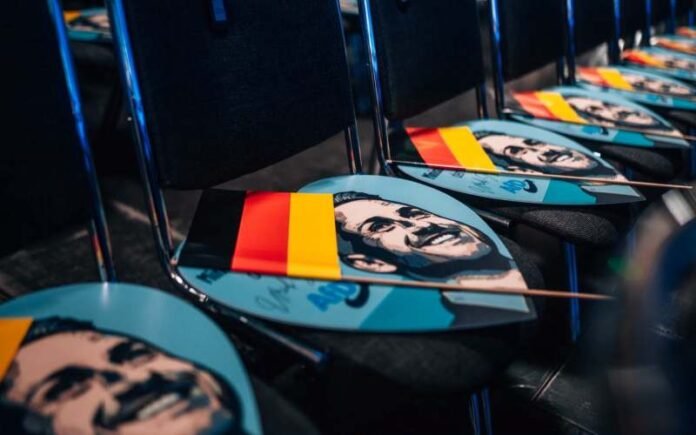
Germany’s far right claimed its biggest electoral success since World War II in Sunday’s regional vote in Saxony-Anhalt, with the Alternative for Germany (AfD) party advancing to the cusp of genuine power for the first time.

The state election is seen as a key test of whether the anti-immigrant, Russia-friendly AfD — now comfortably the most popular party in the EU’s biggest economy — can turn its electoral strength into a position in government.

The party itself is candid that it sees the eastern region of Saxony-Anhalt as a blueprint for its national ambitions, using the slogan: “It begins here.”

“We’ve made history. We’re taking back our country. It starts here in Saxony-Anhalt,” Ulrich Siegmund, the AfD’s candidate for regional premier, said at a victory event in the city of Magdeburg where a crowd chanted his name — “Uli, Uli” — in unison.

With almost all of the ballots counted, the AfD was set to win some 44 percent, a landslide on high turnout which would give it 39 seats in the regional parliament — just shy of the 42 seats needed to rule outright.

The political haggling over whether the AfD can wield power is now likely to center on whether it can come to an arrangement with the BSW, a populist-left party founded by a former member of East Germany’s communist party. The alternative is to persuade lawmakers from other parties to defect.

Sunday’s election is a catastrophe for the Christian Democratic Union of Chancellor Friedrich Merz. Its support crashed to less than 18 percent — a devastating implosion from the 37. 1 percent it scored in 2021.

The success of the AfD in this small state of just 2.1 million inhabitants has even sparked speculation about a potential Kanzlertausch, or chancellor swap.

Siegmund argued the result was a direct signal to Merz.

“Of course, it’s also a message directed at Berlin … Each day of having this man in the chancellery is one too many. That’s how people in Saxony-Anhalt see it, too.”

By 10 p.m., Merz was conspicuous by his absence, not having appeared to address the result, which is widely seen in Berlin as a turning point in the country’s post-war history.

Electoral math

The electoral arithmetic of whether the AfD can govern is still coming down to the wire.

The AfD’s national co-leader Alice Weidel immediately hailed a “historic result” and said the party had “a very clear mandate for governing.”

But Siegmund will now need to determine whether he can drum up support from members of other parties — even on an individual basis — to take him to the 42-seat majority.

Weidel said her party “always has an outstretched hand” for coalition partners. Siegmund also said he was willing to cooperate with other members of the legislature either as “a caucus or an individual representative.”

The most likely partner is the populist BSW party of Sahra Wagenknecht, which has denounced the “firewall” of mainstream parties against the far right as antidemocratic, and looks set to have four lawmakers. But the AfD has also made overtures to CDU members to peel off and join forces.

The BSW has proposed installing a “nonpartisan” premier to lead the state government with “shifting alliances” in parliament. But the AfD is unlikely to agree to such an arrangement; it appears more probable that the BSW could ultimately help the AfD’s lead candidate take power on a more informal basis.

Tino Chrupalla, the AfD’s other national co-leader, predicted the AfD would only get stronger if the other parties united against it to keep it out of power.

“Our position is clear. If the others think they know better and that this election result isn’t a sign of things to come, then they should go ahead [without the AfD], but the next election result will then be 50 plus,” he said.

Body blow to Merz

The outcome is a bruising blow for the CDU, which has governed the region over the past 24 years. CDU General Secretary Franziska Hoppermann called it a “very difficult result” and an “overall defeat” for the Christian Democrats.

Sven Schulze, the current prime minister of Saxony-Anhalt, also conceded the severity of the defeat, particularly since turnout appeared to be very high.

“The winner of the election, the AfD, is now the strongest force in the state parliament of Saxony-Anhalt, and we in the CDU will have to deal with this result,” he said.

That four in 10 voters in Saxony-Anhalt supported the AfD — even though the state’s intelligence agency has designated its local branch a right-wing extremist organization, and members of lead candidate Siegmund’s inner circle have reportedly belonged to an organization modeled on the Hitler Youth — underscores the widespread distrust in mainstream parties, the media and public institutions in eastern Germany, a region under communist rule during the Cold War.

The party achieved its best result since its founding in 2013 by vowing to deport migrants with a “remigration offensive,” to push for closer relations with Moscow — including by bringing back school exchange programs with Russia — to remove rainbow flags from schools, and to introduce a “baby welcome grant” of €2,000 for the first two children and €4,000 for each additional child. The party also pledged to reform school curricula to reduce material on Germany’s Nazi past in an effort to end what some of its politicians call a “guilt cult.”

However, the party’s success was apparently due less to its own pledges than to voters’ rejection of mainstream parties, particularly Merz and his conservative bloc. Only 9 percent of voters in Saxony-Anhalt approve of Merz’s performance, according to an ARD exit poll.

Saxony-Anhalt is the German state with the lowest average net income, and economic anxiety — over declining industry and rising energy costs — was a major factor motivating voters. Some 70 percent said they were “greatly worried” that rising prices would prevent them from paying their bills, according to an ARD survey, while 58 percent feared they would be unable to maintain their standard of living.

Surveys show that the AfD also leads in the eastern state of Mecklenburg–Western Pomerania, where voters go to the polls on Sept. 20. In Berlin, a traditionally left-wing capital where voters cast ballots the same day, the AfD is also performing strongly with around 18 percent support.

The Saxony-Anhalt result surpasses the AfD’s previous breakthrough in the eastern region of Thuringia, where it won 32.8 percent of the vote in 2024. After that election, the CDU was reduced to forming a minority coalition with left-wing parties.

Via Politico

Prabowo’s personal diplomacy is costing Indonesia

0
prabowo’s-personal-diplomacy-is-costing-indonesia
Prabowo’s personal diplomacy is costing Indonesia

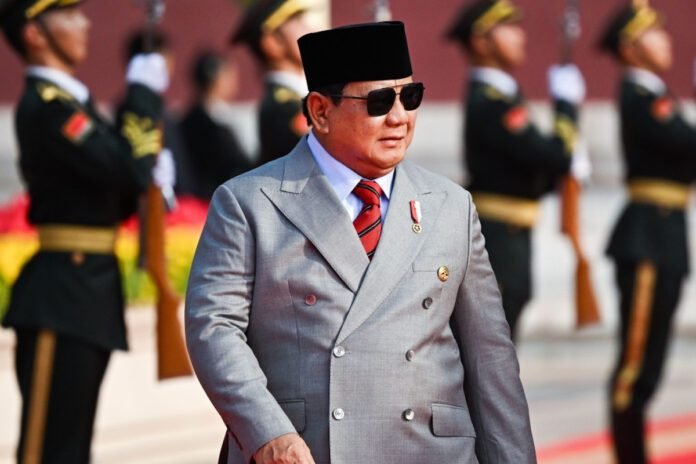
Indonesian President Prabowo Subianto is often on the road. Image: X Screengrab

A diplomat friend recently told me a small story that says more about Indonesian foreign policy than most position papers. President Prabowo Subianto was already traveling abroad when he decided, mid-trip, to add a stop in a neighboring country.

The host government got short notice. The visit never happened; there wasn’t time to prepare it. No slight was intended, and none was taken. But the episode captures a habit that has defined 18 months of Indonesian diplomacy: a president who runs foreign policy like a campaign rally — on instinct and momentum — rather than like a state institution, on process and preparation.

This is not a quirk; it is a pattern. Since taking office, Prabowo has visited dozens of countries, met Xi Jinping and Vladimir Putin repeatedly, pushed Indonesia into BRICS, signed a sweeping trade and security framework with Washington, and inserted Jakarta into mediation efforts from Gaza to the aftermath of the Iran strikes.

Analysts increasingly use one word for this record: personalistic. Foreign policy under Prabowo runs less through the Foreign Ministry’s institutional channels than through the president’s own relationships, instincts and travel schedule. Foreign Minister Sugiono and the career diplomats at Pejambon handle the follow-up; the direction and timing are set by one man, often on short notice.

There is a case for this style, and Prabowo’s defenders make it fairly. Indonesia, a country of nearly 280 million people, has long punched below its economic weight in global diplomacy. A president who shows up in Moscow, Beijing and Washington within months of each other signals that Jakarta wants a seat at every table, not just a comfortable one at ASEAN’s.

Prabowo frames this as “good neighbor” diplomacy: friendly with everyone, aligned with no one, true to the “free and active” doctrine his predecessors espoused. There is something to that. Indonesia’s nonaligned tradition has long rewarded presidents willing to talk to rivals simultaneously, and Prabowo’s willingness to sit down with Washington and Beijing in the same season is, in that narrow sense, consistent with decades of practice.

But style and substance are not the same thing, and a foreign policy built around one man’s calendar carries costs that one built around institutions does not. The first is credibility.

Diplomacy runs on predictability. Host governments need lead time to arrange security, protocol and a substantive agenda; a leader who bolts on a stop at the last minute asks his hosts to absorb a disruption his own planning failed to anticipate.

Canceled or scaled-back visits, even minor ones, accumulate into a reputation — and reputations are hard to shed once other capitals start hedging against Jakarta’s next surprise.

The second cost is coordination. As the president simultaneously deepens trade ties with the United States, expands cooperation with China, joins BRICS and offers to mediate conflicts in the Middle East, someone in Jakarta must reconcile these moves into a single, coherent strategy — and explain to skeptical partners why none of it amounts to taking sides.

Indonesia’s own foreign-policy law mandates nonalignment; critics have already flagged the awkwardness of a word like “alliance” surfacing in agreements with Washington. That contradiction is what happens when big commitments are made in the moment, capital by capital, rather than worked out in advance by the ministry whose job is exactly that.

The third cost is institutional atrophy. A foreign service exists to give a country continuity across administrations, not just across a president’s travel schedule. When major decisions are made on the road, by instinct, the ministry is reduced to a cleanup crew rather than an engine room. That may work while Prabowo has the energy and the relationships to sustain it personally. It will not survive him, and it will leave his successor with weaker institutions to inherit.

Indonesia’s foreign policy would be better served by a lighter presidential travel schedule and a heavier institutional one: fewer trips made or extended on impulse, and more of the substantive work — negotiating positions, coordinating with the ministry, building the coalitions that make a summit meaningful — done before the president ever boards a plane.

Let the system he leads do more of the work: route big decisions through the ministry before they are announced abroad, give host governments the lead time diplomacy requires, and trust that patient, less telegenic groundwork will do more for Indonesia’s standing than the next impulsive whistle-stop.

A president can be the face of foreign policy without being its only mechanism. Indonesia’s diplomats, and the countries that host them, deserve the difference.

Muhammad Zulfikar Rakhmat is director of the China-Indonesia Desk at the Jakarta-based Center of Economic and Law Studies (CELIOS) independent research institute. 

Japan’s Lockheed scandal revisited

0
japan’s-lockheed-scandal-revisited
Japan’s Lockheed scandal revisited

In December 1957, an American businessman stepped off a plane onto the tarmac of a chilly Tokyo International Airport at Haneda. Exhausted by the long flight from Los Angeles, the man was in his mid-50s and wore a serious expression behind his glasses that gave the impression he was someone of integrity.

It was rare for an American to visit Japan on business just before Christmas, but he had a compelling reason. The man was on a mission to sell a plane. The success or failure of this endeavor might determine the future of his company. So, he had given up his vacation with his family to come to Tokyo.

He was J. Kenneth Hull, an executive at the US aircraft manufacturer Lockheed. The product he wanted to sell was the supersonic F-104 Starfighter. He could never have imagined that, nearly 20 years later, he would help ignite the biggest political scandal in postwar Japan.

In February 1976, the US Senate Subcommittee on Multinational Corporations, chaired by Senator Frank Church, under the Foreign Relations Committee, revealed that Lockheed Aircraft Corporation had channeled more than 3 billion yen to covert operations in Japan. The outlays included bribes to right-wing fixer Yoshio Kodama and high-ranking government officials, in a campaign to sell the Tristar (L-1011) commercial aircraft to All Nippon Airways (ANA).

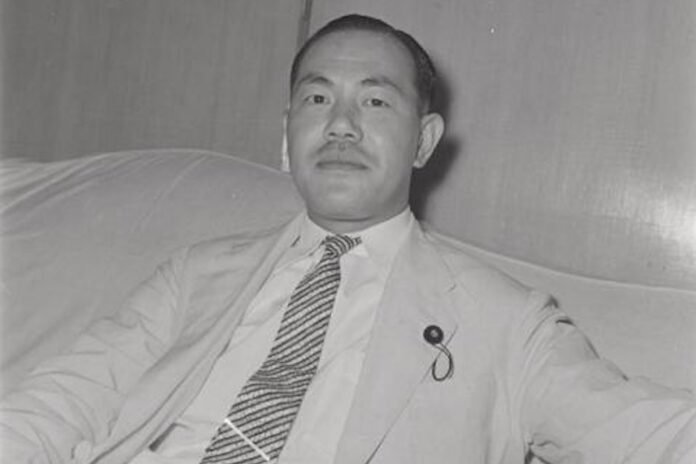
Marubeni, the trading company acting as Lockheed’s agent, had created receipts for the slush funds under the code name “peanuts.” In July 1976, the Tokyo District Public Prosecutors Office stunningly arrested former Prime Minister Kakuei Tanaka, for crimes committed while in office. Tanaka has since been regarded as the embodiment of plutocracy and the most corrupt politician in postwar Japan. The Lockheed scandal remains a black mark in the history of Japanese politics to this day.

However, focusing solely on Tanaka and Tri-Star misses the essence of the scandal. The morning after the illegal payments were exposed in the US Senate, a scrum of reporters visited Tanaka’s home in Mejirodai, Tokyo. One was Kotaro Nogami, a reporter for Kyodo News. According to Nogami’s memoir, Seiji Kisha (Political Reporter), the reporters asked about the high-ranking officials who had received the money. Tanaka reportedly replied with quiet but decisive voice: “‘This will become clear very soon. It’s something that has been going on for a long time.’”

One person who understood the meaning of these words was Kenneth Hull. Two days after Hull had arrived in Japan, on Christmas Eve, discussions began at a meeting of the Japanese government’s Defense Council regarding the Air Self-Defense Force’s next-generation main fighter jet. More than ten years had passed since the end of the war, and Japan’s economic recovery was well underway. Large-scale purchases of fighter jets were anticipated, and this was dubbed the “100-billion-yen sales war.”

Yet, objectively, Lockheed was at the back of the pack. Other US aircraft manufacturers were also aggressively marketing their wares. Among them, Grumman’s F-11 Super Tiger was a formidable rival. Like the F-104, it had a top speed of Mach 2 but differed in price and takeoff and landing distances. Ultimately, in April 1958, the Defense Council – chaired by Prime Minister Nobusuke Kishi – informally decided to adopt Grumman’s fighter jet.

Lockheed did not give up. Two months later, Hull met with Kodama through an interpreter. Kodama was said to be a fixer extraordinaire, with extensive connections ranging from political circles to the business world and even the yakuza, and to wield significant influence over the ruling Liberal Democratic Party (LDP). With his help, thought Hull, the government’s decision might be reversed.

Born into poverty in Fukushima, Kodama was an aggressive ultranationalist. During the war, he established the company “Kodama Agency” in Shanghai, China, to procure supplies for the Japanese military. In reality, procurement meant mostly looting from the local Chinese population. After the war, he was arrested by the General Headquarters (GHQ) as a Class A war criminal but later released and used the vast fortune he had repatriated from China to support the formation of the Liberal Party, which merged with the Democratic Party in 1955, creating today’s LDP.

At around the time that Lockheed was approaching government officials, Kodama’s power in Japanese politics was at its peak.

Kodama didn’t disappoint. In August 1958, the Lower House’s Audit Committee decided to take sworn testimony from officials of the Defense Agency and the Defense Council regarding the selection of fighter aircraft. Until the following spring, the circumstances leading to the decision to select Grumman had been relentlessly scrutinized. Furthermore, the Secretary General of the Defense Council stated that, after Grumman was selected, he received a phone call from Ichiro Kono, chairman of the LDP’s General Council, who told him, “I want you to do the right thing for Lockheed as well.” The lobbying had begun.

In June of the following year, 1959, the F-11 project was canceled. That summer, a government mission visited the United States to re-examine each aircraft model, and a report was submitted to the government. In November, the National Defense Council decided to adopt the F-104.

Although Grumman had initially been tentatively selected, the contract was canceled and it went to Lockheed instead. Even at the time, rumors of political maneuvering circulated. The opposition Japan Socialist Party went so far as to decide to summon Kenneth Hull to testify before the Diet. It wasn’t until much later than Lockheed admitted to sending cash overseas.

In May 1977, a year after Tanaka was arrested, Lockheed’s Special Review Committee published a report on payments related to overseas sales. The report included payments to “a third party in Japan” that began as early as June 1958, during the F-104 sales campaign. By January 1969, a total of 629 million yen had been paid, all in Japanese yen at the recipient’s request. The California headquarters purchased yen through Deak & Co., an American foreign exchange trader. The identity of the recipient of the funds was kept confidential even within the company.

In addition, a bank account was opened at the Bank of America branch in Hong Kong under the names of employees. Yen was procured there and transported to Japan. Through this route, 138 million yen was sent to Tokyo over a four-year period beginning in 1964.

Yoshio Kodama’s name does not appear in this report. However, it contains the phrase “a marketing consultant,” which is believed to refer to him. Nor does the report state whether part of the money that went to him was distributed to Kishi or to Kono. The Lockheed report stated that confidentiality was key “since the consultant’s effectiveness would be destroyed if his relationship with Lockheed became known.”

Marubeni became a sales agent for Lockheed in 1958. It was during this period that the connections between the individuals and organizations involved in the Lockheed scandal began to form.

At the time, Kakuei Tanaka was only in his early 40s and had served as minister of post and telecommunications in the Kishi Cabinet. He was the youngest cabinet minister since the war and rapidly climbed the greasy ladder of political power. It is unclear whether he was involved in the selection of fighter jets. But his statement that it had been “going on for a long time,” muttered when the Church Committee exposed the bribery scheme in the 1970s, suggested he at least knew the rumors of bribery.

So why did Lockheed go so far as to pay such huge bribes to secure sales in Japan in the first place? I found the answer in documents belonging to former Lockheed chairman Robert E. Gross at the Library of Congress in Washington, DC. He was the man who sent Hull to Tokyo to sell fighter jets to the Self-Defense Forces. It became clear that Gross’s greatest concern was the company’s poor performance and slumping stock price.

After World War II, the Cold War between East and West began, and the US and the Soviet Union faced off, each possessing huge arsenals of nuclear weapons. But in the mid-1950s, signs of a thaw began to emerge. In September 1959, Soviet Premier Nikita Khrushchev became the first Soviet leader to visit the United States, where he delivered a speech at the United Nations General Assembly in New York, calling for global disarmament. He also met with President Dwight D. Eisenhower, and through these events, an atmosphere of peaceful coexistence began to emerge between the two sides.

Two months after the F-104 was selected, Gross sent a letter to a shareholder who was worried about the prospects of Cold War disarmament. “I believe it is all a question of degree and time,” said Gross. “For example, if you were to take Mr. Kuruschev’s and to some degree our own government’s statements at face value and were literally to have 75 to 100 percent disarmament the calendar years of 1960 and 1961, I would say it would have a disastrous effect upon Lockheed. I would add that it would have a catastrophic effect on practically every big company in America.”

Other shareholders also asked Gross about the impact of disarmament. Here is his response.

[I]f we had literally the full disarmament that Mr. Khrushchev and even Mr. Eisenhower at times talk about, the defense business would disappear, and the companies so engaged would either be destroyed or would have to find other fields very quickly.… Although I personally favor some disarmament and, of course, hope for world peace, I feel that stark realism denies these possibilities.

Détente was a potential nightmare for the military industry, including Lockheed. If tensions between the US and the Soviet Union eased, orders for warships, fighter jets, and missiles would decline. The company’s revenue would drop, and its stock price would fall. Chairman Gross had been receiving letters from shareholders across the US, expressing dissatisfaction with the slumping stock price and dividend cuts.

If the domestic market was shrinking, the only option was to sell overseas. In that regard, Japan was an attractive prospect. If Lockheed’s aircraft could be selected as the next-generation main fighter, it would be a massive deal. If it took hiring a right-wing power broker and a former Class-A war criminal as a consultant, or paying bribes to get the contract, so be it. So long as it protected the company’s employees and shareholders, it was no big deal. On the very day the National Defense Council decided to adopt the F-104, Lockheed’s stock price rebounded on the New York market.

In October 1960, Gross visited Japan with his wife. The purpose of the visit was to meet with key government officials and inspect the factory of Mitsubishi Heavy Industries and Kawasaki Heavy Industries, which manufactured the fighter jets under license. During his stay, Gross made a stop in Kyoto and stayed at a hotel near Mt. Hiei. Gazing at the beautiful mountain with its autumn foliage, he must have felt a great sense of satisfaction. After returning home, he wrote a letter to a shareholder stating, “The last six months of 1960 taken by themselves were extremely profitable.”

Thus, the origin of the Lockheed scandal lay not in the TriStar commercial airliner, but in a sales war over fighter jets. The scandal was born from the fusion of the LDP’s karma and America’s profit-first capitalism.

In principle, when the scandal came to light, the investigation should have been able to trace the matter all the way back to the Kishi administration. Lockheed’s accounting firm, Arthur Young & Co., had already noticed questionable cash payments as early as around 1960. But what would have happened if they had pursued the matter publicly? It could have turned into a far greater scandal, potentially shaking not only the LDP but also the US-Japan security system. If that had happened, the Soviet Union would have been the one to benefit.

Half a century ago, in July 1976, Tanaka was branded as the most corrupt politician in postwar Japan. Yet, he single-handedly shouldered the dirty secrets of the Lockheed scandal, playing the role of the villain, a move that ultimately saved the Western bloc during the height of the Cold War.

Eiichiro Tokumoto is a writer living in Tokyo. Originally published by Number 1 Shimbun, the monthly magazine of the Foreign Correspondents’ Club of Japan, this article is republished with permission.

TV Star Screams as Judge Sentences Her to Death

0
tv-star-screams-as-judge-sentences-her-to-death
TV Star Screams as Judge Sentences Her to Death


A glamorous Egyptian TV personality broke down in court and begged for mercy after she was sentenced to death by hanging in a massive drug case, according to local reports.

Sarah Khalifa, 39, reportedly sobbed and screamed that she had “never smoked a cigarette” as a Cairo court handed down the stunning sentence.

“I swear to Almighty God, with the strongest oath, that I have been wronged,” Khalifa reportedly cried out in court, according to CNN.

The television presenter, who has millions of followers online, was among 12 defendants sentenced to death on charges including manufacturing, promoting and trafficking synthetic drugs.

Prosecutors also accused members of the group of illegally possessing firearms and ammunition.

Khalifa is best known in Egypt for presenting “Mission Impossible,” a television program focused on crime and security.

During the dramatic sentencing, she reportedly pleaded with the court for “mercy and humanity” and told judges she was suffering from a tumor.

The death sentences were issued after the court consulted Egypt’s Grand Mufti, the country’s highest Islamic legal authority. The consultation is a required step in Egyptian capital punishment cases.

The ruling is not yet final and can still be appealed.

State-linked newspaper Al-Ahram reported that prosecutors built their case using 20 witness statements along with photographs allegedly showing Khalifa’s involvement in criminal activity.

Authorities claimed the defendants used two apartments as makeshift laboratories where drugs were stored and manufactured.

Investigators ultimately seized more than 750 kilograms — roughly 1,650 pounds — of synthetic narcotics and raw materials allegedly intended for drug production, according to prosecutors.

Nine other defendants were sentenced to life in prison, while seven were acquitted.

Two additional suspects allegedly connected to the operation remain on the run and have been placed on travel bans and watch lists.

Khalifa was arrested in April 2025 as authorities began unraveling what they described as a huge drug operation.

At the time, Egypt’s Ministry of Interior said officers had seized about 200 kilograms of narcotics and raw materials, along with gold jewelry, cash in Egyptian and foreign currencies, and five vehicles.

Authorities alleged those items were proceeds of criminal activity.

Further investigation reportedly pushed the total amount of seized drugs and raw materials beyond 750 kilograms.

Egyptian reports estimated the drugs could have been worth more than one billion in local currency once manufactured and sold.

Khalifa had built a glamorous public image before her arrest.

She has around 2.6 million Instagram followers and frequently uses her social media pages to promote a cosmetic surgery and beauty business.

She also founded the production company Sarah Production, which organized concerts and events in Egypt and Gulf countries.

In 2024, Khalifa appeared in the YouTube program “Sarah and Beka” alongside performer Hamo Beka, interviewing artists and celebrities.

She has also been linked to a beauty center in Cairo’s Agouza district, which she promoted online.

But the drug case is not Khalifa’s only legal problem.

She was also sentenced alongside other defendants to five years in prison in a separate case involving the kidnapping and assault of a young man.

Egypt allows the death penalty for crimes including terrorism, premeditated murder, rape and drug trafficking.

Human rights organizations have repeatedly criticized the country’s use of capital punishment.

Amnesty International has previously accused Egyptian courts of issuing death sentences after what the organization described as “grossly unfair trials.”

The Egyptian Commission for Rights and Freedoms claimed more than 500 death sentences were issued in the country last year, while 23 prisoners were executed.

For Khalifa, the dramatic fall from celebrity TV host and social media star to death-row defendant now hinges on what happens during the appeals process.

Saudi Energy Group Signs Landmark Oil, Gas Agreements With Afghanistan

0


Saudi Arabia’s Delta Energy Group on Monday signed landmark agreements with Afghanistan’s Ministry of Mines and Petroleum covering oil and gas exploration across approximately 9,000 square miles (23,317 square kilometers) in western Afghanistan. 

The agreements also include a natural gas utilization study in Herat and plans for a proposed 435-mile (700-kilometer) gas pipeline, in a deal that could pave the way for billions of dollars in future investment. The agreements were signed in Kabul on Monday in the presence of former US Special Representative for Afghanistan Zalmay Khalilzad, whose participation added a notable geopolitical dimension to the investment deal with Afghanistan’s Taliban authorities. 

Delta Energy is a Saudi-based independent energy group involved in oil and gas exploration, natural gas, pipelines, and energy infrastructure. 

According to Afghan media reports, under the main agreement, Delta Energy will explore the Kushk-Tirpul contract area in western Herat province, covering approximately 9,000 square miles (23,317 square kilometers). 

The company plans to carry out geological and geophysical studies, seismic surveys, exploratory drilling, and reservoir evaluations to determine the scale and commercial viability of hydrocarbon resources in the area. The company will also finance a study examining the use of natural gas in Herat, including supplies for the Herat Industrial Park, Herat city, and other approved areas. The study will assess possible applications in industry, electricity generation, and other energy requirements. 

A separate agreement establishes a framework for studying a proposed 435-mile (700-kilometer) gas pipeline, which Delta describes as the “CentGas–Corridor of Prosperity.” 

The proposed route would connect a gas receipt point near Guzara district in Herat with a delivery point near Spin Boldak in Kandahar, potentially creating a new domestic and regional energy corridor. 

Delta estimates that the proposed pipeline alone could require about $10 billion in investment over a decade. 

Afghanistan’s acting Minister of Mines and Petroleum Hedayatullah Badri, described the agreement as an important step toward developing the country’s hydrocarbon resources, saying cooperation with Delta could help improve energy security and support economic activity. 

Khalilzad, who served as the US special envoy for Afghanistan and later as the US special representative for Afghan peace negotiations, welcomed the agreement during the signing ceremony. 

He said Afghanistan had significant natural resources and a strategic geographic position that could help connect Central and South Asia, describing the agreement as a significant development for the country. 

His presence at the ceremony is particularly notable because Khalilzad has remained engaged with Afghanistan’s political and economic affairs since leaving official US government service. His appearance alongside senior Taliban officials and executives of the Saudi energy group highlights the increasingly business-oriented engagement taking place around Afghanistan’s natural resources, even as the Taliban government remains diplomatically isolated from much of the international community. 

Multiple outlets reported that Khalilzad, now a private citizen with no official US government role, attended high-level meetings with Taliban Deputy Prime Minister Abdul Ghani Baradar and Delta executives, as well as the signing ceremony. 

His presence has raised questions about his role, including whether he helped arrange or influence the agreements and why a former senior US envoy attended deals covering about 9,000 square miles of Afghanistan.  


Von der Leyen visits Greenland amid Trump pressure

0
von-der-leyen-visits-greenland-amid-trump-pressure
Von der Leyen visits Greenland amid Trump pressure


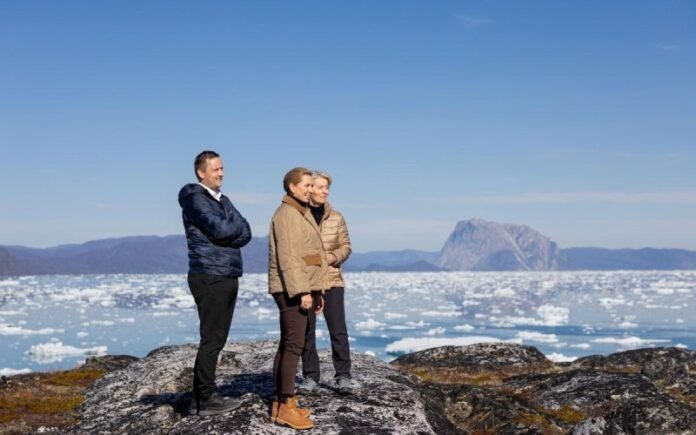
European Commission President Ursula von der Leyen is in Greenland for a two-day visit as the European Union plans a major boost in investment in the region amid threats of US annexation under President Donald Trump.

Alongside the EU investments, she is expected to announce closer political ties with the autonomous Arctic territory which is part of the Kingdom of Denmark.

The European Commission head arrived in Greenland’s capital Nuuk on Sunday in a show of support for Greenland and Denmark, and was received by Greenlandic Prime Minister Jens-Frederik Nielsen and Danish Prime Minister Mette Frederiksen.

In a post on X, Von der Leyen said the EU is committed to “contributing to a safe, peaceful Arctic and to the security of Greenland.”

What does the EU investment package include?

The EU package is expected to include hundreds of millions of euros in investment in:

  • critical minerals,
  • satellite communications
  • renewable energy

Von der Leyen said the package would be “substantial” but gave no details.

Greenland’s Prime Minister Jens-Frederik Nielsen described the visit as an opportunity to deepen the territory’s “close friendship and good partnership” with the EU.

The largely autonomous Greenland

0FansLike
0FollowersFollow
0FollowersFollow
0SubscribersSubscribe
- Advertisement -
Google search engine

Recent Posts