22 C
London
Sunday, June 21, 2026
Home Blog

Hezbollah rejects Israel’s ‘free rein’ to carry out attacks amid Lebanon ceasefire

0
hezbollah-rejects-israel’s-‘free-rein’-to-carry-out-attacks-amid-lebanon-ceasefire
Hezbollah rejects Israel’s ‘free rein’ to carry out attacks amid Lebanon ceasefire

Hezbollah Secretary-General Naim Qassem on Sunday rejected any ceasefire that grants Israel a “free rein” to carry out attacks in Lebanon, Anadolu reports.

“They said a ceasefire means that Hezbollah will not fire, while Israel will remain free to act, to kill wherever it wants, and to advance wherever it wants. This is called a continuation of the aggression, and we will not accept it,” Qassem said in a televised speech.

“There is no such thing as a ceasefire with freedom of movement for Israel,” he stressed.

The Hezbollah chief said a ceasefire means “a complete cessation of aggression by air, land, and sea, and a halt to destruction.”

“The continued presence of the Israeli army on Lebanese soil is impossible. There are no safe zones. We have a national army, and it is the one that is deployed, the one responsible for preserving sovereignty, and the one with whom we cooperate.”

READ: Trump warns Iran to stop ‘proxies in Lebanon’ or US will hit Tehran ‘very hard again’

Israeli Prime Minister Benjamin Netanyahu said Sunday that his army will not withdraw from occupied territory in southern Lebanon, despite the US-Iran understanding calling for Lebanon’s sovereignty and territorial integrity.

His comments came after a major Israeli escalation in Lebanon on Friday and Saturday, during which the Israeli military launched more than 200 strikes across southern and eastern parts of the country, claiming to target Hezbollah sites. Anadolu correspondents reported that many of the attacks hit homes and civilian infrastructure.

According to Lebanon’s Health Ministry, the strikes killed 105 people and injured over 150 others on Friday and Saturday.

Israeli attacks in Lebanon have killed more than 4,100, and injured over 12,000 others since March 2, according to official Lebanese figures.​​​​​​​

Israel continues to occupy areas in southern Lebanon, some held for decades and others seized during the 2023–2024 war.

READ: Israeli army won’t withdraw from occupied territory in southern Lebanon, defense minister says

Gen. Avivi: US Should Have Taken Military Control of Strait of Hormuz

0
gen.-avivi:-us-should-have-taken-military-control-of-strait-of-hormuz
Gen. Avivi: US Should Have Taken Military Control of Strait of Hormuz


American control of the strategic waterway would have signaled that Washington remains prepared to guarantee freedom of navigation and prevent Iran from using the strait as leverage

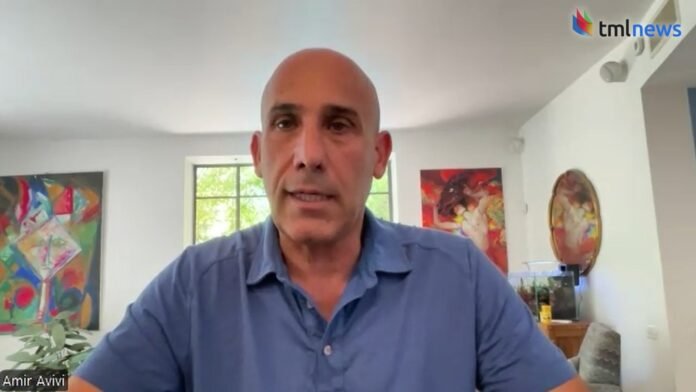
“As a general, I must say I’m very, very surprised the US didn’t take over militarily the strait,” Brig. Gen. (ret.) Amir Avivi told The Media Line, warning that the emerging US-Iran memorandum of understanding leaves dangerous uncertainty over the Strait of Hormuz, Israel’s freedom of action, and the future of pressure on Tehran.

As a general, I must say I’m very, very surprised the US didn’t take over militarily the strait

I asked the general whether the strait was truly open or whether the memorandum itself showed that the waterway remained contested. For Avivi, the strategic waterway is one of the clearest tests of whether the memorandum is a real step toward stability or a pause that allows Iran to recover.

The Strait of Hormuz is one of the world’s most important energy chokepoints, linking the Persian Gulf to the Gulf of Oman and the Arabian Sea. Any disruption there can affect global oil markets, shipping costs, insurance rates, and regional security. For Avivi, the question is simple: If the strait is truly open, why is a deal needed to open it?

“Yes, it’s not clear,” he said.

Avivi said US Central Command had cleared a passage near Oman to allow ships to leave the strait, but argued that this suggests the waterway is not fully open.

“If the strait was open completely, the way it’s described, you wouldn’t need this deal at all, because this deal is just about opening the strait,” Avivi said.

“It’s releasing the blockade in order to get Iran to agree to open the strait. So why would you need a deal if the strait is open? So obviously it’s not really open,” he asserted.

Avivi said he expected a stronger American military posture to guarantee freedom of navigation. A country as powerful as the United States, he argued, “should be able to control militarily the strait and ensure freedom of shipment in the strait.”

“And it’s not happening. This is not good news,” he said.

That criticism runs through Avivi’s broader assessment of the memorandum. In his view, the danger is not only what the document says, but what Iran, Hezbollah, and other Iranian-backed forces may believe it signals: that pressure is easing and Washington is less willing to fight.

“Now, we cannot be a power if you’re not willing to fight, if you’re not willing to take chances, and if you’re not willing to have casualties,” Avivi said.

He said that did not mean supporting open-ended wars with unclear goals.

“And I’m not saying you need stupid wars. I’m not saying we need 20 years in Iraq or Afghanistan or other wars which were not necessarily smart. We can do a smart war, but we need to be willing to sacrifice and fight for what you believe in, for your values, and for the freedom of shipment globally.”

Avivi described the US-Iran document as provisional and limited, not a final agreement that should reshape Israel’s military calculations.

It’s a memorandum of understanding. It’s not a binding contract. It’s not a final agreement.

“It’s a memorandum of understanding. It’s not a binding contract. It’s not a final agreement,” he said.

He said the memorandum defines a short-term framework rather than a settled strategic outcome.

“It’s a memorandum that defines what will happen in the next two months, and anything can happen. Israel hasn’t signed anything. It’s not part of the deal, and Lebanon is not part of the deal.”

For Avivi, that distinction is central. Israel, he said, is not party to the arrangement, yet could still be pressed to reduce its military activity while Iran and Hezbollah use the lull to regroup.

“And yet, we’re demanded again and again not to fight freely, not to defend our citizens and soldiers the way we should do,” he said.

Avivi said Israel is currently focused mainly on southern Lebanon rather than striking Hezbollah positions across the country. In his view, that restraint carries a price.

“We’re fighting mainly in south Lebanon, and this enables Hezbollah to regroup, to be more effective. This endangers our soldiers and our citizens, and this is not a good place to be.”

The concern, Avivi said, is that Tehran and its allies will read any visible gap between Washington and Jerusalem as an invitation to push harder.

“I think that when Iran and its proxies see a kind of daylight between the US and Israel, they get emboldened,” he said. “It’s obvious that they are going to try to embarrass the president. It’s obvious that they are going to try and deepen the daylight between Israel and the US.”

The retired general said Israelis are watching the diplomatic shift with deep unease.

“No. I must say in Israel, … we are very worried about where things are going,” Avivi said when asked whether the region was in a good place.

He contrasted the current uncertainty with what he described as a more decisive opening stage of the war.

“We started the war with a lot of resolution, fighting together with the US, with a clear message from President Trump saying there will be unconditional surrender of the regime.”

Avivi said military action and economic pressure had badly damaged Iran’s capabilities. He described the US blockade as especially important, saying it placed a severe strain on the Iranian economy.

“The US imposed a blockade that obviously was very, very effective and brought their economy to the point where if you continue the blockade, it might collapse,” he said.

That is why he sees any easing of pressure as dangerous.

“And now we’re in a different stage where the Iranians are getting emboldened,” he said. “They feel that maybe the US lost the willingness to fight. And we are talking about releasing money to the regime, about opening the blockade, which was relieved now and destroyed.”

Avivi did not argue that US-Israel relations had collapsed. He said some of the alarm in Israel may be premature, and that Washington may still use the next phase to pursue the original goals of the war: preventing Iran from acquiring nuclear weapons, stopping ballistic missile production, and cutting off support for its regional network.

“There is a tendency immediately to go to complete pessimism, and that’s it, and we are done, and the relationship between Israel and the US is terrible. I don’t think this is the case,” he said.

Still, Avivi made clear that his basic view of the Iranian regime has not changed.

They understand only one language, and this is power

“They’re not going to abide to any agreements. This is the way they work. They understand only one language, and this is power,” he said.

He argued that sanctions and military force remain the only tools capable of changing Tehran’s behavior.

“Whether economical sanctions or kinetic attacks, there’s no other way to bring this regime on its knees. They’re never going to give up nuclear potential capabilities without a fight. This is the reality on the ground.”

Avivi said he understands that the US president may be trying to ease a global energy crisis, but warned that diplomacy cannot replace the war’s stated aims.

“Now, maybe in the eyes of the president, there is a need to ease the crisis, the energy crisis globally that’s going on, and it’s understandable,” he said, “but the bottom line is we’ll have to go back and fight and bring this regime on its knees and do what we said we’ll do from the beginning. Bring them to a state of unconditional surrender.”

Asked what message he would send to Washington, Avivi said the United States should assume Iran will deceive.

“But I would say to the US, don’t believe to anything they say. They’re not going to do anything. You know, they say they will. We know the Iranians are going to deceive,” he said.

If Iran fails to comply, he said, Washington and Jerusalem should return to pressure.

“They’re going to lie. And the moment they don’t deliver, we need to go back to a blockade, and we need to go back to deal with them militarily, continue degrading their leadership and capabilities until we get to the point where this regime is not sustainable anymore.”

One of Avivi’s sharpest warnings concerned possible financial relief for Tehran. If money is released to Iran, he said, it will not strengthen moderates or produce stability. It will help rebuild Iran’s military capabilities and support its proxies.

“Definitely. Any money this regime will get will be used to strengthen their proxies, will be used to build up again military capabilities,” he said.

He tied the issue directly to future casualties.

“This will cost the lives of American soldiers, and this will cost the lives of Israeli soldiers.”

Avivi said he believes the Iranian regime must ultimately fall and that agreements with it cannot produce lasting security.

“It’s a very bad idea to give money to this regime. This regime must fall. We need a change of regime in Iran, and dealing with any agreement with this regime is a bad agreement,” he said.

I asked Avivi whether Israel could act without the United States if the memorandum failed to produce real Iranian concessions. His answer was immediate.

“Israel obviously can do it alone,” he said.

He acknowledged that American support remains important, but said Israel has the military ability to continue operating against Iran.

“We do need American support and so on,” he said, but “militarily, Israel can definitely deal with Iran. We completely control their airspace.”

Avivi said Israel has already demonstrated that capability.

“We’re able to strike them wherever we want, when we want, and the IDF is getting ready for that. We understand that we might be in a situation where we’ll have to deal with this alone. We started alone, by the way.”

He added, “Our first attack, the 12-day war, we went alone.”

Asked about the Iranian public and the possibility of renewed internal unrest, Avivi said the issue extends beyond any single ethnic or opposition group.

“I don’t know if it’s just about the Kurds. I think we’re talking about overall the Iranian people,” he said. “I would say that probably 90% of the Iranian society wants a change of regime.”

He said Iran’s internal conditions are dire, citing water shortages, electricity problems, a broken currency, and high inflation. Yet he warned that domestic opposition is less likely to move if the regime senses hesitation from outside powers.

“It’s very hard to predict when they will feel emboldened enough to go to the streets again and fight,” he said. “But when we see hesitation, when we see at this point lack of resolution, when we see this regime again emboldened, it’s hard to see how the Iranian people will rise.”

Looking beyond Iran, Avivi said the region needs a broader alignment built around Israel, the United States, and moderate Sunni states. He said Saudi Arabia should no longer keep its relationship with Israel behind the curtain.

“You know, before the war, we were on the verge of normalization. And Israel and Saudi Arabia, behind the scenes, have a lot of relations, and there’s a lot going on. But I think it’s time that Saudi Arabia moves out of the shadows and normalizes relations with Israel,” he said.

Avivi described Saudi Arabia as a central player in a larger regional structure.

“Saudi Arabia is the leader of the Sunni world,” he said. “In order to deal with the dangers that Iran and its proxies present, by the way, dangers that are existential for the Gulf states and Saudi Arabia, and also to deal with Sunni radicalism, Muslim Brotherhood—also a big danger to moderate Sunni states—you need an alliance. You need an Israeli-American-Sunni alliance.”

He said Gulf states have seen sharp changes in American policy between administrations and may conclude that Israel is the more consistent regional partner.

“They can only trust Israel always being resolute and always be willing to fight,” he said.

For Avivi, the memorandum may still lead somewhere useful if Washington uses the coming weeks to maintain pressure and demand real concessions. But he warned that if the document becomes a pause without leverage, Iran and its allies will use it.

His argument is blunt: diplomacy is not the problem; diplomacy without force is. The question now is whether the US-Iran track will contain Tehran or convince Tehran that the pressure is lifting.

Trump admin’s coal investments assist plants with repeated violations

0
trump-admin’s-coal-investments-assist-plants-with-repeated-violations
Trump admin’s coal investments assist plants with repeated violations

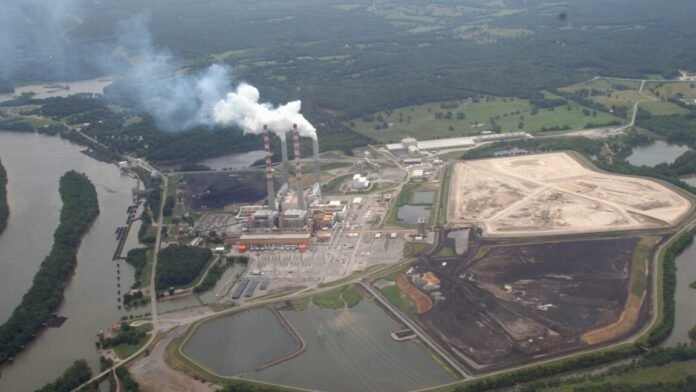
In 2023, after years of pollution, equipment failures, and health concerns, the Cumberland Fossil Plant in Tennessee was slated to close within the decade.

The coal-fired plant had been part of a multibillion-dollar settlement in 2011 after its operator, the Tennessee Valley Authority, failed to install pollution control technology a decade earlier. Regulators cited the plant for more air-pollution violations in 2017 and 2023. TVA said it would shutter Cumberland’s units in 2026 and 2028.

Then the Trump administration replaced four of TVA’s board members, and the agency reneged on its retirement plan in February. Now, TVA has a federal pledge for $46 million to extend Cumberland’s lifespan—part of a nationwide push by President Donald Trump to keep older coal plants running.

Cumberland is one of at least three of the 12 plants receiving the Department of Energy grants that have been repeatedly cited for violating the Clean Air Act, the Clean Water Act, or both, an Inside Climate News review found. The other two are Grand River Energy Center in Oklahoma and the Roxboro Steam Electric Plant in North Carolina, cited for various environmental violations, such as releasing wastewater with excess pollutants, over the past decade.

For Angie Mummaw, a local organizer who lives eight miles from the Cumberland plant, the grant was like a “slap in the face.”

“I feel like it’s a step backwards when we should be investing in clean energy, in new technology, and moving away from the fossil fuel industry,” said Mummaw, who is the Middle Tennessee organizer for Appalachian Voices, an environmental group.

Maggie Shober, the Southern Alliance for Clean Energy’s research director, said retiring coal plants is “one of our primary ways” to combat pollution, climate change, and associated health harms. Extending their operations, she said, “will make climate change happen faster and will make it worse over the long-term.”

Multiple studies have also linked coal-plant air pollution to early death, with impacts reaching hundreds of miles from the facilities themselves. One study estimates that just one of Cumberland’s air pollutants, toxic fine particles, contributed to 1,000 deaths as far away as New York and Massachusetts from 1999 to 2020.

The June investment comes after the Trump administration unraveled climate regulations and relaxed environmental enforcement, which experts say could have lasting effects on public health. Trump, an outspoken coal proponent, has made defending fossil fuels a centerpoint of his presidency, dismaying activists and academics.

An Energy Department spokesperson did not respond to specific questions about the history of violations at three of the coal plants it’s funding, saying instead that Trump is committed to “reversing the American war on coal.”

“These investments are intended to keep reliable generation online, strengthen grid resilience, expand coal supply chain capacity, and ensure the availability of power needed to support critical infrastructure and maintain essential generation resources during periods of high demand and grid stress, including severe weather events,” the spokesperson wrote.

Courtney Bernhardt, research director for the watchdog group Environmental Integrity Project, said funding plants with a record of violations aligns with Trump’s second-term policies.

“I’m not surprised—but I am disturbed,” Bernhardt said in an email. “The Trump administration seems to disregard the compliance status of many of the plants that they’re trying to put forward, and they’re trying to, at the same time, weaken permitting requirements for the energy sector.”

Repeated violations 

Scott Fiedler, a TVA spokesman, said “increasing power demand and changes in the regulatory landscape” prompted the February decision not to close the Cumberland plant. When making long-term decisions, he added, TVA follows “a structured, transparent process that includes environmental reviews, operational assessments, system‑wide reliability analysis and compliance with all applicable regulations.”

“TVA remains committed to serving the Valley with energy that is reliable, affordable and resilient,” Fielder added.

The Southern Environmental Law Center, which has long opposed Cumberland, said TVA did not give the public an opportunity to comment on the change. Delaney King, an associate attorney with the group, said the plant’s history of violations speaks to a broader challenge.

“Cumberland is more a symptom of the larger problem that these coal plants are many decades old and trying to be dragged into a modern regulation and environmental space that they’re not well-suited for, because of how old and dirty and unreliable that they are,” King said.

Mummaw, who lives near the Cumberland plant, said residents can see the impact: “As the pollution’s coming out of the stacks, it tends to settle on cars and things, and so there’ll be this sooty dust that accumulates on folks’ cars and homes.”

In April the state of Oklahoma proposed an $8,100 fine against the operator of the Grand River plant—to which the Energy Department pledged $28.5 million toward a $76.5 million project—for failing to test for particulate matter. The state also sent the plant five notices of air pollution violations between 2017 and 2021, and found the plant exceeded pollution limits in its wastewater several times in the past three years.

Asked for comment about the violations, a spokesman for operator Grand River Dam Authority sent a press release that did not address that question. It said the grant would help modernize the facility and extend its operational life.

Christopher Sellers, an environmental history professor at Stony Brook University who reviewed the Grand River and Cumberland records for ICN, said repeated violations often indicate fundamental issues with plants.

“This is a health issue that has not been fixed at this plant, even as it’s been fixed in so many other coal-fired plants,” Sellers said about such violations. “And so it suggests that there’s something being overlooked here.”

Roxboro, meanwhile, will receive $28.4 million toward a $72.7 million project, the Energy Department said. North Carolina regulators notified Duke Energy, which operates Roxboro, of a violation six times in the past 10 years. Most of the violations stemmed from either a reporting issue, such as failing to provide pollution-testing results, or exceeding wastewater pollution limits, according to reports reviewed by Inside Climate News.

A 2019 settlement between the state, environmental groups, and Duke Energy required the company to excavate over 80 million tons of the plant’s coal ash after leaks that contaminated groundwater on plant property.

Coal ash, a toxic byproduct of burning coal, often contains harmful substances like arsenic and lead. Under North Carolina law, the company previously was required to provide alternative water supplies to nearby residents to mitigate coal ash contamination. The utility maintains that there is no evidence that North Carolina ash basins are influencing neighbors’ water supply wells.

Roxboro, which sits 1.5 miles from an elementary school, currently has an outstanding violation for failing to report its wastewater discharges, according to a federal compliance dashboard.

Most of the listed wastewater infractions for Roxboro were relatively minor, and energy utilities have often contested reporting violations. One of Duke Energy’s 2024 violations, for instance, was for failing to submit a test that it argued a third party was responsible for.

“Duke Energy operates Roxboro Steam Plant in a manner that meets all state and federal permit requirements, ensuring continued protection of the public and environment, while also making strong progress executing basin closure plans that state regulators likewise confirmed as protective of the public and environment,” said Bill Norton, a Duke Energy spokesperson.

But the violations for failing to report are still significant, especially when repetitive, because they prevent the state from looking more closely at the facility, said Hope Taylor, Clean Water for North Carolina’s executive director.

“If they are not getting a substantive report of some actual quantitative water quality violation, that’s just hiding the underlying violation,” Taylor said.

Given the Trump administration’s environmental enforcement record, she fears the grants will simply boost utility profits, rather than reduce emissions.

“I don’t think that any of that funding should have gone to extend the life of these permits,” Taylor said.

Redefining “cost-effective”

Three years ago, Grand River Dam Authority officials said their coal plant was “uninsurable” and financially risky. They decided to replace it with renewable energy and natural gas.

There was no mention of that history in the authority’s announcement that it would take the Energy Department grant and spend $48 million more on upgrades. Oklahoma Watch reported that the cash infusion would give the plant several more years of operation.

“Extending the life of Unit 2 represents the most cost-effective solution for GRDA, as compared to new-build generation alternatives,” Dan Sullivan, the authority’s president and chief executive officer, said in a statement. “This grant allows us to leverage existing infrastructure to continue to deliver affordable and reliable power to GRDA customers in the future.”

Duke Energy, meanwhile, proposed in a December 2025 filing to retire Roxboro’s coal units by 2034. Norton said that has not changed and the grant will maintain reliability while keeping costs down as the utility invests in future projects.

When TVA outlined its plans to phase out the 50-year-old Cumberland plant, it noted “environmental, economic, and reliability risks” across its coal facilities. Keeping Cumberland running, the utility said, would “continue to produce relatively large quantities of air pollutants.”

The utility, which is federally owned, reversed course after Trump replaced four TVA board members in 2025. TVA’s chief financial officer, Tom Rice, praised “beautiful, clean coal” in a February board meeting, echoing Trump’s trademark energy slogan.

Shober, with the Southern Alliance for Clean Energy, criticized the decision as “a tit-for-tat payback” that will do “serious damage and harm to TVA’s customers, the people that live in the Tennessee Valley.”

Fiedler, the TVA spokesman, said the Trump administration’s coal push aligns with TVA’s reliability goals.

In January, TVA estimated that maintaining the plant to current regulatory standards would require a $738 million investment, according to internal documents obtained by the Southern Environmental Law Center through a public records request and reviewed by Inside Climate News. That’s more than six times the project listed on the federal grant announcement. Still, the board asserted that the move would ultimately save money.

King, with the Southern Environmental Law Center, doubts that. She said TVA’s plan for Cumberland means its customers will have to “foot the bill for projects that many of them didn’t want.”

Sellers, the environmental history professor, said the Trump administration’s willingness to invest in the plants is “making pollution great again.”

“We’re going to pay the price for that,” he said. “Certainly, the people living next door to those plants, they’re going to pay the price for that first and most severely.”

This article originally appeared on Inside Climate News, a nonprofit, non-partisan news organization that covers climate, energy, and the environment. Sign up for their newsletter here.

Donald Trump Sparks New Health Fears with Bizarre Post

0
donald-trump-sparks-new-health-fears-with-bizarre-post
Donald Trump Sparks New Health Fears with Bizarre Post


President Donald Trump set off a wave of confusion after posting a photo of an unidentified woman online and appearing to refer to her as his daughter.

The post quickly spread across social media, where critics questioned who the woman was and why Trump described her in such personal terms.

The image showed a woman sitting in what appeared to be an office. Alongside it, Trump wrote: “Great daughter. My Honor!!! President DJT.”

But the woman did not appear to be either of Trump’s daughters, Ivanka Trump, 44, or Tiffany Trump, 32.

That immediately sent users scrambling for answers.

Within minutes, screenshots of the post were being shared across social media as people demanded to know who the woman was and whether Trump had confused her with a family member.

“Who the hell is it and why does it seem like he thinks it’s his daughter?” Democratic commentator Brian Krassenstein wrote. “One of the main signs of dementia is confusing people for family members.”

Others piled on with their own concerns.

“He is already losing it. Who is this?” one person wrote.

Another user said: “Nothing to see here. Just the President of the United States actively sundowning in real time for the entire world to see.”

A fourth critic asked: “What in the name of dementia is going on here?”

Someone else wrote: “Honestly, this is a head banger. Who the f— is that?”

Another worried user added: “I don’t know who that is, and I’m scared now. I’m really scared. Why is President Trump giving us these late-night mysteries??? I don’t like it.”

One person bluntly asked: “Are you not well? Cause it seems you’re not well.”

Another wrote: “He’s lost what little mind he had left.”

Despite the growing uproar, the White House did not immediately clarify the identity of the woman in the post or explain what Trump meant by the caption.

The strange moment comes as Trump’s online behavior is already facing new scrutiny.

The president has been posting heavily on Truth Social, with The Daily Beast reporting that he published 861 posts in one recent month. That works out to roughly 27 posts per day, or more than one post every hour around the clock.

His posts have included political commentary, AI-generated images, remarks about Iran, personal photos, and other viral material.

The outlet also reported that Trump’s posting rate had jumped from April, when he averaged about 18 posts per day.

Then, on June 2, Trump reportedly kicked off the month with a burst of 47 posts in just 31 minutes.

The White House has previously pushed back hard against questions about Trump’s health and mental fitness.

“President Trump’s sharpness, unmatched energy, and historic accessibility stand in stark contrast to what we saw during the last administration when Democrats and the legacy media intentionally covered up Joe Biden’s serious mental and physical decline from the American people,” White House spokesperson Davis Ingle told The Independent.

Ingle added: “President Trump is the sharpest and most accessible President in American history who is working nonstop to solve problems and deliver on his promises, and he remains in excellent health.”

But for critics, the mystery woman post was another strange moment in a social media feed that is becoming impossible to ignore.

Efforts to save kelp forests from ocean warming are ramping up

0
efforts-to-save-kelp-forests-from-ocean-warming-are-ramping-up
Efforts to save kelp forests from ocean warming are ramping up

This story was originally published by Yale E360 and is reproduced here as part of the Climate Desk collaboration.

In the coastal waters off British Columbia, tribal volunteers from the Haida Nation dive for purple sea urchins amid a dense forest of rippling golden-brown kelp fronds. Sunlight filters through the canopy, creating a mesmerizing dance of light and shadow, as rays and sea lions wend through the kelp maze, sharks glide past, and bright orange garibaldis dash between the swaying fronds.

Kelp forests are biodiversity hot spots teeming with a colorful variety of seaweeds, sponges, crustaceans, and other small ocean animals, many of them found nowhere else. At one time, vast kelp beds grew in nutrient-rich shallow waters along roughly a third of the world’s coastlines, where they helped to reduce the strength of waves, minimized coastal erosion, and provided shelter to fish, invertebrates, and marine mammals. 

Today, however, many kelp forests are on life support, victims of water pollution from terrestrial agriculture and coastal development, bottom trawling for fish, and an explosion of kelp-devouring urchins, like those the Haida volunteers are collecting as part of an eradication program. But perhaps the most important driver of kelp decline is the rapid warming of the ocean. 

Healthy kelp forests need cool, nutrient-rich seawater to survive. As ocean waters warm, kelp can no longer inhabit parts of their former range. The crisis is escalating quickly. Kelp forests are vanishing twice as fast as coral reefs and four times faster than tropical rainforests. An estimated 40 percent to 60 percent of kelp forests worldwide have been lost or significantly degraded in the last 50 years. These precipitous declines typically received far less scientific scrutiny than higher-profile ecological crises. But kelp has gradually been getting more attention as scientists and the environmental community come to recognize the value of the carbon that coastal ecosystems, including kelp forests, can capture.

A 2023 literature review of more than 180 papers that examined the potential for kelp to store carbon suggested that the climate benefits of these underwater forests may have been “grossly underestimated,” says Albert Pessarrodana, a research fellow at the University of Western Australia and the review’s lead author. “Kelps are one of the fastest growing plants on the planet,” he said in an email interview, “uptaking as much carbon as tropical rainforests per unit of area.” 

A scuba diver uses a net on the ocean floor

A diver collects urchins from a barren near Tromso, Norway, to allow kelp to recover. Peter Leopold / Urchinomics

Much of the carbon that kelp sequesters ends up being released back into the marine environment in the form of leaf litter (kelp, which is a macroalgae, has leaflike structures called blades that are its organs of photosynthesis.) This detritus is typically ingested by fish and other marine organisms and excreted in a matter of days. Still, a small percentage of it ends up in the deep ocean where it remains for centuries, or even millennia. Roughly 62 million tons of carbon is carried into the deep ocean by coastal currents each year, according to two studies published in 2024.

“Unfortunately,” Pessarrodana says, “excessive warming can either kill kelps or severely curtail their growth, reducing their ability to uptake carbon.”

To counter the decline, scientists around the world are breeding new kelp varieties that they transplant as saplings into kelp habitat. The Scripps Institution of Oceanography and the San Diego Zoo have begun using artificial intelligence to digitally replicate kelp ecosystems and assess their vulnerability to climate change. Their findings will help focus resources on areas that are most likely to be saved. The organizations have also established a biobank to preserve kelp varieties for potential use in kelp farming and restoration projects. Researchers at the Woods Hole Oceanographic Institution on Cape Cod are using selective breeding to develop kelp strains with a higher tolerance to warming waters. Similar efforts are underway in China and Australia.

The Nature Conservancy’s Scott Breschkin has been working for the past year to eliminate urchins and replant beds of golden kelp on Australia’s Great Southern Reef, an interconnected system of rocky kelp reefs spanning about 5,000 miles of coastline across southern Australia and the island of Tasmania. Though less famed than the Great Barrier Reef, it is equally biodiverse, boasting thousands of species, some of which are still unknown to science. 

As Australia’s coastal waters warm, long-spined urchins are expanding their ranges, leaving virtually lifeless urchin barrens in their wake. “Once the reef transitions to an urchin desert, it is very hard to flip it back to a productive kelp habitat,” Breschkin explained, adding that urchins can persist for decades in a zombie-like state, awakening only occasionally to mow down any kelp sprouts that may appear, which makes it virtually impossible for kelp forests to recover. Eradicating sea urchins, he says, is a critical first step for kelp restoration.

Bull kelp grow on a deep reef in Monterey Bay, California, that had been a sea urchin barren the previous year. Michael Langhans

Jono Wilson, the director of ocean science for The Nature Conservancy’s California chapter, works with KelpWatch.org, a partnership of academic institutions and government agencies that is using satellite imagery and drones to monitor the distribution of canopy-forming kelps along California’s Pacific coast and assess where kelp restoration efforts have been successful. These undersea forests are often characterized by boom-and-bust cycles, flourishing and retreating as ecological conditions change, Wilson says. But recent climate-driven losses have been unprecedented. A 2013 to 2015 ocean warming event known as “the Blob” reduced kelp populations in Northern California by 95 percent. 

Since 2015, water temperatures in California’s kelp forests have not dropped below 57 degrees F, a rough threshold beyond which kelp cannot thrive. Higher temperatures disrupt the kelp reproductive cycle, affecting their ability to produce viable offspring. Like corals, kelp bleaches when stressed, losing the chlorophyll that allows it to photosynthesize. 

Kelp diebacks transform their ecosystems. “Kelp provide habitat and food for thousands of species,” says Wilson. “They are nurseries for abalone and economically important fish species like cod and rockfish. They are meccas for kayakers and recreational scuba divers.” The Nature Conservancy estimates that kelp forests contribute $250 million in economic value to California annually.

While kelp forests in Southern California are faring reasonably well — the dominant species, called giant kelp, grows quickly and can reach up to 200 feet tall — purple sea urchins are wiping out kelp beds dominated by bull kelp along the coasts of Central and Northern California. Wilson and his team are exploring ways to control those urchins. They are developing new kinds of more efficient urchin traps — round mesh devices baited with fish — and working with fertilizer companies to create a viable market for urchin shells, which contain calcium, nitrogen, and other plant nutrients. The Norwegian seafood firm Ava Ocean is currently using crushed urchin shells to produce a mineral-rich alternative to traditional bone-meal fertilizers. 

There have also been attempts to support the native sunflower sea star, a voracious consumer of sea urchins. Populations of this predatory starfish, which can grow as large as a car tire, have been reduced by 90 percent since the outbreak, in 2013, of sea star wasting disease. 

Read Next

Scientists recently isolated the bacterium responsible for the epidemic, giving them a better shot at helping sea stars recover. Aquariums in California and Oregon have successfully treated their affected sea stars with antibiotics, and scientists are hoping to learn how to breed disease-resistant sunflower starfish that can be released into the wild.

There have also been efforts since the late 1980s to breed and reintroduce sea otters, another urchin predator, to the coastal waters where they once flourished. Driven to the edge of extinction by the fur trade in the 19th and early 20th centuries, otters have now substantially recovered in parts of their former range. They now number well over 3,000 individuals in Northern California. Otters are also staging a comeback along the coast of Washington and British Columbia. Kelp forests where the otters have been released are faring noticeably better than kelp forests without otters.

So far, kelp restoration projects in the U.S. have been small scale, with most covering less than a hundred acres. Such projects are “very expensive and subject to zoning laws that make [them] hard to initiate,” says Kyle Cavanaugh, a coastal geographer at the UCLA Institute of the Environment and Sustainability. “These localized projects need to be scaled up if we hope to turn the tide on the loss of kelp habitat.”

Kelp restoration is happening on a far larger scale in East Asia. More than half of South Korea’s kelp forests have been lost or badly degraded over the past century. But thanks to the world’s largest kelp restoration projects, the nation now boasts 71,660 acres of kelp forest. Its goal is to eventually re-green 75 percent of its coastline. Farmers in South Korea harvest nearly a billion dollars worth of seaweed each year, cutting only the upper fronds and blades of the macroalgae. There are also more than 700 restoration projects in Japan where kelp, known as kombu, is a staple in Japanese cuisine, most commonly used in soups.

Kelp’s value as a food source, and to a lesser extent as an ingredient in cosmetics, skincare products, and biodegradable packaging, may be one key to its survival. But if we don’t find a way to slash emissions of greenhouse gases, experts say, the long-term prospects of kelp and other key ocean ecosystems may be bleak. “It’s likely that we’ll see more destructive marine heat waves and warmer waters overall,” says Cavanaugh. “Beds of far less-productive turf algae will replace giant kelp and prevent it from becoming reestablished.” 

In Maine and in other coastal regions around the world, carpet-like turf algae is already replacing kelp, according to a paper published last month by the Bigelow Laboratory for Ocean Sciences in Maine. This is “a radical ecological transformation,” says the University of Maine’s Shane Farrell, the study’s lead author. “The good news is we now understand what’s driving this shift, and this will help us predict when and where it will happen next and create different conservation strategies to combat it.”


Rainbow Antipasto Pasta Salad

0
rainbow-antipasto-pasta-salad
Rainbow Antipasto Pasta Salad

Rainbow Antipasto Pasta Salad is colorful, bold, easy to make, and packed with classic antipasto flavor. It combines tender pasta with salami, cheese, tomatoes, olives, artichoke hearts, pepperoncini, roasted red peppers, kale, red onion, and a zesty Italian herb vinaigrette.

This is the perfect pasta salad for potlucks, picnics, parties, summer dinners, or using up leftover antipasto platter ingredients. It is fresh, savory, tangy, slightly spicy, and full of texture in every bite.

Why You’ll Love This Antipasto Pasta Salad

  • Ready in about 30 minutes
  • Great way to use leftover antipasto ingredients
  • Colorful and perfect for parties
  • Easy to customize
  • Tossed with homemade Italian vinaigrette
  • Great for potlucks and meal prep
  • Can be served cold or at room temperature
  • Packed with sweet, salty, tangy, and savory flavors

Antipasto pasta salad is a pasta salad inspired by an Italian antipasto platter. Traditional antipasto platters often include cured meats, cheeses, olives, marinated vegetables, peppers, and other small bites.

This recipe takes those same ingredients and tosses them with pasta and a simple Italian herb vinaigrette. The result is a hearty, colorful pasta salad that works as a side dish, light lunch, or party dish.

Ingredients

For the Pasta Salad

  • 1 pound dry pasta, such as tri-color rotini
  • 4 to 6 cups chopped antipasto ingredients
  • 1 cup chopped fresh kale, massaged
  • ¼ small red onion, thinly sliced

Antipasto Ingredient Ideas

Use any combination of:

  • Diced salami
  • Mozzarella cubes
  • Cherry tomatoes
  • Olives
  • Artichoke hearts
  • Pepperoncini
  • Roasted red peppers
  • Provolone cheese
  • Marinated mushrooms
  • Grilled vegetables
  • Sun-dried tomatoes
  • Toasted nuts
  • Diced cantaloupe
  • Grapes
  • Figs

For the Italian Herb Vinaigrette

  • ⅓ cup extra virgin olive oil
  • ¼ cup red wine vinegar
  • 2 teaspoons Italian seasoning
  • ½ teaspoon kosher salt
  • ½ teaspoon freshly cracked black pepper
  • ¼ teaspoon garlic powder

Ingredient Notes

Pasta

Short pasta shapes work best because they hold the dressing and mix well with the chopped ingredients. Rotini, penne, fusilli, bowties, or shells are all great options.

Salami

Salami adds salty, savory flavor. You can also use pepperoni, prosciutto, soppressata, or leave the meat out for a vegetarian version.

Cheese

Mozzarella, provolone, fontina, or cubed cheddar can all work. Mozzarella gives the salad a mild, creamy bite.

Olives

Use black olives, green olives, Kalamata olives, or a mix for briny flavor.

Marinated Vegetables

Artichoke hearts, roasted red peppers, pepperoncini, and marinated mushrooms add tangy, bold flavor.

Kale

Massaged kale adds color and freshness. If you prefer, use spinach, arugula, or romaine instead.

Red Onion

Thinly sliced red onion adds sharpness and crunch. Use less if you want a milder flavor.

How to Make Rainbow Antipasto Pasta Salad

Step 1: Cook the Pasta

Bring a large pot of generously salted water to a boil.

Cook the pasta according to package directions until al dente.

Drain the pasta and rinse it under cold water for 20 to 30 seconds to stop the cooking.

Set aside.

Step 2: Make the Vinaigrette

In a small bowl or jar, combine olive oil, red wine vinegar, Italian seasoning, salt, black pepper, and garlic powder.

Whisk or shake until well combined.

Step 3: Massage the Kale

Add the chopped kale to a large mixing bowl.

Drizzle with about 2 tablespoons of the vinaigrette.

Massage the kale with your hands for about 1 minute, until it softens and turns darker green.

Step 4: Add the Pasta and Antipasto Ingredients

Add the cooked pasta to the bowl with the kale.

Add the chopped salami, cheese, tomatoes, olives, artichoke hearts, pepperoncini, roasted red peppers, and red onion.

Step 5: Toss Everything Together

Pour the remaining vinaigrette over the pasta salad.

Toss until everything is evenly coated.

Step 6: Serve

Serve immediately, or cover and refrigerate until ready to serve.

For best flavor, let the pasta salad chill for 30 minutes before serving.

Tips for the Best Antipasto Pasta Salad

Cook the Pasta Al Dente

Soft pasta can become mushy after sitting in dressing. Al dente pasta holds up better.

Rinse the Pasta

Rinsing with cold water stops the cooking and cools the pasta quickly.

Cut Ingredients Bite-Sized

Small, even pieces make the pasta salad easier to eat and help every bite taste balanced.

Massage the Kale

Massaging kale makes it softer, less bitter, and better for pasta salad.

Taste Before Serving

After chilling, pasta can absorb some dressing. Add a splash of olive oil, vinegar, or extra seasoning if needed.

Variations

Vegetarian Antipasto Pasta Salad

Leave out the salami and add extra cheese, olives, artichokes, roasted peppers, or marinated vegetables.

Spicy Antipasto Pasta Salad

Add extra pepperoncini, crushed red pepper flakes, or spicy salami.

Mediterranean Pasta Salad

Use feta, Kalamata olives, cucumbers, tomatoes, and chickpeas.

Italian Deli Pasta Salad

Add salami, pepperoni, provolone, mozzarella, roasted peppers, olives, and pepperoncini.

Extra Fresh Version

Add basil, parsley, arugula, cucumber, or fresh cherry tomatoes.

What to Serve with Antipasto Pasta Salad

This pasta salad pairs well with:

  • Grilled chicken
  • Burgers
  • Sandwiches
  • Garlic bread
  • Pizza
  • Grilled vegetables
  • Italian meatballs
  • BBQ dishes
  • Picnic foods
  • Charcuterie boards
  • Soup
  • Fresh fruit

Make-Ahead Instructions

This pasta salad is great for making ahead.

Prepare the salad and refrigerate it for up to 24 hours before serving.

If making it ahead, reserve a little vinaigrette to toss in right before serving so the salad tastes fresh and flavorful.

Storage Instructions

Store leftover antipasto pasta salad in an airtight container in the refrigerator for up to 3 days.

Stir before serving.

If the salad seems dry, add a small drizzle of olive oil or extra vinaigrette.

Frequently Asked Questions

Can I Make This Pasta Salad Ahead of Time?

Yes. It tastes great after chilling and can be made up to 24 hours ahead.

What Pasta Works Best?

Rotini, fusilli, penne, bowties, or shells work best because they hold dressing well.

Can I Make It Vegetarian?

Yes. Skip the salami and add extra vegetables, cheese, beans, or olives.

Can I Use Bottled Italian Dressing?

Yes. Homemade vinaigrette gives the freshest flavor, but bottled Italian dressing can be used in a pinch.

How Long Does It Last?

It will keep in the refrigerator for up to 3 days.

Recipe Information

Prep Time: 18 minutes
Cook Time: 12 minutes
Total Time: 30 minutes
Servings: 6 to 8

Final Thoughts

Rainbow Antipasto Pasta Salad is colorful, easy, and full of bold Italian-inspired flavor. It is a great way to turn leftover antipasto ingredients into a fresh and satisfying pasta salad.

With tender pasta, savory meats, creamy cheese, briny olives, tangy vegetables, fresh kale, and zesty vinaigrette, this salad is perfect for gatherings, potlucks, picnics, or simple make-ahead meals.

1st round of 4-party Iran-US talks concludes in Switzerland

0
1st-round-of-4-party-iran-us-talks-concludes-in-switzerland
1st round of 4-party Iran-US talks concludes in Switzerland

The first round of four-party talks involving Iran and the US, with mediation by Qatar and Pakistan, has concluded in Switzerland, Iran’s semi-official Fars news agency reported Sunday, citing a source familiar with the Iranian negotiating team.

According to the source, the initial round of the Swiss-hosted negotiations has now been completed.

The meeting was suspended after approximately 80 minutes of talks to allow the participating delegations to conduct internal consultations, the source added.

No further details were immediately released on when the next session would begin.

READ: ‘Great progress’ made in talks with Iran, Vance says as talks kick off in Switzerland

Earlier in the day, Qatar announced the start of US-Iran negotiations in Switzerland with the participation of Qatari and Pakistani mediators to discuss the implementation of the terms of an interim agreement between the two sides.

US and Iranian delegations arrived early in Switzerland for technical negotiations under the memorandum of understanding that was signed on Wednesday to end the months-long Middle East conflict and reopen the Strait of Hormuz.

The talks in Burgenstock are led by US Vice President JD Vance and Parliament Speaker Mohammad Bagher Qalibaf and Foreign Minister Abbas Araghchi on the Iranian side, under Pakistani mediation.

READ: US, Iranian delegations arrive in Switzerland for technical talks

Sugar Cookie Berry Cobbler

0
sugar-cookie-berry-cobbler
Sugar Cookie Berry Cobbler
Sugar Cookie Berry Cobbler served in a white bowl with vanilla ice cream, blueberries, and jammy mixed berries on a white marble background
Warm Sugar Cookie Berry Cobbler with sweet berries, golden cookie topping, and a scoop of vanilla ice cream.

Print Friendly, PDF & Email

Sugar Cookie Berry Cobbler is the kind of easy dessert that feels almost too simple to be this good. Sweet summer berries bake until juicy and jammy, while pieces of sugar cookie dough turn golden, buttery, and tender on top. Then, of course, a scoop of vanilla ice cream melts right into all those warm berry juices.

It is cozy, bright, and a little nostalgic, but still modern enough for a quick weekend dessert. Even better, this recipe uses just three main ingredients, so it is perfect when you want something homemade without pulling out half the pantry. Fresh berries are beautiful here, but frozen berries work just as well. That makes this cobbler easy to love all year long.


Sugar Cookie Berry Cobbler served in a white bowl with vanilla ice cream, blueberries, and jammy mixed berries on a white marble background
Warm Sugar Cookie Berry Cobbler with sweet berries, golden cookie topping, and a scoop of vanilla ice cream.

Recipe Yield: 6 servings

INGREDIENTS

4 cups mixed berries, fresh or frozen
1 tbsp fresh lemon juice
16.5 oz refrigerated sugar cookie dough, chilled
Vanilla ice cream, for serving optional

INSTRUCTIONS

1. Prep the oven:
Preheat the oven to 350°F. Lightly grease an 8×8-inch baking dish.

2. Add the berries:
Spread the berries evenly in the baking dish. Drizzle with lemon juice, then gently stir to coat.

3. Add the cookie topping:
Break the chilled sugar cookie dough into small uneven 1/2- to 1-inch pieces. Flatten a few pieces slightly, then scatter them over the berries, leaving small gaps for the juices to bubble through.

4. Bake the cobbler:
Bake for 40 to 48 minutes, or until the berries are bubbling in the center and the cookie topping is golden in spots. If using frozen berries, bake near the longer end.

5. Let it rest:
Cool for 20 minutes before serving. This helps the berry filling thicken slightly and keeps the cookie topping tender.

6. Serve warm:
Spoon into bowls and top with vanilla ice cream, if desired.


Helpful Tips to Perfect This Recipe

  • Do not thaw frozen berries: Frozen berries release plenty of juice as they bake. Add them straight from the freezer, and simply bake a few minutes longer if needed.
  • Keep the cookie dough pieces uneven: Smaller pieces bake into soft crumble-like bits, while larger pieces stay tender and cookie-like. That mix gives the cobbler the best texture.
  • Let it rest before serving: The filling will look very juicy right out of the oven. After 15 minutes, it settles into a warm, spoonable berry cobbler.

Rate This Recipe

Tried this recipe? Your rating helps others and means so much.

IDF Says Gaza Strikes Killed Hamas Financiers and Al Jazeera Cameraman Who Was a Sniper 

0
idf-says-gaza-strikes-killed-hamas-financiers-and-al-jazeera-cameraman-who-was-a-sniper 
IDF Says Gaza Strikes Killed Hamas Financiers and Al Jazeera Cameraman Who Was a Sniper 


The Israel Defense Forces (IDF) said it killed two senior terrorist operatives in southern Gaza last week who allegedly helped transfer more than half a billion shekels to Hamas, while also identifying an Al Jazeera cameraman killed in a separate strike as a Hamas sniper. 

According to the military, Hussein Qadra and Muhammad Farra, operatives in the military wings of Hamas and Palestinian Islamic Jihad, were involved in a financial infrastructure used to move funds into the Gaza Strip. 

The IDF said the network operated under Hamas direction and facilitated the transfer of more than half a billion shekels to the group’s military wing. 

Qadra and Farra allegedly managed the operation together. The military said the network relied on dozens of couriers and money exchangers operating in Turkey and Gaza to move funds. 

According to the IDF, the money was used to pay Hamas operatives and finance attacks. 

The announcement came as Al Jazeera reported Saturday that six people were killed in Israeli strikes in Gaza, including one of its cameramen. 

Responding to the report, the IDF said the cameraman, Ahmed Samir Muhammad Washah, was also a member of Hamas’s military wing. 

The military said Washah was killed in a strike in the Bureij area alongside two other Hamas operatives. 

“Alongside his work as an Al Jazeera photojournalist in recent years, Washah was an operative in Hamas’s military wing. In recent months, he advanced sniper attack plans and additional terrorist activities against IDF troops operating in the Gaza Strip,” the IDF says in a statement. 

Rosie O’Donnell to Replace Kimmel on Late-Night Show

0
rosie-o’donnell-to-replace-kimmel-on-late-night-show
Rosie O’Donnell to Replace Kimmel on Late-Night Show


Jimmy Kimmel is taking a break from late night — and he’s handing the mic to one of President Donald Trump’s most famous celebrity enemies.

Kimmel announced on Thursday night’s episode of Jimmy Kimmel Live! that he will be stepping away from the show for two months. But the host made it clear the break is his choice this time.

“I will be taking the next two months off, this time voluntarily,” Kimmel joked, appearing to reference the short period his show was previously pulled by ABC following his controversial comments about Charlie Kirk’s death in September.

While Kimmel heads off on sabbatical, the show will continue with a rotating lineup of celebrity guest hosts.

The list includes Tiffany Haddish, Colman Domingo, Ike Barinholtz, Anthony Anderson and country-rock star Jelly Roll.

But one name got the biggest reaction from the audience.

“And… I asked one of our commander-in-chief’s all-time favorites, Rosie O’Donnell, to be here to keep the hits coming,” Kimmel said, as the crowd burst into applause.

The move immediately raised eyebrows because O’Donnell and Trump have been locked in one of Hollywood’s longest-running political feuds.

O’Donnell, a former co-host of The View, left the United States after Trump won a second term and moved to Ireland with her youngest child, Clay, 13.

Her feud with Trump exploded again in July 2025 when the president publicly threatened to consider taking away her U.S. citizenship.

“Because of the fact that Rosie O’Donnell is not in the best interests of our Great Country, I am giving serious consideration to taking away her Citizenship,” Trump wrote on Truth Social at the time.

He continued, “She is a Threat to Humanity, and should remain in the wonderful Country of Ireland, if they want her. GOD BLESS AMERICA.”

O’Donnell fired back in a blistering Instagram post, accusing Trump of hating her because she has always spoken out against him.

“The president of the usa has always hated the fact that i see him for who he is,” she wrote, before calling him “a criminal con man” and saying his presidency was the reason she moved to Ireland.

Despite the fiery back-and-forth, O’Donnell’s citizenship appears to remain unchanged — and now she is preparing to return to American television in a very public way.

It will not be her first trip back to the U.S. since relocating overseas.

In February, O’Donnell revealed that she quietly returned home for two weeks to see her family.

“I recently went home for two weeks and I did not really tell anyone. I just went to see my family,” she told Chris Cuomo during an appearance on SiriusXM’s Cuomo Mornings.

She said the visit was partly emotional and partly practical.

“I wanted to see how hard it would be for me to get in and out of the country,” she said. “I wanted to feel what it felt like. I wanted to hold my children again. And I hadn’t been home in over a year.”

O’Donnell also appeared earlier this week on Watch What Happens Live, which films in New York City.

Now, with Kimmel stepping away for the summer, she is set to take over his late-night desk — and the timing could not be more loaded.

For Kimmel, it is a summer vacation.

For O’Donnell, it is a return to the spotlight.

And for Trump watchers, it may be another chapter in one of the messiest celebrity feuds in modern politics.

0FansLike
0FollowersFollow
0FollowersFollow
0SubscribersSubscribe
- Advertisement -
Google search engine

Recent Posts