Home Blog

Trump’s Iran deal ends war but leaves Tehran stronger

0
trump’s-iran-deal-ends-war-but-leaves-tehran-stronger
Trump’s Iran deal ends war but leaves Tehran stronger

After weeks of on-again, off-again negotiations, US President Donald Trump finally seems to have secured an agreement from the Iranian regime to end the war that has roiled the region – and global energy markets – since late February.

Just what’s been agreed to, however, will likely remain contested until the deal is expected to be signed on Friday.

Spurred on by Israeli Prime Minister Benjamin Netanyahu, Trump launched the war on February 28 with the goal of toppling the Iranian regime and making Tehran capitulate – much as he had done in Venezuela.

However, he could not achieve this goal in the face of Tehran’s robust defensive response. Under enormous domestic and international pressure, Trump ultimately decided he had to take the diplomatic resolution available to him to end the conflict as quickly as he could.

The “memorandum of understanding” that Washington and Tehran have just announced is a confirmation of this reality.

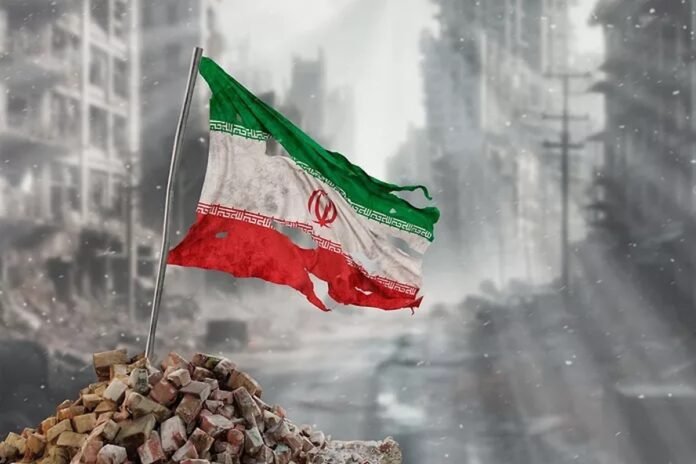
It will leave Iran in a stronger position than before the war, the US with far less leverage in the region, and Israel in the lurch. The deal will also prompt the Arab states in the Persian Gulf to reassess their security alliances with the US and come to terms with Iran as an influential regional player.

Few apparent points of agreement

Iranian and US sources have provided different versions of the deal.

Both sides seem to have agreed to allow traffic to resume in the Strait of Hormuz and lift the US naval blockade of Iran’s ports. Negotiations will also continue over the next 60 days on Iran’s nuclear program.

Beyond this, the two sides appear to be far apart on other issues.

According to Iranian media, the deal would halt the fighting on all fronts, including Israel’s bombing of Lebanon, and reopen the Strait of Hormuz within 30 days “under Iranian arrangements.”

It also calls for the release of US$24 billion in frozen Iranian assets during the 60-day negotiations, and obliges the US and its allies to deliver reconstruction plans for Iran worth at least $300 billion.

According to the US media outlet Axios, however, the deal calls for the strait to be reopened immediately without tolls. A US official told Axios that after reopening the strait, Iran would be given “temporary sanctions waivers” to allow it to sell oil.

Trump also made no reference to Lebanon in his announcement of the deal on Truth Social, though Pakistani mediators said Lebanon was included in the deal.

Many contentious issues related to Iran’s nuclear program remain to be resolved, as well. These include the future of Iran’s stockpile of highly enriched uranium and whether Iran should be allowed to enrich uranium at an agreed level for peaceful purposes.

An end to a meaningless war

When Trump and Netanyahu launched the war, they aimed to topple Iran’s government, destroy its nuclear program and missile capability, and sever its ties with its regional affiliates – the Lebanese Hezbollah, the Yemeni Houthis, the Iraqi Shia militias, and Palestinian Hamas and Islamic Jihad.

The overall goal was to alter the regional order to the advantage of the US and Israel. This would allow Netanyahu to achieve his long-cherished objective of turning Iran into a feeble entity and pursue his vision of a “Greater Israel” in the strategically vital and oil-rich Middle East.

However, despite its authoritarian nature and all the domestic and foreign policy challenges confronting it, the Iranian Islamic system has shown it is built to survive. It has endured the decapitation of its leadership, the massive US-Israel military bombardment and subsequent US blockade of Iranian ports.

Iran has certainly sustained heavy damage to its infrastructure and economy – as well as civilian casualties. But the regime was able to respond in ways that has proved very costly for the US, its regional Gulf Arab allies, and Israel.

Its control over the Strait of Hormuz, which Tehran never had before the war, has triggered a global energy and fertiliser crisis and provided Tehran with massive leverage.

Trump, meanwhile, was dealing with increasing domestic opposition to the war, combined with diminishing air defense interceptors and a lack of support among traditional US allies. Given all this, Trump has had good reasons not to allow the conflict to go on for too long, especially in an election year.

The deal must be very disheartening for Netanyahu, whose determination to fundamentally weaken Iran is potentially unravelling.

He may still try to undermine the peace deal by continuing strikes on Lebanon and perhaps formally annexing Gaza and the West Bank. But given Netanyahu’s dependence on the US for his military operations and political survival, Trump has plenty of leverage to force him and the far-right ministers in his cabinet into line.

If and when a final peace deal is signed, it carries the potential to open the way for some kind of rapprochement between Iran and the US as a prerequisite for a more stable and peaceful Middle East. But it is not time yet for excessive jubilation.

Both sides have been here before. They had been negotiating a deal on Iran’s nuclear program for months before the US and Israel attacked Iran. According to Omani mediators, a deal was “within reach” when the bombs started falling.

This means any ceasefire reached now could be very fragile. It also raises the question of what this war – waged with no concern for international law or US Congressional approval – was all about in the first place.

Amin Saikal is emeritus professor of Middle Eastern Studies, Australian National University; The University of Western Australia; Victoria University

This article is republished from The Conversation under a Creative Commons license. Read the original article.
Netanyahu Rejects Lebanon Provision in Iran Agreement, Says IDF Will Remain

0
netanyahu-rejects-lebanon-provision-in-iran-agreement,-says-idf-will-remain
Netanyahu Rejects Lebanon Provision in Iran Agreement, Says IDF Will Remain


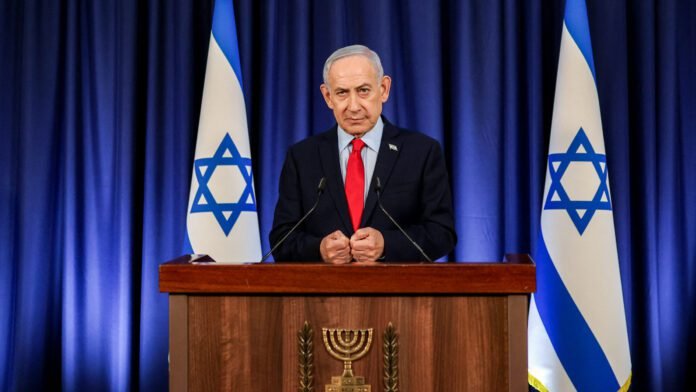
Prime Minister Benjamin Netanyahu told President Donald Trump that Israel will not withdraw from Lebanon and does not consider itself bound by provisions related to Lebanon in the emerging agreement with Iran, Israeli sources said.

Netanyahu informed Trump that Israeli forces would remain deployed in their current positions in Lebanon and continue operations against Hezbollah threats, including the destruction of terrorist infrastructure and military responses to attacks targeting Israel, the sources said.

Israeli cabinet ministers were said to support the position, with the understanding that Israel would continue pursuing its security interests in Lebanon. Netanyahu received full backing for that approach during a cabinet meeting, according to Israeli sources.

Defense Minister Israel Katz reinforced the position, saying, “Prime Minister Netanyahu and I are leading a clear policy that establishes that the IDF will remain in the security zones in Lebanon, Syria and Gaza – indefinitely to protect the border and Israeli communities from jihadist elements.”

Katz added, “We oppose the IDF’s withdrawal from Lebanon, despite all the existing pressures and those that will come.”

He said both Netanyahu and Israeli officials had conveyed that message to Washington. Katz stated that Netanyahu raised the issue with Trump and other U.S. officials, while he personally discussed it with U.S. Secretary of Defense Pete Hegseth.

Israel’s position differs from statements made by Pakistan Prime Minister Shebaz Sharif, who said the parties had “declared the immediate and permanent termination of military operations on all fronts, including in Lebanon.” Iran’s Deputy Minister of Foreign Affairs Kazam Gharibabadi also called for a “permanent and immediate end to the war on all fronts, including Lebanon.”

Meanwhile, Trump publicly criticized Israeli strikes conducted Sunday against Hezbollah targets in Dahieh, near Beirut, after Iran threatened to abandon the ceasefire and retaliate.

Axios reported that Trump told Netanyahu he had “no f—ing judgment.”

Speaking to Fox News, Trump said: “A deal will be signed within two or three hours. I told Netanyahu— what the hell are you doing?”

In a post on Truth Social, Trump wrote that the strike “should not have happened, particularly on a special day when we are so close to a Peace Deal with Iran.”

Plane Suddenly Crashes in Missouri Killing All Onboard

0
plane-suddenly-crashes-in-missouri-killing-all-onboard
Plane Suddenly Crashes in Missouri Killing All Onboard


Twelve people were killed Sunday after a plane packed with skydivers crashed near Kansas City in a horrifying midair disaster.

Eleven skydivers and the pilot all died after the private aircraft went down in Missouri shortly after taking off from Butler Memorial Airport around 11:30 a.m. local time.

The plane reportedly made a sudden turn for unknown reasons near Business 49 Highway before crashing moments later, leaving behind smoking wreckage in a grassy field as emergency crews rushed to the scene.

Everyone on board was killed.

Officials have not yet said what caused the aircraft to turn back or whether any of the skydivers were able to jump from the doomed plane before it plunged to the ground.

The devastating crash triggered a major emergency response, with the Federal Aviation Administration and the National Transportation Safety Board sending investigators to the scene.

Business 49 Highway was shut down near the airport as crews worked to secure the wreckage and begin the grim task of figuring out what went wrong.

The Bates County Sheriff’s Office said all lanes were closed while authorities handled the crash site.

The tragedy has left the local skydiving community shaken as investigators search for answers in one of the deadliest small-plane crashes in the region in recent memory.

Ex-Israeli premier urges removal of Netanyahu ‘with sticks, stones’ if elections are sabotaged

0
ex-israeli-premier-urges-removal-of-netanyahu-‘with-sticks,-stones’-if-elections-are-sabotaged
Ex-Israeli premier urges removal of Netanyahu ‘with sticks, stones’ if elections are sabotaged

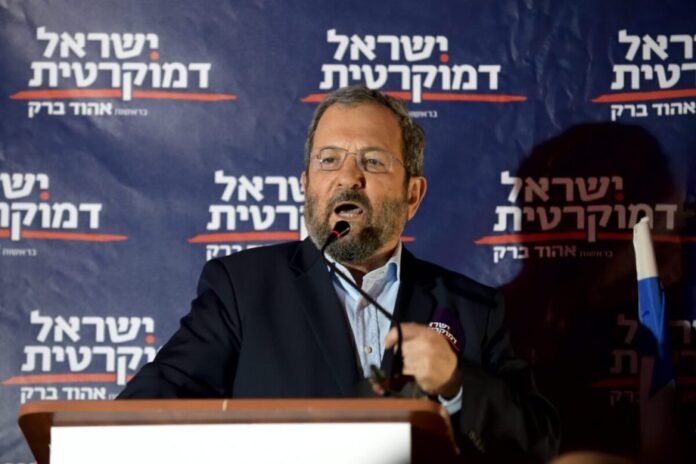
Former Israeli Prime Minister Ehud Barak on Sunday called for Prime Minister Benjamin Netanyahu to be removed “with sticks and stones” if he attempts to undermine the upcoming general election, Anadolu reports.

Barak, who served as Israel’s prime minister from 1999 to 2001, made the remarks in an interview with Israel’s public broadcaster KAN.

“I fear Netanyahu may try to sabotage the elections, and he can do it very easily,” Barak said. “If he tries, we will have no choice but to remove him with sticks and stones.”

Netanyahu, 76, has led the current government since late December 2022. His coalition has been widely described as the most right-wing since Israel was established on Palestinian territories in 1948.

The Knesset’s current term expires in October 2026, with elections expected to be held in September or October.

Barak argued that Netanyahu “could sabotage the elections by launching operations in Lebanon that would provoke retaliation from Hezbollah and Iran.

“Netanyahu wants an endless war because he understands that ending it would accelerate his trial,” Barak said. “Just as he obstructed some prisoner-exchange deals (with Hamas), he also blocked the possibility of progress in Lebanon.”

READ: Netanyahu’s Likud drops to lowest level since August 2025, poll shows

Netanyahu is currently standing trial in Israel on corruption charges and is also wanted by the International Criminal Court (ICC) since 2024 on allegations of war crimes and crimes against humanity in Gaza.

Barak also criticized the emerging agreement between the US and Iran. “In one word: bad. In two words: very bad,” he said.

He warned that “Israel is paying the price for Netanyahu’s arrogance and lack of foresight,” adding that the arrangement under discussion was “not an agreement, but a memorandum of understanding that failed to address either missiles or Iran’s regional allies.”

Barak argued that “none of the objectives of the war against Iran have been achieved.”

The remarks drew immediate criticism from Netanyahu’s allies.

Boaz Bismuth, a Likud lawmaker and chairman of the Knesset Foreign Affairs and Defense Committee, called for a criminal investigation into Barak for what he described as legitimizing violence against the prime minister.

“He should be sent to a psychiatrist, and if he is found mentally fit, a criminal investigation should be opened against him immediately,” Bismuth said in a post on US social media company X.

While US President Donald Trump said an agreement with Iran that would open the Strait of Hormuz would be signed on Sunday, Tehran has disputed the timeline and says the signing could happen in the coming days.

Since the April 8 ceasefire mediated by Pakistan, efforts aimed at ending the war launched by the US and Israel against Iran on Feb. 28 have continued.

READ: Iran threatens to halt US negotiations if Israeli attacks continue in Lebanon

Syria’s Break With Hezbollah Opens New Questions After Trump Remarks

0
syria’s-break-with-hezbollah-opens-new-questions-after-trump-remarks
Syria’s Break With Hezbollah Opens New Questions After Trump Remarks


Damascus’ shift away from its old alliance with Tehran and Hezbollah could reshape border security, smuggling routes, and the group’s freedom of movement

[DAMASCUS] US President Donald Trump’s recent remarks suggesting that Syria could play a role in efforts against Hezbollah in Lebanon have sparked widespread debate—not only because of what he said, but because of what his comments reveal about the dramatic shifts in regional alliances since the fall of former Syrian President Bashar Assad’s government in late 2024.

Speaking on June 8 about developments in Lebanon to NBCs Meet the Press, President Trump suggested that Syria could help facilitate “more surgical” strikes against Hezbollah. He also praised Syrian President Ahmed al-Sharaa, saying he had succeeded in restoring a degree of stability to Syria after years of war and turmoil.

The US president indicated that Washington could either assist directly or “recommend Syria” as part of efforts to address Hezbollah’s role in Lebanon, a statement that immediately fueled speculation about the nature of Damascus’ potential role in any future confrontation with the Iran-backed group.

The remarks opened a broader discussion about Syria’s place in the region’s changing political landscape. For decades, Syria served as Hezbollah’s most important Arab ally, providing the geographic, political, and military depth that helped the group expand its regional influence.

President Trump’s comments were followed by a brief response from al-Sharaa, who dismissed reports suggesting that Syrian forces could enter Lebanon, describing such claims as “completely untrue.” While his statement set clear limits on speculation about direct military involvement, it did not explicitly address issues such as border control, anti-smuggling operations, or other forms of possible security cooperation.

To understand the significance of the American president’s remarks, it helps to revisit the relationship that linked Syria and Hezbollah for decades.

Damascus played a central role in supporting Hezbollah from its initial emergence in the 1980s. During Syria’s military presence in Lebanon, the relationship was built on shared interests in confronting Israel and maintaining a strategic partnership with Iran.

The alliance deepened significantly after the outbreak of the Syrian civil war in 2011. Hezbollah intervened militarily on behalf of the Assad government, deploying thousands of fighters to key battlefronts, including Qusayr, Qalamoun, and the Damascus countryside, and helping the regime survive one of the most perilous periods of the conflict.

At the same time, Syrian territory became a critical corridor for Iranian weapons shipments to Lebanon and an essential part of Hezbollah’s military logistics network.

That reality changed dramatically following Assad’s downfall and the emergence of new leadership under al-Sharaa. Unlike its predecessor, the new Syrian government is not part of the regional axis that linked Damascus, Tehran, and Hezbollah. Instead, it inherited a war-ravaged state seeking economic recovery, regional reintegration, and international legitimacy.

Despite the controversy generated by his remarks, President Trump did not call for direct Syrian military action against Hezbollah, nor did he announce any joint US-Israeli-Syrian initiative. Rather, his comments appeared to reflect a broader political and security vision in which the new Syrian leadership could help limit Hezbollah’s influence and operational freedom.

Retired Syrian Air Force Brig. Gen. Mohammad Mansour told The Media Line that such a role could take several forms.

The first would involve tighter control of the Syrian-Lebanese border

“The first would involve tighter control of the Syrian-Lebanese border,” Mansour said, noting that the lengthy and complex frontier has long served as a key route for transporting weapons, equipment, and personnel.

A second possibility, he explained, would be a more aggressive campaign against smuggling networks that expanded during the Syrian war and became part of Hezbollah’s logistical infrastructure.

Mansour added that Syria could also strengthen security measures against networks or structures linked to Hezbollah within Syrian territory, particularly in border areas where the group has maintained a significant presence in recent years.

Many regional observers argue that Hezbollah’s loss of the freedom of movement it once enjoyed in Syria would itself mark a strategic shift, even without any direct confrontation between Damascus and the group.

For Syrian researcher Abdul Rahman Riyad, the key transformation lies in the changing priorities of the Syrian state.

The relationship that once connected Damascus with Tehran and Hezbollah is no longer what it was before 2024

“The relationship that once connected Damascus with Tehran and Hezbollah is no longer what it was before 2024,” Riyad told The Media Line. He argued that Syria’s new leadership is focused primarily on rebuilding state institutions and consolidating regional and international legitimacy, rather than participating in the axis-based conflicts that defined the previous era.

The issue is not about Syria confronting Hezbollah directly

Political analyst Fawaz Dalloul offered a similar assessment. “The issue is not about Syria confronting Hezbollah directly,” he said. “It is about restoring sovereignty over borders and crossings. Any effort aimed at controlling borders, reducing smuggling, or preventing the movement of weapons outside state authority will inevitably affect Hezbollah’s logistical capabilities, even if it is not specifically directed against the group.”

From Lebanon, political activist and journalist Fatima Othman offered a different perspective. According to Othman, Hezbollah’s future remains tied primarily to Lebanon’s internal balance of power and the Lebanese state’s ability to extend its authority throughout the country. “At the same time,” she noted, “any change in the regional environment surrounding Hezbollah—especially on the Syrian front—will inevitably affect the operational space the group has enjoyed for decades.”

Despite these differences in emphasis, all three perspectives converge on one central point: the most significant shift is not the possibility of Syria entering a military confrontation with Hezbollah, but the fact that Damascus no longer serves as the unrestricted strategic depth upon which the group has long depended.

The Syrian leadership faces enormous economic and domestic challenges while simultaneously seeking international recognition, foreign investment, and support for reconstruction efforts. In that context, Damascus appears increasingly interested in presenting itself as a sovereign state capable of exercising authority over its entire territory and preventing armed groups from operating beyond government control.

The new administration has also benefited from growing Arab and international engagement, as well as a series of US measures in 2025 that first eased and then lifted a range of sanctions imposed during the Assad era.

As a result, many analysts believe that Syria’s current interests differ fundamentally from those of the previous government. Stability, economic recovery, and state-building have become more pressing priorities than participation in regional power struggles.

Does this mean an alliance with Israel? At least for now, the answer appears to be no. There are no official indications of a Syrian-Israeli alliance or publicly acknowledged military cooperation against Hezbollah in available reporting. Syrian leaders are also aware that any overt rapprochement with Israel would generate significant domestic and regional backlash while providing ammunition to political opponents.

This helps explain al-Sharaa’s firm rejection of reports suggesting that Syrian forces could enter Lebanon. Yet Damascus’ insistence on asserting sovereignty over its territory could still produce outcomes unfavorable to Hezbollah, particularly if it includes tighter monitoring of unofficial border crossings and expanded efforts against smuggling networks.

President Trump’s remarks—and Syria’s response—highlight the scale of the transformations that have reshaped the Middle East over the past two years. A country once considered Hezbollah’s closest Arab ally is now being discussed as a potential factor in limiting the group’s influence.

While Damascus continues to reject any suggestion of direct military involvement in Lebanon, changes in Syria’s political structure and strategic priorities appear to have fundamentally altered its relationship with Hezbollah.

Ultimately, the key question may not be whether Syria will participate in a war against Hezbollah, but whether it will prevent the group from benefiting from the strategic advantages that Syrian territory provided for decades. If that happens, the consequences for Hezbollah’s future could prove more significant than any direct military confrontation.

Meghan Markle Left Kate Middleton Speechless with ‘One-Word Joke’

0
meghan-markle-left-kate-middleton-speechless-with-‘one-word-joke’
Meghan Markle Left Kate Middleton Speechless with ‘One-Word Joke’


Meghan Markle’s awkward royal balcony moment with Kate Middleton is back in the spotlight after Prince Harry claimed one tiny joke brought the mood to a screeching halt.

The Duchess of Sussex made her first appearance at Trooping the Colour in June 2018, just weeks after marrying Harry in a lavish royal wedding watched around the world. But according to Harry, what should have been a happy family moment quickly turned painfully uncomfortable.

In his memoir Spare, Harry recalled that he and Meghan had returned from their Mediterranean honeymoon “just in time” for the official celebration of Queen Elizabeth II’s birthday.

At first, he said, everyone seemed cheerful.

“Everyone present was in a good mood, upbeat,” Harry wrote.

Then Kate Middleton turned to Meghan and asked what she thought of her first Trooping the Colour.

Meghan’s answer was just one word.

“Colourful,” she joked.

According to Harry, the response was met with a silence so brutal it nearly swallowed the balcony whole.

“And a yawning silence threatened to swallow us all whole,” he wrote.

Harry did not explain exactly why the joke landed so badly, but the moment has since become another symbol of the icy tension that reportedly grew between the Sussexes and the Waleses behind palace doors.

Just days later, Meghan joined Queen Elizabeth II for her first royal trip with the monarch. Harry claimed the two women “got on famously,” suggesting Meghan was able to charm the queen even as things with William and Kate remained strained.

But behind the scenes, the so-called “Fab Four” were already cracking.

Later that month, Harry said he, Meghan, William and Kate sat down in an attempt to clear the air. Instead, the meeting reportedly turned into a tense list of grievances.

Harry claimed Kate was upset over the now-infamous bridesmaid dress drama before the Sussex wedding. He also wrote that William and Kate were annoyed Harry and Meghan had not given them Easter gifts.

Another sore spot involved Meghan allegedly telling Kate she had “baby brain” while the princess was pregnant. Kate reportedly told Meghan she owed her an apology for talking about her hormones.

Harry and Meghan, meanwhile, were reportedly irritated that William and Kate had switched seats at their wedding.

“None of this airing of grievances was doing any good,” Harry wrote. “We weren’t getting anywhere.”

Harry and Meghan last took part in Trooping the Colour in 2019, before stepping back from royal duties and leaving Britain in early 2020.

They returned during Queen Elizabeth II’s Platinum Jubilee in 2022, but watched the parade from a side window of Buckingham Palace instead of appearing on the famous balcony with senior royals.

On Saturday, June 13, 2026, the royal family gathered once again for Trooping the Colour in London. King Charles III, Queen Camilla, Prince William, Kate Middleton and their three children, Prince George, Princess Charlotte and Prince Louis, all took part in the annual parade.

Harry and Meghan were not invited.

While the royal family carried on the tradition in London, Harry remained stateside and appeared remotely at an Invictus event in Germany.

The Duke of Sussex spoke by video for the opening day of the Invictus Germany Sports Festival in Düsseldorf, tied to the wounded service member and veteran competition he founded in 2014.

Harry told competitors it was an “honor” to send his message as they gathered for another Invictus sporting event.

“Germany is setting a powerful example of what it means to honor service with dignity and enduring commitment,” he said.

But back in Britain, the balcony looked very different from the one Meghan stood on in 2018.

And years later, Harry’s account of that one-word joke still paints a picture of a royal family already struggling to hide the chill.

Vegan Tofu Donuts

0
vegan-tofu-donuts
Vegan Tofu Donuts

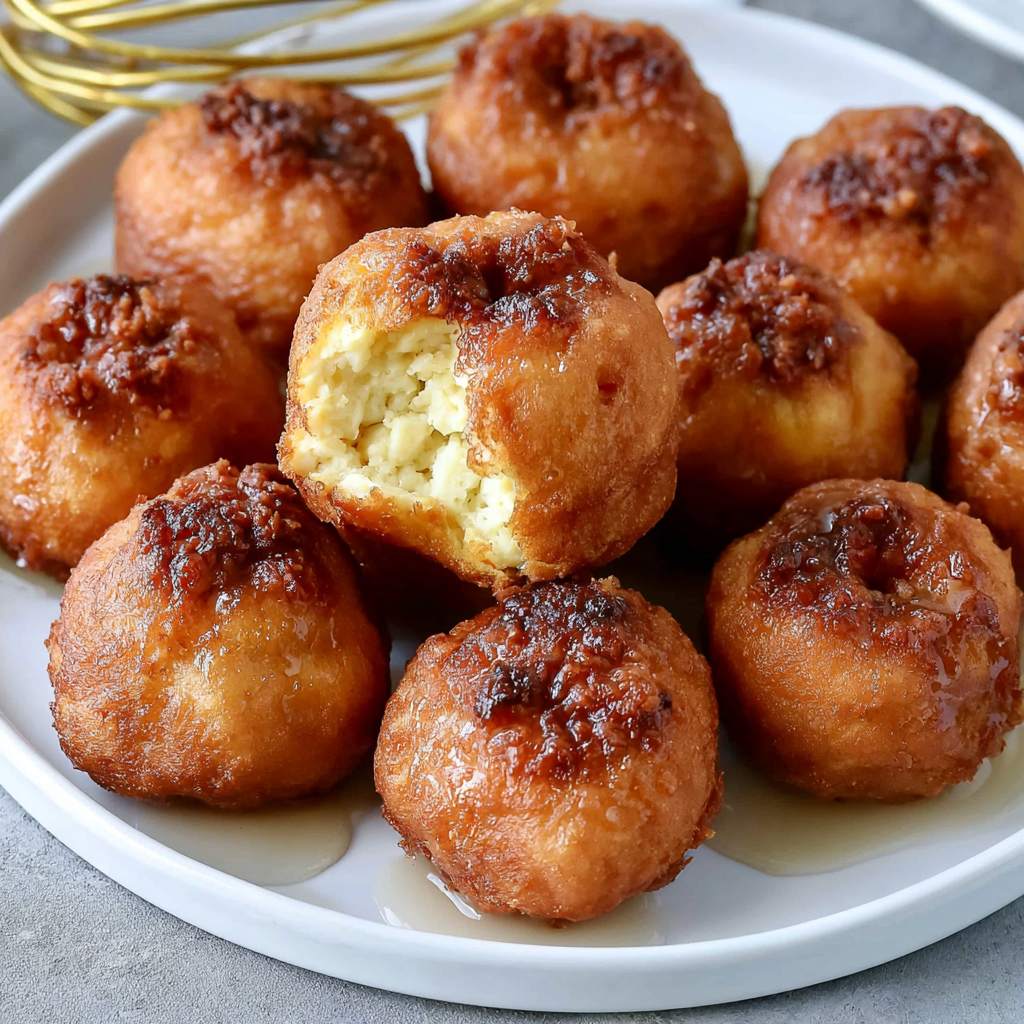
These Vegan Tofu Donuts are light, fluffy, chewy, and surprisingly easy to make with just a few simple ingredients. Made with silken tofu, flour, sugar, maple syrup, and baking powder, these little donut holes are crispy on the outside and soft on the inside.

They are completely egg-free, dairy-free, and vegan, but still taste sweet, tender, and satisfying. The silken tofu adds moisture and helps create that soft, springy texture without needing butter, milk, or eggs.

Serve them warm with cinnamon sugar, cacao sugar, or kinako sugar for a simple homemade dessert or snack.

Why You’ll Love These Tofu Donuts

These vegan donut holes are quick, easy, and fun to make.

You’ll love this recipe because it is:

  • Vegan and dairy-free
  • Made without eggs or butter
  • Ready in about 15 minutes
  • Crispy outside and chewy inside
  • Made with only a few ingredients
  • Perfect for snacks or dessert
  • Easy to coat with different toppings
  • Great for tofu beginners

What Are Tofu Donuts?

Tofu donuts are soft fried donut holes made with silken tofu. The tofu adds moisture to the dough and helps create a fluffy, chewy texture.

You do not need to press the tofu for this recipe. The moisture in the tofu is part of what brings the dough together.

The dough is shaped with spoons, fried until golden, and rolled in sugar while warm.

Recipe Summary

Prep Time: 5 minutes
Cook Time: 10 minutes
Total Time: 15 minutes
Servings: About 20 donut holes
Course: Dessert, Snack
Cuisine: Japanese-Inspired / Vegan

Ingredients

For the Donuts

  • ½ block silken tofu, about 7 ounces
  • 3 tablespoons sugar
  • 1 ½ tablespoons maple syrup
  • 1 cup plus 3 tablespoons all-purpose flour
  • 2 teaspoons baking powder
  • Vegetable oil, for frying

For the Sugar Coating

  • 1 tablespoon sugar
  • ½ teaspoon cinnamon, cacao powder, or kinako

Ingredient Notes

Silken Tofu

Silken tofu makes the donuts soft, moist, and chewy. There is no need to press it because the moisture helps form the dough.

Sugar

Sugar adds sweetness to the dough and helps the donuts brown as they fry.

Maple Syrup

Maple syrup adds a little extra sweetness and flavor.

Flour

All-purpose flour gives the donuts structure. Add it gradually and mix until a thick dough forms.

Baking Powder

Baking powder helps the donuts puff up and become light.

Oil

Use a neutral oil for frying, such as vegetable oil, canola oil, or sunflower oil.

How to Make Vegan Tofu Donuts

Step 1: Mash the Tofu

Add the silken tofu to a mixing bowl.

Whisk until smooth and creamy.

Step 2: Add Sweeteners

Add the sugar and maple syrup.

Whisk again until fully combined.

Step 3: Add Dry Ingredients

Add the flour and baking powder.

Mix until a thick, smooth dough forms.

The dough will be sticky, and that is normal.

Step 4: Heat the Oil

Heat vegetable oil in a frying pan over medium heat.

The oil should be around 320°F–350°F.

Step 5: Shape the Donuts

Use two spoons to scoop and shape small balls of dough.

Carefully drop the dough into the hot oil.

Step 6: Fry

Fry the donuts for 2–3 minutes, turning occasionally, until golden brown on all sides.

Work in batches so the pan does not get overcrowded.

Step 7: Drain

Transfer the cooked donut holes to a wire rack or paper towel-lined plate.

Let them cool slightly.

Step 8: Coat with Sugar

Mix sugar with cinnamon, cacao powder, or kinako.

While the donuts are still warm, roll them in the sugar mixture until coated.

Serve warm.

Sugar Coating Ideas

Cinnamon Sugar

A classic sweet coating with warm flavor.

Cacao Sugar

A chocolatey coating with a slightly rich and bittersweet taste.

Kinako Sugar

A Japanese-style coating made with roasted soybean flour. It has a mild, nutty flavor.

Plain Sugar

Simple, sweet, and perfect for a quick finish.

Tips for the Best Tofu Donuts

Do not press the tofu.

Whisk the tofu until smooth before adding the other ingredients.

Use two spoons to shape the sticky dough.

Keep the oil between 320°F and 350°F.

Do not make the donut holes too large, or the inside may not cook properly.

Fry in small batches.

Coat the donuts while they are still warm.

Eat them fresh for the best texture.

Easy Variations

Matcha Tofu Donuts

Add 1 teaspoon matcha powder to the sugar coating.

Chocolate Tofu Donuts

Add cacao powder to the coating or drizzle with melted vegan chocolate.

Vanilla Tofu Donuts

Add ½ teaspoon vanilla extract to the dough.

Lemon Sugar Donuts

Mix sugar with a little lemon zest for a fresh flavor.

Powdered Sugar Donuts

Dust the cooled donuts with powdered sugar.

What to Serve with Tofu Donuts

These donuts are delicious as a snack, dessert, or tea-time treat.

Serve them with:

  • Hot coffee
  • Matcha latte
  • Green tea
  • Iced coffee
  • Vegan hot chocolate
  • Fresh fruit
  • Vegan whipped cream
  • Chocolate sauce
  • Maple syrup
  • Strawberry jam

Storage Instructions

These tofu donuts taste best the day they are made.

Store leftovers in an airtight container at room temperature for 1 day.

For longer storage, refrigerate for up to 3 days.

Reheating Tips

Reheat tofu donuts in a toaster oven, air fryer, or oven until warm.

This helps bring back some of the crisp texture.

Avoid microwaving if you want the outside to stay crisp.

Frequently Asked Questions

Do I need to press the tofu?

No. This recipe uses silken tofu’s moisture to form the dough.

Can I use firm tofu?

Silken tofu works best. Firm tofu will not blend as smoothly and may create a different texture.

Why is my dough sticky?

The dough is supposed to be sticky. Use two spoons instead of your hands to shape it.

Why are my donuts browning too fast?

The oil may be too hot. Keep the oil around 320°F–350°F so the inside cooks before the outside burns.

Can I bake these donuts?

This recipe is designed for frying. Baking will give a different texture and may not be as fluffy or crisp.

Can I make them ahead?

They are best fresh, but you can store them for up to 3 days and reheat before serving.

Recipe Card

Vegan Tofu Donuts

Light and fluffy vegan tofu donut holes made with silken tofu, sugar, maple syrup, flour, and baking powder. Crispy outside, chewy inside, and perfect with cinnamon sugar.

Prep Time: 5 minutes
Cook Time: 10 minutes
Total Time: 15 minutes
Servings: About 20 pieces

Ingredients

Donuts

  • ½ block silken tofu, about 7 ounces
  • 3 tablespoons sugar
  • 1 ½ tablespoons maple syrup
  • 1 cup plus 3 tablespoons all-purpose flour
  • 2 teaspoons baking powder
  • Vegetable oil, for frying

Sugar Coating

  • 1 tablespoon sugar
  • ½ teaspoon cinnamon, cacao powder, or kinako

Instructions

  1. Add silken tofu to a mixing bowl and whisk until creamy.
  2. Add sugar and maple syrup. Whisk until smooth.
  3. Add flour and baking powder.
  4. Mix until a thick dough forms.
  5. Heat vegetable oil in a frying pan over medium heat.
  6. Use two spoons to shape small balls of dough.
  7. Carefully drop the dough balls into the hot oil.
  8. Fry for 2–3 minutes, turning occasionally, until golden brown.
  9. Transfer to a wire rack or paper towel-lined plate.
  10. Mix sugar with cinnamon, cacao powder, or kinako.
  11. Roll warm donuts in the sugar coating.
  12. Serve and enjoy.

Notes

Do not press the tofu.

The dough will be sticky, so shape it with spoons.

Keep the oil temperature between 320°F and 350°F.

Make the donut holes small so they cook evenly.

Store leftovers in an airtight container for 1 day or refrigerate for up to 3 days.

Nutrition Estimate

Per donut hole:

  • Calories: 65
  • Carbohydrates: 10g
  • Protein: 2g
  • Fat: 2g
  • Sugar: 3g

Nutrition values are approximate and may vary depending on oil absorption and coating.

Final Thoughts

These Vegan Tofu Donuts are simple, soft, chewy, and delicious. The silken tofu keeps them moist and tender, while frying gives them a golden, crispy outside.

They are quick enough for a sweet snack, fun enough for sharing, and easy to customize with your favorite sugar coating.

Trump says Israeli strike on Beirut ‘should not have happened’ amid Iran peace talks

0
trump-says-israeli-strike-on-beirut-‘should-not-have-happened’-amid-iran-peace-talks
Trump says Israeli strike on Beirut ‘should not have happened’ amid Iran peace talks

US President Donald Trump on Sunday criticized an Israeli attack on Beirut, asserting that the strike should not have occurred while Washington is on the verge of a peace agreement with Iran, Anadolu reports.

“This morning’s attack on Beirut should not have happened, particularly on a special day when we are so close to a peace deal,” Trump wrote on his social media platform Truth Social.

He argued that the incident Israel was responding to was “small and meaningless,” resulting in no casualties, and urged all parties to “stand down” to avoid disrupting the diplomatic process.

“We are very close to a deal that will bring peace to the region, including to Lebanon,” he said, calling for an immediate halt to all Israeli attacks in Lebanon, as well as a cessation of strikes by Hezbollah.

READ: 3 killed as Israeli army launches airstrikes in Lebanese capital in new ceasefire violation

“This could be the beginning of a long and beautiful peace — Let’s not blow it,” added Trump.

Earlier, Axios, citing Israeli and US officials, claimed Israel had informed US Central Command before the Beirut attack.

Trump on Saturday said that a deal with Iran is scheduled to be signed on Sunday, even as Tehran disputed the timeline. Sources in Tehran told the Fars News Agency that the proposed memorandum of understanding remains “under consideration” and no final decision has been announced.

Meanwhile, Mohammad Bagher Qalibaf, speaker of Iran’s parliament, accused Washington on Sunday of lacking the “will or ability” to meet its obligations, citing continued Israeli strikes in Lebanon.

While Iran has called for ending the war on all fronts including Lebanon, release of its frozen assets and end of the US blockade of its ports; the US is demanding that Tehran halt its nuclear program and fully reopen the Strait of Hormuz.

READ: Iran threatens to halt US negotiations if Israeli attacks continue in Lebanon

Cajun Dirty Spaghetti

0
cajun-dirty-spaghetti
Cajun Dirty Spaghetti
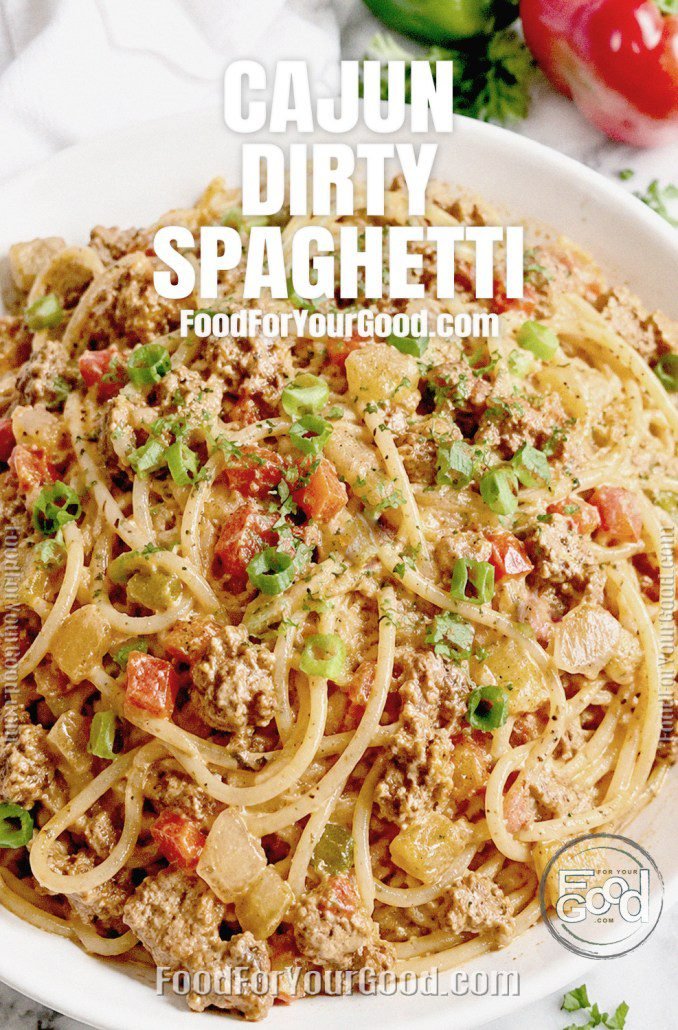
Close-up of Cajun Dirty Spaghetti with Italian sausage, peppers, and creamy Cajun tomato sauce served in a white pasta bowl.
Rich, cozy, and loaded with bold Southern-inspired flavors, this Cajun Dirty Spaghetti makes pasta night extra comforting.

Print Friendly, PDF & Email

Cajun Dirty Spaghetti is the kind of cozy, flavorful dinner that feels like comfort food with a fun Southern twist. Tender spaghetti is tossed with savory sausage, colorful vegetables, tomatoes, and a rich Cajun-inspired sauce that clings beautifully to every bite. A simple packet of onion soup mix adds an unexpected layer of deep, savory flavor that makes this dish taste like it simmered all day.

Although inspired by Louisiana flavors and classic dirty rice, this fusion-style pasta brings something a little different to the table. It’s hearty, satisfying, and perfect for busy weeknights when everyone wants something warm and comforting. Plus, leftovers taste even better the next day, making this recipe one you’ll happily come back to again.


Close-up of Cajun Dirty Spaghetti with Italian sausage, peppers, and creamy Cajun tomato sauce served in a white pasta bowl.
Rich, cozy, and loaded with bold Southern-inspired flavors, this Cajun Dirty Spaghetti makes pasta night extra comforting.

Recipe Yield: 6 servings

INGREDIENTS

12 oz spaghetti
1 lb mild Italian sausage, casings removed
1 cup diced yellow onion
1/2 cup diced celery
1/2 cup diced green bell pepper
1/2 cup diced red bell pepper
3 garlic cloves, minced
2 tbsp unsalted butter
2 tbsp all-purpose flour
1 packet onion soup mix (1 oz)
1 tbsp Cajun seasoning
1/2 tsp smoked paprika
1 can (14.5 oz) petite diced tomatoes, undrained
1 cup low-sodium chicken broth
1/2 cup heavy cream
1/4 tsp black pepper
2 green onions, sliced

Chopped fresh parsley, for garnish (optional)

INSTRUCTIONS

1. Cook the pasta:
Cook the spaghetti according to the package directions until al dente. Reserve 1/2 cup pasta water, then drain and set aside.

2. Brown the sausage:
Meanwhile, heat a large deep skillet over medium heat. Add the sausage and cook for 6 to 8 minutes, breaking it into bite-sized crumbles, until browned. Drain excess grease if needed.

3. Soften the vegetables:
Add the onion, celery, bell peppers, and garlic. Cook for 4 to 5 minutes, stirring occasionally, until softened.

4. Make the Cajun roux:
Push the sausage mixture to one side of the skillet. Add the butter to the empty side and melt it. Sprinkle in the flour and whisk continuously for 1 minute until smooth and lightly golden.

5. Build the sauce:
Stir in the onion soup mix, Cajun seasoning, smoked paprika, diced tomatoes, chicken broth, and black pepper. Mix everything together and bring to a gentle simmer. Cook for 5 minutes to allow the flavors to blend.

6. Add the cream:
Reduce the heat to low and stir in the heavy cream. Simmer gently for 2 to 3 minutes until the sauce is smooth and slightly thickened. Avoid boiling.

7. Toss with the pasta:
Add the cooked spaghetti and toss until evenly coated. If needed, add a splash of the reserved pasta water until the sauce reaches your preferred consistency.

8. Finish and serve:
Sprinkle with green onions and parsley, if desired. Serve warm.


Helpful Tips to Perfect This Recipe

  • Reserve some pasta water. A few tablespoons of starchy pasta water help create a silky sauce and make it easier for the Cajun sauce to coat the spaghetti beautifully.
  • Use Italian sausage for extra flavor. Mild or hot Italian sausage adds richness and pairs wonderfully with the Cajun spices. Ground beef works too, but sausage gives the dish more depth.
  • Don’t overcook the sauce. Once the cream is added, keep the sauce at a gentle simmer. This keeps it smooth and creamy while preventing it from becoming too thick.

Rate This Recipe

Tried this recipe? Your rating helps others and means so much.

Somaliland President Makes First-Ever State Visit to Israel Amid Plans for Jerusalem Embassy

0
somaliland-president-makes-first-ever-state-visit-to-israel-amid-plans-for-jerusalem-embassy
Somaliland President Makes First-Ever State Visit to Israel Amid Plans for Jerusalem Embassy


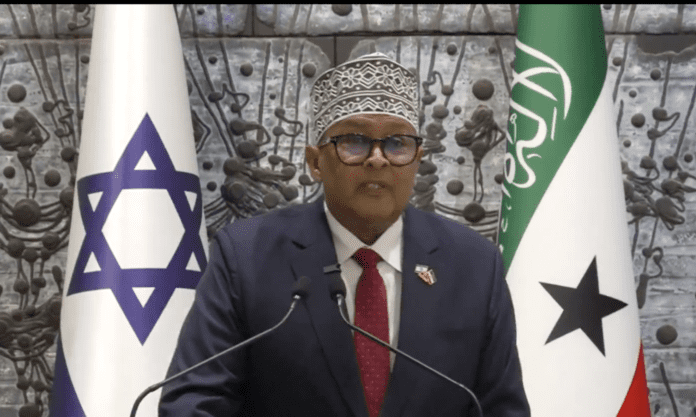
Somaliland President Abdirahman Mohamed Abdullahi arrived in Jerusalem for a state visit focused on strengthening ties with Israel following Israel’s recognition of Somaliland as an independent state, marking the first visit by a Somaliland head of state to Israel.

The visit was confirmed during an official welcoming ceremony with Israeli President Isaac Herzog. It comes after Israel’s Dec. 26, 2025, decision to recognize Somaliland as an independent and sovereign state.

Following the recognition, Somaliland announced plans to establish a formal embassy in Jerusalem, further advancing diplomatic relations between the two governments.

Upon his arrival, Abdullahi reflected on Somaliland’s long campaign for international recognition. “Israel answered first,” Abdullahi wrote, referring to Somaliland’s 35-year effort to secure recognition since declaring independence from Somalia in 1991.

“Today marks a historic milestone in our journey and the beginning of a new chapter in the relationship between Somaliland and Israel,” he added.

Herzog welcomed the Somaliland leader in both English and Somali, writing, “Ku soo dhawow Israel” — welcome to Israel.

During the reception, the two leaders highlighted shared security interests in their respective regions and emphasized the importance of safeguarding maritime freedom. The visit also included the signing of cooperation agreements in agriculture, finance and technology.

Speaking at the ceremony, Herzog said Israel and Somaliland had “acted with courage and realism,” noting that Israel had recognized Somaliland as an independent state after it had existed as a reality on the ground for decades.

Herzog also referenced public celebrations in Somaliland following the announcement of the new relationship.

“The beautiful images of the people of Somaliland waving Israeli flags in celebration of this new relationship warmed all our hearts,” he said.

Abdullahi thanked Israel for its reception of the Somaliland delegation and described the visit as an important step in bilateral relations.

“We are deeply appreciative that the State of Israel has chosen to receive us with such honor,” he said. “The ceremony and hospitality extended to our delegation reflect not only protocol but also a genuine gesture of respect.”

0FansLike
0FollowersFollow
0FollowersFollow
0SubscribersSubscribe
- Advertisement -
Google search engine

Recent Posts