22.6 C
London
Monday, June 29, 2026
Home Blog

Abdul El-Sayed Becomes First Senate Candidate Backed by Pro-Palestine Jewish Group

0
abdul-el-sayed-becomes-first-senate-candidate-backed-by-pro-palestine-jewish-group
Abdul El-Sayed Becomes First Senate Candidate Backed by Pro-Palestine Jewish Group


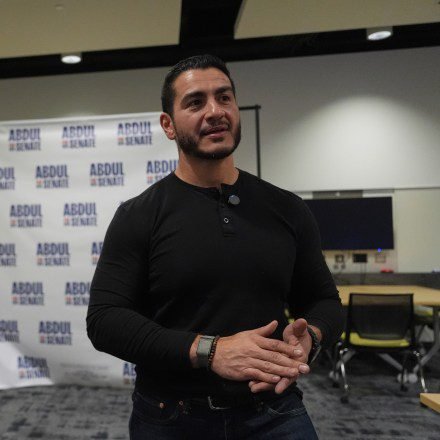
The political action arm of a Jewish anti-Zionist group best known for staging sit-ins to protest genocide in the halls of power is endorsing its first-ever candidate for U.S. Senate: Abdul El-Sayed in Michigan.

Jewish Voice for Peace Action is building off of the momentum from a string of victories for the insurgent left in Democratic primaries, where voters have repeatedly chosen outspoken pro-Palestine candidates to represent their party in the November midterms. The nominations signal a sea change in the Democratic Party and its electorate — adding a new class of members to Congress willing to question the United States’ unconditional support for Israel and putting heat on an entrenched political establishment.

“Abdul has been a stalwart and unapologetic defender of Palestinian rights and freedom, and his campaign has demonstrated a moral consistency that centers justice and equality for all people,” said Beth Miller, JVP Action’s political director. “This campaign is a historic opportunity to bring a leader into office who will fight for our communities here at home, and to reimagine a US foreign policy that supports freedom and justice, not genocide and apartheid.” 

Ahead of the August 4 primary, El-Sayed is locked in a contentious three-way race with Rep. Haley Stevens, D-Mich., a centrist lawmaker with the backing of the Democratic establishment and the pro-Israel lobby, including its flagship warhawk lobby group, American Israel Public Affairs Committee; and state Sen. Mallory McMorrow, a self-styled progressive who has drawn endorsements from figures like Sen. Elizabeth Warren, D-Mass., and the liberal pro-Israel group J Street.

El-Sayed, who has the endorsements of Sens. Bernie Sanders, I-Vt., and Chris Van Hollen, D-Md., as well as progressive Squad members in Congress like Democratic Reps. Rashida Tlaib of Michigan and Summer Lee of Pennsylvania, has positioned himself to the left of both his opponents and has been a vocal critic of Israel’s genocide of Palestinians in Gaza since long before he launched his campaign. While many voters cite affordability and economic pressure as their top electoral concerns — especially amid rising prices spurred by the U.S. and Israel’s unpopular war on Iran — Israel’s genocide and apartheid conditions for Palestinian people have continued to animate political organizing across several congressional races this cycle. 

That’s at least in part thanks to Jewish Voice for Peace, which has been instrumental in drawing public attention to the genocide in Gaza by organizing a wave of anti-genocide demonstrations across the U.S. – from college campuses to Wall Street and the Capitol. Its political advocacy and lobbying arm is a main backer of the Block the Bombs bill in the House, which has become a litmus test for progressive candidates in congressional races. 

“There is a marked shift in the way that movements, organizations and voters are showing up to send a very clear message: that Palestine cannot be removed from a broader progressive agenda,” Miller said.

It’s considered harder to elevate a more radical candidate to the Senate, where a politician has to win statewide election, than it might be in a deep-blue congressional district with a progressive electorate. But Miller said El-Sayed was a standout — in the seven years since its 2019 establishment, Jewish Voice for Peace Action had never seen a Senate candidate that seemed worth its endorsement. JVP Action also backed candidates in the recent House races where the left won in New York, Pennsylvania, and New Jersey, though its preferred candidate lost in San Francisco. In Colorado’s primary election on Tuesday, JVP Action is also supporting Melat Kiros, an anti-war House candidate who was fired from her job as an attorney for refusing to take down her post on the genocide in Palestine.

The bulk of El-Sayed’s platform focuses on affordability, championing Medicare for All, a tax on billionaires, and labor protections against the AI industry replacing jobs. Yet his position on Israel has drawn perhaps the most scrutiny from his opponents. 

Moderate Democrats condemned El-Sayed’s decision to invite influential streamer and political commentator Hasan Piker to a pair of campaign rallies at Michigan universities in the spring, claiming that appearing with the vocal anti-Zionist streamer was insensitive to the Jewish community in the wake of a horrific March shooting at a Michigan synagogue. McMorrow, whose husband and daughter are Jewish, compared Piker to the far-right, neo-Nazi podcaster Nick Fuentes in an interview with Jewish Insider, and she repeated that it was insensitive for El-Sayed to stump with Piker after the synagogue attack on CNN last week. 

“I believe in freedom of speech,” she told CNN, “but we have a very diverse population here in Michigan — we have the largest Arab American population in the country, alongside a very significant Jewish population. We need to keep everyone together, not just to win, but to govern and represent this state appropriately.”

El-Sayed has repeatedly condemned the synagogue attack and decried the use of actual antisemitic violence as a cudgel to deflect criticism of Israel’s violence against Palestinians. “He knows our community intimately and cares for it,” said Miller of JVP Action, pointing out that El-Sayed grew up in close proximity to the Jewish community in Michigan, attending bar and bat mitzvahs and Seders and spending time at shul.

“Many candidates, many in the establishment of both parties, treat Palestinian safety, treat Jewish safety like political footballs that they can use to divide our communities in order to score political points,” Miller said. “What I have seen from Dr. El-Sayed, he is not going to play into bad faith smears and attacks.”

El-Sayed had not only weathered the political storm but may have benefited from the added attention. In polls over the past several months, he has consistently led Stevens and McMorrow, though margins remain slim in the tight three-way race. One recent poll by Zenith Research showed El-Sayed outperforming his Democratic opponents in a November general against the likely Republican nominee, Mike Rogers, largely due to El-Sayed’s popularity among progressive and younger voters.

The June poll also found that a plurality of Michigan voters — 46 percent — showed support for ending all U.S. weapons shipments to Israel, in accordance with El-Sayed’s campaign position. McMorrow says she supports blocking offensive weapons shipments, leaving room for so-called “defensive” systems like the Iron Dome, and Stevens supports continuing the unconditional flow of arms to Israel.

“At a time when too many have tried to pit communities against one another,” El-Sayed said in a statement, “JVP Action has shown that standing against antisemitism and standing up for the lives and dignity of Palestinians are rooted in the same commitment to our shared humanity. I’m deeply humbled and energized by their support and the movement they’ve built.”

America’s Gulf Bases Are Turning Allies into Targets

0
america’s-gulf-bases-are-turning-allies-into-targets
America’s Gulf Bases Are Turning Allies into Targets

There is a hard truth Gulf capitals do not like to say aloud: hosting an American base does not only buy protection. It also rents out geography. It turns ports, airfields and small countries into possible addresses in a war they may not have chosen and cannot easily control.

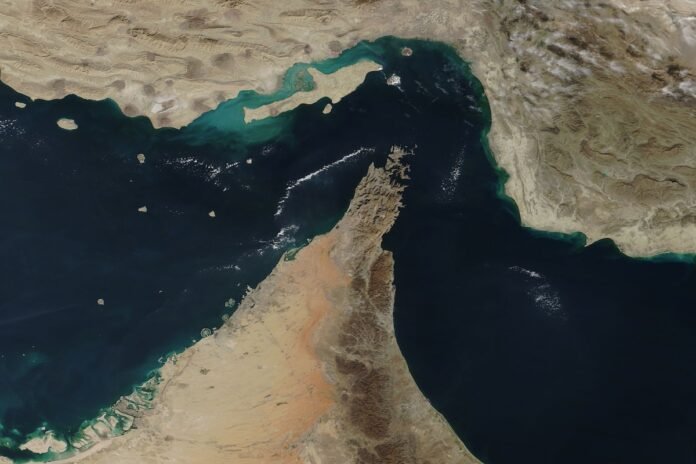
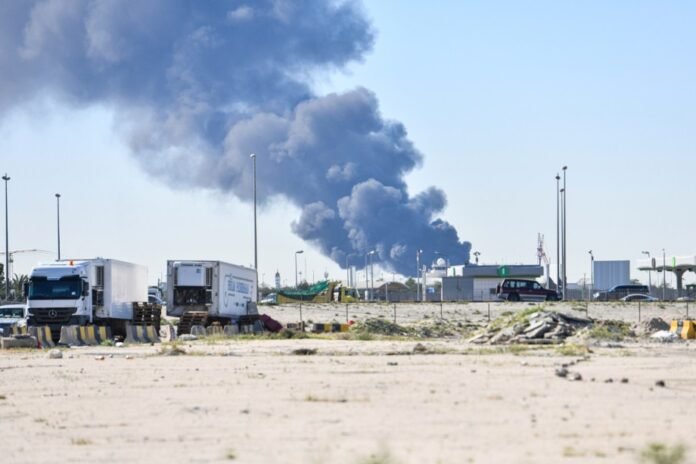
That truth became impossible to hide after Iran launched missile and drone attacks on Bahrain and Kuwait in response to US strikes. The details will be argued over, as they always are in war. Officials will speak of interceptions, limited damage and military readiness. Washington will insist that its regional posture deters danger. Gulf governments will try to reassure their publics. But the political meaning is already clear. When the United States goes to war with Iran, the map of retaliation is not limited to Iran, the Strait of Hormuz or US territory. It includes the countries that host the machinery of American power.

This is the security bargain Washington has sold to the Gulf for decades. In exchange for bases, arms sales, training and political backing, Arab partners are promised stability. Yet the latest strikes show the bargain’s darker side. Bahrain hosts the headquarters of the US Fifth Fleet and US-led maritime coalitions. Kuwait hosts thousands of American forces, primarily at Camp Arifjan and Ali Al Salem Air Base, while US Army Central describes its Kuwait presence as a base operations and security co-ordination hub. Those facts are usually presented as proof of American commitment. In a regional war, they become something else: coordinates.

It is not anti-American to admit this. It is basic strategic honesty.

A base is not a shield if it makes the host country part of the target set. A foreign military presence may deter some threats, but it also imports the conflicts of the power that operates it. For Bahrain and Kuwait, the question is no longer theoretical. Their territory has been pulled directly into the cycle of US-Iran escalation.

Their skies, air defences and civilian nerves now carry the consequences of decisions made in Washington.

This is why the phrase “regional security architecture” deserves more suspicion than it usually receives. It sounds clean, technical and protective. In practice, it often means that smaller states absorb the risk of great-power policy. The US builds layered military access across the Gulf, then calls the arrangement stability. But if that architecture cannot prevent US strikes from producing Iranian retaliation on Gulf soil, then what exactly is being protected? Oil routes? American freedom of action? The security of ruling elites? Or the actual people who live beneath the flight paths?

The answer matters because Bahrain and Kuwait are not empty platforms. They are societies. Families live near airports, ports and bases. Workers drive through roads that become military corridors during crises. Migrant labourers, local contractors and ordinary residents do not sit in the rooms where escalation is approved, but they are often closest to the places where escalation lands. Earlier this year, civilian contractors in Kuwait described feeling exposed as tensions with Iran rose around US facilities. That fear should not be dismissed as background noise. It is the human underside of a security order built around forward deployment.

Washington’s defenders will say the Gulf asked for this relationship. There is some truth in that. Gulf governments have long relied on US protection and have often welcomed the prestige and leverage that come with American military presence. But consent by governments does not erase the strategic cost to societies. Nor does it make American policy wise.

The problem is not that Bahrain and Kuwait have security relationships with the United States. The problem is that those relationships can turn them into extensions of America’s battlefield.

Iran’s message, whether Washington likes it or not, is straightforward: if US force is projected from the region, the region will not remain insulated from the reply. That does not make war desirable. It makes escalation predictable. The more Washington treats Gulf bases as convenient launchpads or pressure points against Iran, the more those bases expose the host countries to counter-pressure. No amount of diplomatic language can remove that reality.

There is also a moral contradiction here. The United States tells its Gulf partners that its presence prevents chaos. Yet its confrontation with Iran has repeatedly brought chaos closer to their borders, waters and infrastructure. The Strait of Hormuz, through which roughly one-fifth of global petroleum liquids consumption moved in 2024, has already strained shipping and energy markets. Renewed strikes lifted oil prices, while producers and shippers kept working through a dangerous and uneven recovery. Missile and drone exchanges now remind Gulf states that a war sold as necessary for their protection can quickly make them less safe. This is not a failure of one night’s air defences. It is a failure of the whole premise.

A serious debate in Bahrain, Kuwait and the wider Gulf should begin with a simple question: does hosting American power still increase national security, or does it simply make each country more useful to Washington and more vulnerable to Tehran? That question is uncomfortable, but avoiding it is more dangerous. A security arrangement that cannot survive scrutiny is not a strategy. It is dependency.

For Americans, the lesson is different but just as urgent. The US public is rarely asked to consider what its overseas footprint does to the people living around it.

Bases are discussed as assets, not as political burdens carried by host societies. They appear on maps as dots of reach and readiness. In real life, they sit beside neighbourhoods, highways, ports and workplaces. When conflict comes, those dots acquire human shadows.

This is why de-escalation with Iran is not only an Iranian or American interest. It is a Gulf interest. Bahrain and Kuwait should not have to become warning shots in a war between Washington and Tehran. Their people should not be told that vulnerability is the price of partnership. If the United States genuinely values its allies, it should stop using their territory in ways that make retaliation foreseeable.

The Gulf does not need another layer of American hardware. It needs a different political logic. Less forward deployment. Fewer blank cheques for escalation. More diplomacy with Iran. More regional arrangements that reduce the need for foreign garrisons in the first place. As mediators prepare new de-escalation channels, Washington should understand that security cannot mean living permanently beside someone else’s tripwire.

The attacks on Bahrain and Kuwait should be understood as a warning, not only from Iran but from the structure of the region itself.

A foreign base may look like protection in peacetime. In war, it can become an invitation to be struck. Washington promised its allies security. It has instead built an architecture in which their territory can become the front line.

That is not protection. It is exposure.

The views expressed in this article belong to the author and do not necessarily reflect the editorial policy of Middle East Monitor.

Google warns EU’s plans to weaken its monopoly could expose user data

0
google-warns-eu’s-plans-to-weaken-its-monopoly-could-expose-user-data
Google warns EU’s plans to weaken its monopoly could expose user data

Europe’s push to rein in Big Tech is ramping up, with the European Commission planning to announce new regulations for Google next month. The rules could see Google forced to play nicer with its EU competitors, but the company has some concerns. Google is framing this not as a manifestation of its anticompetitive bent, but as genuine concern for user privacy.

Heather Adkins, Google’s VP of security engineering, told Wired that the EU’s proposals could lead to serious security and privacy issues. The potential changes come in two forms. First, regulators want Gemini dethroned as the sole integrated AI service on Android. This would mean letting users integrate other AI models and give them Gemini-like system access. Separately, the EU wants Google to share anonymized search data with other companies.

“If implemented as described today, I think within a short period of time on Android, we’d see a significant increase in fraud in the EU,” said Adkins, who noted these events could happen within weeks of pushing through the changes.

Gemini’s special status on Android devices gives it access to user files, screen content, and enhanced voice interactions. Adkins doesn’t go into much detail here, but the implication seems to be that bad actors would leverage these new options to install malicious AI services that could steal data and manipulate the user experience.

Google has more detailed concerns with the anonymized data sharing. According to the draft of the European Commission’s proposal, Google would have to provide anonymized search data to competitors that is similar to what Google sees internally. That could include the content of searches, ranking, and click rates. This data is core to Google’s search product and has not been provided at this level of granularity before.

“Anonymization is hard, and you’ve got to have the right technical experts at the table to come up with the solutions,” Adkins told Wired.

We have known for years that it’s very possible to unmask people in supposedly anonymous data. In fact, Google suggests that the broad availability of powerful AI models makes it easier than ever to de-anonymize large data sets (that also checks out). Google’s internal security teams have reportedly been able to link this anonymous search data to individual users in as little as two hours using so-called “linkage attacks.”

Googlers expressed to Wired that giving this data to smaller EU firms in accordance with the law will make them targets. Google seemingly trusts itself to keep that data secure, but some rinky-dink startup in Europe? Maybe not.

Are you ever anonymous?

Requiring Google to share data and system access with competitors may come with some security risks, but Google undeniably has a vested interest in maintaining its market position. Both of those things can be true, but is one maybe a little more true than the other? That’s the issue with which the European Commission must grapple.

The EU is undertaking this effort under the auspices of the Digital Markets Act (DMA), which has designated Google, Meta, Amazon, and other giant tech firms as “gatekeepers” that are subject to additional regulation. Google has openly opposed the DMA, calling for the law to be reworked. With significant market shares across a number of tech sectors—including more than 90 percent of web search—the company doesn’t have much reason to support increased regulation.

There are many ways to anonymize user data in aggregate, and Google would know—it frequently leverages anonymized user data, and it stresses the privacy-protecting aspects of this process. Sometimes it hides identities by merging all the data for a group that shares some trait, like a postal code. Google also might mix different types of search queries together to hide connections to a sensitive topic. When that’s not enough, Google may add random noise to the data that can further obscure identities.

Google uses these techniques across services—search queries, location data, advertising profiles, app usage, and more. It’s all there in Google’s privacy terms, and we are regularly assured that the data is sufficiently anonymous that it’s no problem even when Google shares it with third parties of its choosing. But when the EU requires Google to give this anonymized search data to its competitors, it’s suddenly an untenable privacy issue. Perhaps all of these anonymized data sets are a problem, whether they’re held by Google or not.

Regardless, there are some real privacy concerns at issue in this specific regulatory action. Google is essentially contending that the granular nature of the data makes it too vulnerable to being unmasked. If the data is stolen, it seems like a safe bet that at least some of it could be de-anonymized.

The European Commission will have to walk a fine line as Google’s business interests would be served by not sharing data, and the goal of regulators is to weaken Google’s monopoly. But nothing is set in stone yet. The comment period ended on May 1, and the commission is determining how to enforce the new rules. It expects to have a final decision on July 27, which will be legally binding for Google as a designated gatekeeper under the DMA. So the exact nature of the AI access and data anonymization is still up in the air.

Iran’s Hormuz toll gambit is doomed to fail

0
iran’s-hormuz-toll-gambit-is-doomed-to-fail
Iran’s Hormuz toll gambit is doomed to fail

Tensions have again escalated in the Middle East, with the United States and Iran trading strikes around the Strait of Hormuz.

It follows reports of an Iranian drone attack on a cargo ship trying to transit through the strait. Both the US and Iran have accused each other of breaking the agreed 60-day interim peace deal.

Since Iran was attacked by the US and Israel, it has increasingly signaled its intent to make control of the Strait of Hormuz a permanent feature. This has raised fears that after the conflict, it could permanently impose tolls on the roughly 130 ships that transit the strait each day.

While Iran may desire a guaranteed source of revenue, the region is unlikely to accept it tolling the strait. More importantly, it would not work. The Strait of Hormuz is not a canal.

Youtube video

No legal way

The world is right to be concerned. Since the war began, Iran has sought to deter ships from transiting the Strait of Hormuz, attacking more than 40 neutral merchant vessels and killing several innocent merchant mariners.

Combined with missile and drone attacks and the placement of sea mines in the strait, commercial shipping has effectively ground to a halt for more than three months, with significant economic consequences.

Concern has been further fuelled by the wording of the recent 14-point interim deal, which stated that Iran would use its “best efforts” to ensure the safe passage of commercial vessels “with no charge, for 60 days only.”

The plan says Iran would discuss future arrangements with Oman and other Gulf states, “in line with applicable international law and the sovereign rights of coastal states of the Strait of Hormuz.”

Under the United Nations Convention on the Law of the Sea, the Strait of Hormuz is an international strait where all ships enjoy a right of transit passage that coastal states cannot suspend.

While parts of the strait pass through Iranian territorial waters, the main traffic separation scheme lies within Omani waters. Traffic separation schemes are routes established by the International Maritime Organisation to safely manage traffic in busy chokepoints. Think of them as recommended roadways.

Despite concerns about the wording of the deal, Iran could not lawfully impose a toll on transit passage.

But also no practical way

But the real question is whether Iran could practically impose a toll, particularly given it has effectively halted most commercial shipping through the Strait of Hormuz for more than three months.

At first glance, there are obvious precedents. Ships pay to transit canals such as the Suez and Panama canals.

But these are fundamentally different waterways. They lie within the territory of a single state and are narrow, controlled transit routes. The navigable channel of the Suez Canal, for example, is typically around 200 metres wide.

The Strait of Hormuz is different. At its narrowest point it is approximately 39 kilometers across, including areas of both Omani and Iranian waters.

The scale of the waterway makes it far more difficult to physically stop, inspect and control vessels that refuse to pay a toll. Imposing a toll is one thing; enforcing it against unwilling ships is another entirely.

Ships transiting the Suez Canal enter via Port Said in the north or Suez in the south, then Suez Canal Authority pilots get onboard the vessels and join a tightly controlled convoy system for the transit.

The canal’s confined and highly regulated nature makes it virtually impossible for vessels to transit without complying with canal authorities and paying the required tolls.

For the Strait of Hormuz, international law aside, shipping companies and states are unlikely to voluntarily accept a permanent toll on transit through an international strait.

The issue is not simply cost, but the precedent it would set for freedom of navigation and the governance of straits around the world.

Leverage or long-term control?

Iran would not be charging ships for a service, as occurs in the Suez or Panama canals.

It would be charging vessels for exercising a pre-existing right of transit through an international strait. Oman and other Gulf states have warned that tolling arrangements would undermine free passage and set a dangerous precedent.

Companies would therefore have to be coerced into paying. But unlike the Suez or Panama canals, the Strait of Hormuz is far larger and more difficult to police, making enforcement challenging.

During the current conflict, Iran has deterred shipping through the use of weapons, killing innocent mariners and disrupting global trade.

While the international response has at times been muted, such actions are not a sustainable means of enforcing a permanent toll in peacetime.

Unless Iran is willing to continue attacking innocent merchant vessels after the conflict ends, an approach that would attract significant diplomatic pressure, sanctions and criticism, including from countries such as China, it is unlikely to have either the incentive or the enforcement mechanism required to compel ships to pay a toll that is inconsistent with international law.

Iran is using its success in disrupting shipping through the Strait of Hormuz as leverage in negotiations. But leverage and long-term control are not the same thing. While Iran can disrupt shipping, it is unlikely to permanently toll the Strait of Hormuz.

Jennifer Parker is adjunct professor, Defence and Security Institute, The University of Western Australia; UNSW Sydney

This article is republished from The Conversation under a Creative Commons license. Read the original article.

Xerjoff and Lamborghini launch exclusive luxury fragrance collection

0
xerjoff-and-lamborghini-launch-exclusive-luxury-fragrance-collection
Xerjoff and Lamborghini launch exclusive luxury fragrance collection


Italian luxury perfume house Xerjoff and Automobili Lamborghini have partnered to launch an exclusive fragrance collection inspired by the shared values of innovation, craftsmanship and design.

The collaboration brings together the worlds of haute perfumery and high-performance sports cars through a collection of three fragrances – Avanguardia, Fierezza and Perseveranza – each reflecting qualities the two brands say are central to their identities.

A luxury perfume bottle called 'FIREZZA' displayed on a pedestal against a vibrant orange background, with a sleek black sports car partially visible in the background.

According to the companies, the partnership is based on a shared approach to transforming technology, craftsmanship and emotion into products designed to engage the senses. They describe the fragrances as translating the power, creativity and determination associated with Lamborghini into an olfactory experience.

Each scent was developed using what the companies describe as a design approach inspired by the automotive industry, combining aesthetics with functionality, careful selection of materials and ingredients, layered compositions and a distinctive visual identity.

Christian Mastro, Marketing Director of Automobili Lamborghini, said the collaboration was rooted in values shared by both brands, including excellence, research and attention to detail.

He said the project enables Lamborghini to extend its vision beyond the automotive sector through exclusive products and experiences, adding that the collection interprets the company’s iconic identity and pioneering spirit “in a new sensory dimension.”

A luxury perfume bottle named 'Avanguardia' prominently displayed on a pedestal, with a sleek Lamborghini sports car blurred in the background, featuring dynamic lighting effects.

Xerjoff Founder and Creative Director Sergio Momo said the partnership brought together two brands from different industries that both embody the essence of Made in Italy.

“We share the same values and the same ambition to achieve excellence, and this is precisely what we have accomplished with these fragrances,” he said.

The collection’s design combines elements associated with both brands. Xerjoff’s signature perfume bottles are finished in colours inspired by Lamborghini’s super sports cars and, for the first time, feature the Italian carmaker’s shield on the front plaque.

The packaging incorporates design elements associated with Lamborghini, including its hexagonal motif and details intended to evoke the cockpit of a super sports car. Each presentation box also contains a genuine piece of leather sourced from Automobili Lamborghini’s Selleria department.

According to the companies, Avanguardia represents innovation and the drive towards the future, Fierezza reflects identity, pride and the balance between performance and style, while Perseveranza symbolises determination, precision and a long-term commitment to research and craftsmanship.

Xerjoff and Automobili Lamborghini said the collaboration demonstrates how two sectors centred on Italian excellence can come together to create a project that extends beyond the product itself, combining vision, style and performance through fragrance.

A luxury fragrance bottle displayed in front of a green neon backdrop, with a sleek black sports car partially visible in the background.

Colombia’s new president ‘El Tigre’ promises an iron fist – but that may not solve the violence he has inherited

0
colombia’s-new-president-‘el-tigre’-promises-an-iron-fist-–-but-that-may-not-solve-the-violence-he-has-inherited
Colombia’s new president ‘El Tigre’ promises an iron fist – but that may not solve the violence he has inherited

Colombia’s president-elect, Abelardo De La Espriella, widely known as “El Tigre”, will inherit a country deeply affected by insecurity.

The Paz Total (total peace) strategy of outgoing president, Gustavo Petro, leaves a difficult legacy. Dialogue with armed groups has produced limited results. Meanwhile Colombia has watched armed and criminal organisations consolidate territorial power, expand their violent capabilities and profit from coca cultivation, illegal mining and extortion.

De la Espriella capitalised on these problems in his election campaign, promising an “iron fist” policy. This means no more negotiations with armed groups, stronger military pressure, fumigation and eradication of coca crops, extradition of criminals to the United States and the construction of mega-prisons.

In a country where many communities live under the authority of armed groups rather than the state, these promises have clear political appeal. But is this iron fist programme well-suited to solve the problems that Colombia currently faces? One reason to be sceptical is the difficulty of tackling violent groups that are deeply intertwined with local communities.

The relatively centralised rebel governance, the Revolutionary Armed Forces of Colombia (Farc), once exercised across rural Colombia, has been largely replaced by a fragmented criminal governance run by professional and internationalised armed groups. These that have significantly expanded since the 2016 peace agreement and Farc’s demobilisation.

The Colombian state did not fill the ensuing power vacuum. This was instead filled by the far-left National Liberation Army (ELN), the Gulf Clan (Gaitanist Self-Defense Forces of Colombia or AGC), Farc splinter groups and a shifting constellation of local gangs. All of these compete and collude over coca production and trafficking, illegal mining, extortion and other criminal activities.

One core problem that arises from this is that these criminal groups do not stand outside the local communities in which they operate – they are intertwined with them. They recruit local youth, tax local shops, move goods along the roads everyone uses and often offer the only income many households can rely on.

When armed actors and civilians are this entangled, an iron-fist policy cannot reliably tell combatants from civilians. This matters because the approach assumes that the state can identify an enemy, apply overwhelming force and restore order. That may make for a persuasive message in an election campaign. But it’s much harder in territories where armed groups are not clearly separate from the social and economic life of local communities.

This does not mean the Colombian government should avoid force. The state has a duty to protect civilians and confront armed organisations that kill, extort, recruit children and control territory. But the question is what kind of force, against whom and with what political strategy behind it.

2016 peace agreement at risk

A security policy focused mainly on military pressure also risks weakening the 2016 peace agreement. That agreement was never only about demobilising Farc. It also recognised that criminal violence in Colombia is sustained by rural inequality, weak state presence, restricted political participation, insecure land rights and the dependence of many communities on illicit economies.

One of its core pillars, the first chapter of the agreement, is the Comprehensive Rural Reform (CRR) programme, which seeks to redistribute land, among other things. This reform matters because land inequality has long been one of the drivers of conflict in Colombia. More equitable access to land, along with other kinds of support for disadvantaged rural citizens, can reduce the dependence of rural communities on armed groups and illicit economies.

A crowd of people around coffins covered wtih flowers.

Funeral service for victims of a bomb attack in the village of La Pedregosa, Colombia, April 2026, believed to be the work of Farc dissidents. EPA/Ernesto Guzman jnr.

A strategy that replaces rural reform with military security and private sector-led development risks leaving small farmers out of the equation. It’s a dangerous approach. If peasants remain without land security, infrastructure and legal income, armed groups will continue to offer coercive forms of protection and illicit employment. In such conditions, the state may win military battles in the short term, but it’s unlikely to be able to establish enduring legitimacy or authority.

The same problem applies to the proposed anti-narcotics policy. Fumigation and forced eradication can destroy coca crops. But they do not create alternative legal livelihoods. Without viable alternatives, many farmers replant coca or move deeper into the control of armed groups. A policy that treats coca farmers mainly as criminals also risks alienating communities whose cooperation is essential for any durable security strategy.

Finally, De la Espriella has threatened to dismantle the transitional justice system. Colombia has a group of institutions responsible for guaranteeing victims of the armed conflict their rights to justice, reparation, truth and non-repetition of violence. The peace agreement and the transitional justice framework are both protected by Legislative Act 02 of 2017 and woven into the wider system of truth, justice and reparation.

Even if eliminating them is difficult because of their protected constitutional status, wide support in the Colombian Congress and international pressure, there is a realistic threat of slow strangulation via budget cuts, delegitimisation and selective compliance with their demands. That would damage trust in the state at a moment when Colombia needs greater civilian cooperation in conflict-affected territories.

The wider danger is that Colombia’s next government treats peace and security as opposing projects. They are not. The peace agreement’s provisions are not obstacles to security. Properly implemented, they are part of the state-building process required to reduce the power of armed groups.

Iran Vows To Pursue ‘Human Rights’ Cases, Seize American Assets if Possible

0
iran-vows-to-pursue-‘human-rights’-cases,-seize-american-assets-if-possible
Iran Vows To Pursue ‘Human Rights’ Cases, Seize American Assets if Possible


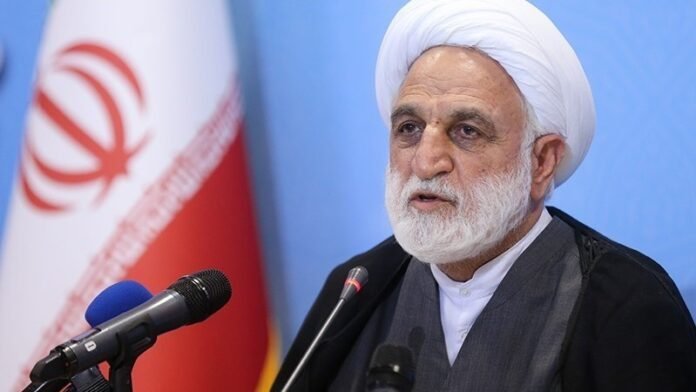
Iran’s judiciary announced its intention to pursue domestic and international human rights cases against the United States and seek to seize American assets whenever possible, Judiciary Chief Gholam-Hossein Mohseni Eje’i said Sunday, following a directive from Supreme Leader Mojtaba Khamenei.

Eje’i said the legal action would focus on deaths and damage that Iran says resulted from US and Israeli strikes on the country. He indicated that Iranian courts would continue pursuing claims while seeking opportunities to confiscate US property.

His remarks followed a request from Khamenei for the judiciary to initiate legal proceedings against the United States and Israel over casualties and destruction caused by the military conflict last June and again beginning on Feb. 28, 2026.

Khamenei has not appeared in public since his appointment as supreme leader in March.

In a message marking Judiciary Week, Eje’i said the judiciary was obligated to pursue accountability for what he described as “the crimes of international criminals, arrogant powers and global aggressors,” with particular attention to events in 2025 and 2026.

Eje’i acknowledged that Iran’s ability to confiscate American assets is limited but said authorities would continue pursuing such cases when opportunities arise.

“From now on, if we gain access to the properties of criminal Americans, we will seize and confiscate them in accordance with the legal ruling of the courts,” he said.

He also claimed Iran had previously seized an American ship “for the benefit of compatriots who have suffered losses from American crimes.”

Eje’i did not identify the vessel he was referring to.

While the specific ship was not immediately clear, Iran’s navy seized the cargo aboard the Advantage Sweet, a Suezmax crude tanker flying the Marshall Islands flag, in international waters in the Gulf of Oman in 2023.

F1 in Austria: Starts off exciting, then goes the opposite way

0
f1-in-austria:-starts-off-exciting,-then-goes-the-opposite-way
F1 in Austria: Starts off exciting, then goes the opposite way

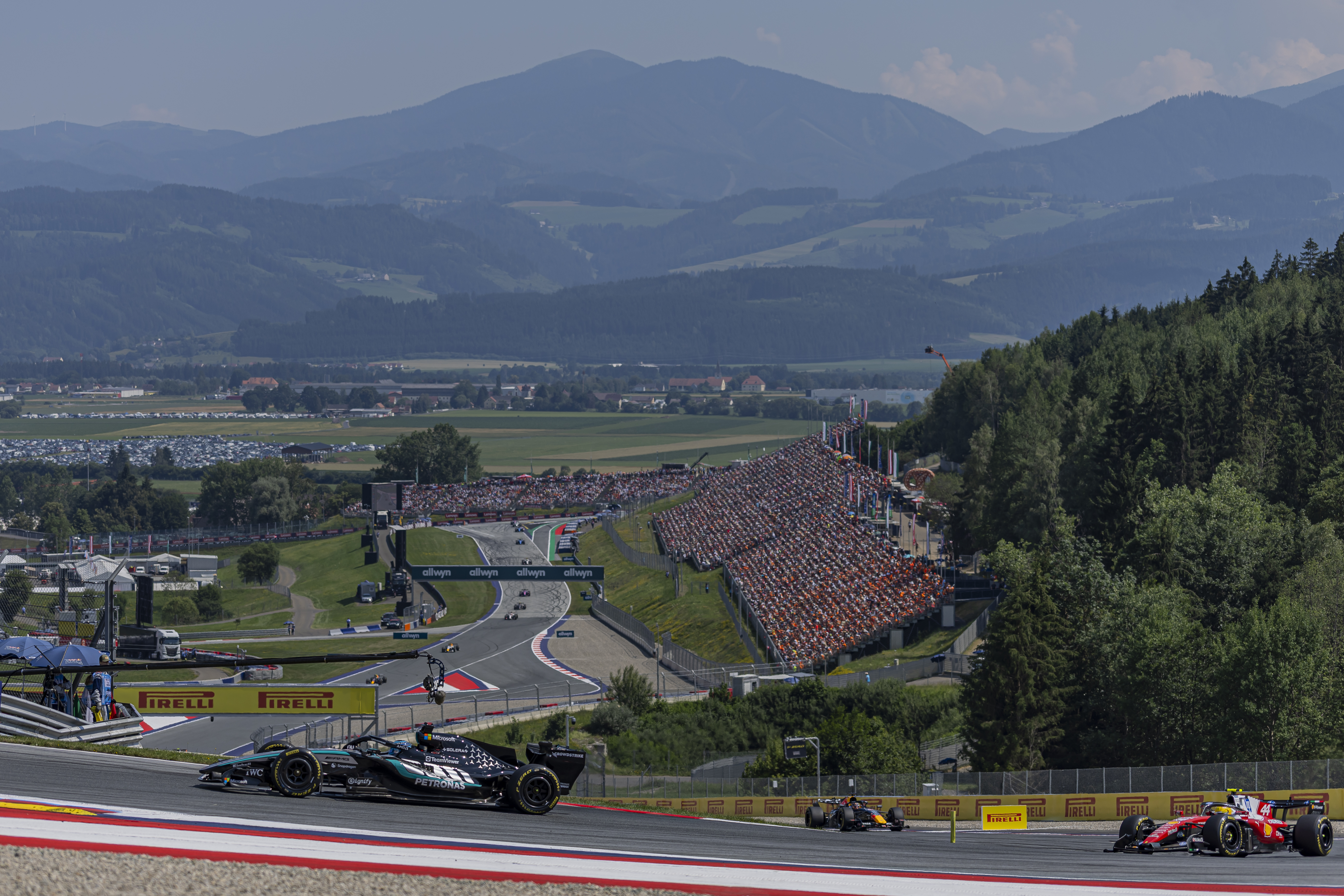
Formula 1 raced at the Red Bull Ring in Austria this past weekend while the region sweltered under a heat dome. It was a weekend of unmet expectations: After such a strong performance in Barcelona, pundits were ready to declare Ferrari’s Lewis Hamilton a proper title contender. The red cars flattered to deceive at times, but the real challenge to Mercedes’ ongoing dominance came from a newly resurgent Red Bull and Max Verstappen, who reminded us why so many of the packed grandstands were all wearing orange.

The original Östereichring was a spectacular thing, with steep gradients, long straights, and high-speed curves, surrounded by views of the Styrian mountains. But racetrack designers in the late 1960s paid scant attention to safety features, and the corners were mostly lined with Armco fencing. The sport stopped racing there after the 1987 Grand Prix, judging it too dangerous for the speeds F1 cars were capable of at the time. It was rebuilt in the mid-’90s, losing around a mile (1.6 km) in length and much of its original character in the process but gaining things like gravel traps and runoff areas at the corners, making the place a whole lot safer.

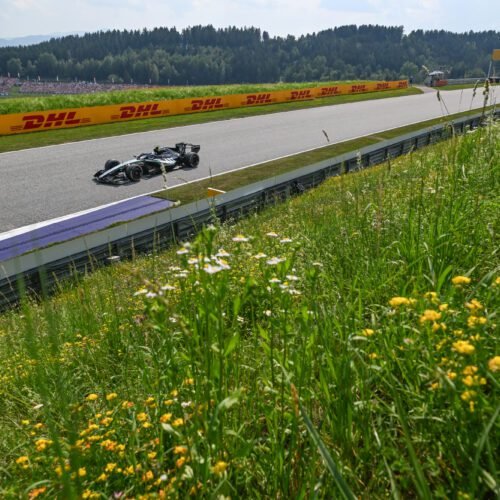
George Russell of Great Britain and Mercedes AMG Petronas F1 Team drives during the race day at the Formula 1 Lenovo Austrian Grand Prix on June 28, 2026, in Spielberg, Austria. (Photo by Robert Szaniszlo/NurPhoto via Getty Images)

The Red Bull Ring looks dramatic, but click the YouTube link in the second paragraph (or here) to see in-car footage of the old track from 1987.

The Red Bull Ring looks dramatic, but click the YouTube link in the second paragraph (or here) to see in-car footage of the old track from 1987. Credit: Robert Szaniszlo/NurPhoto via Getty Images

F1 returned to the newly christened A1-Ring from 1997 to 2003, then left for pastures new. Red Bull’s co-founder, Dietrich Mateschitz, bought it the following year—the same year he bought the Jaguar F1 team from Ford and renamed it Red Bull Racing. Mateschitz and Red Bull renovated the track again, bringing the facilities up to 21st-century F1 standards, and the sport returned in 2014. It’s not the shortest lap on the calendar in terms of distance—that honor goes to Monaco—but it does have the shortest lap times: Valtteri Bottas set a time of 1 minute, 2.939 seconds in qualifying for the 2020 Austrian Grand Prix.

That was in the ground-effect cars, which went away at the end of last season. The new cars have gone back to generating aerodynamic grip with wings and diffusers rather than a cleverly sculpted underfloor. These machines are much more tolerant of changing suspension rake and offer much more freedom in setup. But the overall level of downforce is lower than it was, and together with slightly narrower tires, they go a little slower in 2026: George Russell snatched pole position for Mercedes with a time of 1:06.113.

Reclaiming the narrative

Russell needed a good weekend. The more experienced Mercedes driver, he was feted as the champion-in-waiting at the start of the year when it was clear how big an advantage his car proffered. He won the opening race of the season and then watched his teenage teammate Kimi Antonelli take the next five in a row, along with a commanding lead in the championship.

Barcelona was supposed to be Russell’s comeback, but that victory went to his former teammate Hamilton, who finds this generation of cars much more compatible with his driving. Austria went Russell’s way; he led from the start and was never in any real danger before crossing the finish line and taking the checkered flag for his second win of the year.

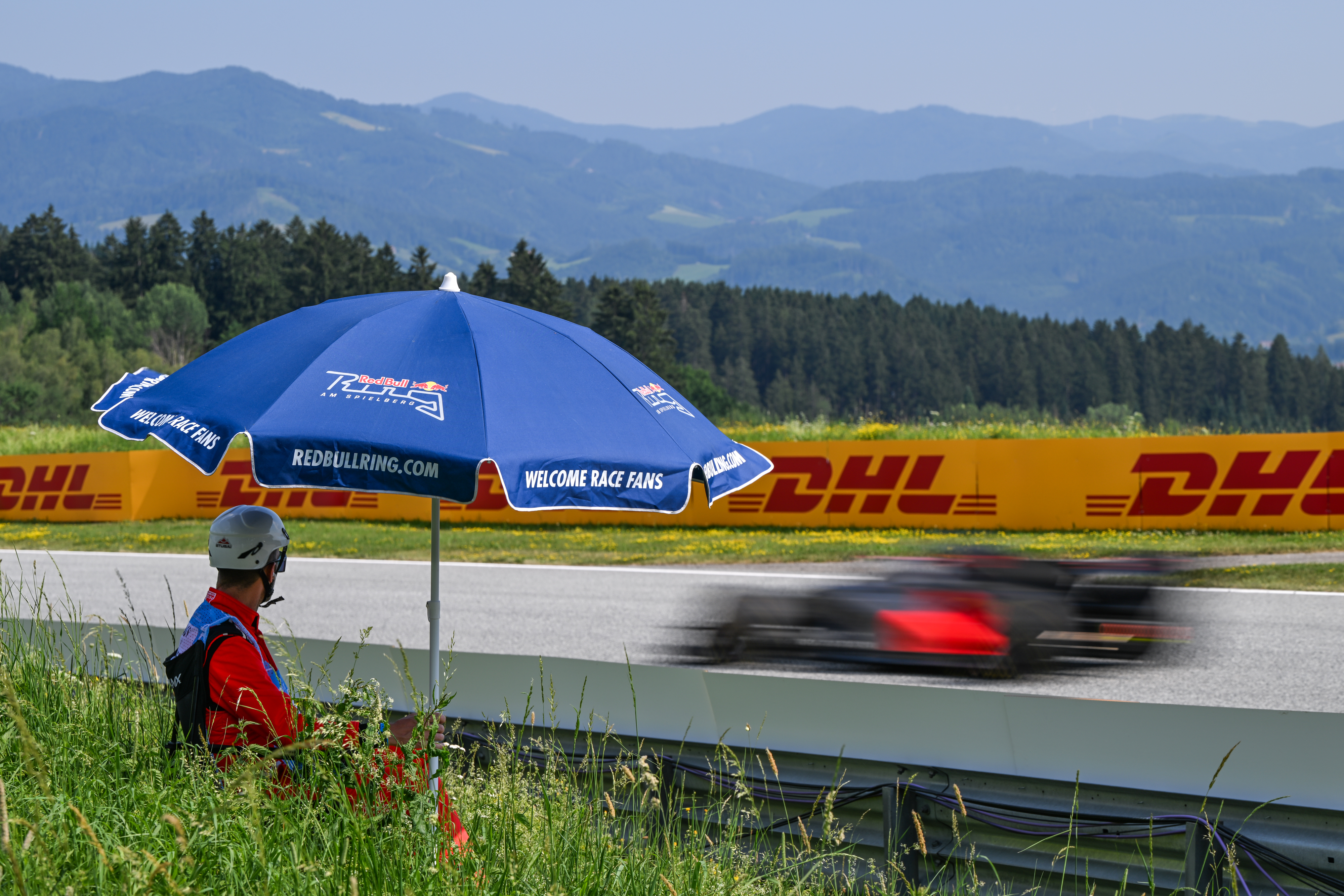
SPIELBERG, AUSTRIA - JUNE 28: A track marshal sits beneath a blue Red Bull Ring umbrella as a car passes in a motion blur during the F1 Grand Prix of Austria at Red Bull Ring on June 28, 2026 in Spielberg, Austria. (Photo by Artur Widak/NurPhoto via Getty Images)

The high ambient temperatures made cooling a challenge, especially for brakes.

The high ambient temperatures made cooling a challenge, especially for brakes. Credit: Artur Widak/NurPhoto via Getty Images

If the race had been another five laps, things might have been different. Red Bull brought a significant car upgrade to the race, and Max Verstappen used it to good effect. He started fifth but soon moved into second place, where he stayed for the rest of the race. Verstappen spent the final stint eating into Russell’s lead, but he wasn’t fast enough to catch him before the end of the 71st and final lap, finishing 1.6 seconds behind.

Another few laps would have let Antonelli catch up to Verstappen, too—the young Italian finished just shy of two seconds behind the Red Bull. Russell retakes second place in the standings, Antonelli’s third place means the gap remains large, and Verstappen leaves his team’s home track with a smile on his face and a greater chance of staying in the sport a while longer.

Ferrari, on the other hand, had a horrible weekend. The FIA determined that Ferrari’s engine is significantly behind the most powerful V6 in the field—Red Bull’s new in-house motor—so it is allowed two engine upgrades this season. Ferrari introduced the first of these in Austria, along with a new synthetic Shell fuel, which many thought would be the missing piece that would propel the chassis and aero upgrades from Barcelona to the front of the pack.

That didn’t happen. During Friday’s practice sessions, Hamilton could do no better than fifth, behind various combinations of Mercedes, Verstappen, and McLaren. On Saturday, Leclerc managed to beat him in qualifying, claiming second on the grid, with Hamilton in third. Antonelli was in fourth, having aborted his final run after Verstappen crashed and brought out a yellow flag at turn 9.

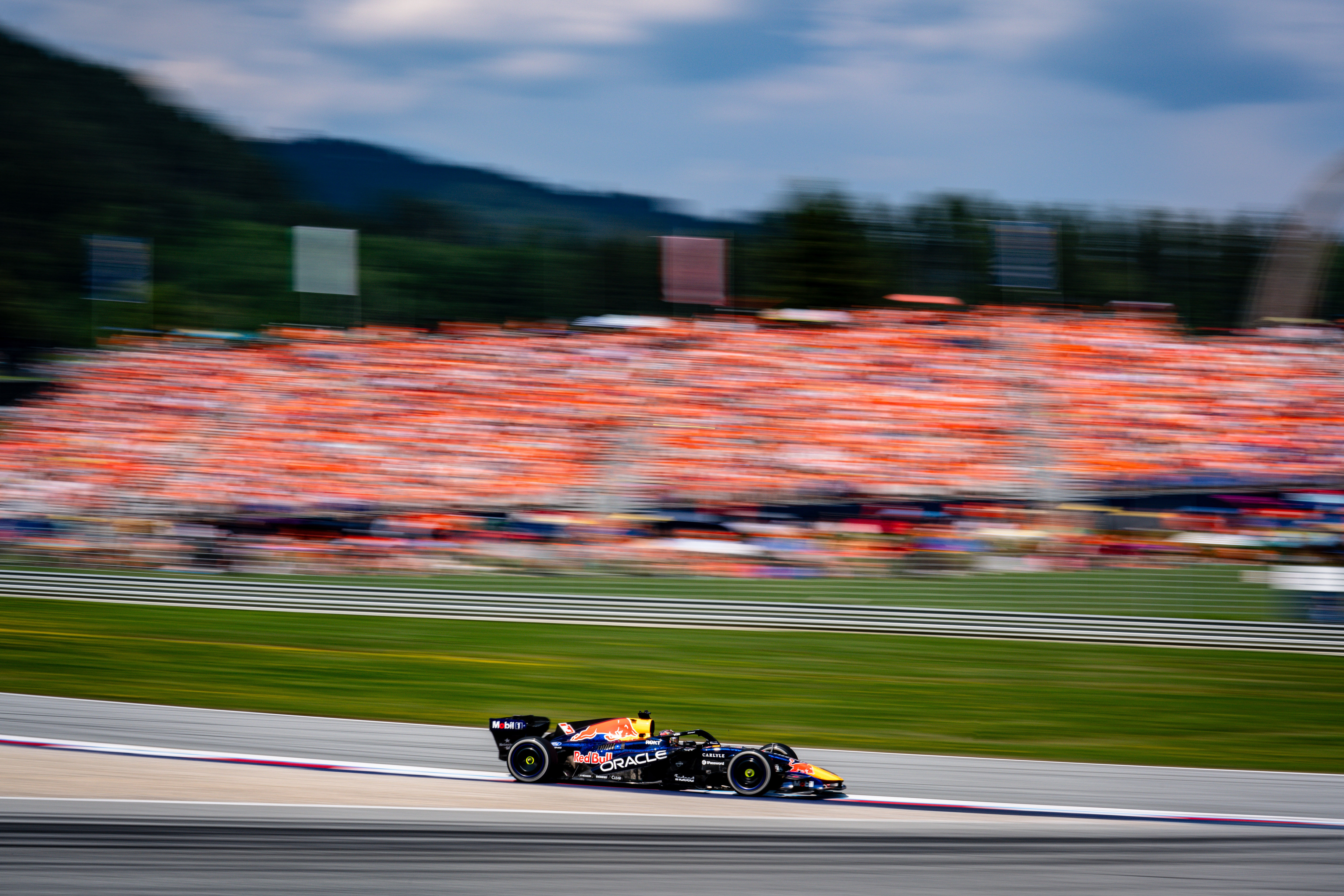
SPIELBERG, AUSTRIA - 2026/06/28: Max Verstappen (NLD) (Oracle Red Bull Racing) competes during the race of the Formula 1 Lenovo Austrian Grand Prix 2026 at the Red Bull Ring. (Photo by Luca Martini/SOPA Images/LightRocket via Getty Images)

Verstappen drives past a legion of his supporters.

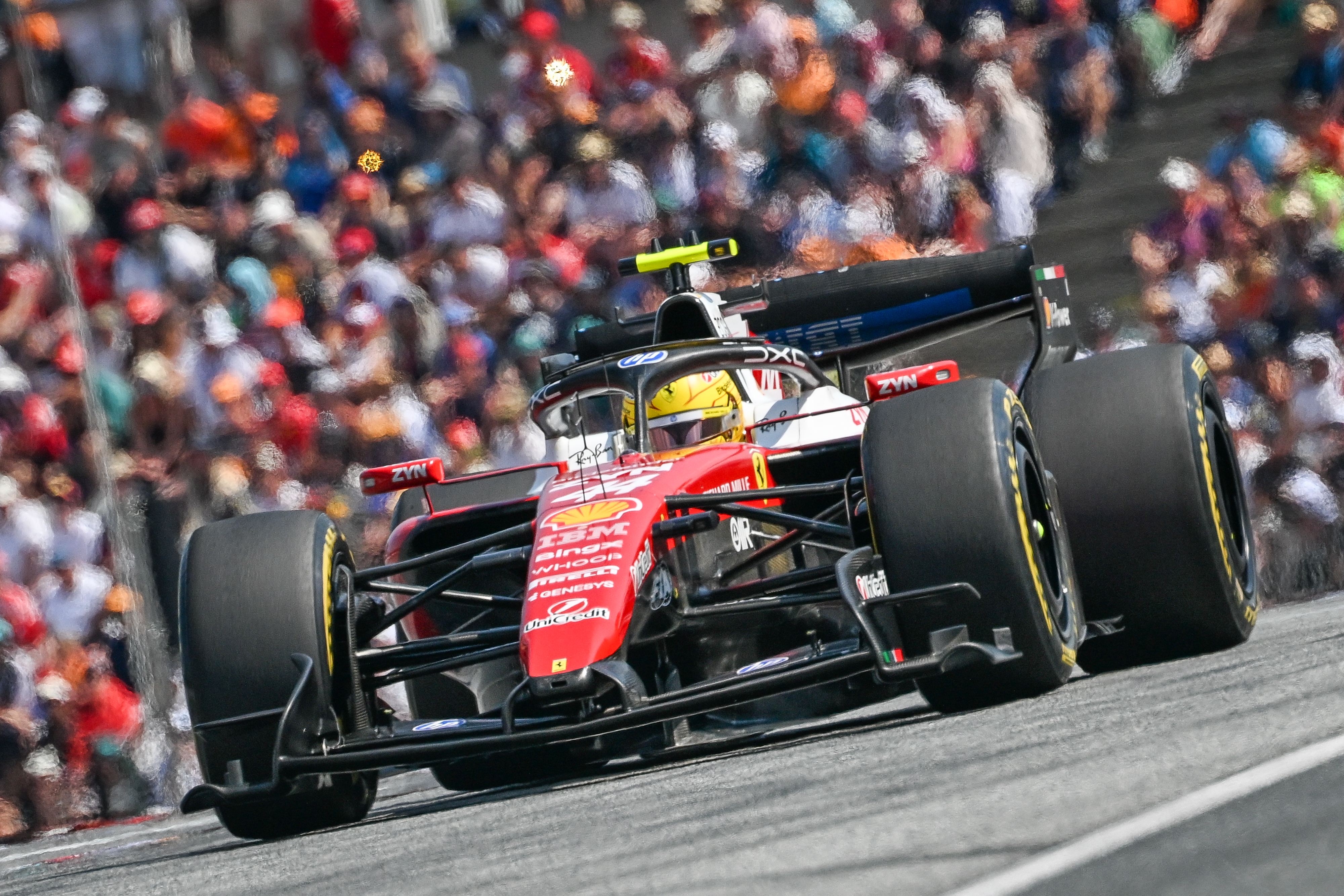
SPIELBERG, AUSTRIA - JUNE 28: Lewis Hamilton of the United Kingdom drives the #44 Scuderia Ferrari car on track during the F1 Grand Prix of Austria at Red Bull Ring on June 28, 2026 in Spielberg, Austria. (Photo by Artur Widak/NurPhoto via Getty Images)

Lewis Hamilton tried to hold off Verstappen but couldn’t.

The Ferraris made OK starts in the race, though the rocket-like advantage they had in early races is long gone. But the superior tire wear from Barcelona was gone here, and both red cars soon began losing time. Hamilton finished fifth, with Leclerc in an even more distant eighth place. McLaren had a slightly less mediocre time, finishing fourth (Oscar Piastri) and seventh (Lando Norris), with Isack Hadjar’s Red Bull in sixth. Red Bull’s other F1 team, Racing Bulls, took best of the rest by claiming the final two points places with Liam Lawson in ninth and Arvid Lindblad in 10th.

The race itself was a lot like classic V10-era F1, at least after the first few frenetic laps. From then on, there was little on-track action, with teams trying to use tire strategy to pass rivals in the pits. That said, we witnessed some good battling between Verstappen and Hamilton, albeit with a bit of the pass-repass yo-yo-ing that these current hybrids can cause.

To that end, the FIA, the teams, and the engine manufacturers have agreed on new balances between the V6 and electric sides of the hybrid power units. For 2026, the V6 generates 536 hp (400 kW), and the electric motor adds another 469 hp (350 kW), but only when there’s charge in the battery, which isn’t for that much of an average lap.

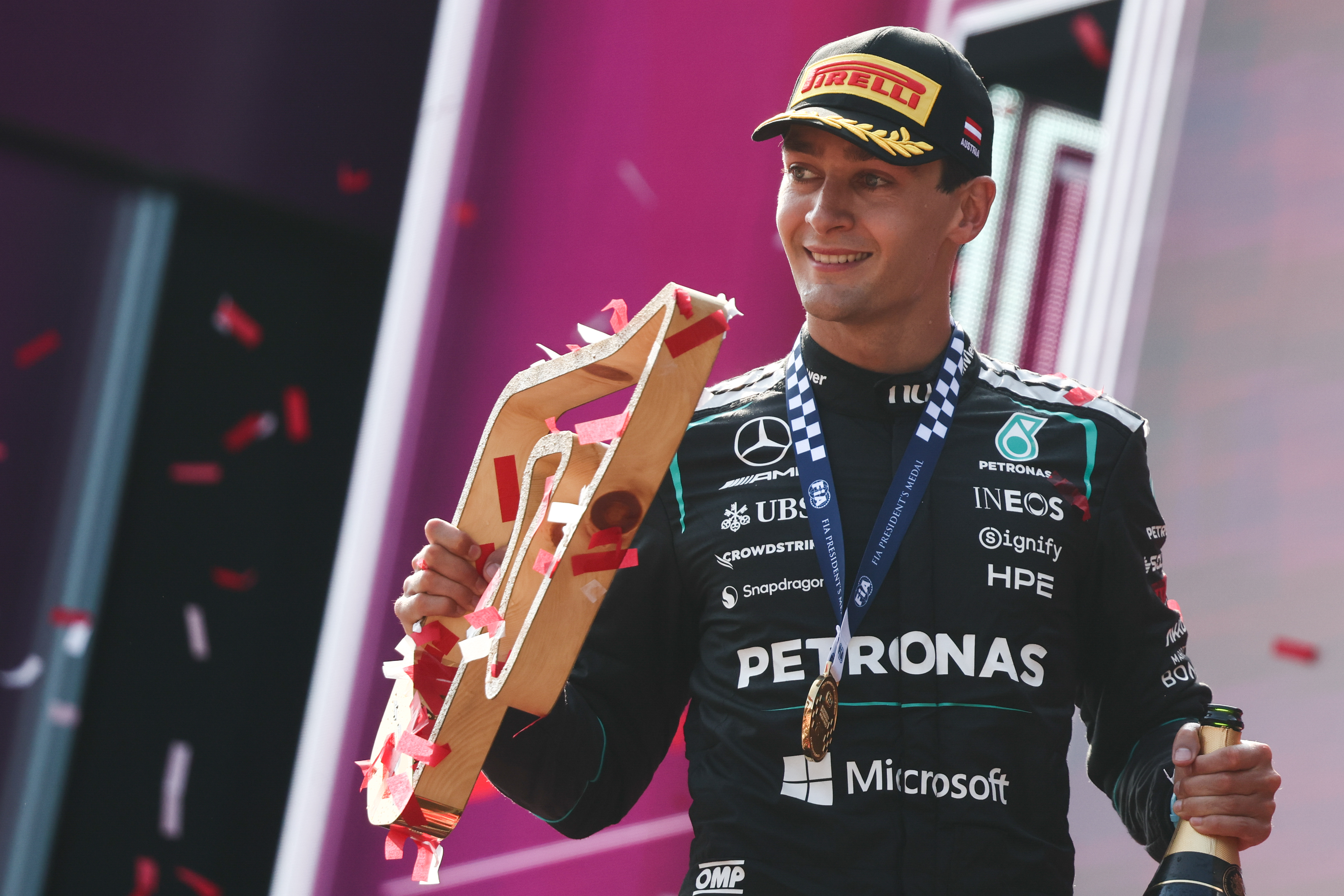
George Russell of Mercedes after the Formula 1 Austrian Grand Prix at Red Bull Ring in Spielberg, Austria on June 28, 2026. (Photo by Jakub Porzycki/NurPhoto via Getty Images)

Russell takes his second win of 2026.

Russell takes his second win of 2026. Credit: Jakub Porzycki/NurPhoto via Getty Images

Next year, the wick will be turned up by 5 percent to 563 hp (420 kW), and in 2028, it will increase to 603 hp (450 kW). Meanwhile, the electric motor output decreases to 402 hp (300 kW) next year. This means the hybrids will have a ratio of 58:42 in 2027, then a ratio of 60:40 in 2028 for the split between V6 and electric motor. However, overtake mode remains at 469 hp, and the electric motor can harvest 375 kW in 2027 (up from 350 kW now) and 400 kW in 2028.

The original plan to rebalance the power units had suggested a 60:40 split next year, but teams, including Audi, deemed it too soon and wanted a more measured ramp.

Philippines poised to squander a rich nickel future

0
philippines-poised-to-squander-a-rich-nickel-future
Philippines poised to squander a rich nickel future

The Philippines is approaching a critical moment in its nickel policy. As one of Southeast Asia’s largest nickel producers, it has a rare opportunity to transform nickel from a raw mineral export into a foundation for national industrialization.

But that opportunity is not guaranteed. If the policy design is weak, Philippine nickel could be depleted to feed smelters abroad before the country’s own processing industry is fully built.

For years, Philippine nickel ore has been an important source of supply for Asia’s processing industry, particularly for China and, more recently, Indonesia. As Indonesia tightens its domestic ore supply and production, many Indonesian smelters have begun looking to the Philippines for alternative feedstock.

For Philippine mining companies, this looks like a clear market opportunity: Demand rises, exports increase and short-term revenues improve. But from the standpoint of the national economy, the issue is far more strategic.

The question is not simply how much ore can be exported this year. The real question is whether the Philippines will remain a raw-material supplier for other countries’ industrialization — or use its nickel as capital for its own.

Nickel is no ordinary commodity. It is a strategic input for modern industry: stainless steel, superalloys, high-performance machinery, turbines, medical equipment, aerospace technology, robotics, batteries, electric vehicles and green industrial supply chains.

A country with nickel does not merely possess red soil to be shipped from its ports. It holds one of the key materials of the industries of the future.

That is why aggressive raw ore exports carry a serious long-term risk. Excessive exports may generate quick revenue, but they also erode the raw material base needed to build domestic processing capacity.

Because the Philippines does not have nickel reserves on the scale of Indonesia, this policy mistake could be costly. Downstreaming that comes too late may become downstreaming without enough raw material left to process.

The Philippines, therefore, needs a long-term nickel strategy that is carefully designed and implemented with discipline.

The first pillar should be production control. Nickel is a nonrenewable resource. Once it is mined and exported, it cannot be replaced. The pace of extraction should not be left entirely to short-term market demand.

Markets are biased toward today’s needs. The state must also weigh the life of its reserves, the needs of future domestic industry, environmental limits and the interests of the next generation.

The Philippine government should establish a national production quota mechanism. Such a quota should reflect three considerations: how long reserves can last, how much ore must be preserved for domestic downstreaming and how much environmental pressure mining regions can sustain.

The country should not reach a point where smelters are finally ready to be built, only to find that its best reserves have already been shipped abroad.

The second pillar should be progressive export duties on nickel ore. Export duties are more flexible than a sudden export ban. They do not shut the market overnight.

Instead, they gradually make raw ore exports more expensive, creating a stronger incentive for mining companies and investors to move from exporting ore toward processing it domestically.

Export duties serve two purposes at once. First, they provide fiscal revenue during the transition period. Second, they create a price signal for domestic processing. If exporting ore becomes increasingly costly, processing nickel in the Philippines becomes more attractive.

The third pillar should be smelter development without excessive reliance on tax holidays and other fiscal giveaways. Many resource-rich countries assume they must offer large tax incentives to attract investors.

This is often a mistake. The state provides cheap access to natural resources, absorbs social and environmental risks, and then gives up potential tax revenue. The result is an industry that appears to grow but delivers weak fiscal and economic returns.

The Philippines does not need to make tax holidays the centerpiece of its downstreaming strategy. If the policy design is strong, natural incentives already exist. Progressive export duties make raw ore exports more expensive.

At the same time, domestic smelters gain access to more secure and competitive feedstock than foreign smelters, which must bear export costs, shipping costs and supply risks. This is a healthier incentive than fiscal concessions.

Regionally, the Philippines can seize momentum from Indonesia’s policy shift. As Indonesia controls production more tightly, the structure of global nickel supply will change. Investors will look for alternative sources of ore and alternative processing locations.

The Philippines can capture this opportunity not by exporting ore to Indonesia on a massive scale, but by offering a credible long-term downstreaming strategy: temporary ore supply under adequate export duties, while preparing its own domestic smelting and processing capacity.

This approach also creates room for a healthier strategic alignment between the Philippines and Indonesia. If both countries control production and reduce dependence on cheap raw-material exports, Southeast Asia’s bargaining power in the global nickel supply chain will increase.

The Philippines still has time to build a more disciplined nickel strategy from the start. The key is not to wait until reserves are depleted. Nickel must be managed before the market drains it. Otherwise, the country may have a downstreaming plan on paper but lose the best raw materials needed to make it work.

Philippine nickel is too strategic to merely fuel the industries of other countries. It should become a foundation of the Philippines’ own national economy.

Abdurrahman Arum is the executive director of Transisi Bersih, an Indonesia-based policy research organization. His research focuses on natural resource governance, industrial policy, and strategies to manage nickel, coal, and palm oil for national economic interests.

Comcast is splitting its media and broadband properties

0
comcast-is-splitting-its-media-and-broadband-properties
Comcast is splitting its media and broadband properties

Comcast said it plans to separate its media businesses from its mobile and broadband networks in the latest reshaping of the US industry, sending shares in the group up more than 20 percent on Monday.

The US media group said it expected to complete the break-up within a year through a tax-free spin-off of NBCUniversal and Sky —handing existing shareholders stock in both Comcast and the new standalone media company.

The move comes as the traditional American media industry races to keep pace as audiences shift their attention to social media and streaming platforms.

Paramount Skydance is expected to seal a $111 billion deal to acquire Warner Bros Discovery later this summer, marrying two studios with roots in the silent film era.

Before the announcement, Comcast’s share price had fallen about 30 percent over the past year, pushing its market capitalization toward a 10-year low of $82.7 billion. New threats have also emerged to Comcast’s Internet connectivity business from competitors such as Elon Musk’s SpaceX.

Comcast shares rose more than 20 percent in pre-market trading after the announcement.

In January, Comcast spun off its cable television businesses, which include channels such as CNBC and the USA Network, as a separate group called Versant.

The latest split will create a media giant with operations spanning Universal Studios, the Peacock streaming platform, and Sky outside the US. NBCUniversal owns media assets such as NBC, Telemundo, and DreamWorks as well as theme parks and resorts.

Comcast will be left with a broadband and wireless network business reaching 65 million customers across the US.

The move is intended to simplify and improve the business’s appeal to investors, according to people close to the move. Some investors favor the steadier broadband business while others want access to a “pure play” media group.

The split will also make future partnerships and dealmaking simpler for the two standalone companies, the person said. Last year, Comcast was among the suitors to buy WBD in an acquisition battle that was eventually won by Paramount Skydance.

Comcast said it would establish a strong investment-grade balance sheet for each company, providing both with “significant financial flexibility to pursue their respective growth strategies.”

The company is expected to announce a deal to acquire ITV’s broadcasting business in the next few weeks for about £1.6 billion, according to multiple people familiar with the situation, which will bolster the UK media operations ahead of the split.

Comcast expects to retain a stake of up to 19.9 percent in NBCUniversal for up to one year after the completion of the spin-off, which it intends to sell in a tax-efficient manner over time.

Brian Roberts, Comcast’s chair and chief executive, will continue to be “actively involved” in leading both companies following a reshuffle in the management team, Comcast said. Mike Cavanagh, Comcast’s co-chief executive, will become CEO of NBCUniversal, while Comcast’s former finance chief Michael Angelakis will lead Comcast.

© 2026 The Financial Times Ltd. All rights reserved. Not to be redistributed, copied, or modified in any way.

0FansLike
0FollowersFollow
0FollowersFollow
0SubscribersSubscribe
- Advertisement -
Google search engine

Recent Posts