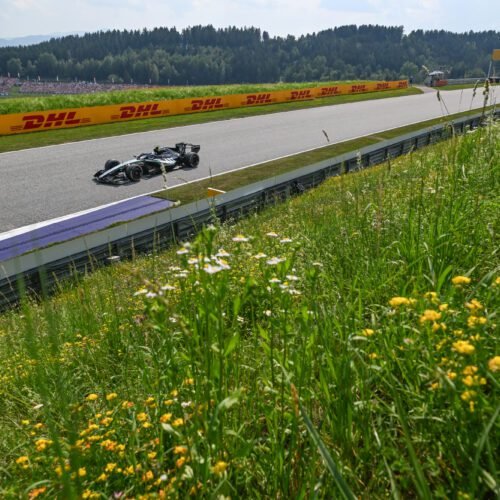
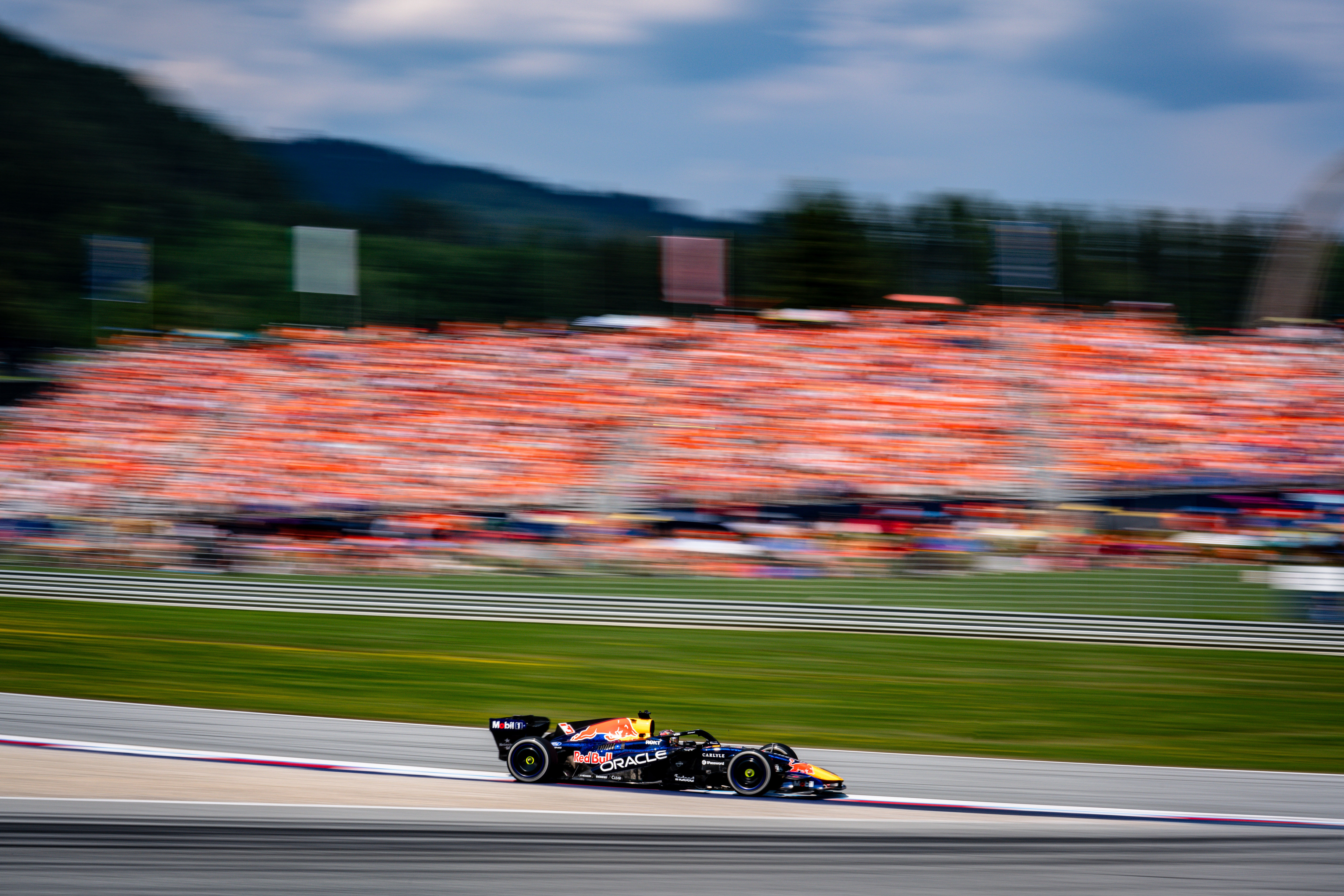
Formula 1 raced at the Red Bull Ring in Austria this past weekend while the region sweltered under a heat dome. It was a weekend of unmet expectations: After such a strong performance in Barcelona, pundits were ready to declare Ferrari’s Lewis Hamilton a proper title contender. The red cars flattered to deceive at times, but the real challenge to Mercedes’ ongoing dominance came from a newly resurgent Red Bull and Max Verstappen, who reminded us why so many of the packed grandstands were all wearing orange.
The original Östereichring was a spectacular thing, with steep gradients, long straights, and high-speed curves, surrounded by views of the Styrian mountains. But racetrack designers in the late 1960s paid scant attention to safety features, and the corners were mostly lined with Armco fencing. The sport stopped racing there after the 1987 Grand Prix, judging it too dangerous for the speeds F1 cars were capable of at the time. It was rebuilt in the mid-’90s, losing around a mile (1.6 km) in length and much of its original character in the process but gaining things like gravel traps and runoff areas at the corners, making the place a whole lot safer.
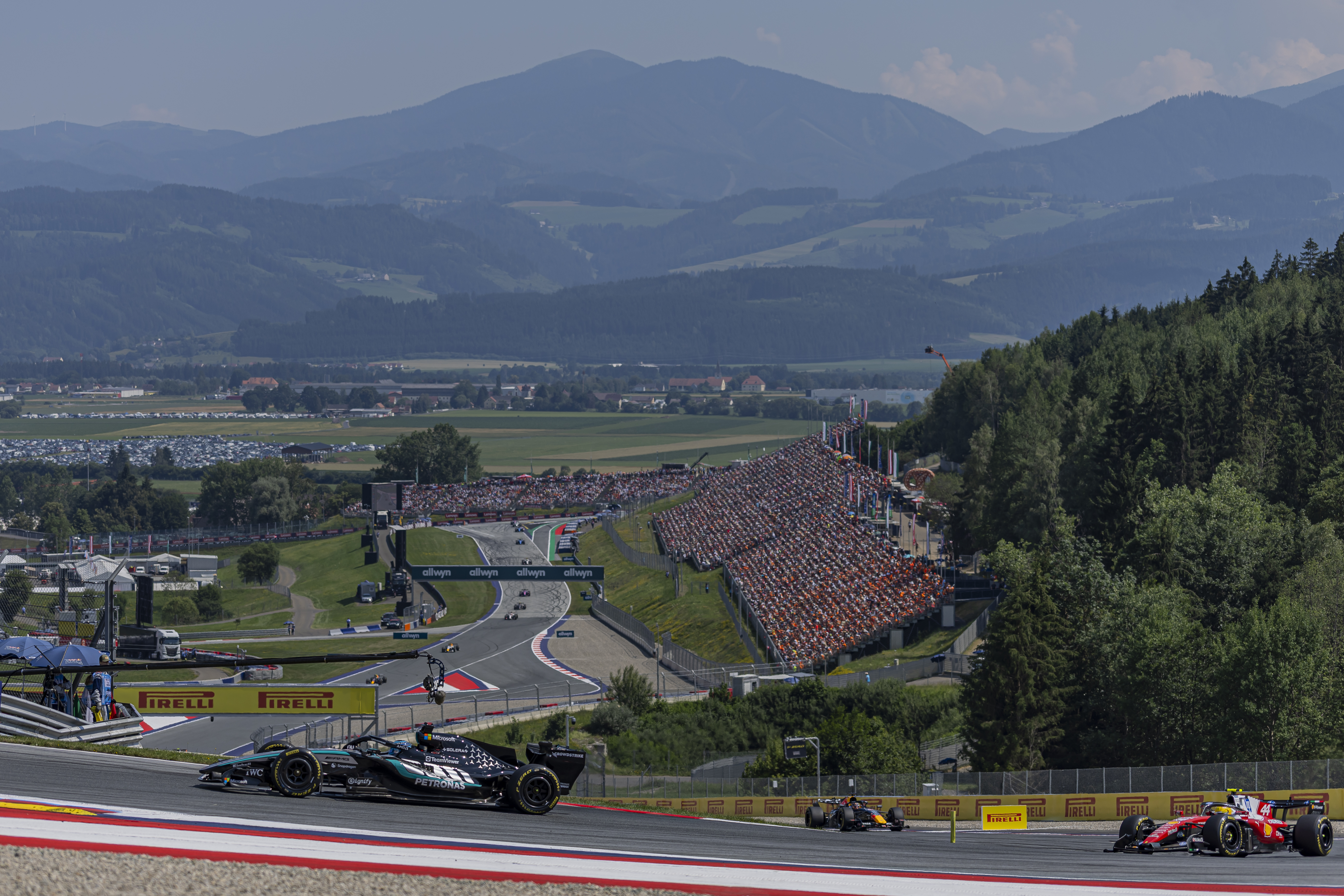
F1 returned to the newly christened A1-Ring from 1997 to 2003, then left for pastures new. Red Bull’s co-founder, Dietrich Mateschitz, bought it the following year—the same year he bought the Jaguar F1 team from Ford and renamed it Red Bull Racing. Mateschitz and Red Bull renovated the track again, bringing the facilities up to 21st-century F1 standards, and the sport returned in 2014. It’s not the shortest lap on the calendar in terms of distance—that honor goes to Monaco—but it does have the shortest lap times: Valtteri Bottas set a time of 1 minute, 2.939 seconds in qualifying for the 2020 Austrian Grand Prix.
That was in the ground-effect cars, which went away at the end of last season. The new cars have gone back to generating aerodynamic grip with wings and diffusers rather than a cleverly sculpted underfloor. These machines are much more tolerant of changing suspension rake and offer much more freedom in setup. But the overall level of downforce is lower than it was, and together with slightly narrower tires, they go a little slower in 2026: George Russell snatched pole position for Mercedes with a time of 1:06.113.
Reclaiming the narrative
Russell needed a good weekend. The more experienced Mercedes driver, he was feted as the champion-in-waiting at the start of the year when it was clear how big an advantage his car proffered. He won the opening race of the season and then watched his teenage teammate Kimi Antonelli take the next five in a row, along with a commanding lead in the championship.
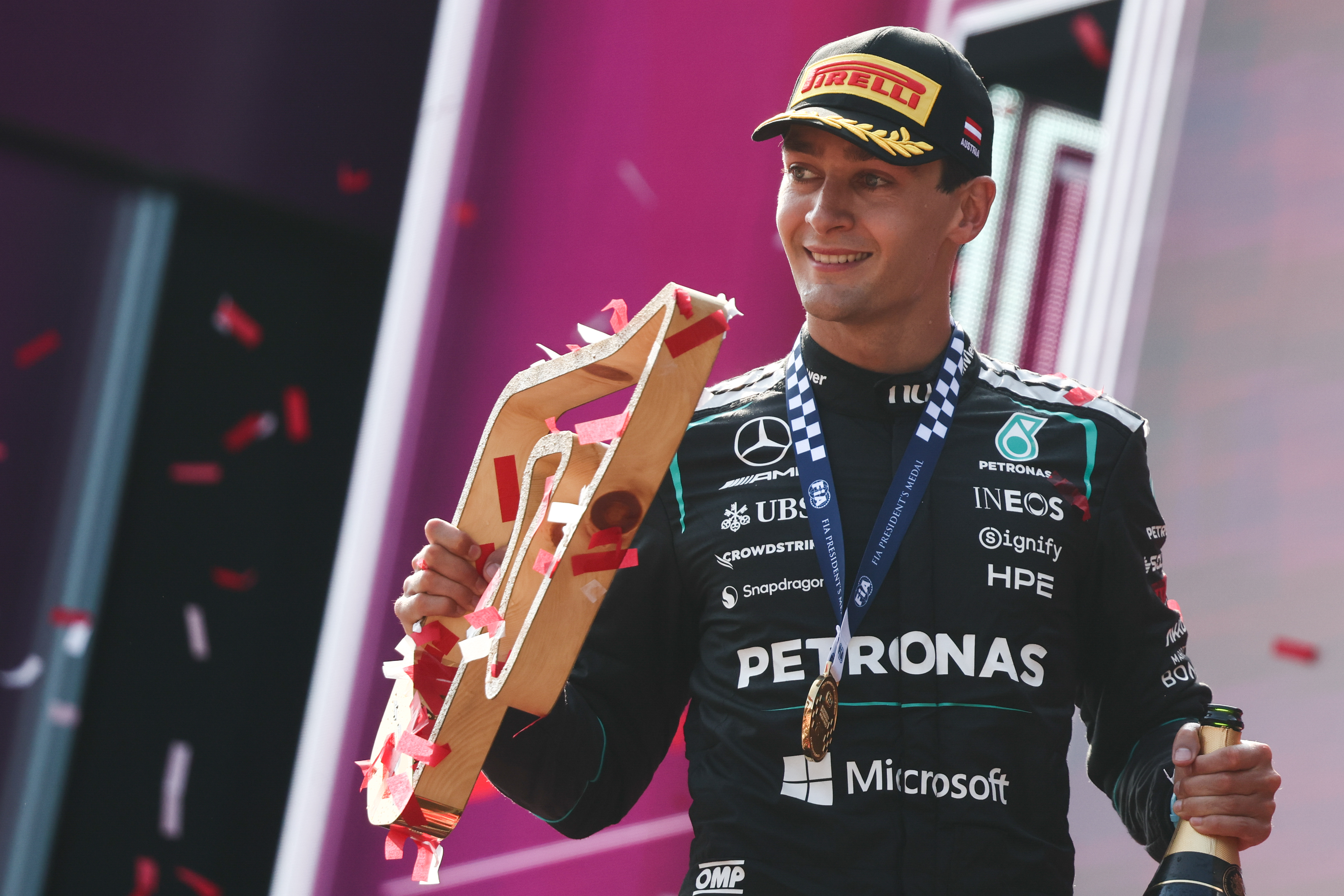
Barcelona was supposed to be Russell’s comeback, but that victory went to his former teammate Hamilton, who finds this generation of cars much more compatible with his driving. Austria went Russell’s way; he led from the start and was never in any real danger before crossing the finish line and taking the checkered flag for his second win of the year.
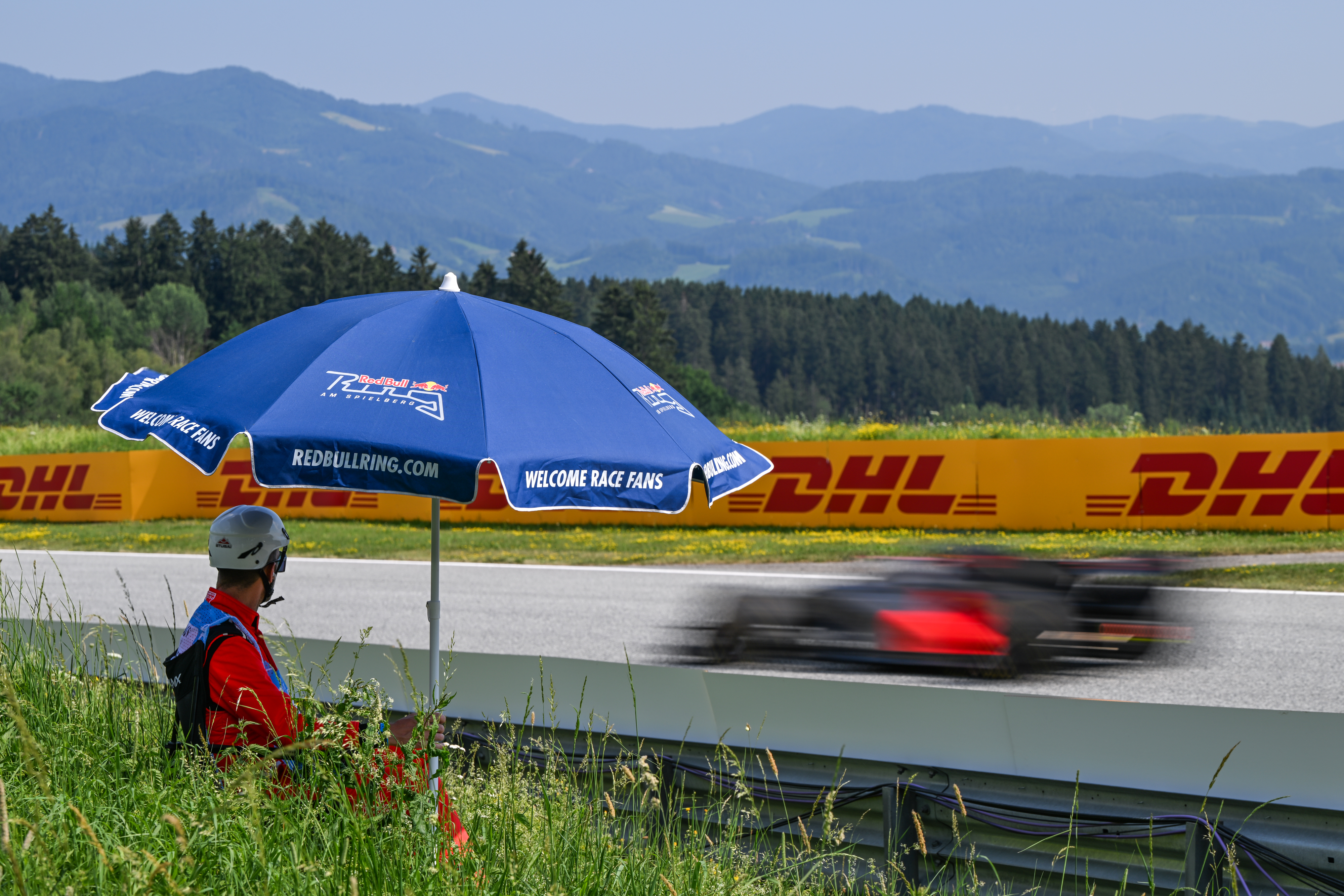
If the race had been another five laps, things might have been different. Red Bull brought a significant car upgrade to the race, and Max Verstappen used it to good effect. He started fifth but soon moved into second place, where he stayed for the rest of the race. Verstappen spent the final stint eating into Russell’s lead, but he wasn’t fast enough to catch him before the end of the 71st and final lap, finishing 1.6 seconds behind.
Another few laps would have let Antonelli catch up to Verstappen, too—the young Italian finished just shy of two seconds behind the Red Bull. Russell retakes second place in the standings, Antonelli’s third place means the gap remains large, and Verstappen leaves his team’s home track with a smile on his face and a greater chance of staying in the sport a while longer.
Ferrari, on the other hand, had a horrible weekend. The FIA determined that Ferrari’s engine is significantly behind the most powerful V6 in the field—Red Bull’s new in-house motor—so it is allowed two engine upgrades this season. Ferrari introduced the first of these in Austria, along with a new synthetic Shell fuel, which many thought would be the missing piece that would propel the chassis and aero upgrades from Barcelona to the front of the pack.
That didn’t happen. During Friday’s practice sessions, Hamilton could do no better than fifth, behind various combinations of Mercedes, Verstappen, and McLaren. On Saturday, Leclerc managed to beat him in qualifying, claiming second on the grid, with Hamilton in third. Antonelli was in fourth, having aborted his final run after Verstappen crashed and brought out a yellow flag at turn 9.
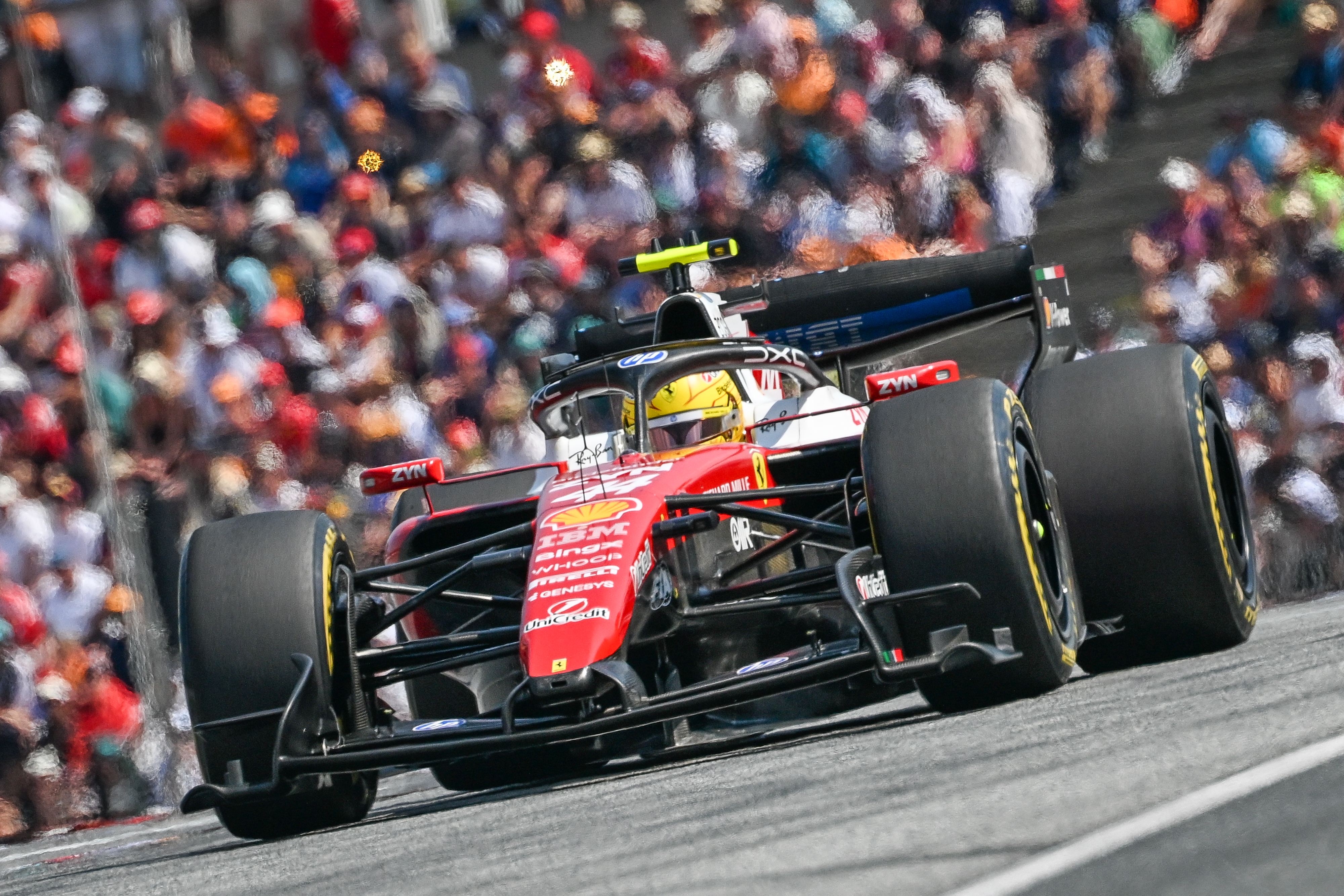
The Ferraris made OK starts in the race, though the rocket-like advantage they had in early races is long gone. But the superior tire wear from Barcelona was gone here, and both red cars soon began losing time. Hamilton finished fifth, with Leclerc in an even more distant eighth place. McLaren had a slightly less mediocre time, finishing fourth (Oscar Piastri) and seventh (Lando Norris), with Isack Hadjar’s Red Bull in sixth. Red Bull’s other F1 team, Racing Bulls, took best of the rest by claiming the final two points places with Liam Lawson in ninth and Arvid Lindblad in 10th.
The race itself was a lot like classic V10-era F1, at least after the first few frenetic laps. From then on, there was little on-track action, with teams trying to use tire strategy to pass rivals in the pits. That said, we witnessed some good battling between Verstappen and Hamilton, albeit with a bit of the pass-repass yo-yo-ing that these current hybrids can cause.
To that end, the FIA, the teams, and the engine manufacturers have agreed on new balances between the V6 and electric sides of the hybrid power units. For 2026, the V6 generates 536 hp (400 kW), and the electric motor adds another 469 hp (350 kW), but only when there’s charge in the battery, which isn’t for that much of an average lap.
Next year, the wick will be turned up by 5 percent to 563 hp (420 kW), and in 2028, it will increase to 603 hp (450 kW). Meanwhile, the electric motor output decreases to 402 hp (300 kW) next year. This means the hybrids will have a ratio of 58:42 in 2027, then a ratio of 60:40 in 2028 for the split between V6 and electric motor. However, overtake mode remains at 469 hp, and the electric motor can harvest 375 kW in 2027 (up from 350 kW now) and 400 kW in 2028.
The original plan to rebalance the power units had suggested a 60:40 split next year, but teams, including Audi, deemed it too soon and wanted a more measured ramp.