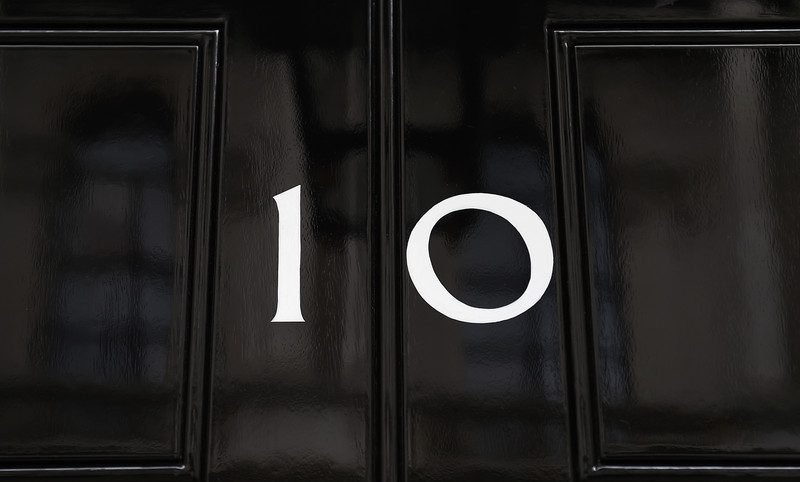
Prime Minister Keir Starmer said on Monday he would resign, with a new leader to be in place by the time parliament returns in September, paving the way for Britain to have its seventh leader in 10 years.
Here’s what happens next:
HOW DOES A LEADERSHIP CONTEST WORK?
Any candidate wishing to replace Starmer would need to secure the support of 20% of Labour members of parliament. With Labour currently holding 403 seats, that equates to 81 lawmakers, including the challenger.
Candidates also must hit thresholds for support from grassroots Labour Party organisations, and from affiliated organisations such as trade unions.
WHO GETS TO DECIDE THE WINNER?
If more than one candidate qualifies, the winner is decided by a ballot of all Labour Party members and affiliates. The winner then becomes prime minister.
HOW LONG WOULD IT TAKE?
Though the timeline is officially decided by the party’s governing body, Starmer said nominations would open on July 9 and close before parliament goes into recess, which is scheduled for July 16.
He said if there were to be a contest, it should be completed by the time parliament returns, which is scheduled for September 1.
WHAT HAPPENS IF THERE’S ONLY ONE CANDIDATE?
If only one candidate meets the threshold for support, there is no vote: the candidate is elected unopposed as Labour leader and becomes prime minister.