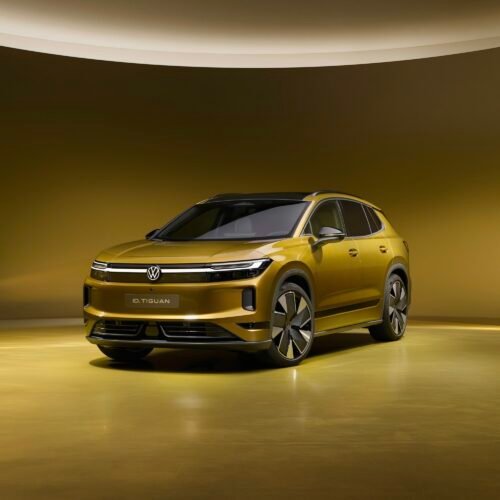
Volkswagen’s ID.4 is no more. The midsize crossover debuted in 2021, one of VW’s first new electric vehicles designed in the wake of dieselgate. A year later, the company began local production in Chattanooga, Tennessee, and a couple of years ago facelifted the model, adding a much-improved rear drive unit in the process. But Chattanooga turned its attention away from the ID.4 earlier this year. And, having sold almost a million ID.4s (and near-identical ID.5s) globally, the German automaker has decided it’s time for its replacement. Meet the ID. Tiguan.
Dropping the numerical and adopting the moniker of VW’s big seller is a statement. “The Tiguan is our best-selling model worldwide, and the ID.4 and ID.5 are among our most successful electric cars. The ID. Tiguan brings these two success stories together,” said Thomas Schäfer, CEO of the VW brand.
VW was an early pioneer of using flexible vehicle architectures to create a multitude of bodystyles and sizes with common parts, and its transition into building EVs hasn’t changed that. The ID. Tiguan uses an updated version of the company’s mass-market EV platform, now called MEB+, with either 58 kWh or 77 kWh battery packs. The smaller pack is only available with a 187 hp (140 kW) rear electric motor, but the 77 kWh battery can be had with either a 281 hp (210 kW) rear-wheel drive powertrain or as a 295 hp (220 kW) all-wheel drive version. Range is up to 373 miles (600 km), at least according to the European WLTP test.
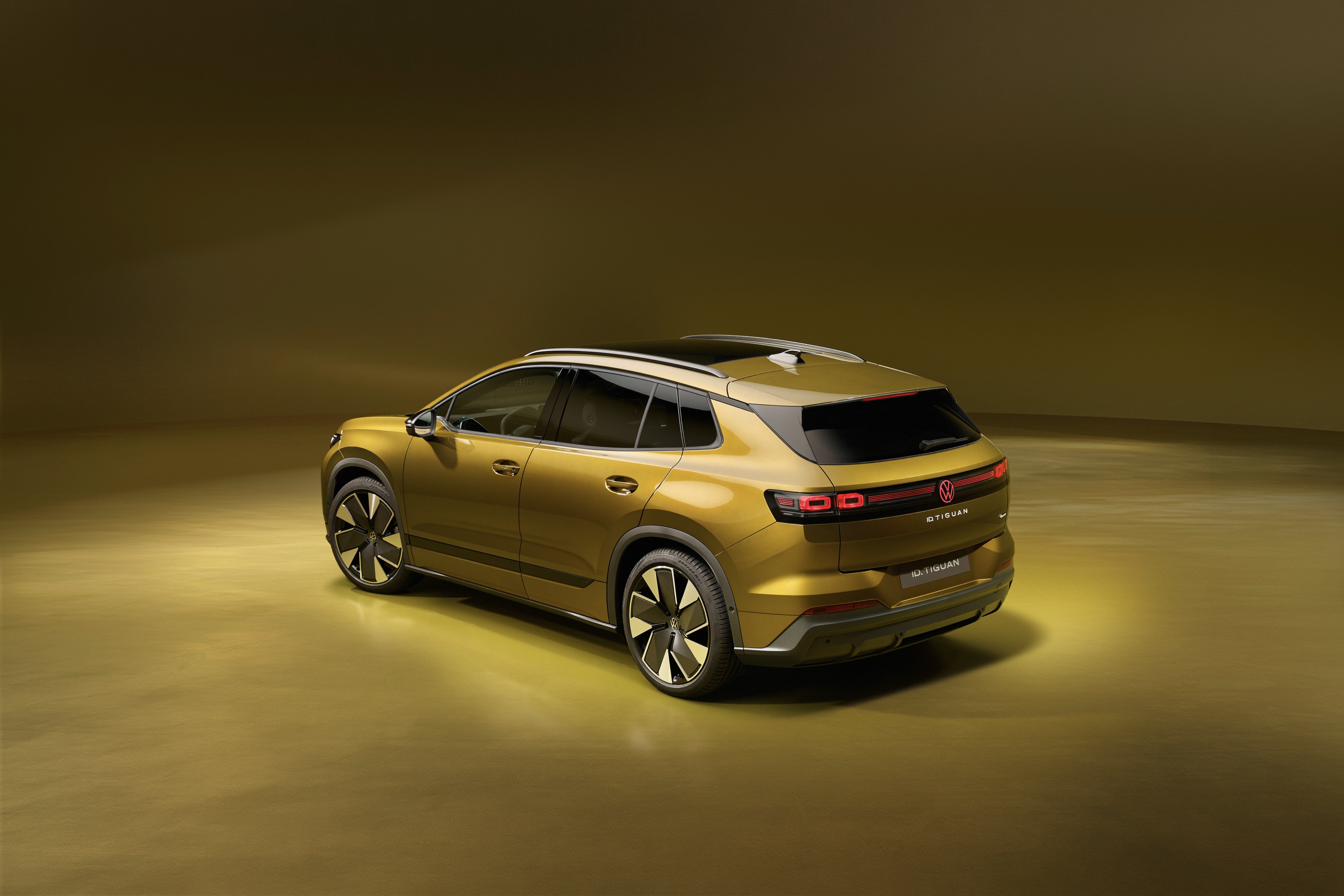
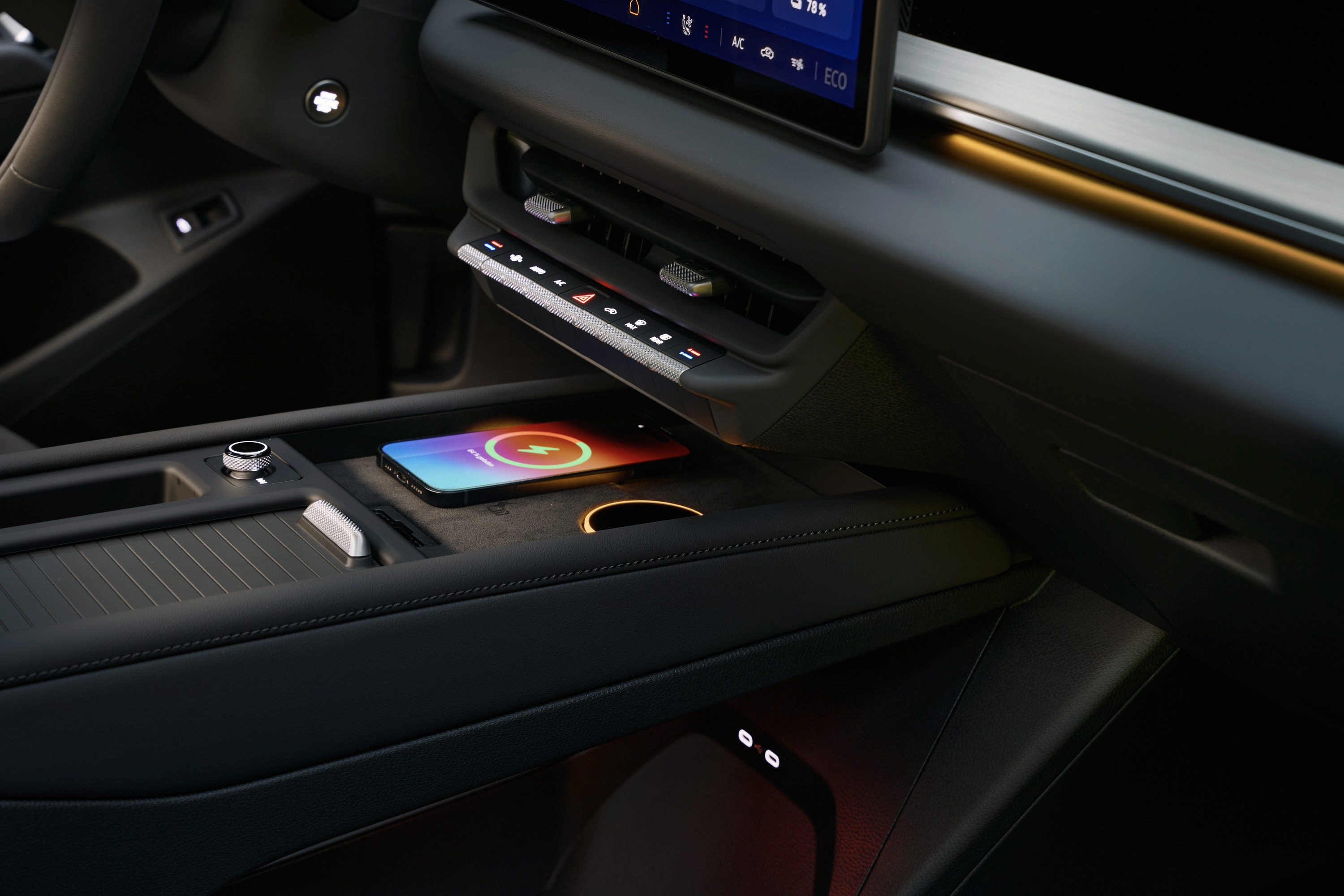
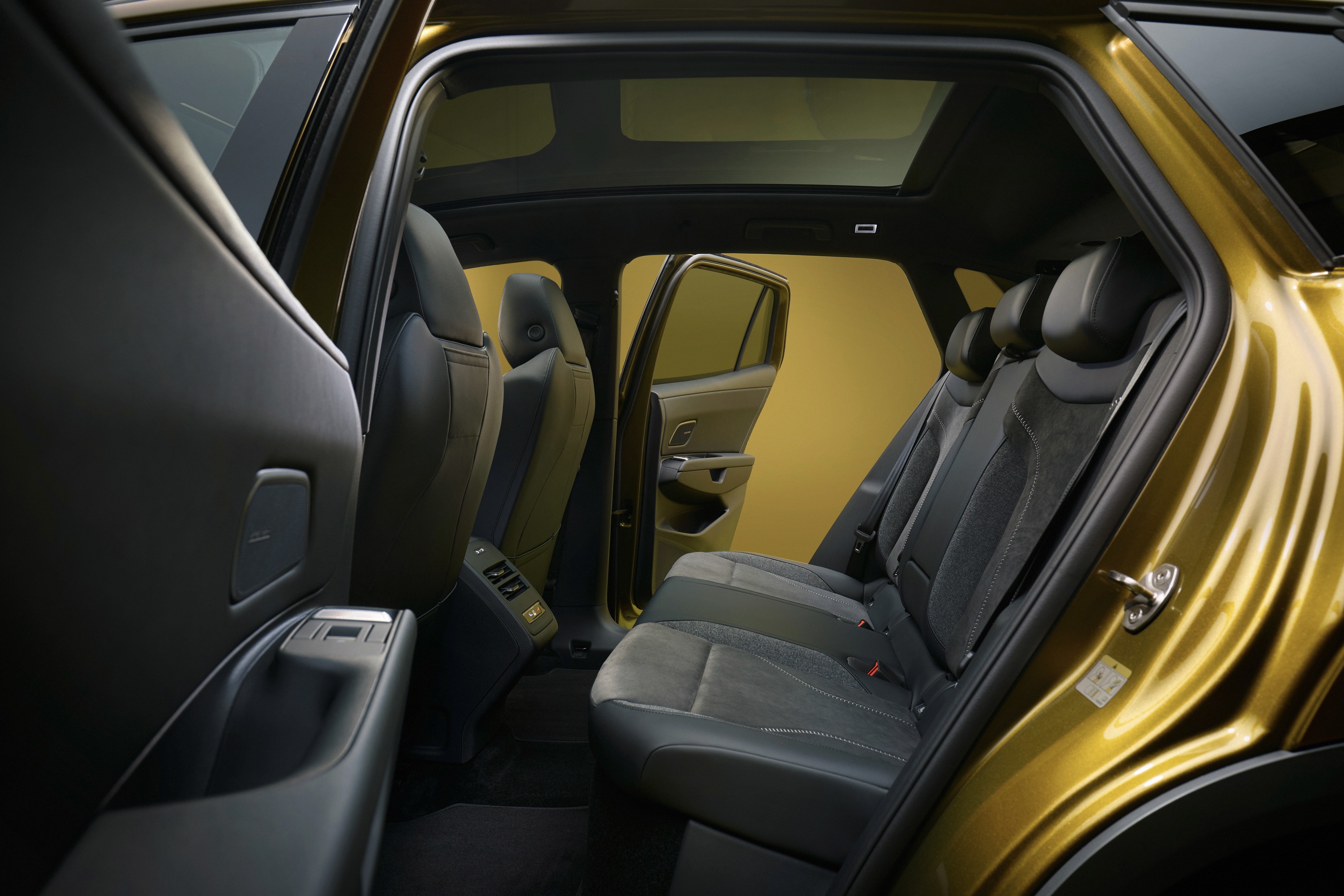
Alongside the mainstream name, it has a more mainstream look, though it’s part of VW’s new design language. For those keeping track of the various interesting names car companies give their design languages—it can’t just be me—this one is called Pure Positive. The automaker says it wants the ID. Tiguan to feel like it belongs to the premium rather than mainstream segment, both inside and out.
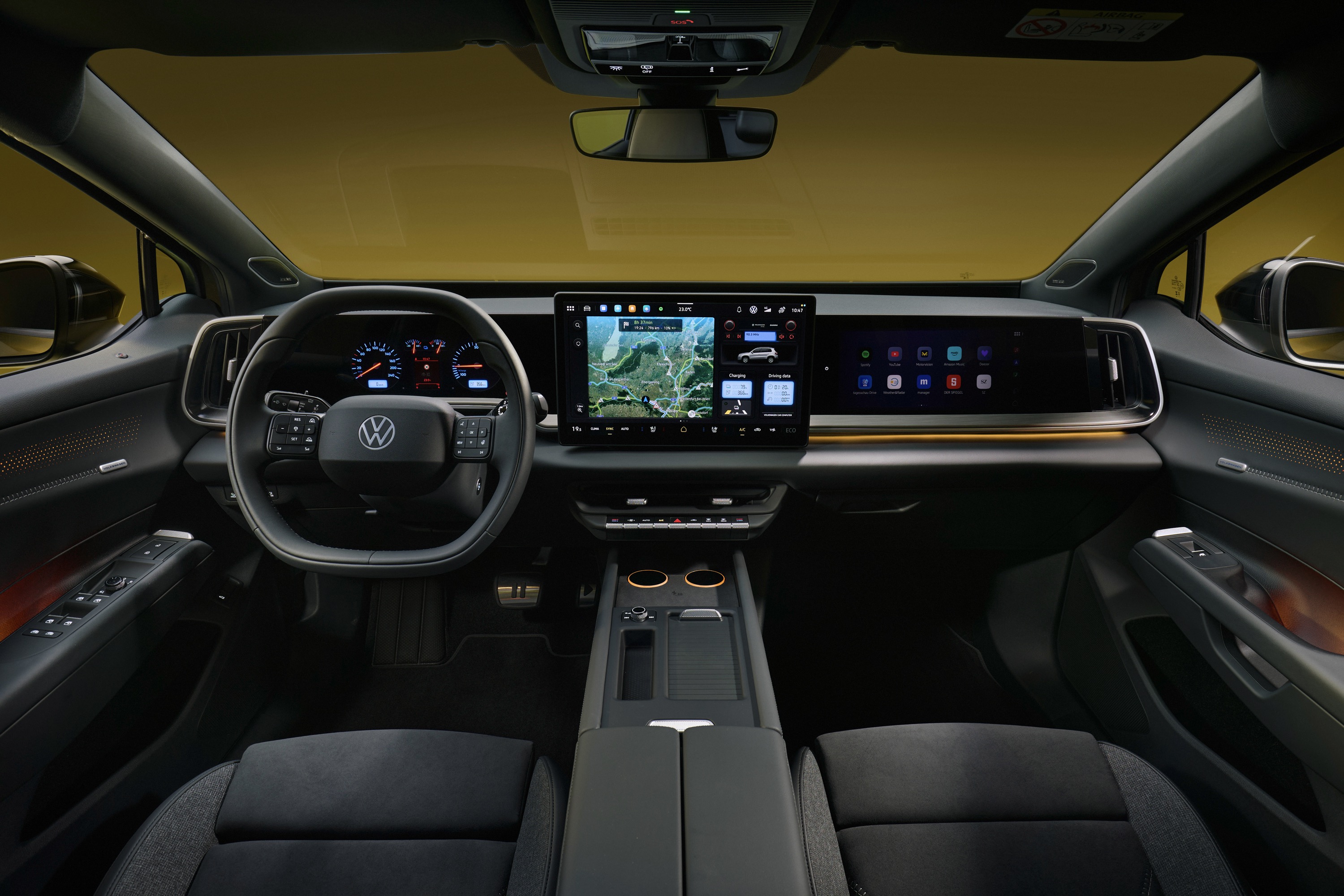
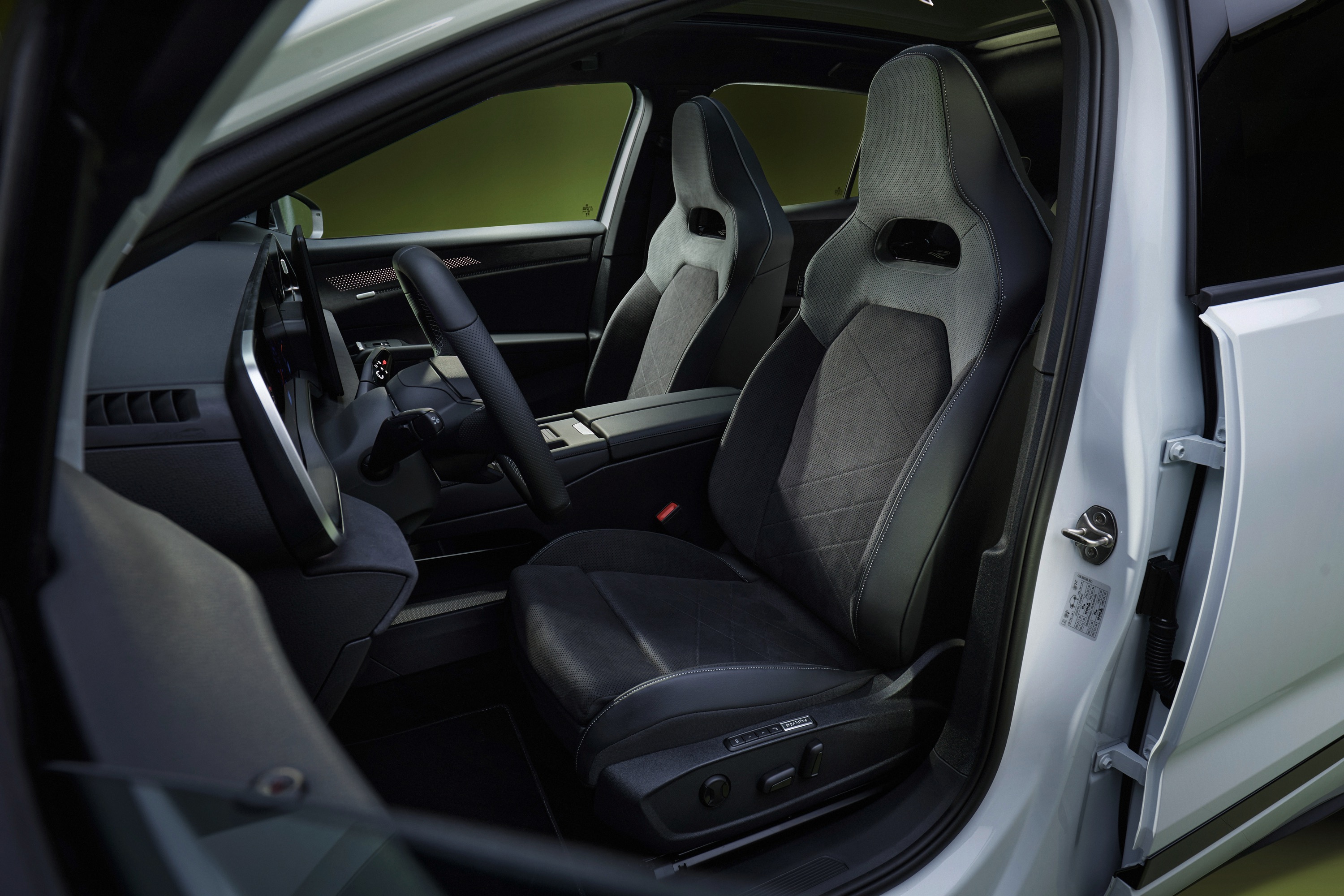
Based on the images VW supplied to Ars, I think they’ve mostly met that brief; the R-Line interior in particular looks rather good to me. More importantly though, VW has been listening to feedback.
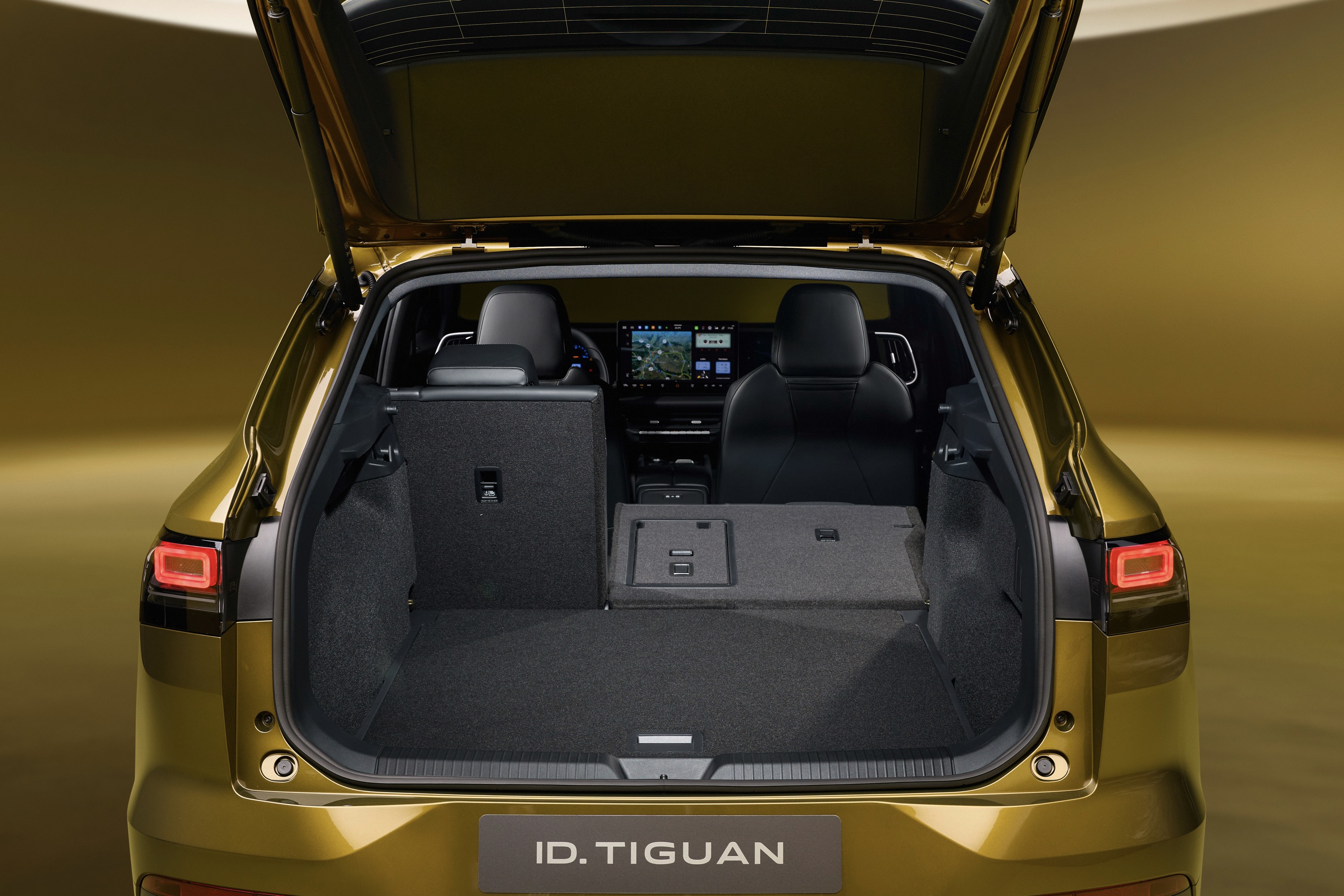
The return to normal door handles will be welcome, even if it might have been driven by Chinese vehicle regulators. Even more welcome are the plethora of physical controls: real buttons on the steering wheel, real switches for the climate control and windows, and real physical air vents, not computer-controlled ones. There’s a new 15-inch infotainment screen that looks nice but will need to be responsive, plus the option of a 12-inch passenger display, a trend I continue to bemoan like Grandpa Simpson shouting at the clouds.
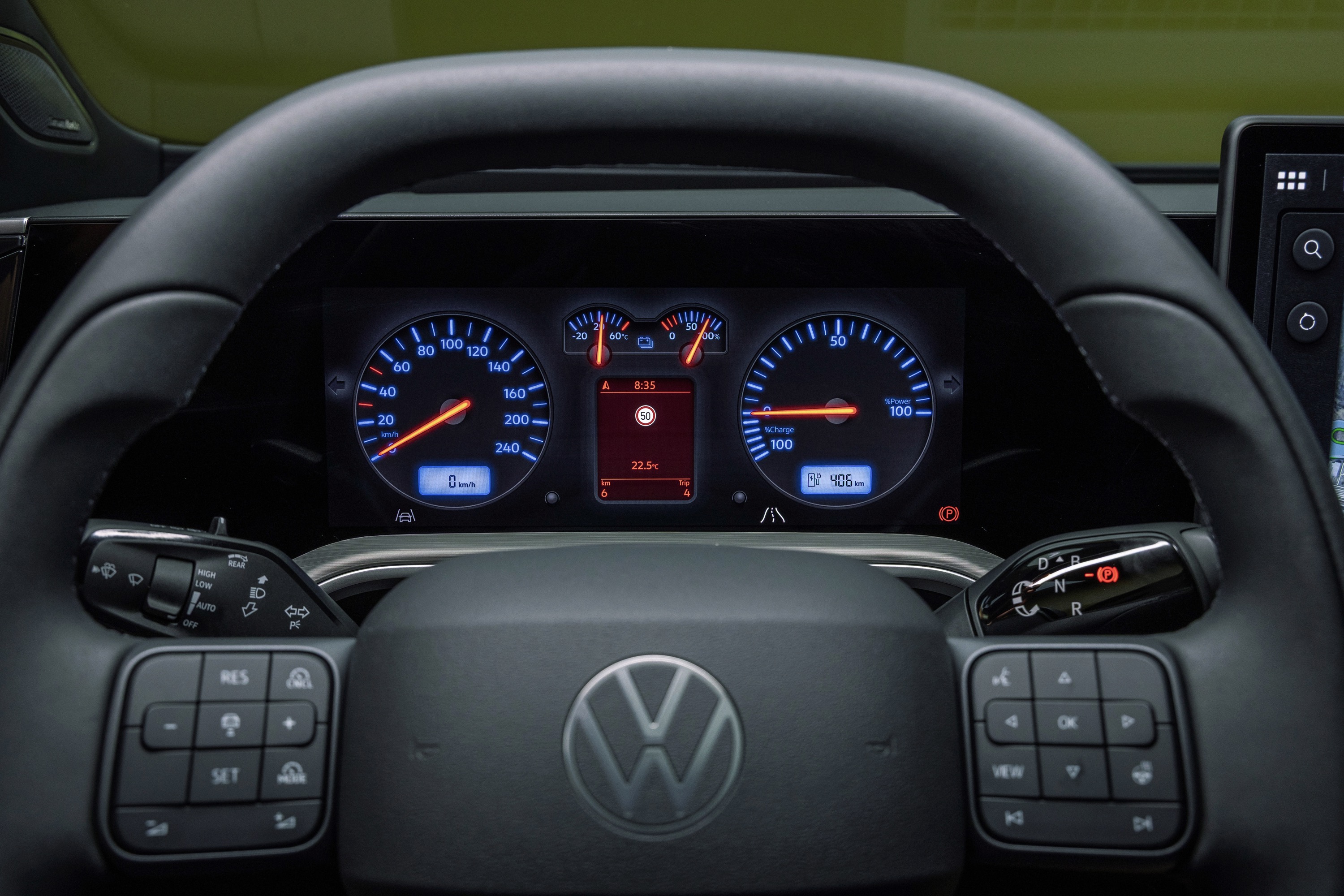
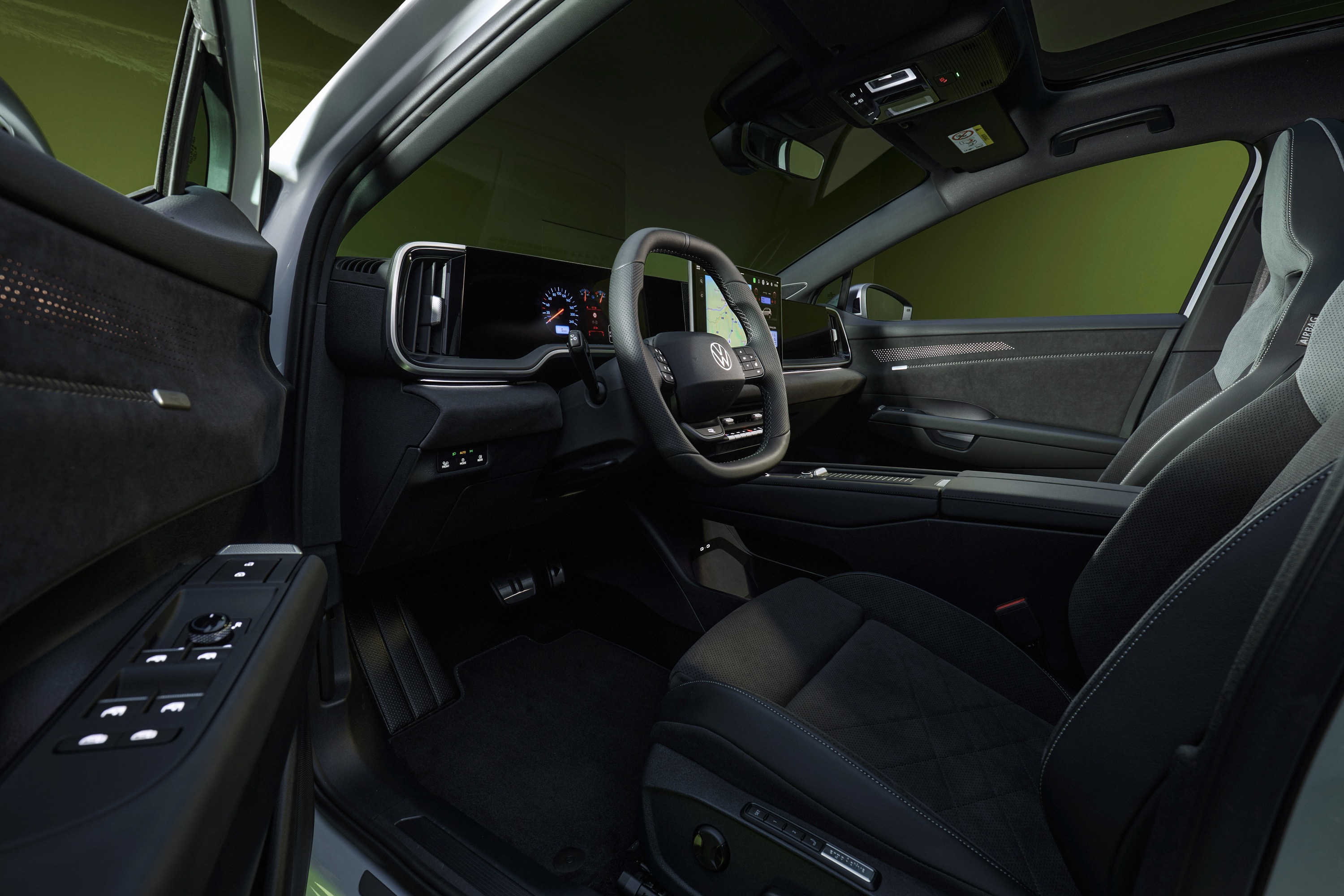
One feature that really got my attention is one of the options for the new 10-inch digital main instrument display: the retro dials. Instead of something presumably 21st-century looking—I don’t know since we didn’t get any press shots of the default theme—you can opt to replicate the dials and warning lights from an Mk1 Golf, an Mk2 Golf Country, an Mk 4 Golf, a first-gen Tiguan, a racing Toureg, or the Beetle. (I’m not sure if it’s the original rear-engined Beetle or the retro one designed by J Mays in the late 1990s.)
Pre-sales for the electric Tiguan start in Europe next week, with a starting price in Germany of 42,695 euros ($44,716). Although the ID. Tiguan is coming to the US, VW told us it “has not announced North American timing for the vehicle. Following the European ID. Tiguan launch in early 2027, the company will share North American timing, offer structure, pricing, and other market-specific details in due course.”