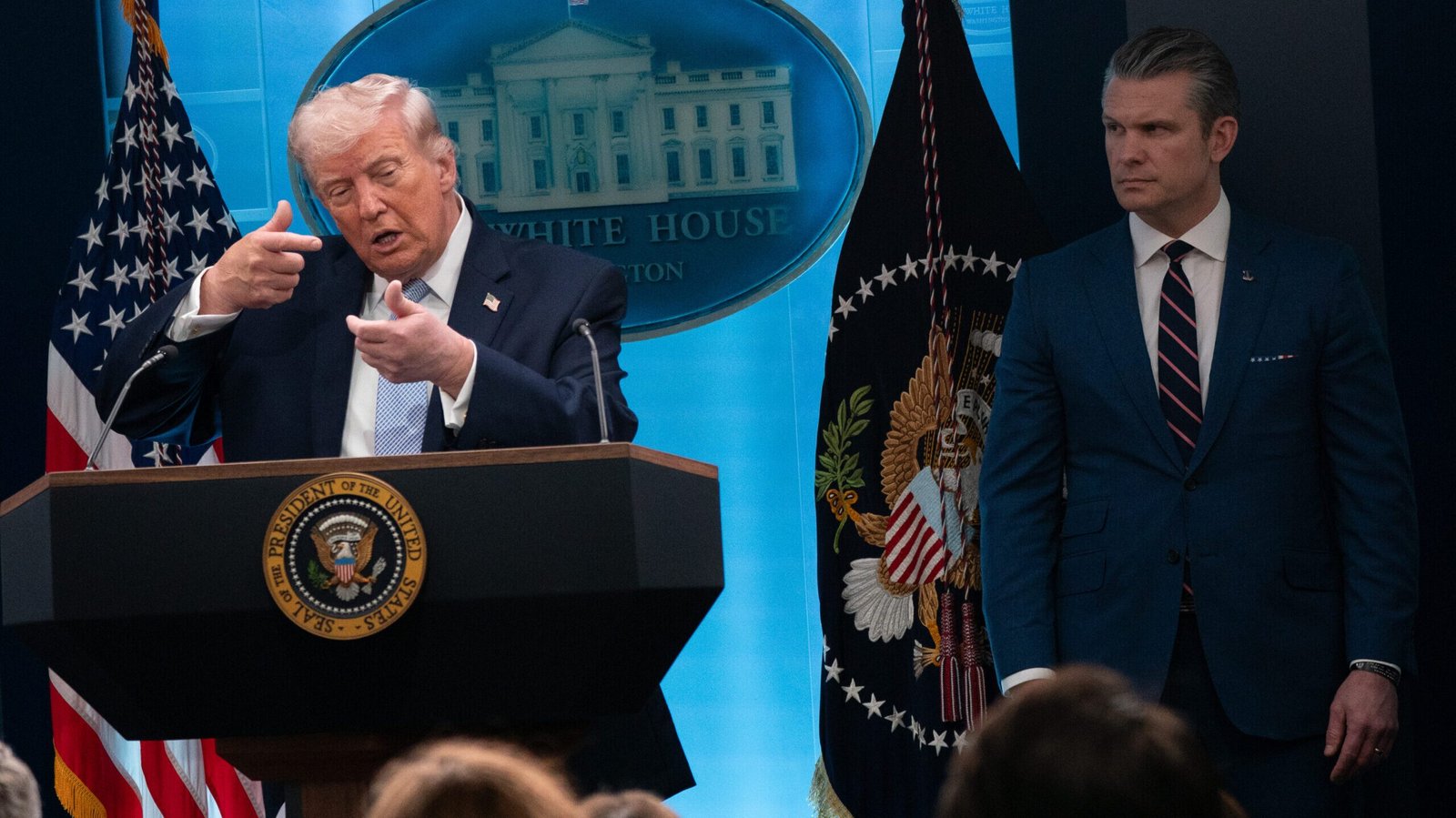
US intelligence officials warned President Donald Trump shortly before the United States launched an operation against Iran in February that assassinating Supreme Leader Ali Khamenei could bring a more extreme government to power rather than cause the Iranian regime to collapse, The Wall Street Journal reported.
Then-Director of National Intelligence Tulsi Gabbard delivered the assessment to Trump before the conflict began, warning about the potential consequences of killing Khamenei.
Intelligence officials assessed that a more radical leadership replacing Khamenei would be more willing to pursue nuclear weapons. The briefing also warned that Iran could block the Strait of Hormuz and launch attacks against US troops and American allies in the region.
Senior Pentagon officials separately raised concerns about potential American casualties and the pressure a conflict would place on US stockpiles of precision-guided munitions.
Vice President JD Vance opposed going to war and urged a more cautious approach. Senior Pentagon officials, however, ultimately persuaded Trump that US military power could prevail.
Other senior aides presented President Trump with a different assessment of the opportunity presented by Iran’s condition. Prime Minister Benjamin Netanyahu and senior US officials told the president that Iran was weaker than it had been in decades, creating an opportunity to topple the regime and strike Tehran’s nuclear program.
Efforts to negotiate an end to the war have since reached a stalemate, while Iran continues to interfere with shipping through the Strait of Hormuz.
The Trump administration is now pursuing increased economic pressure against Tehran.
President Trump and US Treasury Secretary Scott Bessent have announced an “economic D-Day” strategy aimed at bringing down the Iranian regime through sanctions and other financial pressure.