The Qatari leader met with President Trump and Vice President JD Vance to discuss proposals addressing disagreements over Iran’s nuclear program, sanctions, and regional security. President Trump said neighboring Gulf countries favored diplomacy while American forces maintained pressure on Tehran.
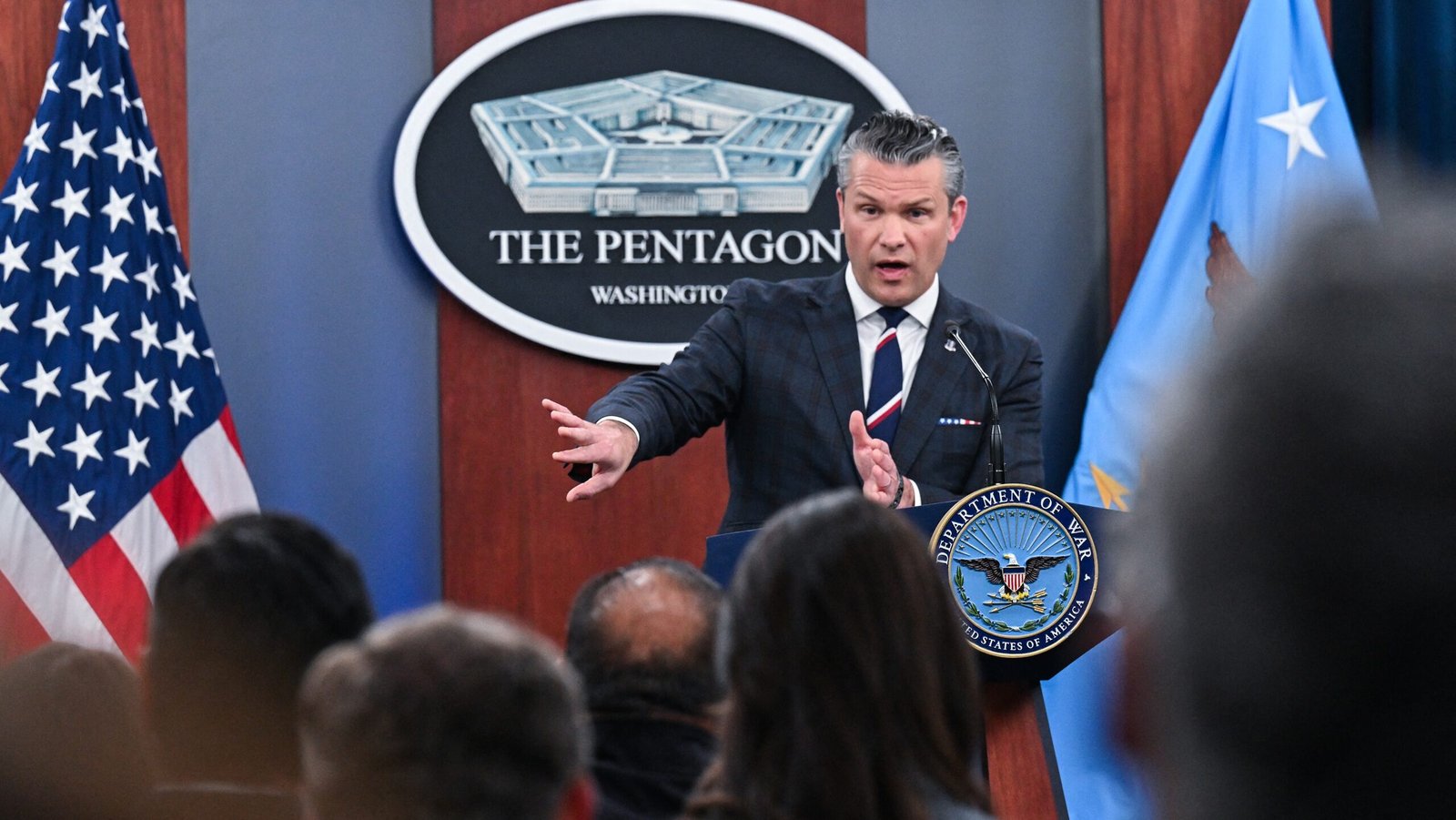
Hegseth characterized the impeachment initiative as “a political spectacle,” accusing its sponsor, Republican Rep. Thomas Massie of Kentucky, of pursuing political grievances rather than legitimate oversight.
Massie introduced eight articles of impeachment Monday, including allegations that Hegseth violated the War Powers Resolution by conducting military operations against Iran without proper congressional authorization. The accusations also concern American military actions in Yemen and Venezuela.
On Monday, Hegseth had described Iran as severely weakened and said President Trump possessed considerable freedom to choose between further military action and ending the campaign while monitoring Iran’s nuclear activities.
Iranian officials, meanwhile, have rejected Washington’s optimistic assessment of diplomatic prospects.
Mohsen Rezaei, secretary of Iran’s Supreme National Security Council, insisted that Washington accept Tehran’s conditions for ending the confrontation, including lifting the naval blockade, easing sanctions, releasing frozen assets, and ending regional hostilities.
The conflict, which began with US-Israeli strikes on February 28, has disrupted shipping through the Strait of Hormuz, driven up energy prices, and fueled domestic opposition to the American military campaign.
Despite President Trump’s suggestion that the fighting is approaching its conclusion, American forces remain deployed across the region, and the naval blockade continues.
The competing positions leave Qatar attempting to negotiate an agreement without either Washington or Tehran committing publicly to the concessions needed to end the conflict.
Source: Iwpost.com