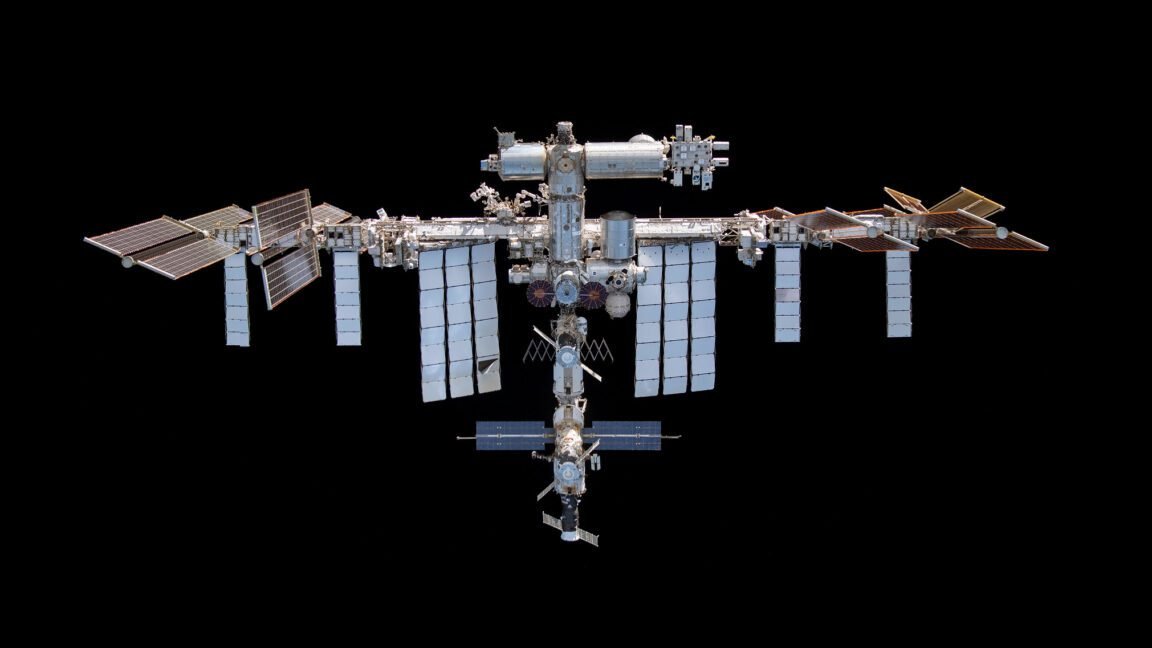
Five of the seven crew members on the International Space Station briefly sought refuge inside a SpaceX return capsule Friday morning as two Russian cosmonauts worked on an air leak on the other end of the complex.
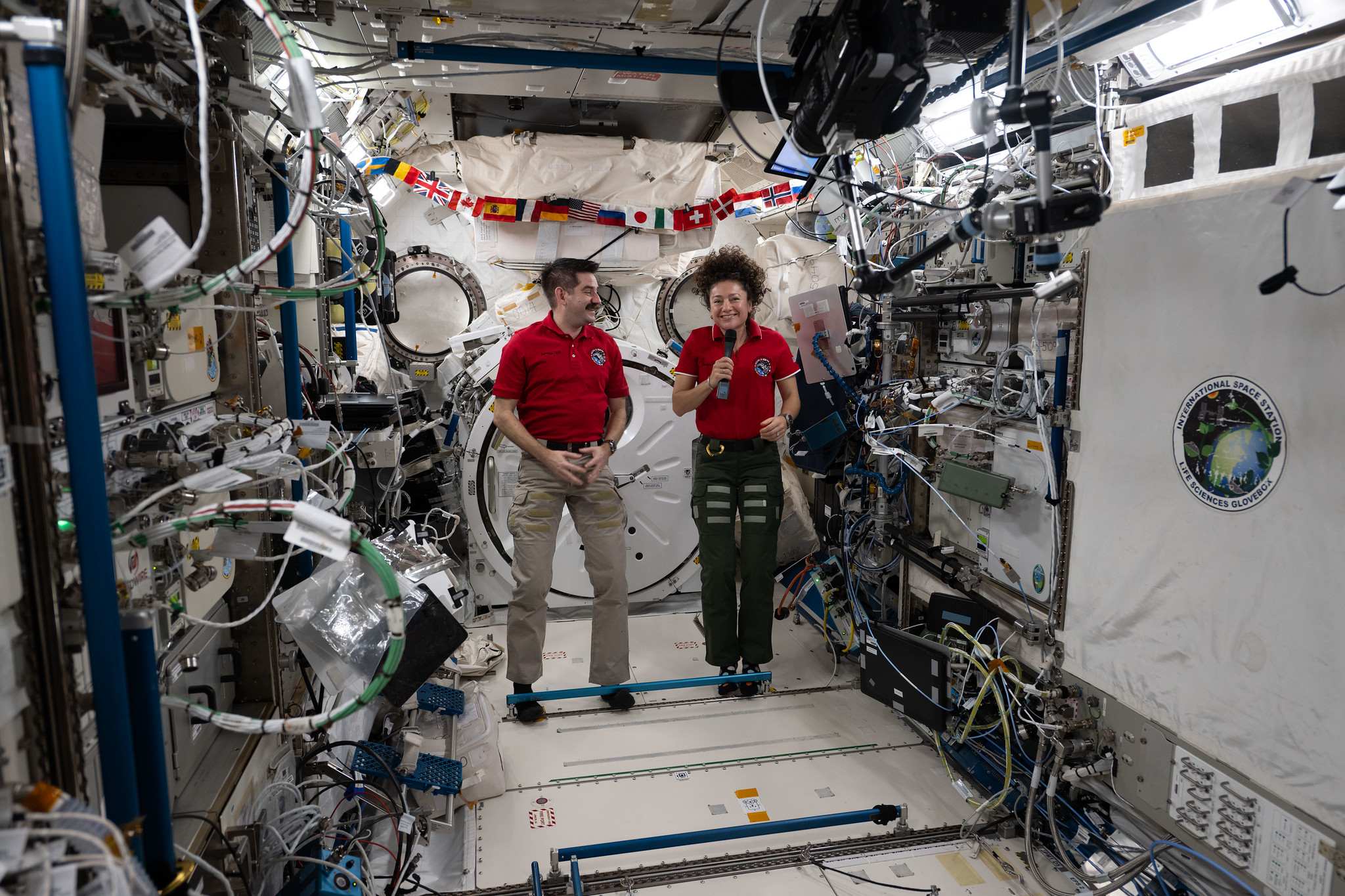
NASA ordered US astronauts Jessica Meir and Jack Hathaway, French astronaut Sophie Adenot, and Russian cosmonaut Andrey Fedyaev into SpaceX’s Crew Dragon Freedom spacecraft around 9 am EST (14:00 UTC) on Friday. The foursome launched aboard the SpaceX crew capsule on the Crew-12 mission in February, and the ship serves as their lifeboat until the crew’s scheduled return to Earth in September.
NASA astronaut Chris Williams, who flew to the station in a Russian Soyuz ferry ship, joined the Crew-12 astronauts inside the Dragon spacecraft.
“All USOS (US Orbital Segment) crew members need to execute … Emergency Procedure 3.4: Crew Dragon, establish Safe Haven,” NASA mission control radioed to the station crew around 9 am. “If we need (you) to suit up, we will do that once we’re inside the Dragon.”
A short time later, a NASA spokesperson posted a statement on X attributing the shelter order to a repair on persistent air leaks on the Russian segment of the space station. For more than half a decade, engineers from Roscosmos and NASA have tracked the leak rate from a transfer tunnel on the back end of Russia’s Zvezda Service Module. The tunnel, known by the Russian acronym PrK, leads to a docking port for Progress resupply and refueling freighters.
Engineers believe the leaks are caused by microscopic cracks in the module’s structure. Russian cosmonauts have repeatedly inspected and attempted to seal the cracks, but a permanent fix has eluded them. After a few months of pressure stability inside the PrK earlier this year, Roscosmos confirmed in May that the air leaks had returned.
“Following new leaks, Roscosmos has elected to proceed with a more extensive repair operation on Friday, June 5,” NASA spokesperson Bethany Stevens wrote on X. “Out of an abundance of caution, NASA has directed all four of the agency’s SpaceX Crew-12 members and NASA astronaut Chris Williams to assume an elevated safety posture in the Dragon spacecraft while the repair is underway.”
Back to normal
After about 90 minutes, the communications officer at mission control in Houston told the crew that they could reopen hatches and reenter the space station. The specific repair task that caused NASA to issue the shelter order was off. “Our Russian colleagues have elected to perform measurements only today. So, with that, we are comfortable backing out of the safe haven config,” mission control told the crew.
“We don’t have help from our counterparts?” Crew-12 commander Jessica Meir asked mission control. “Affirm,” mission control replied.
Those counterparts—Russian cosmonauts Sergey Kud-Sverchkov and Sergei Mikayev—were working at the leak area on the opposite end of the station, some 200 feet away from the Crew Dragon.
Stevens soon posted an update on X, writing that Roscosmos had “paused” the “structural repair efforts” inside the PrK to take more measurements and assess data. “We look forward to working with Roscosmos on a collaborative approach to address the leaks,” Stevens added.
Ars asked two NASA spokespersons for details on the proposed leak repair and why the agency decided that the repair was risky enough to order the US crew members into the Crew Dragon lifeboat. They did not provide answers to these questions as of the time of this publication, but we will add any information we receive to this story.
Roscosmos, Russia’s space agency, typically keeps the PrK sealed off from the rest of the space station to isolate the leak from the crew’s living quarters and workstations. This allows the transfer tunnel to be maintained at a lower pressure than the rest of the station. When cosmonauts need to access the area, such as for inspections, repairs, or transferring cargo to or from a docked Progress supply vessel, they pressurize the PrK to match the pressure inside the rest of the station. This allows the cosmonauts to open up the PrK to complete their work.
A statement posted by Roscosmos on its Telegram channel suggests this is what was happening early Friday. “Specialists from the Russian ISS segment’s main operations control team detected a leak in the chamber” during pressurization of the PrK.
“Upon inspecting the transfer chamber, cosmonauts identified two potential air leak sites,” Roscosmos said. “The first site was promptly sealed by applying an initial layer of the two-component sealant compound Germetall-1. The second site is located on the conical section of the transfer chamber; preparations to seal it are currently underway.”
Russian and NASA officials also did not say what compelled Roscosmos to plan an immediate repair after discovering the two potential leak sites on Friday. They also did not say when cosmonauts might try again to patch the leak, or if any future repair effort might again force the US crew members to take shelter.
Roscosmos said there is “no threat to crew safety or onboard systems,” and the pressure inside the station “remains stable and is being maintained at the nominal level.”