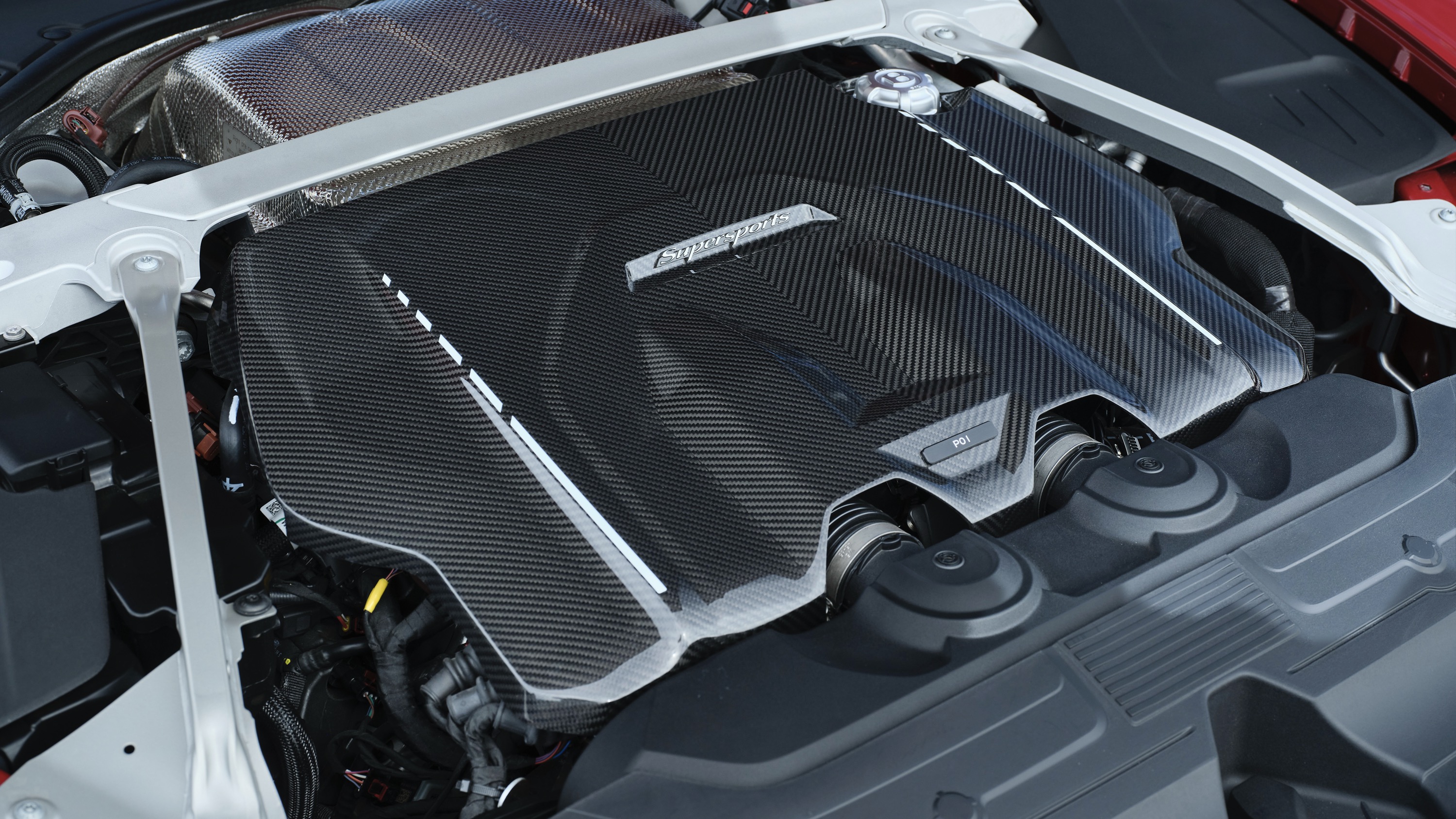
MONTEREY, Calif.—Last week, we brought news of the Bentley Torcal, a new electric vehicle that the luxury automaker has been cooking up at its HQ in Crewe, England. The company wants to attract new customers with its first battery EV, part of a plan to make sustainability as much a part of the brand’s character as its high-end fit and finish. W12 engines have given way to V8 plug-in hybrid power, and the new Continental GT is all the better for it.
But around the same time as Ars got its first experience of that new PHEV two-door on a rather wet Spanish racetrack, some of Bentley’s boffins were wondering what might happen if you also built one without the hybrid stuff.
Or all-wheel drive—something that has been a characteristic of every new road-going Bentley since the turn of the century. That would certainly cut the curb weight. So, too, would leaving out the rear seats. That sort of idea leads down a well-trodden path for some OEMs, and Porsche in particular is famous for making stripped-out road cars inspired by its race cars and making money from them, too.
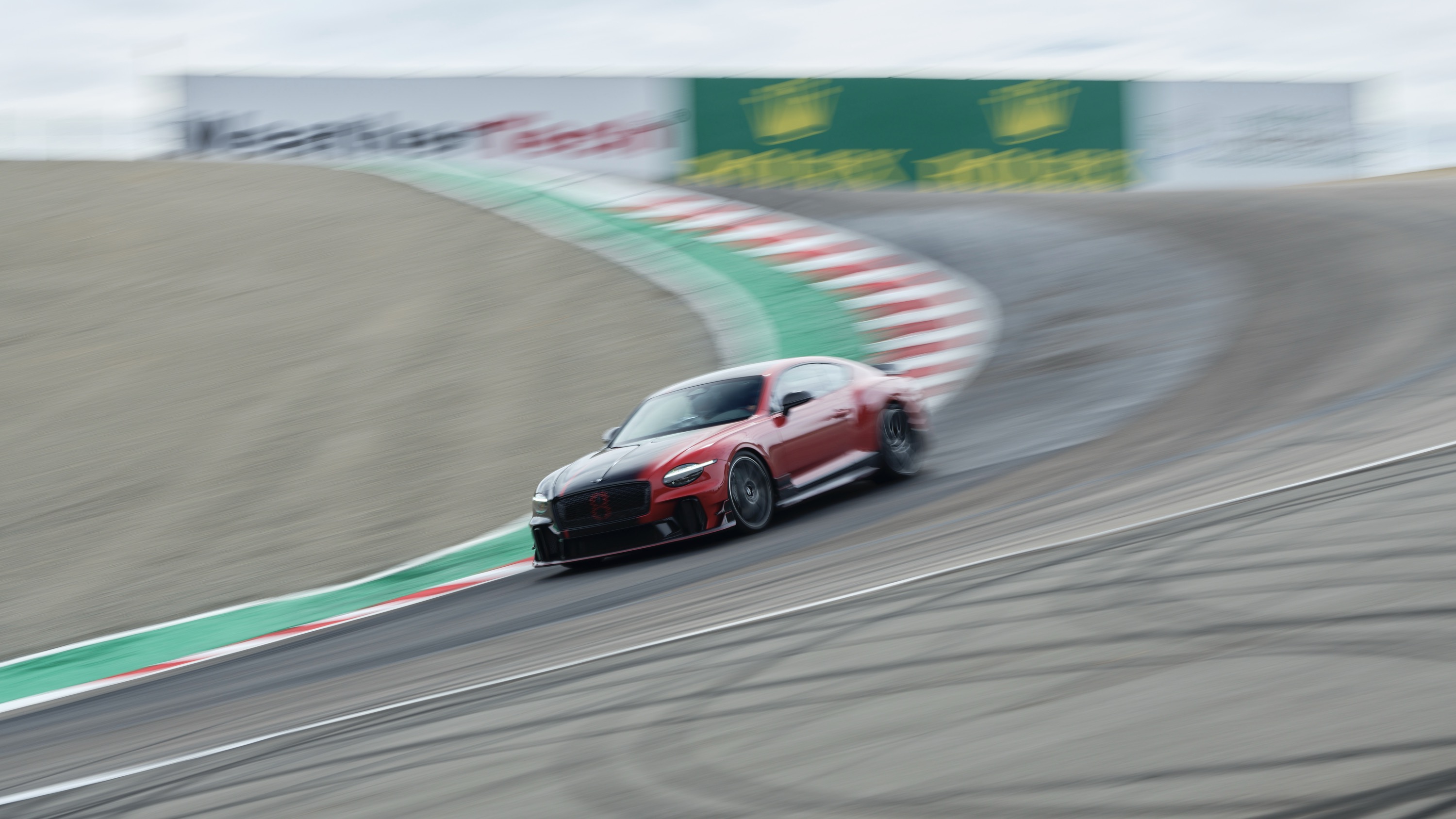
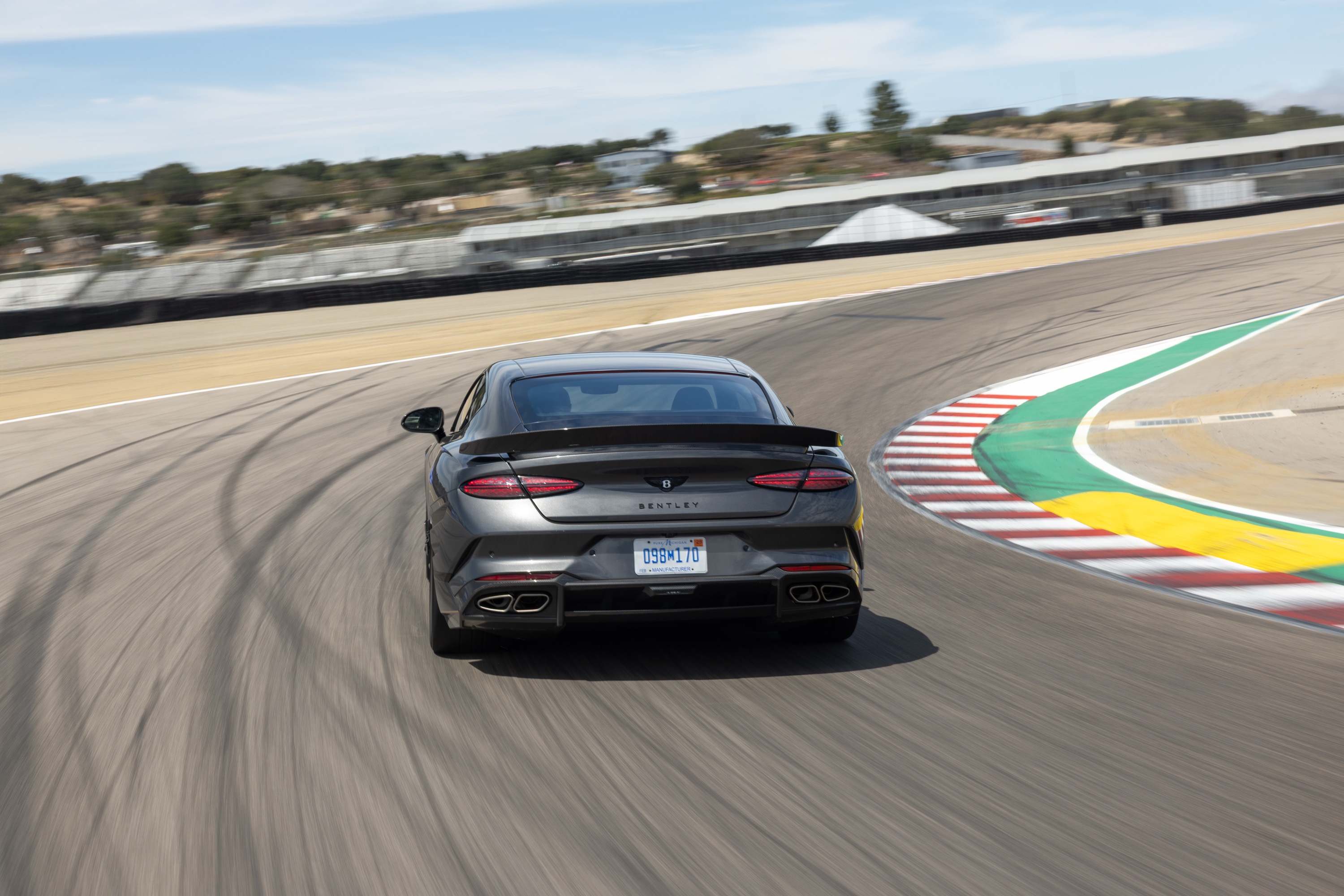
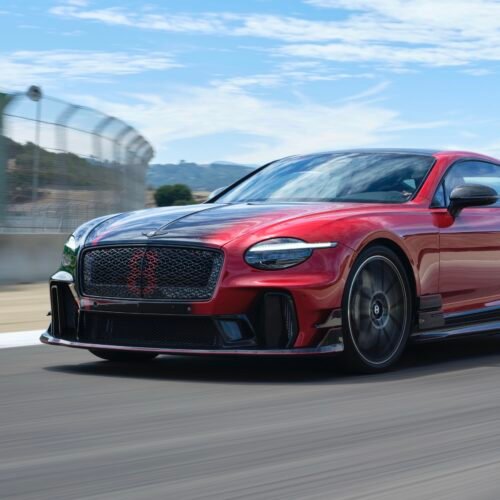
Then again, Bentley still knows a thing or two about racing, most recently conquering the challenging and prestigious Bathurst 12 Hours race in 2020 with a GT3 version of the Continental GT3. And like that race car, its new Supersports settles for the relative simplicity of a 4.0 L twin-turbo V8 under the hood, powering just the rear wheels. There’s even more extreme aero than you expect to see on a road-legal car with a flying B badge, too.
The lightest Bentley since 1941
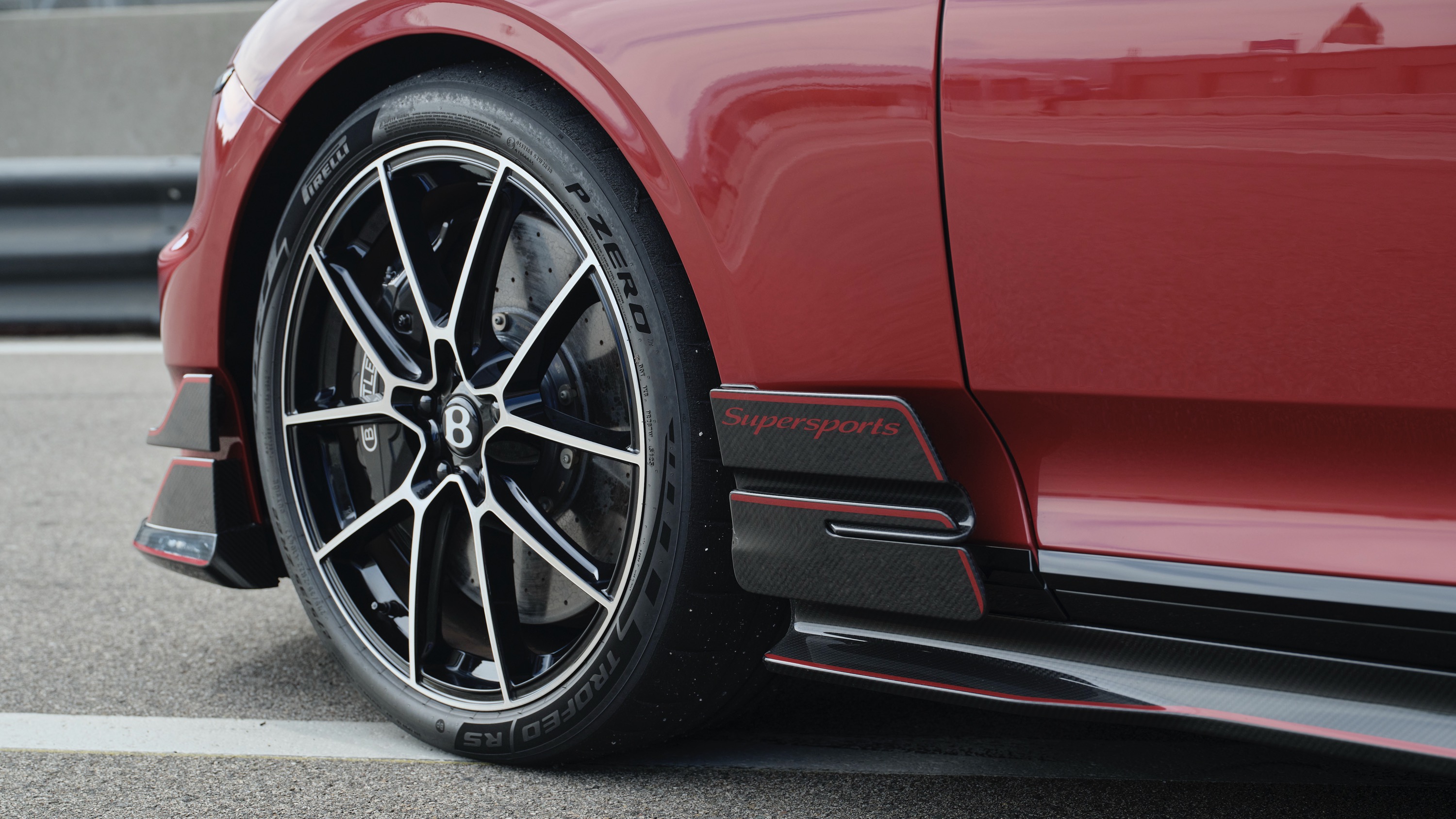
The engine is actually a new variant of Bentley’s 4.0 L V8, with a strengthened engine block, new cylinder heads, and larger turbos. There’s also a dual-mass flywheel, but it remains wet-sumped. With 657 hp (490 kW) and 590 lb-ft (800 Nm), the Supersports isn’t the most powerful Bentley ever made, but it may be the most driver-focused. Both front and rear axles feature 48 V active anti-roll bars that can react in a third of a second, applying up to 960 lb-ft (1,300 Nm) of reaction torque to keep the car flat. The twin-valve dampers and air suspension have been recalibrated in Touring, Bentley, and Sport modes. And on the optional Pirelli Trofeo RS tires, it will corner at 1.3 Gs.
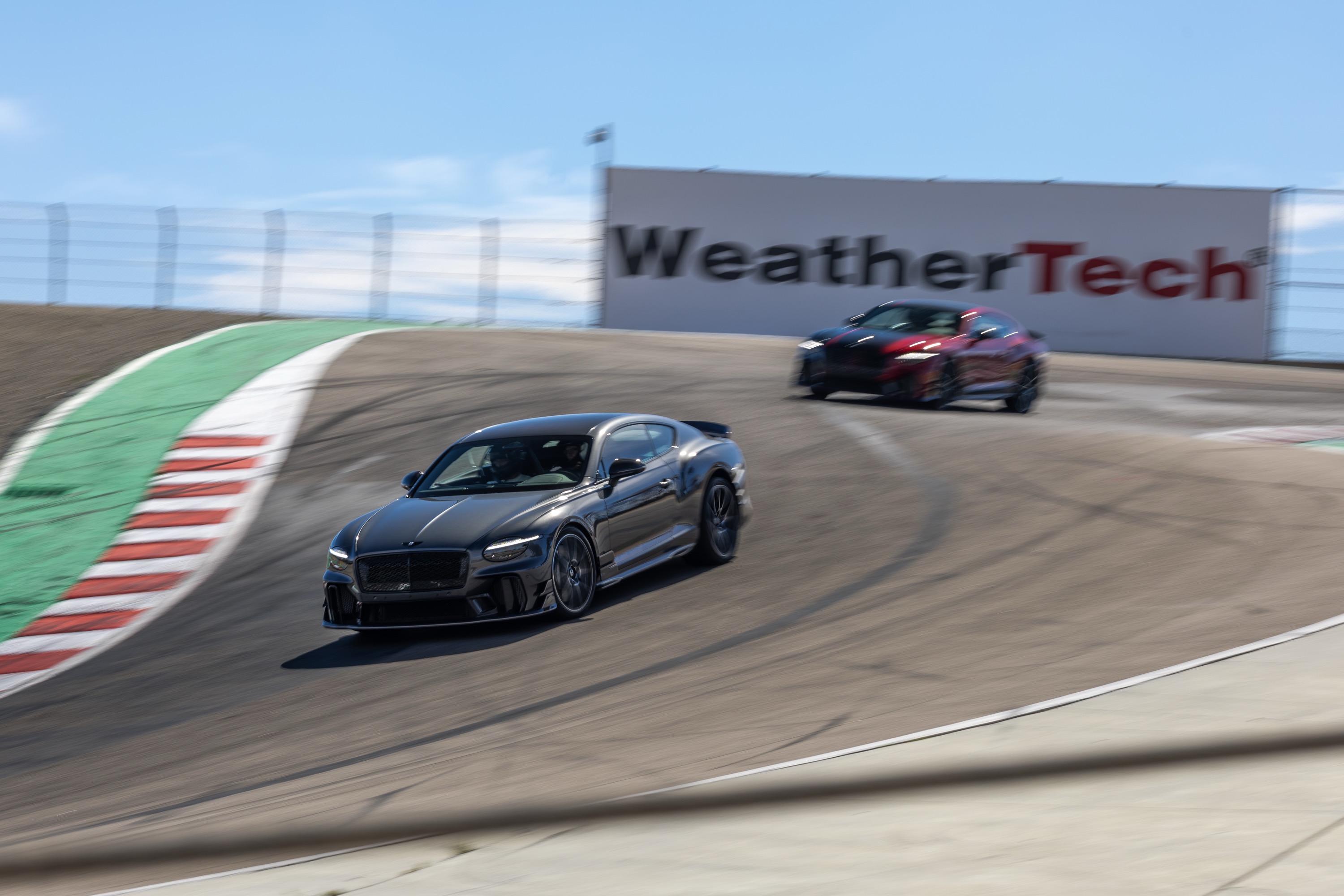
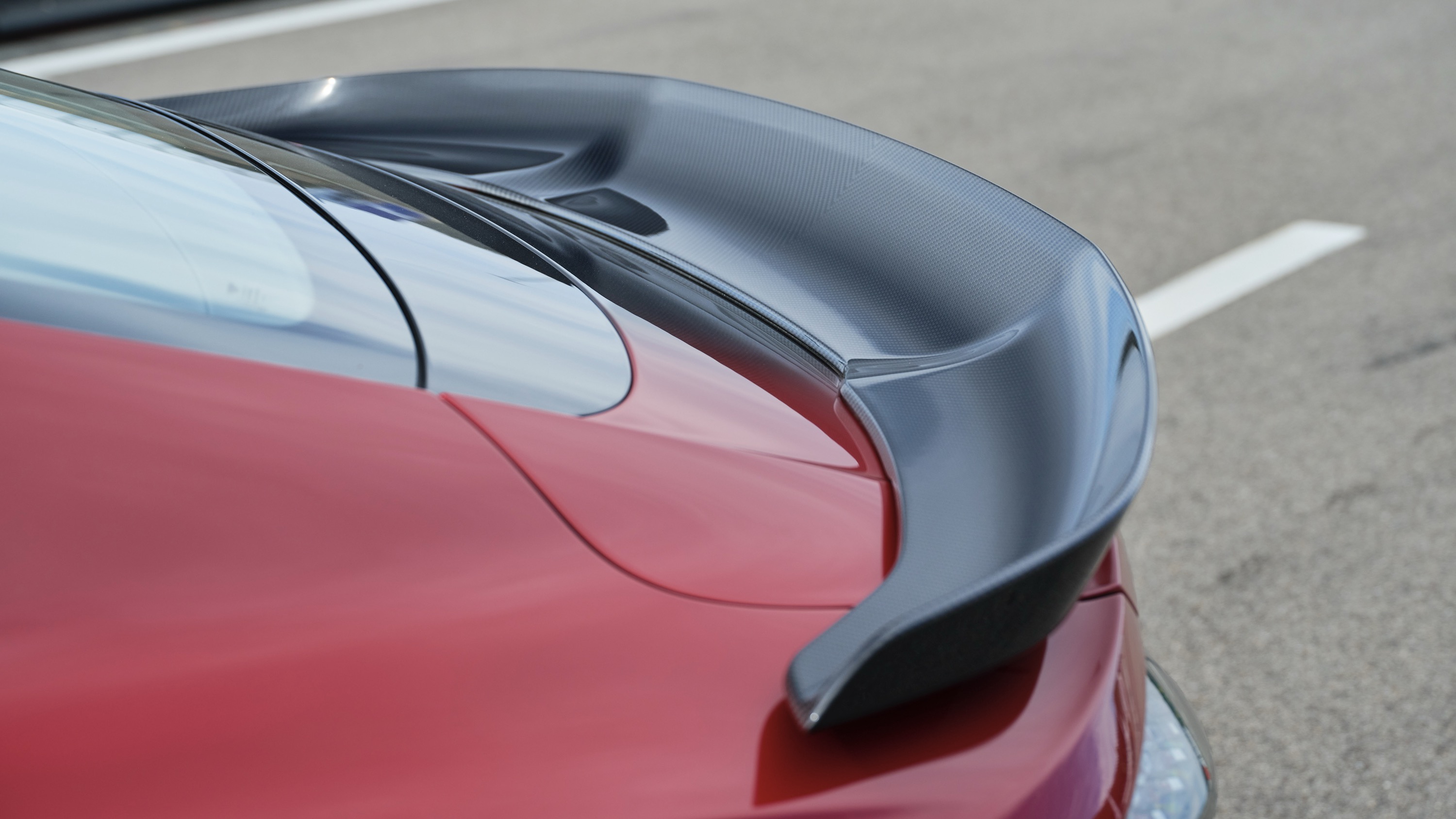
The Supersports certainly looks the part as it descends into that most famous of Laguna Seca’s corners (which is being renamed the “Zanardi Corkscrew” next weekend). You don’t really notice the carbon-fiber roof that helps keep the center of gravity low, but you do see the aerodynamic appendages—a front splitter, winglets ahead and aft of the wheels, a rather large and curvaceous carbon-fiber spoiler at the rear together with a diffuser down below.
The bits are functional—Bentley told us it generates at least 661 lbs (300 kg) more downforce than the Continental GT Speed we reviewed last year and that the car’s aero balance has been tuned to shift rearward as speed rises (and downforce increases) from a 54:46 starting point.
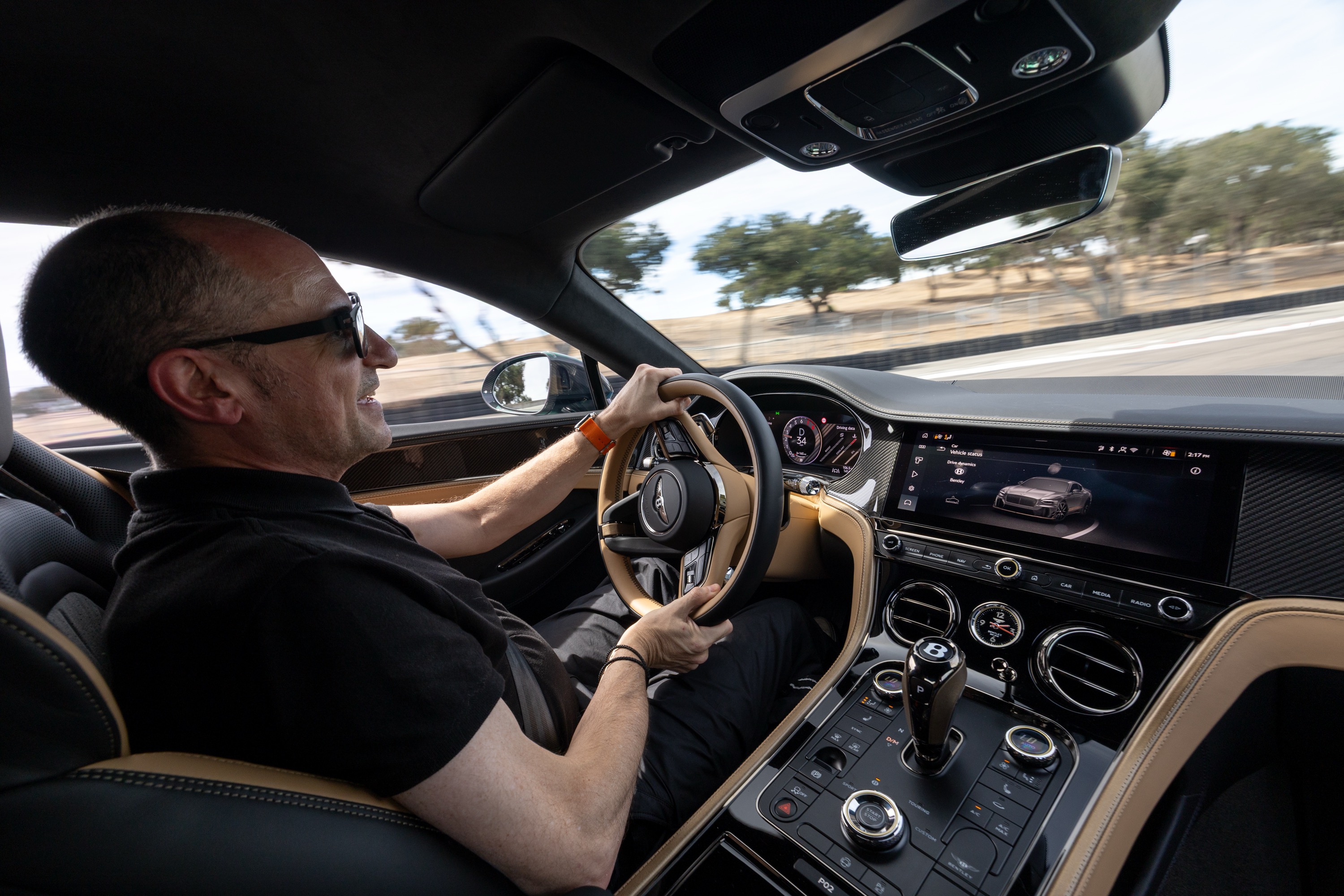
From inside the cockpit, it feels the part, too. Despite the acres of carbon-fiber on the dash, the pair of sports seats are comfortable and offer plenty of electric adjustment, and they hold you in place even as you throw the car over a crest or down into the apex of the Corkscrew. Even taking some curb isn’t a problem. With a curb weight of “less than 4,407 lbs (1,999 kg),” the lightest Bentley in 85 years is still a pretty substantial thing, but it minded not being asked to ride over the red-and-white serrations, soaking up plenty of intrusion before it could reach the cabin.
Once the Trofeo RS tires are warm, there’s plenty of front grip, and as you apply power, the car’s electronic limited-slip differential helps tighten your line. The 4.1 degrees of rear steering also do their part to aid agility in the slower corners. And since the brakes are unchanged from the hybrid Continental GT, they’re more than up to the job of slowing down a car that weighs 1,100 lbs (500 kg) less.
The Supersports isn’t a difficult car to drive, and it’s easy enough to catch should it break loose—at least with the suite of traction and stability control systems still active. The two cars Bentley brought to Laguna Seca are the only two that have been built so far, and sullying either with a trip through the gravel or, worse yet, into a tire barrier, was definitely not on the agenda.
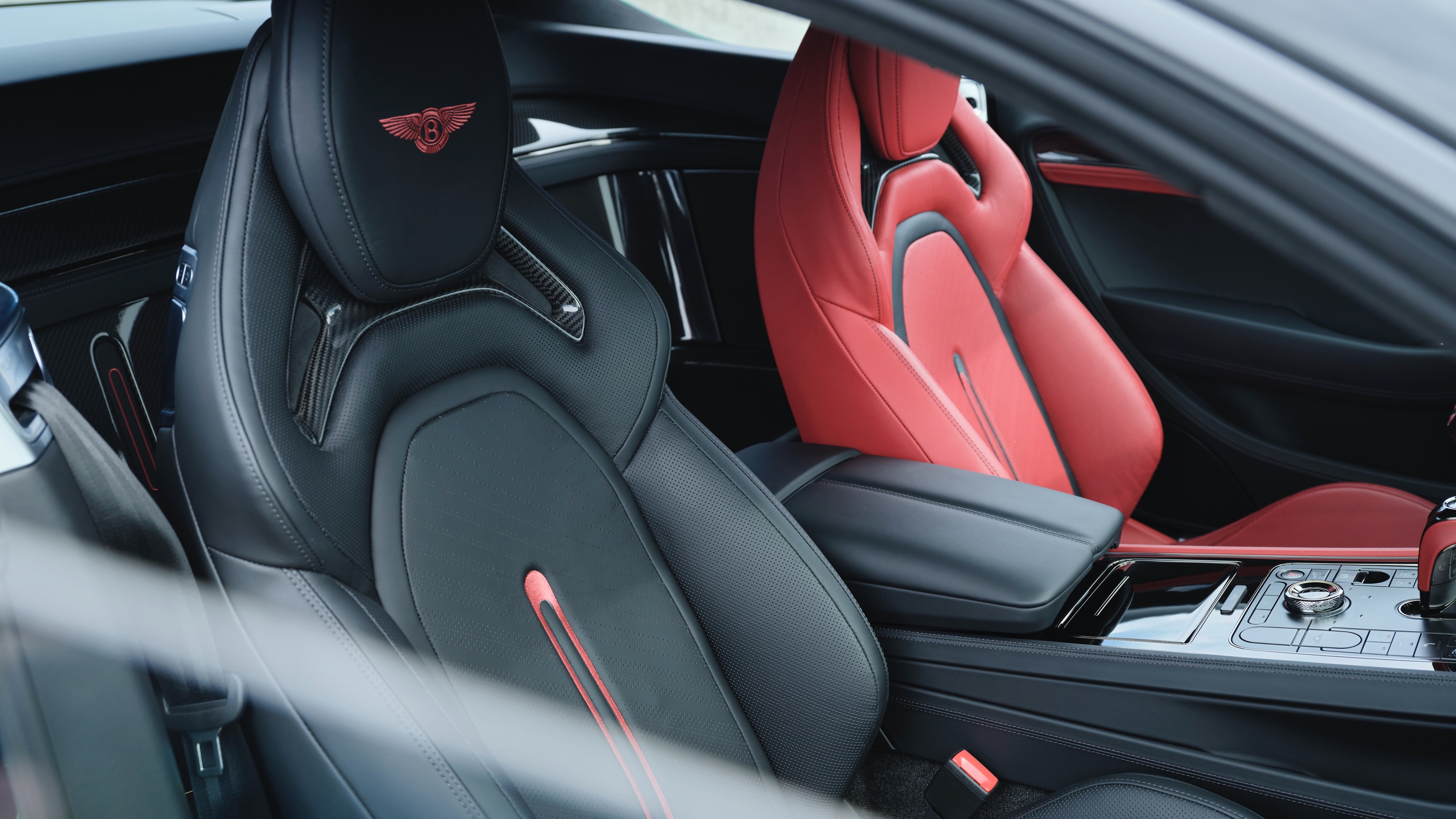
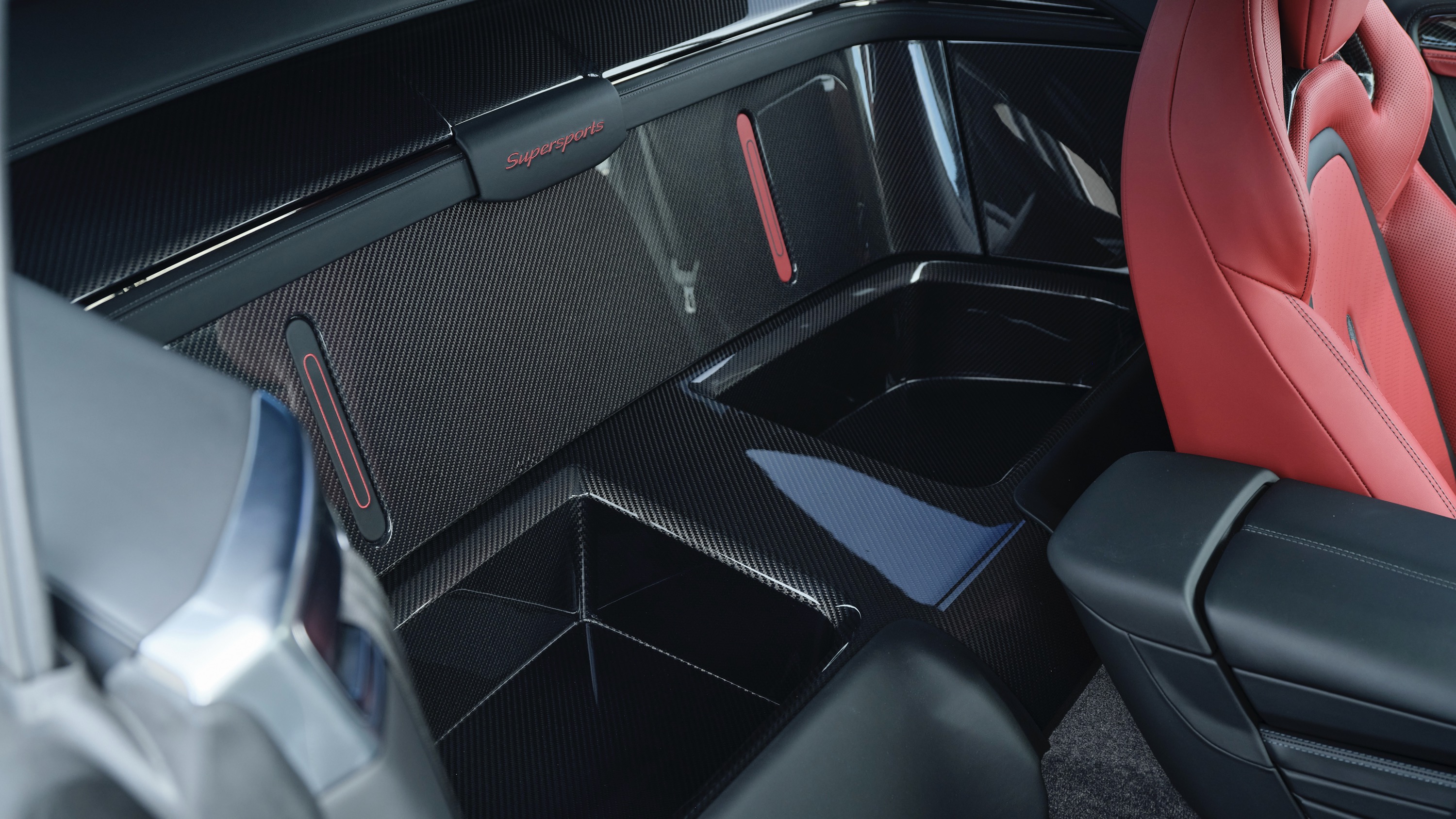
Bentley will build 500 Supersports, and it has already sold all of them—not bad for a car that starts at $486,200 even before you start thinking about options and trim. I might have asked them to go even further, swapping the comfortable but still quite motorized sport seats for something fixed in carbon, with as much weight reduction as possible. And maybe a louder exhaust. I reckon you might cut at least another 221 lbs (100 kg), albeit at the expense of still being a car you could drive daily—something as comfortable on the road while cruising as a Bentley ought to be. Which is probably why Bentley hasn’t done that.