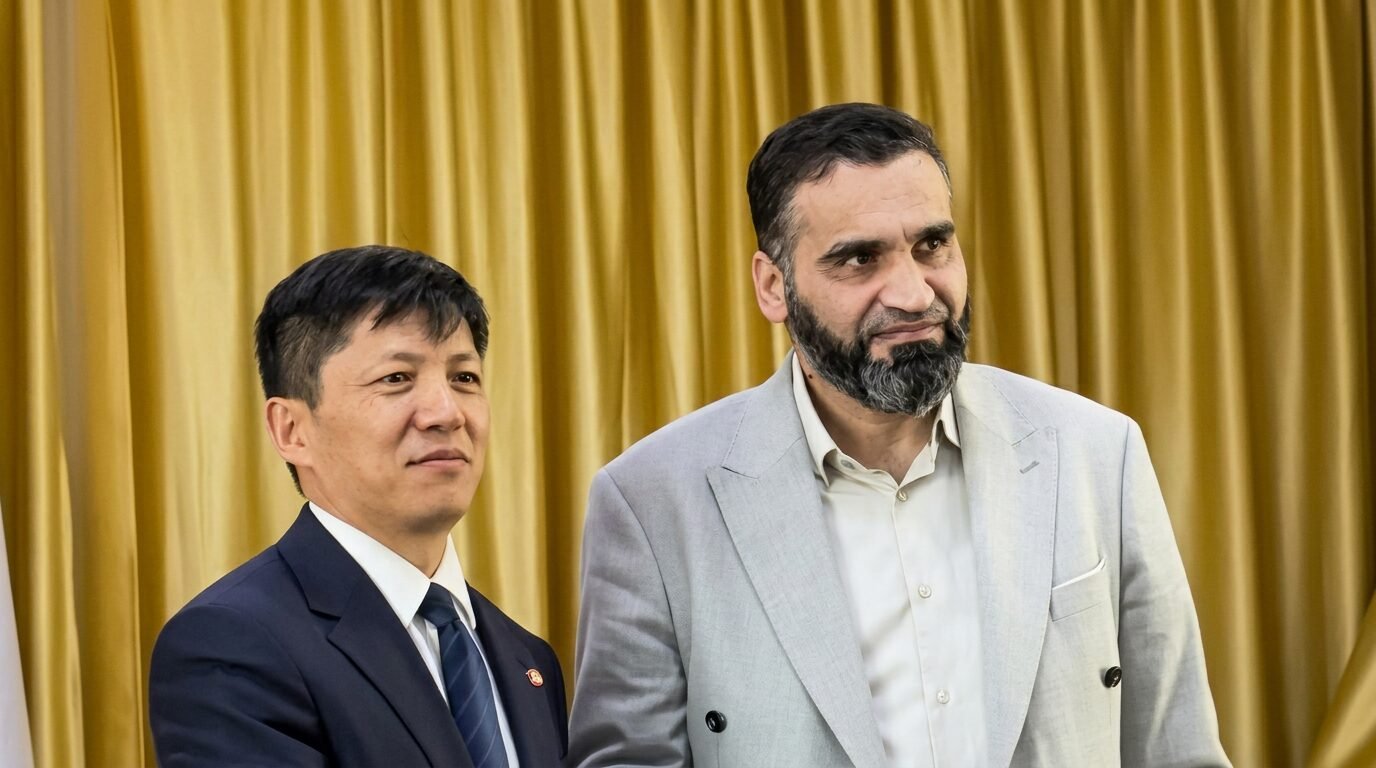
The agreement was signed at the Syrian Electricity Company’s headquarters in Damascus, in the presence of representatives from both the Syrian and Chinese sides, as part of a broader government plan to modernize the energy sector and introduce digital systems into electricity services.
The media office of the Syrian Electricity Company, which operates under the Ministry of Energy, told The Media Line that the agreement includes the supply of 6 million single-phase meters, primarily intended for residential properties and small businesses, along with 500,000 three-phase meters, typically used by commercial and industrial facilities requiring greater electrical capacity.
According to the media office, the agreement also includes software systems and technical equipment necessary to operate the meters, allowing for more accurate consumption measurements, improved customer data management, reduced electricity losses, and more efficient network monitoring.
The media office explained that the prepaid metering system requires consumers to purchase electricity credit before using power, rather than paying periodic bills based on consumption recorded after use.
The new system is expected to improve electricity bill collection, reduce errors associated with traditional meter readings, and enable subscribers to monitor their electricity consumption more accurately.
The official announcement did not disclose the financial value of the contract or specify who would bear the costs of purchasing and installing the meters. It also did not clarify whether subscribers would be required to pay fees to replace their existing meters or how the prepaid system would be implemented for low-income households.
Authorities have also not announced a specific timetable for delivering all the meters covered by the agreement or identified which governorates will be included in the initial phase of implementation.
Khaled Abu Di, director of the General Establishment for Electricity Transmission and Distribution, previously announced that the institution had developed a plan to replace conventional electricity meters with smart meters over approximately three years.
In January 2026, Abu Di revealed that around 1.2 million electricity subscribers in Syria still lacked electricity meters, highlighting the scale of the challenges involved in modernizing metering, billing, and revenue collection systems.
The agreement comes as Syria’s electricity sector continues to face significant challenges following years of war, including damage to power generation facilities and transmission and distribution networks, as well as the need for substantial investment to rehabilitate infrastructure and improve the reliability of electricity supplies.
Although introducing smart meters could improve consumption management and reduce commercial electricity losses, modernizing metering systems does not necessarily mean an increase in electricity generation or an end to power outages. Improving the number of hours electricity is available also requires upgrading power plants, transmission and distribution networks, and securing reliable energy supplies.
The prepaid nature of the new meters raises additional questions about their impact on Syrian households, particularly amid difficult economic conditions and concerns about consumers’ ability to regularly purchase electricity credit.
It also remains unclear whether the government intends to introduce changes to electricity tariffs alongside the new system or will limit the initiative to modernizing metering and payment collection procedures.
The agreement represents another step in economic and technological cooperation between Syria and China, as Damascus seeks to attract foreign companies to participate in rehabilitating public services and infrastructure.
Source: Iwpost.com