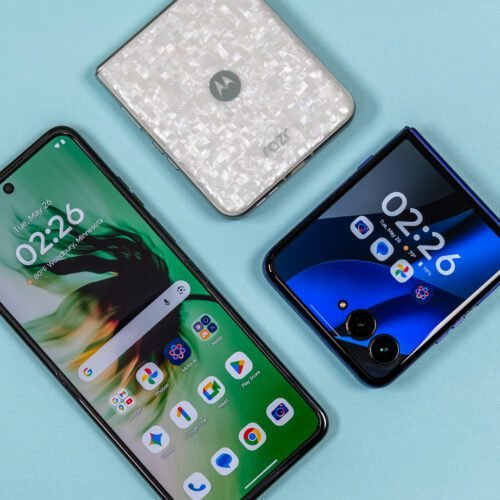
For the last several years, Motorola’s smartphone headliners were the Razr flip phones, but 2026 is different. This time around, Moto’s first tablet-style foldable, the Razr Fold, somewhat overshadows the flip phones, but a bulky $2,000 folding phone that isn’t made by Samsung occupies the smallest niche in the smartphone market. A Razr flip phone is much more practical, both financially and logistically. But are these phones actually worth buying over a flat phone?
Smartphones are no longer something you need to convince people to buy. Unless you’re going out of your way to exclude technology from your daily life, a smartphone is just a necessary convenience. The way some companies market their phones—making relatively boring phones look like a lifestyle choice—doesn’t really take this into account. However, Motorola knows what a Razr is.
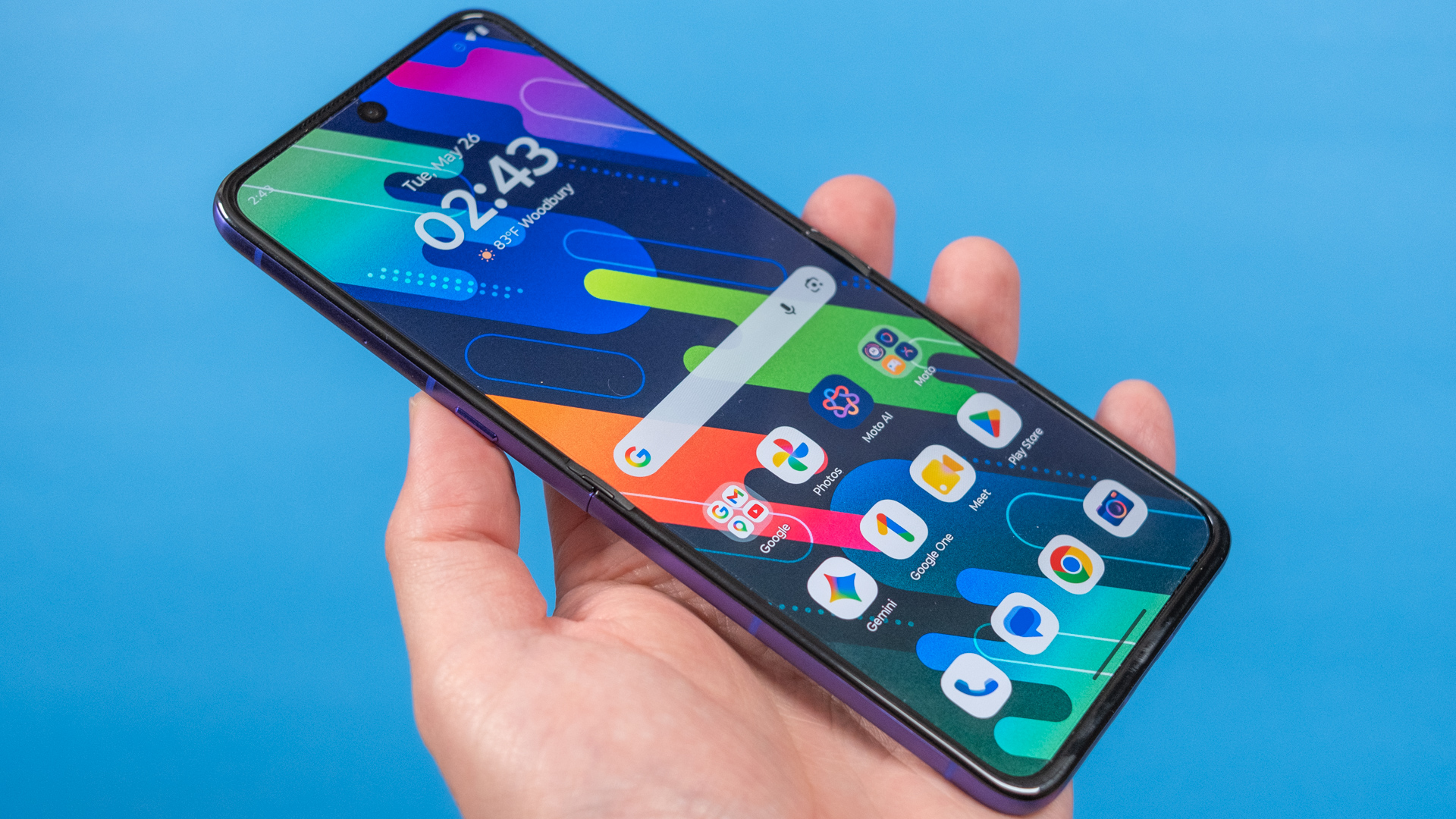
These phones are first and foremost about vibes. They’re fun and colorful; there are desk clock displays, mini apps for the outer display, and a quirky camcorder camera mode. Foldables are universally gadgety and visually interesting, but the Razrs take this to the extreme with unique textures and Pantone-certified colorways. That gives the Razrs a selling point before you even get to the specs or hardware. And they need that because the speeds and feeds are nothing special.
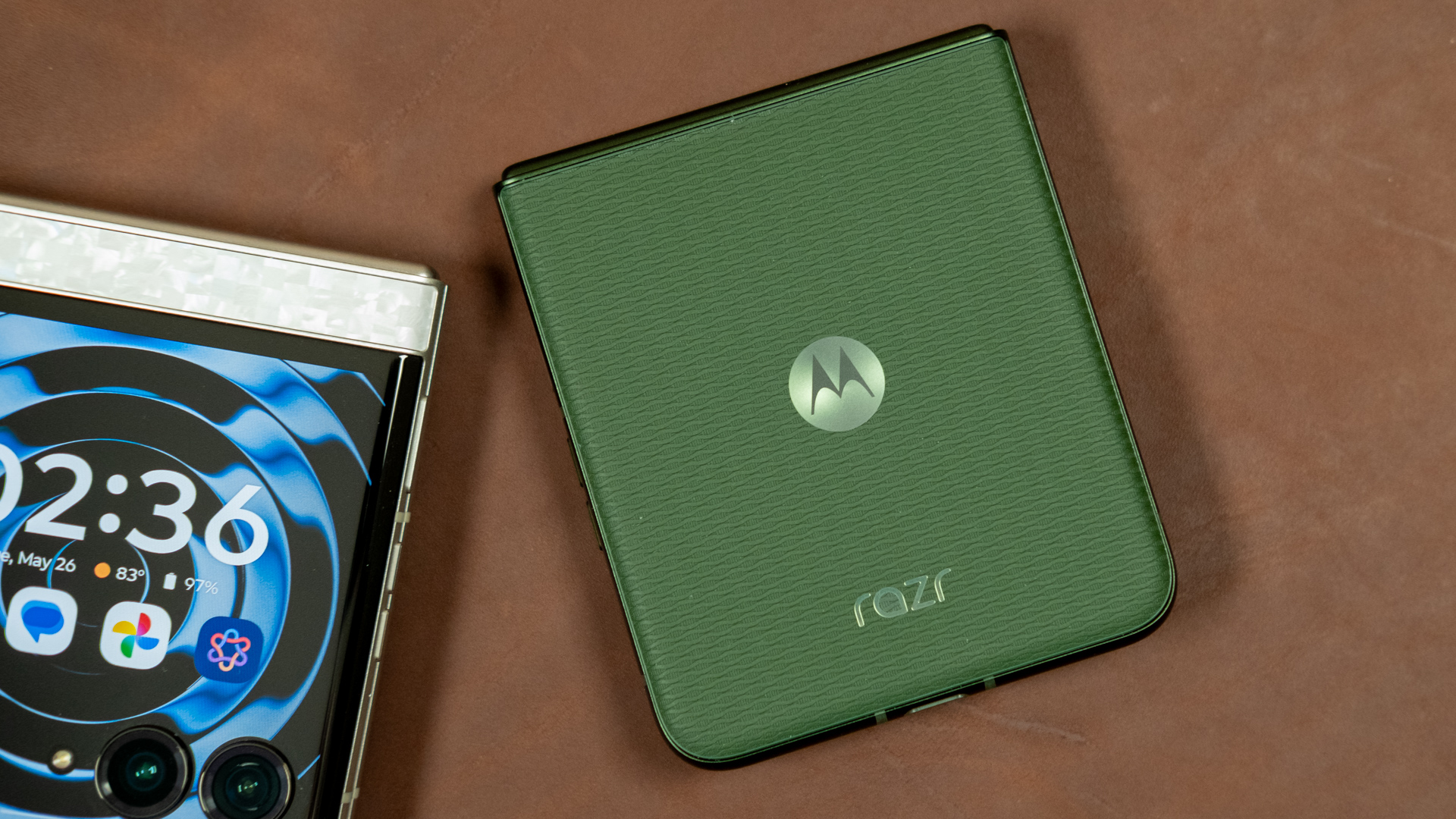
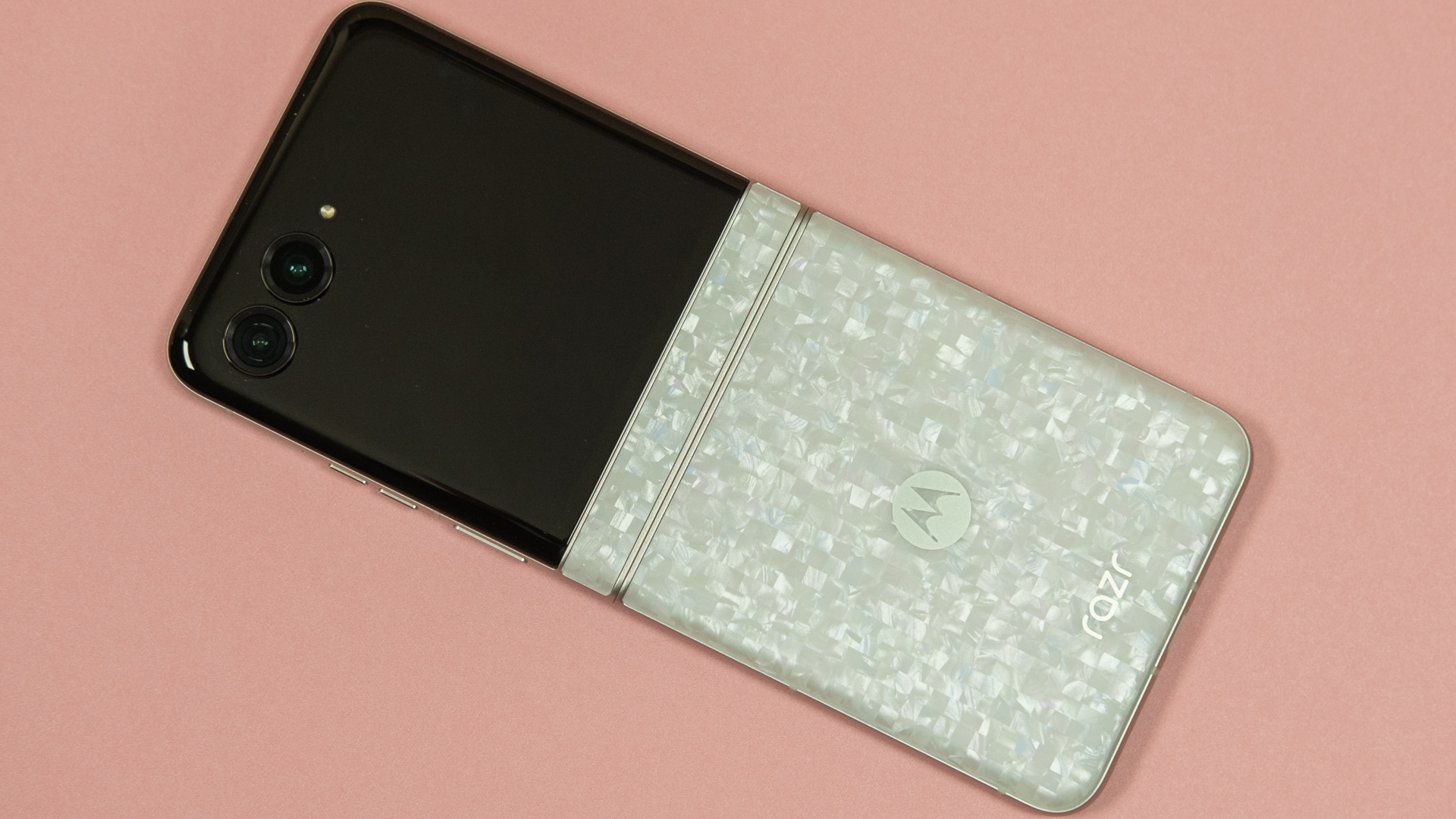
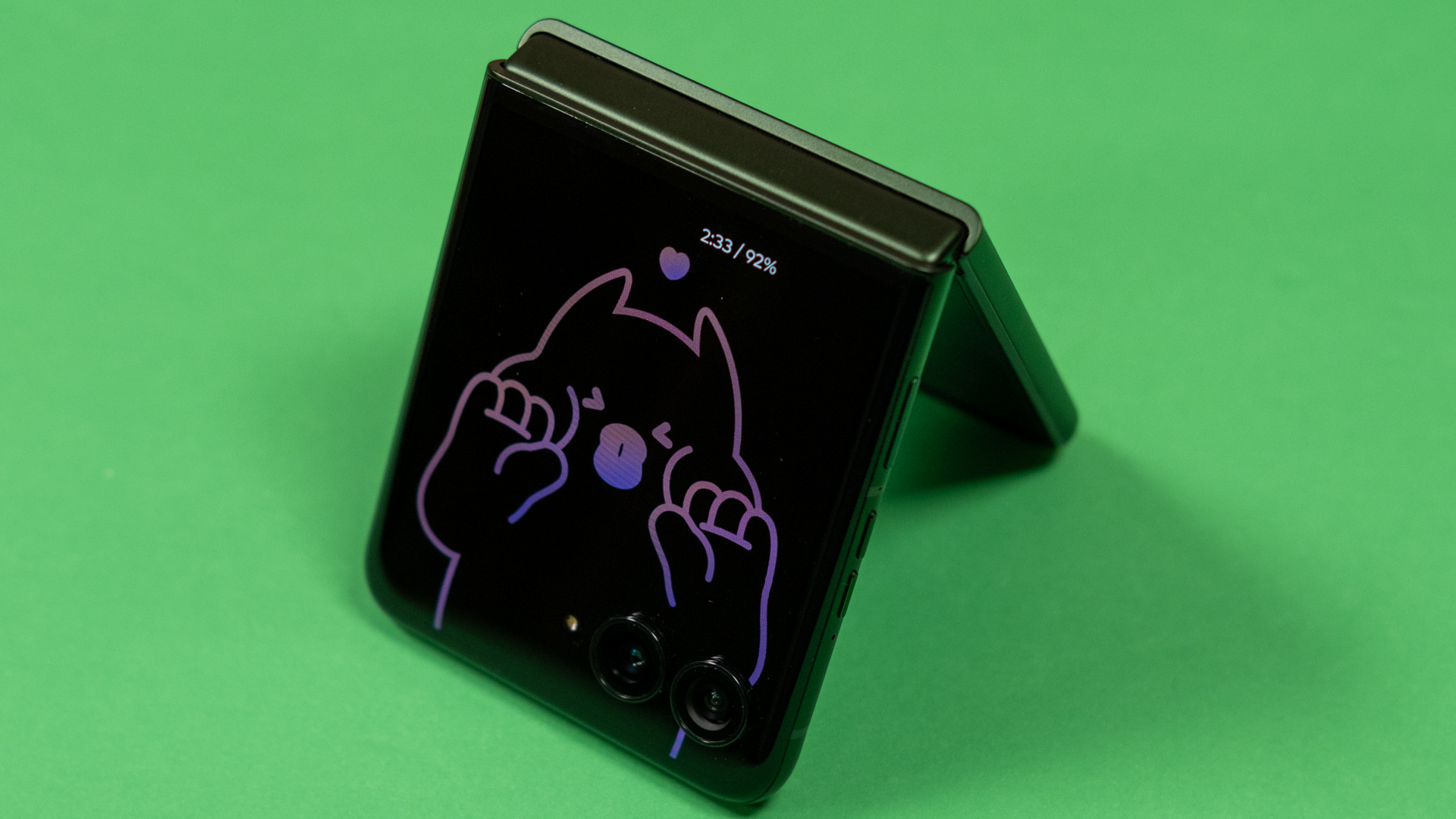
The 2026 Razrs don’t change much in the design department versus last year’s versions, but that’s fine. They still look great. There are wood panels, soft touch plastics, vegan leather, and synthetic fabrics—all things you won’t find on the latest devices from Samsung, Google, or Apple. These are, hands down, the prettiest phones you can buy right now.
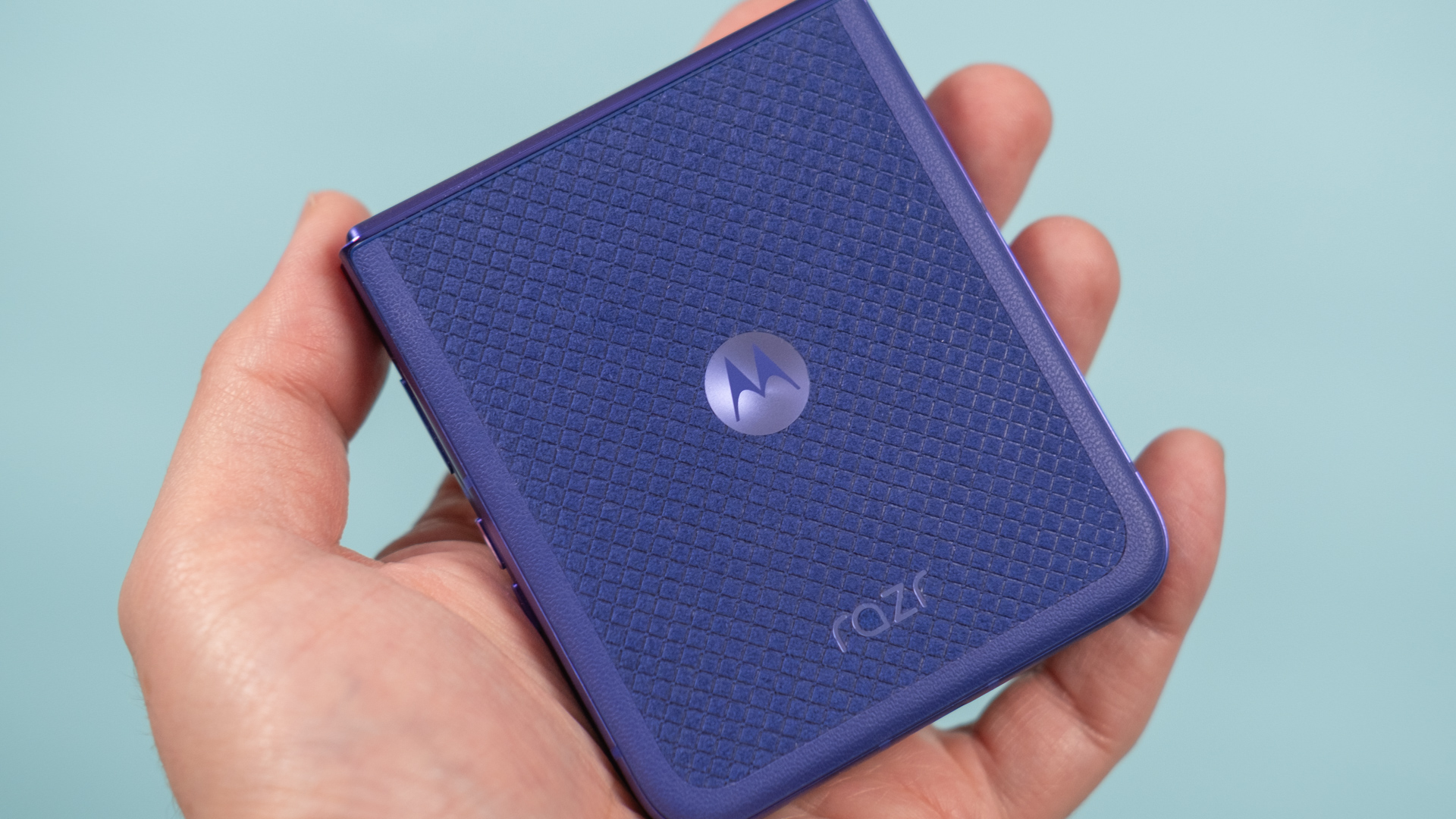
However, even years into the foldable era, these phones are still not an easy choice for smartphone buyers, and some people shouldn’t even consider getting one despite the stylish design. When buying a new phone, many folks immediately put it in an OtterBox or similarly armored case and slap on a screen protector. Then, a year or two later, when they need to take the case off for some reason, they are surprised by the color of their phone. If that’s you, the 2026 Motorola Razrs are not the phones you are looking for—just move along.
Flip phone flops
All of Motorola’s Razr flip phones have big external screens, offering enough real estate to run apps and reply to messages, and Moto lets you do a lot more with this screen compared to Samsung’s Z Flip line.
On one hand, having an external screen can be a bit gimmicky. The phones come with a collection of games optimized for the external display, and opening the phone to use the big foldable OLED will often be faster for most tasks, but using the external screen can help steer you away from distracting apps. It provides just enough functionality to check a notification or reply to a message without tempting you to start doom scrolling.
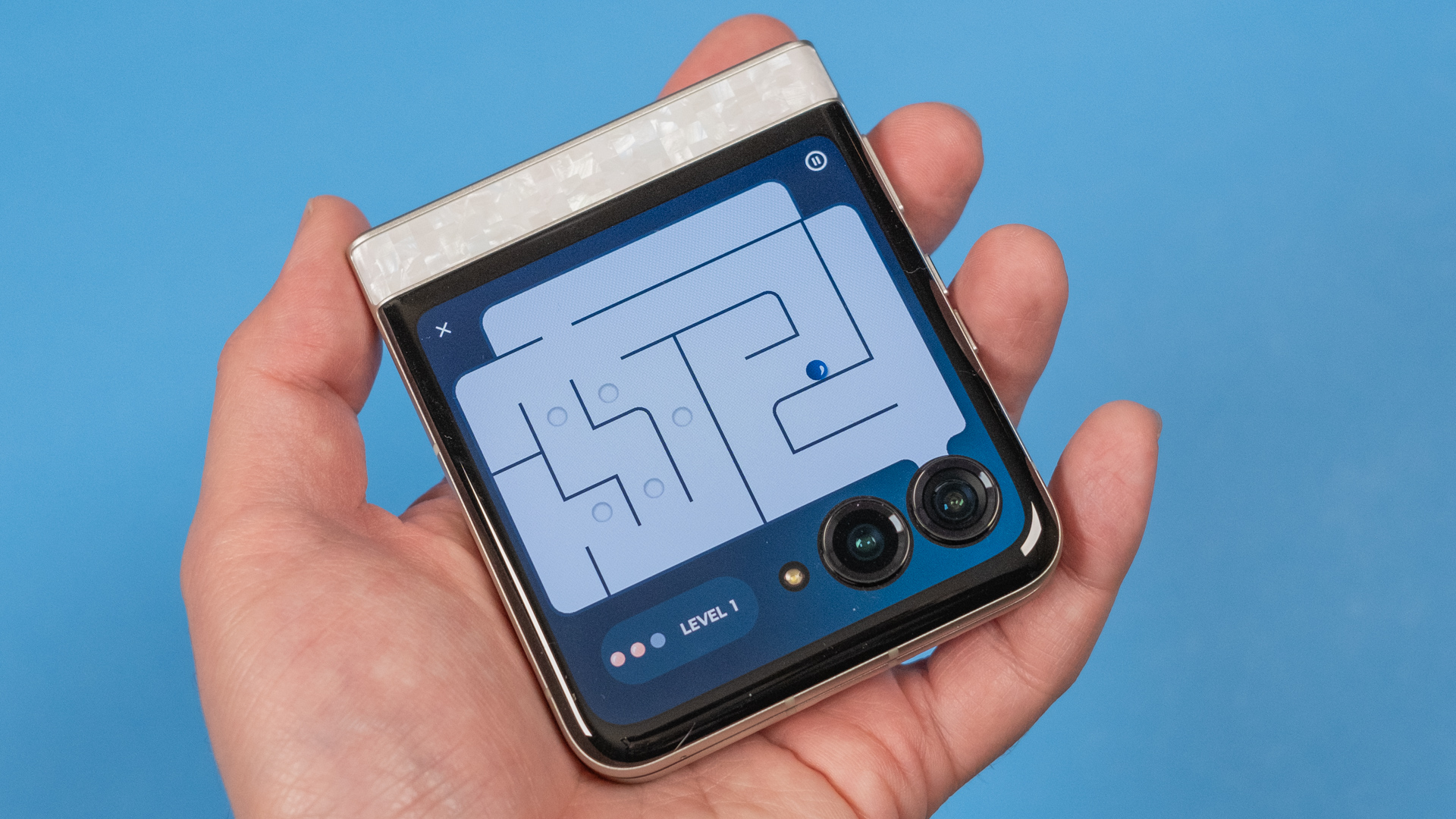
The foldable form factor also pays off if taking selfies is your thing. While there is a selfie camera under the foldable OLED, you can and should use the primary cameras with the external display instead. Motorola’s cameras aren’t up to the standards of Google or Apple, but the larger main camera sensors on these phones do a better job than any camera peeking through a hole in your screen.
But a phone that folds in half also comes with some inevitable downsides. While Motorola says its hinge is reinforced with titanium and has been tested to many thousands of folds, this is still a possible point of failure. The kind of day-to-day abuse that wouldn’t affect a flat phone could cause serious problems for one with a hinge in the middle. These devices are also only IP48-rated, which means fine particles could work their way inside and affect the hinge’s functionality. Although the Razrs are just as water-resistant as traditional designs.
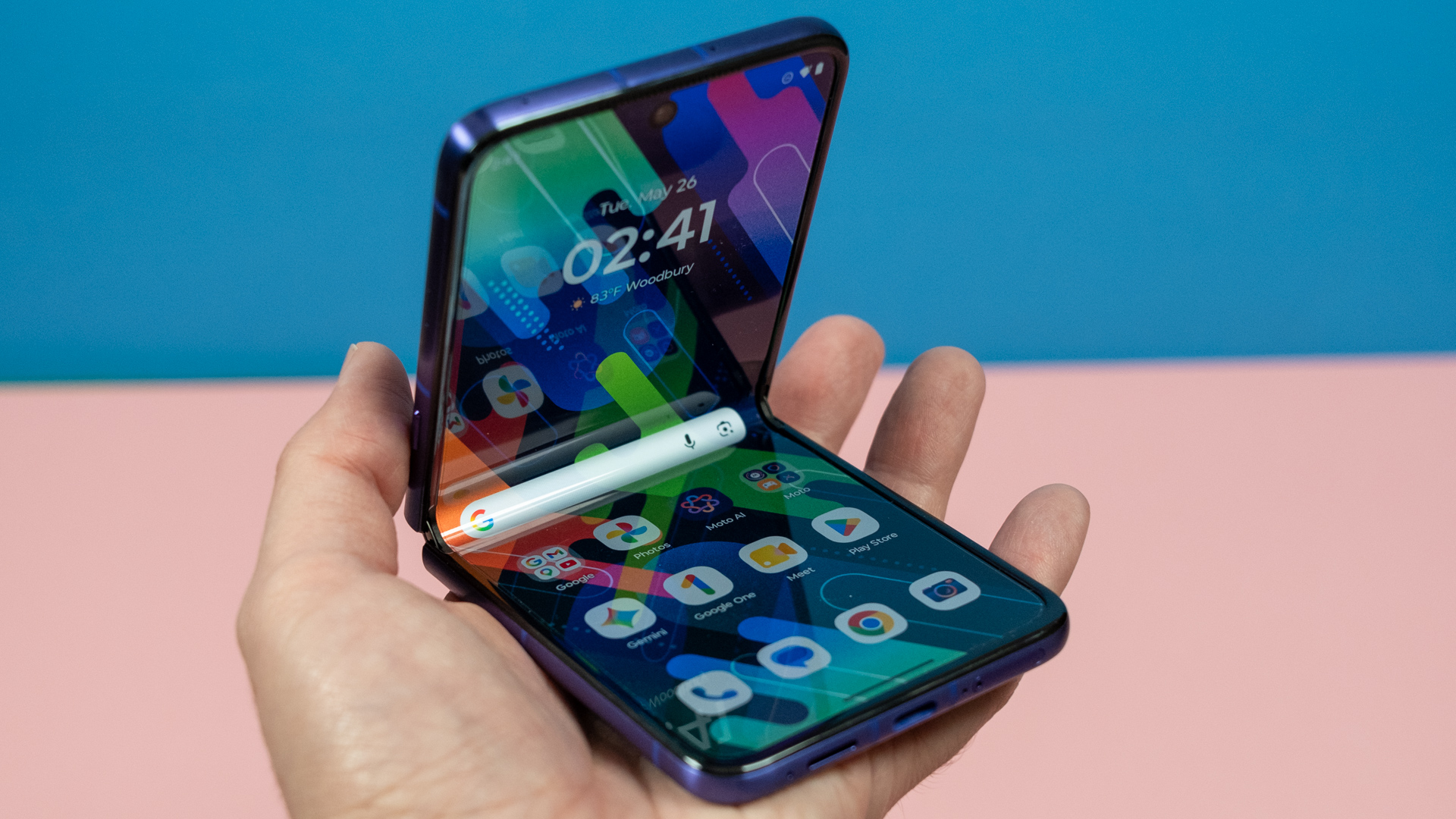
Even if the hinge is mechanically sound, the constant folding could be a problem for the phone’s flexible OLED. With several generations of Razrs behind us, there are enough user reports to say that OLED damage from wear and tear is possible. Most of these screens will last for as long as the phone itself does, but some won’t.
| Specs at a glance: 2026 Motorola Razr series | ||||
|---|---|---|---|---|
| Razr 2026 ($800) | Razr+ 2026 ($1,100) | Razr Ultra 2026 ($1,500) | Razr Fold ($1,900) | |
| SoC | MediaTek Dimensity 7450X | Snapdragon 8s Gen 3 | Snapdragon 8 Elite “Pro” | Snapdragon 8 Elite Gen 5 |
| Memory | 8GB | 12GB | 16GB | 16GB |
| Storage | 128GB | 256GB | 512GB | 512GB |
| Display | External: 3.6-inch 1056 x 1066 OLED, 90 Hz, 1700 nits; Internal: 6.9-inch 1080 x 2640 OLED, 120 Hz, 3000 nits | External: 4-inch 1272 x 1080 OLED, 165 Hz, 2400 nits; Internal: 6.9-inch 1080 x 2640 OLED, 165 Hz, 3000 nits | External: 4-inch 1272 x 1080 OLED, 165 Hz, 3000 nits; Internal: 7-inch 1224 x 2992 OLED, 165 Hz, 5000 nits | External: 6.6-inch 2520 x 1080 pOLED, 165 Hz, 6000 nits; Internal: 8.1-inch 2484 x 2232 LTPO OLED, 120 Hz, 6,200 nits |
| Cameras | 50 MP wide, f/1.7; 50 MP ultrawide, f/2.0; 32 MP selfie, f/2.4 |
50 MP wide, f/1.8; 50 MP ultrawide, f/2.0; 32 MP selfie, f/2.4 |
50 MP wide, f/1.8; 50 MP ultrawide, f/2.0; 50 MP selfie, f/2.0 |
50 MP wide, F/1.6; 50 MP ultrawide with Macro, f/2.2; 50 MP 3x telephoto; 32 MP outer selfie, f/2.4; 20 MP inner selfie, f/2.4 |
| Software | Android 16 | Android 16 | Android 16 | Android 16 |
| Battery | 4,800 mAh, up to 30 W wired charging, wireless charging | 4,500 mAh, up to 45 W wired charging, wireless charging | 5,000 mAh, up to 68 W wired, wireless charging | 6,000 mAh, up to 80 W wired charging, 50 W wireless charging (unsupported) |
| Connectivity | Sub-6 GHz 5G, Wi-Fi 7 | Sub-6 GHz 5G, Wi-Fi 7 | Sub-6 GHz 5G, Wi-Fi 7 | Sub-6 GHz 5G, Wi-Fi 7 |
| Measurements | Open: 171.30 × 73.99 × 7.25 mm Closed: 88.08 × 73.99 × 15.85 mm, 188g |
Open: 171.42 × 73.99 × 7.09 mm Closed: 88.09 × 73.99 × 15.32 mm, 189g |
Open: 171.48 × 73.99 × 7.19 mm Closed: 88.12 × 73.99 × 15.69 mm, 199g |
Open: 160 height × 144.4 width × 4.55 depth (mm); Closed: 160 height × 73.6 width × 9.89 depth (mm), 243g |
| Colors | Hematite, Violet Ice, Sporting Green, Bright White | Mountain View | Orient Blue, Cocoa | Blackened Blue, Lily White |
This is something that you won’t see in reviews—we’ve long moved past the point where foldable durability issues would be apparent during the few weeks reviewers use these devices before publishing the results. I try to use the hinge on foldables as much as possible when reviewing them, but I’ve never seen a hinge or screen fail. We know from user reports that they sometimes fail, though.
When a Razr is your daily driver for months or years, there’s a higher risk of breakage than with a phone that doesn’t fold in half. So if you’re going to buy a foldable, it’s smart to factor in the added cost of insurance. That can make an already expensive phone even more of a financial burden.
The bottom line
As gorgeous as these phones are, that alone cannot justify spending a ton of money on them. If your main concern is pure functionality, the 2026 Razrs aren’t as reliable or capable as the best non-foldables from Samsung, Google, or Apple. Foldable flips don’t even have the multitasking advantages of a tablet-style foldable. You have to care about the vibes to justify a Razr, and the prices don’t make that easy.
The Razr+ and Razr Ultra got more expensive this year, clocking in at $1,100 and $1,500, respectively. Motorola has offered some earbuds and tracking tags as freebies to try and offset the sticker shock, but that’s not enough. The Razr Ultra has flagship specs and solid cameras, but I can’t think of any smartphone buyer who should seriously consider paying $1,500 for it.
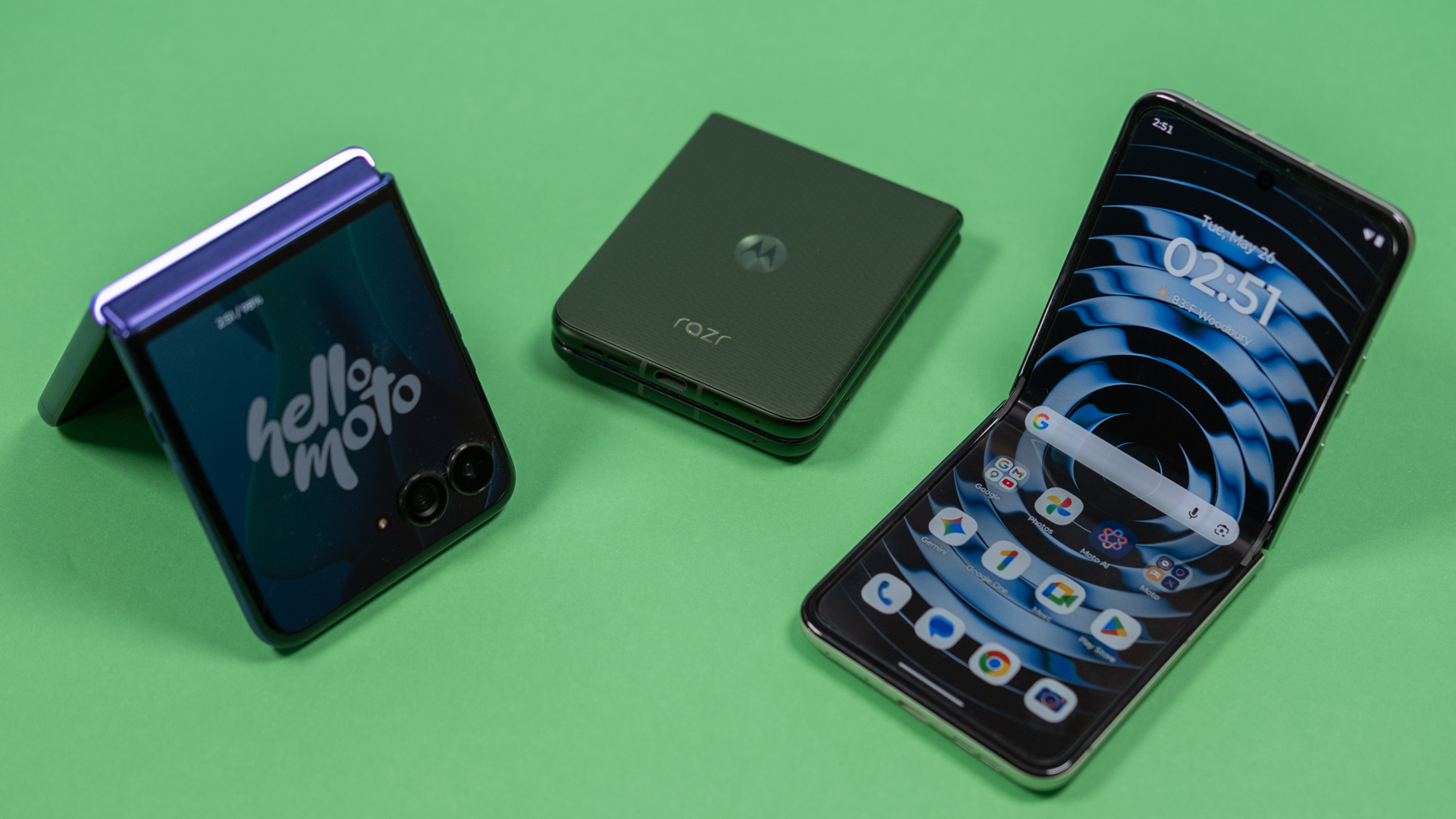
The Snapdragon 8s Gen 3 in the Razr+ won’t be much slower in daily use, and it still has a reasonable 12GB of RAM. So that’s probably a better choice for picky foldable fans. But still, $1,100 for that phone is a tough sell.
If you find yourself enamored with the idea of a stylish flip phone, neither of those phones is probably the right call. However, the base model still embodies the spirit of the Razr even if it cuts a few corners.
The 2026 Razr looks just as good as the more expensive versions—maybe even a little better. The slightly smaller screen leaves more room for the cool materials and colors to wrap around to the front. It also comes in four colors, versus just two for the Razr Ultra and just one for the Razr+.
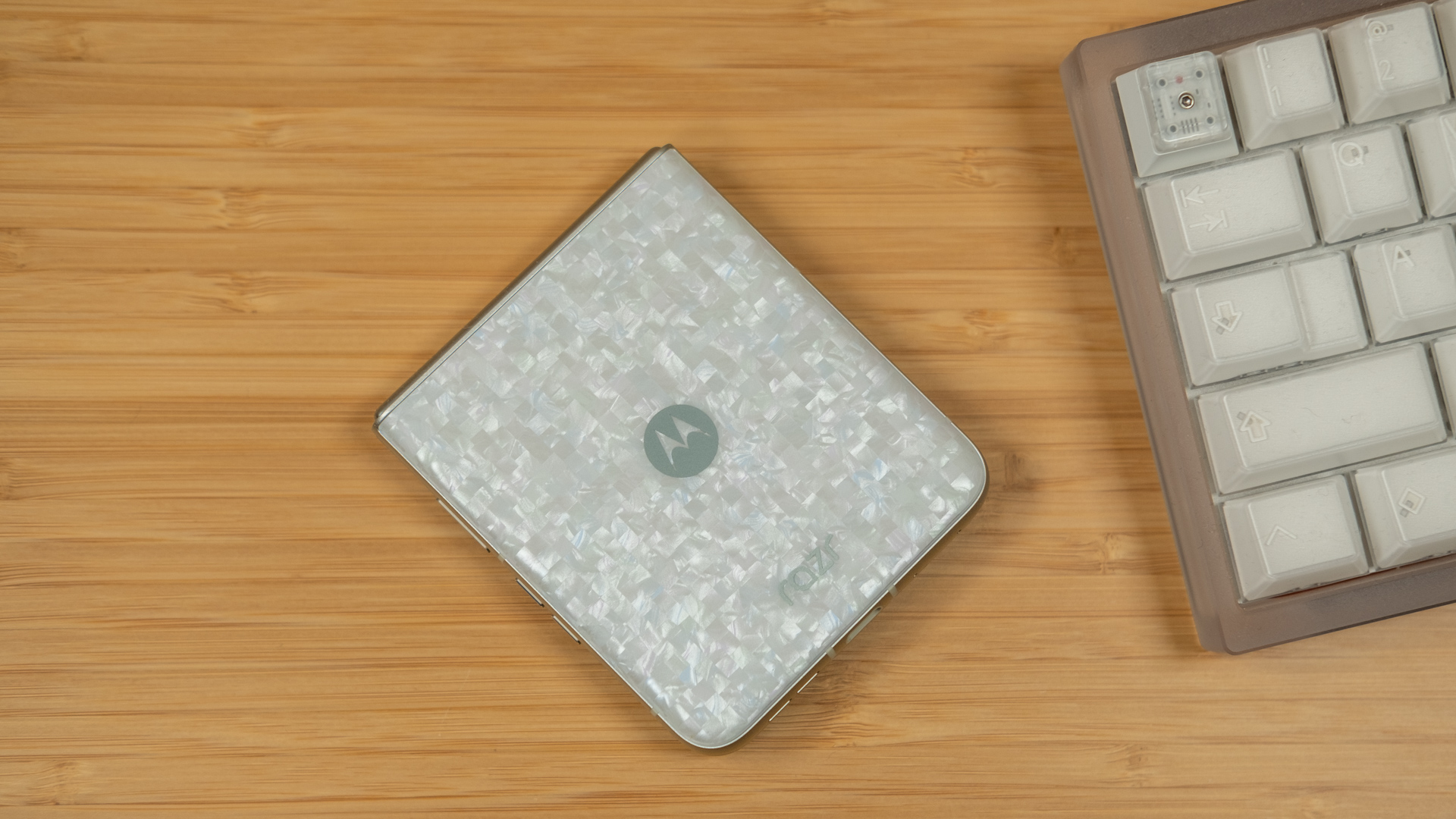
The Moto Razr comes with a weaker MediaTek processor and just 8GB of RAM, but that doesn’t make it any less pretty. The lower specs may benefit a certain type of smartphone buyer. Motorola has a ton of AI features crammed into its current Android software, like every other smartphone OEM, but it’s a bit more restrained on the base model Razr due to the lower RAM. It doesn’t even have the physical AI button from the more expensive models. I consider that a total win.
And the best part: This phone is $800. For a phone that mainly exists to look good and carries a higher risk of failure versus a non-foldable one, that’s about the right price.
The Good
- They look great
- Hinge feels solid
- Outer displays are big and just useful enough
The Bad
- The Razr+ and Razr Ultra are way too expensive
- Hinge and flexible OLED are possible points of failure
- Silly AI button on Razr+ and Razr Ultra
- Last year’s chips in Razr+ and Ultra, mid-range specs in the base model