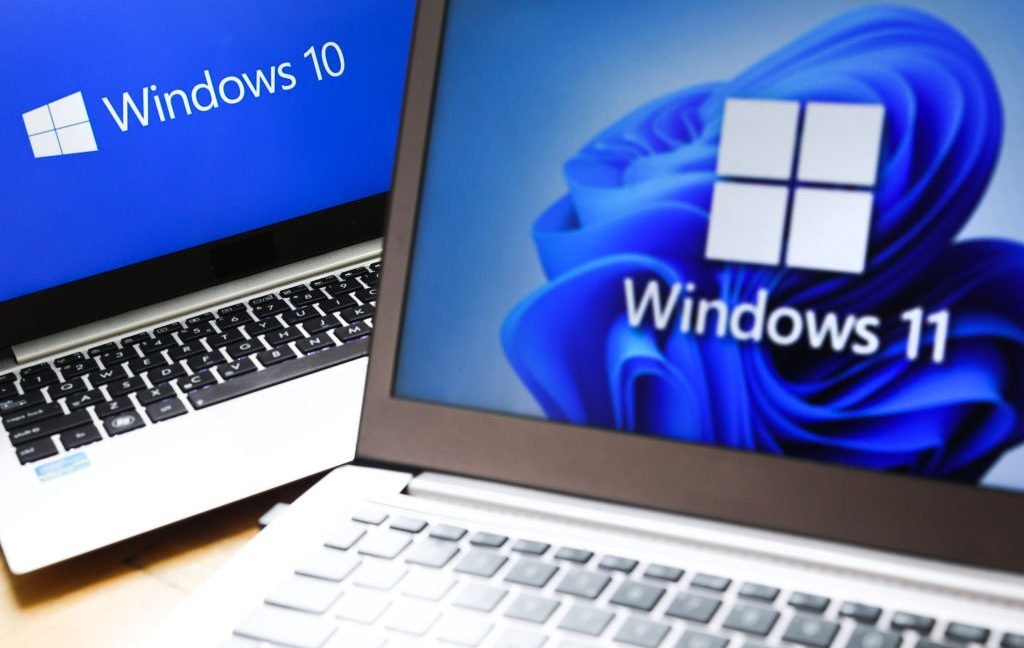
Microsoft ended official support for Windows 10 in 2025, but the company may have a harder time than expected putting the operating system out to pasture. After promising a year of optional extended update support, Microsoft has changed its policy, tacking on another year to its Extended Security Updates (ESU) program. If you are still clinging to Windows 10, you don’t have to do anything but enjoy that extra year.
The last regular updates rolled out to Windows 10 in October of last year, but the Internet can be a dangerous place for unpatched Windows machines. That was a problem for Microsoft, as Windows 11 usage had only barely surpassed Windows 10 when support ended. Microsoft’s solution was to give everyone on the old OS a free year of extended updates.
That program was set to end on October 12, 2026, but Microsoft has updated its policy with hardly a whisper, pushing back the end of extended updates to October 12, 2027. The ESU support page was updated with that date, and Microsoft’s blog post on the program has a new editor’s note confirming the change.
The prevalence of Windows across so many devices and form factors has given Microsoft a massive customer base for decades, but it has also stymied the company’s efforts to roll out new operating systems. Microsoft famously extended the support window for Windows XP numerous times throughout the 2010s as it became apparent that millions of PCs would never be updated. Windows 10 isn’t quite as entrenched as XP was, but it has still been a slog getting people to upgrade to Windows 11 even nearly five years after release.
Unlike many past Windows updates, Windows 11 required some users to buy new PCs with specific CPU technologies and a Trusted Platform Module (TPM). Microsoft was widely criticized for excluding perfectly serviceable PCs, and that’s turning into a problem in 2026. The AI-driven shortage of storage and memory has made system upgrades vastly more expensive, potentially slowing upgrades. Some have also avoided Windows 11 due to Microsoft’s intense focus on AI features.
The result is that Windows 10 remains stubbornly popular. According to StatCounter data, Windows 10 is still running on about 26 percent of PCs, while Windows 11 sits at 72 percent. That means there are still hundreds of millions of active Windows 10 installs, but those machines will be up to date for at least an additional year.
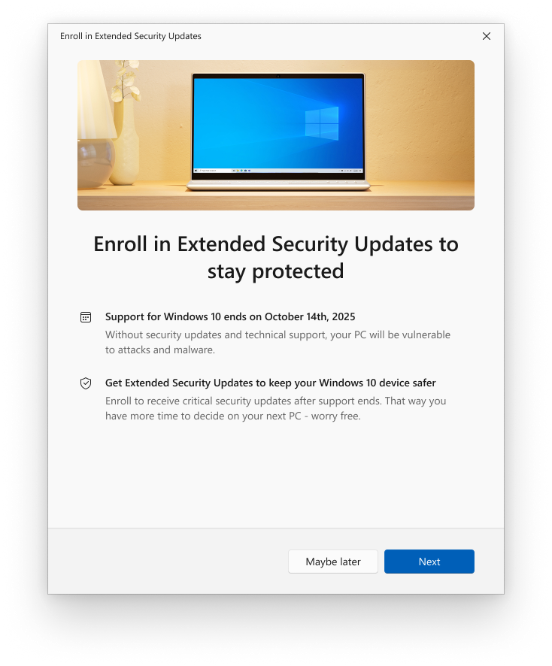
To join the ESU program, just look for the enrollment option in the Windows Update menu. Customers in the EU get these updates for free, but in other regions, you have to sign in with a Microsoft account and sync your system settings to be eligible for free updates. Otherwise, it costs $30 (or 1,000 Microsoft Rewards points) to join the program.
Once you’re in, the ESU license works on up to 10 devices, but Microsoft stresses this is for personal use—businesses have to pay per device for Windows 10 updates, but the program is available through 2028. But at this rate, Microsoft might be releasing Windows 10 updates even beyond that timeline.