This coverage is made possible through a partnership between Grist and Interlochen Public Radio in northern Michigan.
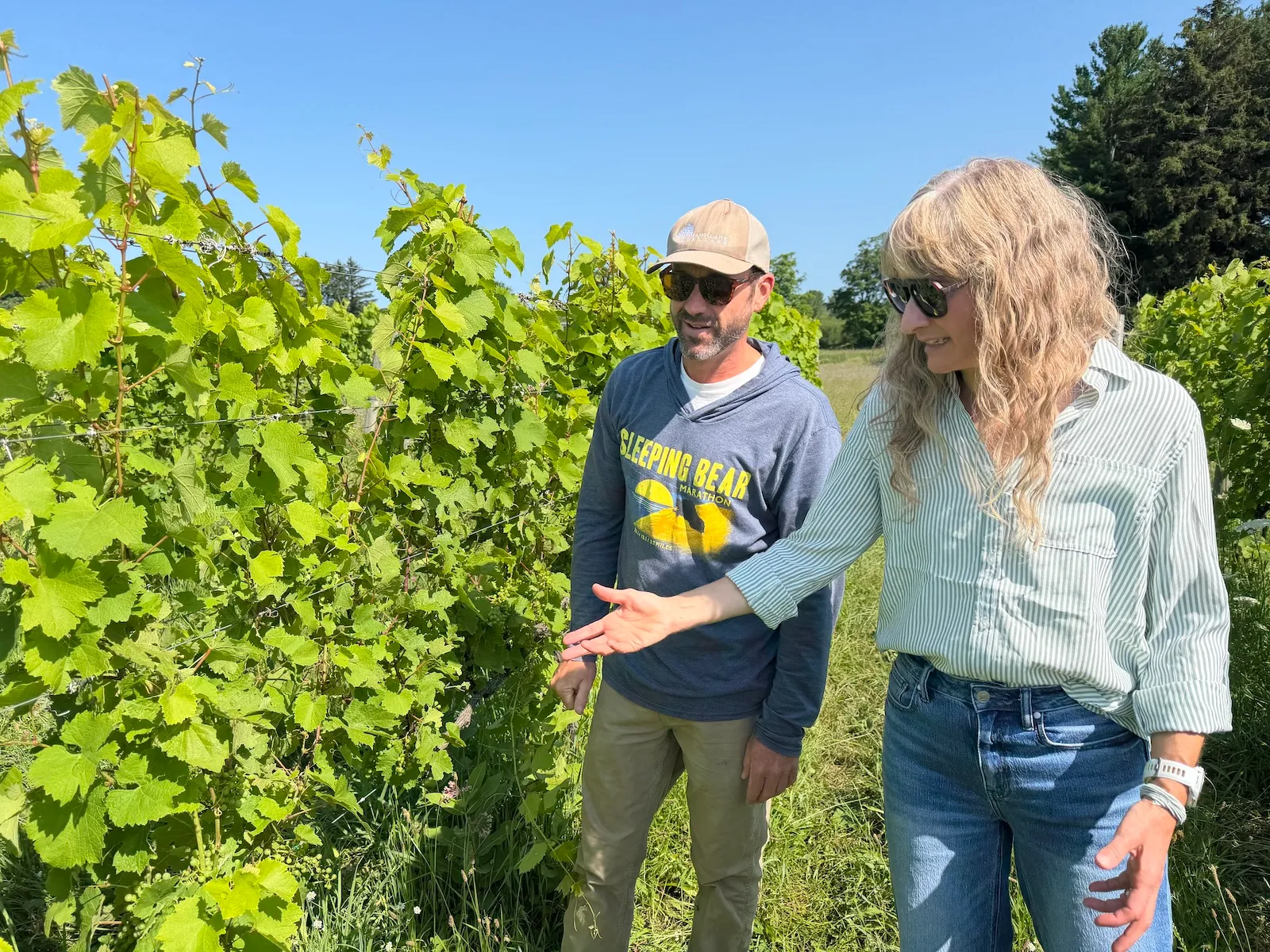
When wildfire smoke blanketed northern Michigan skies last month, Kasey Wierzba thought the vineyard at Shady Lane Cellars in Suttons Bay looked like a different planet.
“That kind of pinky, peachy haze really was filtering through the whole vineyard. The visibility was really minimal,” said Wierzba, the general manager and executive winemaker at Shady Lane Cellars, a winery and vineyard that sits on the “little finger” of the state on Leelanau Peninsula, a region famous for its winemaking.
Wierzba also thought about how the pungent smoke might impact the grapes, something that the larger wine industry is becoming more familiar with as global warming increases the frequency and intensity of wildfires. Though she and other local grape growers were spared — the worst of the wildfires were burning far away in Canada and Minnesota, the smoke didn’t linger long, and it’s still early in the growing season — climate change could bring the threat closer to home in the future.
At stake is the state’s nearly $9 billion wine industry, which may have to adapt to the smoke’s effects on grapes, a challenge those in wine regions like the West Coast and Australia are already confronting.
When grapes are exposed to smoke for an extended amount of time, finished wines can develop what’s known as “smoke taint” — unwanted flavors that have been described as everything from barbecued food to burnt bacon.
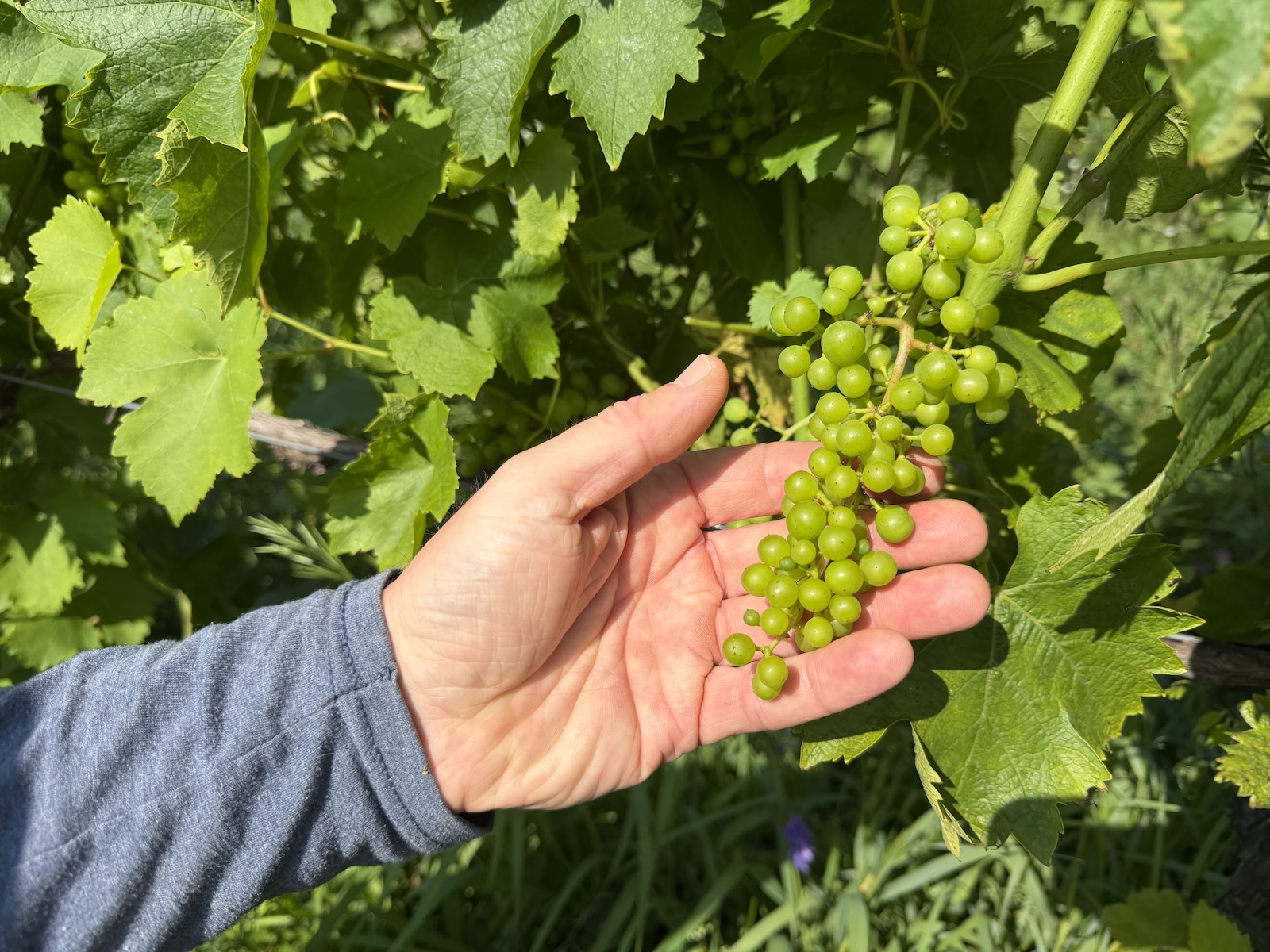
Because it’s early in the growing season, Wierzba said she’s confident there won’t be any impact on finished wines. The grapes are shaped like small pellets at this point of the year, known as the “buckshot berry stage” because they resemble the size of bullets used for hunting deer.
 ” data-credit=”Vivian La / IPR News”>
Vivian La / IPR News
Still, if and when smoke hits again, Wierzba said she’ll consider sending grape samples to labs that could detect the compounds associated with wildfire smoke. “I think having the smoke incident at this time in the grape growing, when they wouldn’t be affected, spurred me to think, ‘Wow, I need to be prepared,’” Wierzba said.
Tests can help, but it’s generally difficult to measure damage from smoke before wine is produced, said Paolo Sabbatini, a viticulture professor at Michigan State University. Smoke compounds bind with the grape skin and tissues, and the flavors associated with smoke taint only come through during the fermentation process.
“You need to wait for the finished wine. So during the season, unless your vineyard catches on fire and you see damage on the berries after a smoke event, you can’t even measure anything,” he said.
Sabbatini received 10 calls from grape growers and winemakers around Michigan with questions about smoke impacts. But he said he’s “pretty confident” that there wasn’t enough smoke exposure over a long enough period of time for grapes to be impacted by the fires, which are still burning in Ontario and Minnesota and have so far destroyed more than 64,000 acres, according to the U.S. Forest Service.
Local growers said it was fortunate that smoke didn’t hit the region during the key time that grapes change color in the fall — the period when they are typically most sensitive to smoke.
“We are sitting with our fruit still at a very immature stage, when we’re still going through cell division. So all of the cells, and the cluster, and the berries aren’t formed yet,” said Brian Hosmer, winemaker at Chateau Chantal, a winery and inn on Old Mission Peninsula, another northern Michigan winemaking hotspot.
Smoke taint is a rising concern elsewhere around the world, where hotter, larger wildfires have crept ever closer to vineyards. Ongoing fires in southwestern France have already scorched more than 160 square miles of forest near Bordeaux, pushing up against the country’s world-famous wine region.
“We’re talking about places where the fire is literally up to the edge of the vineyards, or even a couple miles away, where they’re getting ash falling directly on the fruit,” Hosmer said.
As climate change fuels the hotter, drier summers that increase the likelihood of wildfire events and widespread smoke, the number of places exposed to smoke taint is also increasing, said Ben Montpetit, chair of the department of viticulture and enology at the University of California, Davis. The program is one of the country’s leaders in the area of smoke taint research.
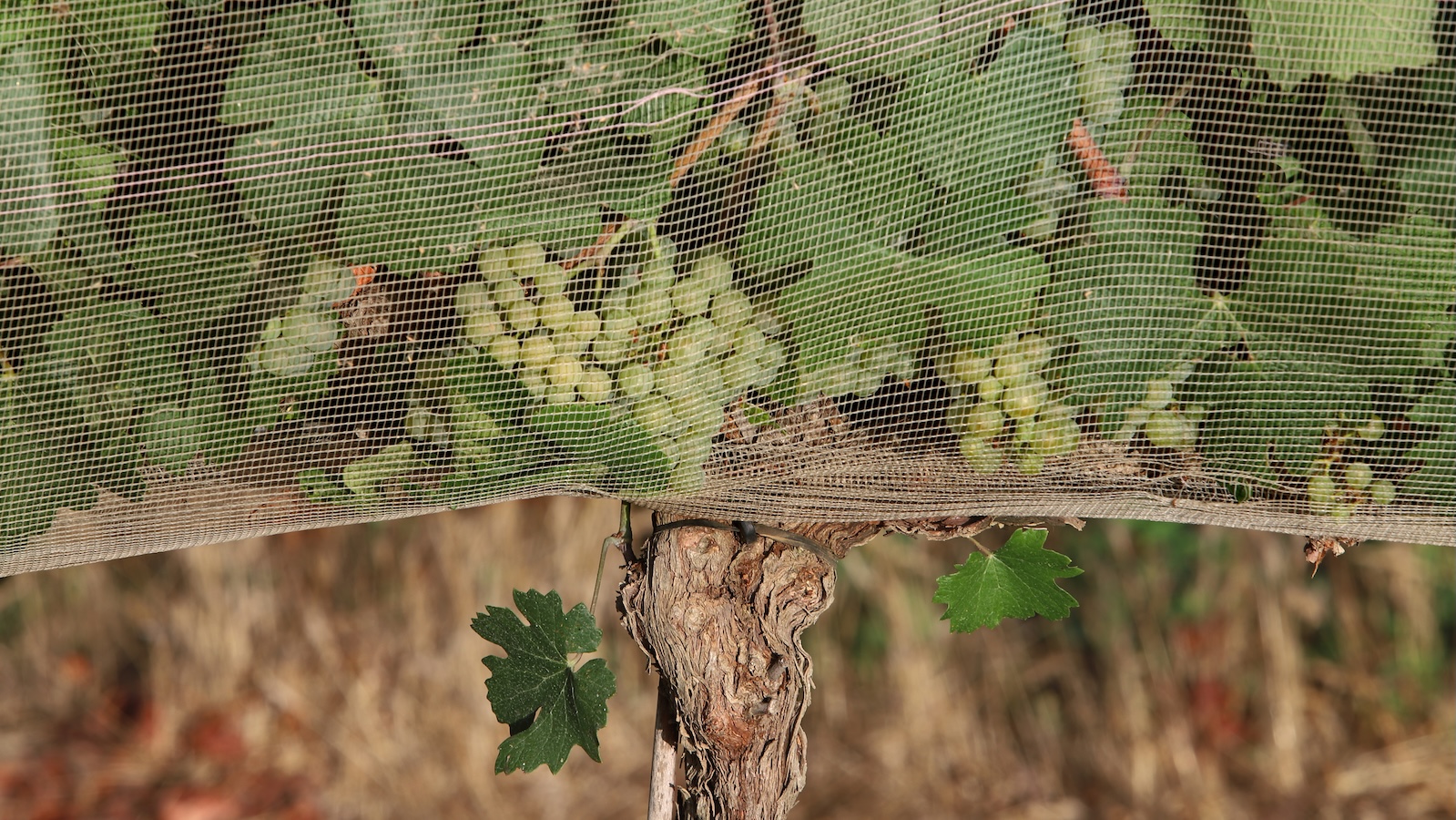
There aren’t simple solutions to smoke taint, Montpetit said. Treatments to remove some of the unwanted flavors could impact wine quality or introduce other tastes. While growing awareness of the issue has led to increased state and federal support for studies — the latest draft of the U.S. farm bill includes a directive for more research and development into wine grapes and wildfire smoke exposure — Montpetit said smoke taint will remain a problem.
“As much as we can prepare, there are going to be fires in the future, and unfortunately, they will impact wine regions,” Montpetit said.
Grape growers said they’re learning to adapt to multiple changes in the environment, from drifting wildfire smoke to increasingly variable weather conditions. Studies looking at climate change impacts on Michigan’s wine region cite early spring frosts that can damage vines and hotter temperatures during the growing season.
Those in the industry said adaptation is part of the job. After all, winemakers first flocked to the region centuries ago to take advantage of the extended growing season that Lake Michigan provides.
“It’s always challenging. It’s farming. It’s legalized gambling,” Hosmer with Chateau Chantal said. He’s not concerned about impacts from this recent smoke, he said, but a trend of warmer summers “definitely makes us think about what’s going on in the woods around our vineyards” in terms of local fire danger.