Palestinian prosecutors allege embezzlement, while the former ambassador links his prosecution to a dispute over PLO property in Beirut
Lebanon’s government is weighing whether to extradite Ashraf Dabbour, the former Palestinian ambassador to Lebanon, to the Palestinian Authority (PA), which accuses him of corruption and embezzling public funds during his 2012-2025 tenure in Beirut. Dabbour denies the allegations and says the prosecution is retaliation for his objections to the handling of properties belonging to the Palestine Liberation Organization (PLO).
Lebanese authorities first detained Dabbour at Beirut-Rafic Hariri International Airport on April 29 after he arrived from Turkey. They acted on an Interpol Red Notice issued at the PA’s request. A Red Notice asks authorities to locate and provisionally detain someone pending legal proceedings; it is not an international arrest warrant. Dabbour was released after questioning and prohibited from traveling.
Lebanon’s public prosecutor detained him again on Aug. 3 after questioning him about the Palestinian extradition request. A Lebanese judicial official said the case was referred to the government while authorities awaited supporting documents from Ramallah.
Does President Mahmoud Abbas know that his son Yasser Abbas is exploiting his control over the security services and his influence within the Authority … by pursuing me with arrest warrants from one place to another?
Published accounts say Palestinian prosecutors accuse Dabbour of misappropriating embassy funds, using some of the money to buy properties registered in other people’s names and concealing revenue from projects owned or partly owned by the Palestinian Embassy. Dabbour has not been convicted, and the PA has not publicly released the complete evidentiary file.
The former ambassador has offered a competing account in Facebook posts and videos. He alleges that his prosecution followed a dispute over PLO property in Lebanon and has accused Yasser Abbas, the son of Palestinian President Mahmoud Abbas, of using political and security influence against him.
In an April Facebook post, Dabbour accused Yasser Abbas of using his influence to pursue personal grievances, asking: “Does President Mahmoud Abbas know that his son Yasser Abbas is exploiting his control over the security services and his influence within the Authority … by pursuing me with arrest warrants from one place to another?”
Dabbour also alleged in posts late last year that a presidential committee headed by Yasser Abbas had improperly sold a PLO office building and its surrounding land in Beirut. He said a committee member offered him $500,000 from the proceeds after he questioned the transaction and maintained that the property had been sold for less than its assessed value. Those allegations have not been independently established. The Media Line contacted Yasser Abbas for a response; he declined to comment beyond saying that he denied all of Dabbour’s accusations against him.
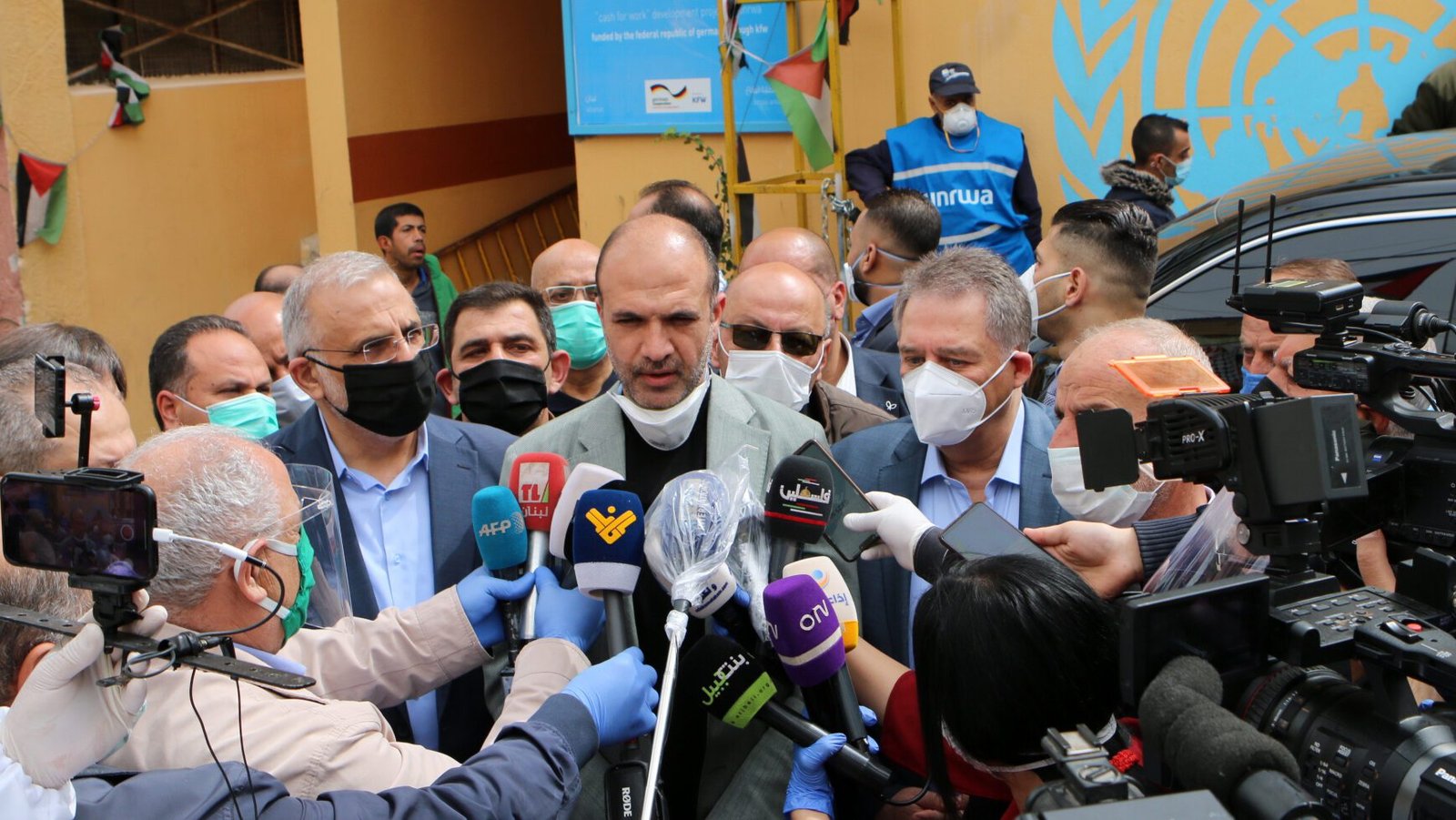
The former ambassador’s family says the alleged transactions, witnesses and documentary evidence are in Lebanon and argues that Lebanese courts should hear the case. His daughter Israa Dabbour told a Beirut news conference that the family was not seeking immunity from prosecution.
We are not asking for his protection from the judiciary, nor are we asking for charges to be dropped
“We are not asking for his protection from the judiciary, nor are we asking for charges to be dropped,” she said. “Why should our father be moved from the country where he lived, and from the place where the alleged crimes took place, in order to be tried somewhere else?”
Lebanon’s judiciary has recommended extradition on the grounds that the case concerns Palestinian funds, according to a judicial official quoted by Agence France-Presse. The recommendation does not authorize an immediate transfer; approval from Lebanon’s justice minister, president and prime minister is required.
Lebanon’s National Human Rights Commission, an independent institution established by Lebanese law that includes the country’s torture-prevention body, has urged the government not to approve extradition without further judicial review. It said Lebanon must consider whether Dabbour could face torture, arbitrary detention or denial of a fair trial if transferred.
Citing recent United Nations reporting about alleged arbitrary detention and mistreatment by Palestinian authorities, the commission said the Convention against Torture prohibits Lebanon from transferring someone to a jurisdiction where substantial grounds indicate a risk of torture or other prohibited abuse.
The commission also identified unresolved questions under Articles 30 to 35 of the Lebanese Penal Code, including whether a sufficient legal basis for extradition exists, whether Lebanese courts have jurisdiction over conduct allegedly committed in Lebanon and whether the request could be politically motivated. It stressed that it was not endorsing all the defense’s factual or legal claims.
Dabbour’s legal status presents another question. According to documents cited by the commission, he was born in the Al-Bass Palestinian refugee camp in Tyre, has lived permanently in Lebanon and is registered as a Palestinian refugee with the Lebanese state and the United Nations Relief and Works Agency for Palestine Refugees in the Near East. He has also held a Lebanese-issued Palestinian refugee travel document.
His family said his health deteriorated after his detention and that he required intensive medical care. The commission called for guarantees of his safety, access to lawyers and relatives, and the right to challenge any extradition decision before an independent court.