European Union foreign ministers said on Thursday that Russia would not decide who represents Europe in any future negotiations over Ukraine, as the bloc sought to present a united position on possible talks with Moscow.
The ministers were meeting informally in Cyprus to discuss Europe’s strategy amid growing calls from Kyiv for greater European involvement in efforts to end the war, now in its fifth year.
The discussions come as the United States remains heavily focused on the conflict involving Iran, increasing pressure on European governments to define their own diplomatic approach towards Russia and Ukraine.
Earlier this month, Russian President Vladimir Putin suggested that former German chancellor Gerhard Schroeder could represent Europe in possible negotiations. Schroeder has previously described Putin as a personal friend.
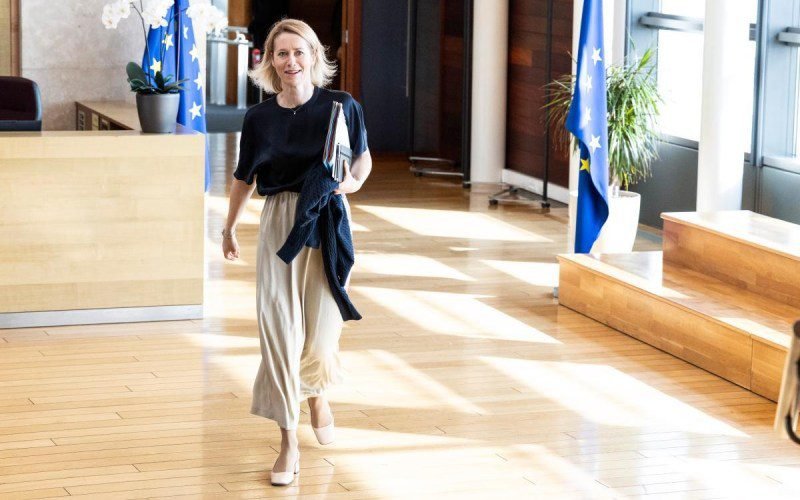
European governments rejected the proposal, with EU foreign policy chief Kaja Kallas warning against allowing Moscow to shape the debate.
“I find that it’s a trap that Russia wants us to walk into, that we discuss who talks to them, and they’re already picking who is suitable or who is not,” Kallas said.
“Let’s not walk into that trap. Negotiation is always a team effort. That’s why the substance is much more important than who.”
Kallas said the meeting in Cyprus was intended to help ministers define Europe’s core interests and objectives before any negotiations take place.
“It should be also very clear what we are doing there,” she said.
The Kremlin said on Wednesday that Putin remained open to negotiations with Europe, according to Russia’s RIA news agency.
Italian Foreign Minister Antonio Tajani dismissed the idea that Moscow could influence Europe’s representation.
“Europe will decide the name of the negotiator, not Mr Putin,” Tajani said on arriving at the meeting.
“It is not a Putin decision, it is our decision,” he added.
Several ministers argued that discussions over appointing a negotiator were premature and that the immediate priority should remain support for Ukraine and increased pressure on Russia.
Lithuanian Foreign Minister Kestutis Budrys said European governments should focus on strengthening sanctions and supplying Ukraine with additional military systems.
“This is not the time when we are discussing who is going to have the negotiations,” Budrys said.
Diplomats said no concrete decisions were expected from the Cyprus meeting and acknowledged that EU governments had not yet reached consensus on possible negotiating conditions or demands towards Moscow.
Spanish Foreign Minister Jose Manuel Albares stressed that maintaining a single European position would be more important than selecting a specific envoy.
“What’s important more than talking about the special envoy is that it has to be one voice,” Albares said.
Some ministers nevertheless indicated that Europe could eventually appoint a representative for future talks.
Finnish Foreign Minister Elina Valtonen said Europe would need representation at the negotiating table and expressed confidence that member states could eventually agree both on a mandate and on individuals for the role.
Belgian Foreign Minister Maxime Prevot said the EU needed to define both its negotiating objectives and the person capable of carrying the European message.
Asked whether she would seek the role herself, Kallas pointed to her existing responsibilities as the EU’s High Representative for Foreign Affairs.
“But for that, we need to be united,” she said.