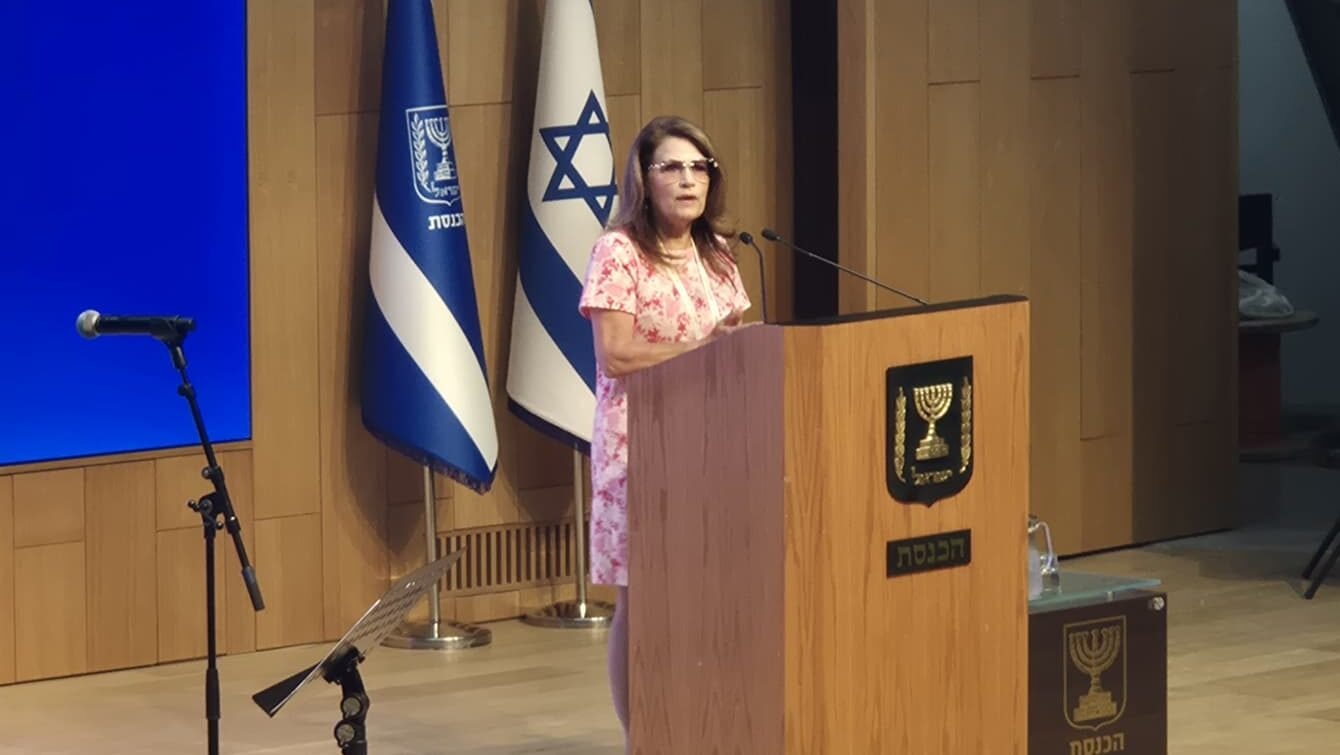
The Knesset hosted the 10th Jerusalem Prayer Breakfast on Wednesday morning—a high‑profile gathering of faith leaders, lawmakers, and international guests who prayed for Israel and voiced firm warnings about regional threats. The event combined devotional moments with political appeals, reflecting a view that spiritual solidarity must accompany strong security and diplomatic stances.
Speakers framed the meeting as both spiritual and strategic. Former US congresswoman Michele Bachmann opened by calling the gathering “a pivotal moment in world history” and urged prayerful action alongside political clarity, saying, “We’re Gideon’s Army gathered together to do the work.” Her speech linked biblical conviction to present geopolitics and praised recent US–Israeli operations as part of a broader fight against hostile regimes.
Member of Knesset (MK) Tatiana Mazarsky (Yesh Atid) welcomed participants to the Knesset and emphasized resilience under fire, thanking international supporters who she said, “tell the true Israeli story.” Mazarsky described the event as a necessary show of solidarity after repeated attacks, saying the people of Israel draw strength from faith and covenantal promises that, she asserted, bind the nation and its supporters together.
MK Ohad Tal tied (Religious Zionism) prayers to national defense, calling prayers “the first line of defense for Jerusalem,” while arguing that prayer must be matched by action. He warned that Iran’s leadership aims to destroy Israel and insisted the world must choose sides, asserting bluntly, “The Iranian regime is perhaps the greatest force of evil in our time.” Tal also rejected a Palestinian state as a viable security solution and urged regional partners to pursue normalization with Israel, warning that linking progress to Palestinian statehood would only bring “further violence and bloodshed.”
Throughout the program, speakers stressed a common set of themes: the threat from Iran and its proxies, the importance of international Christian–Jewish solidarity, and a belief that spiritual commitment should influence policy. Bachmann framed the moment as biblically significant and said God had assigned Donald Trump and Benjamin Netanyahu specific roles in history, which she said they alone could fulfill.
Organizers and parliamentarians underscored the event’s practical purpose: to cement diplomatic relationships, counter narratives they see as hostile in global media, and sustain moral and material support for Israel. Mazarsky warned of ideological campaigns reaching Christian communities abroad and called for coordinated action “together in prayer, together in education, together in politics and diplomacy” to blunt those efforts.
Voices from the podium combined urgent security warnings with pastoral appeals: to pray, to stand with victims, and to press governments to act. The event ended with calls for continued international solidarity, as speakers urged supporters to stand with Israel through prayer, diplomacy, education, and public advocacy.