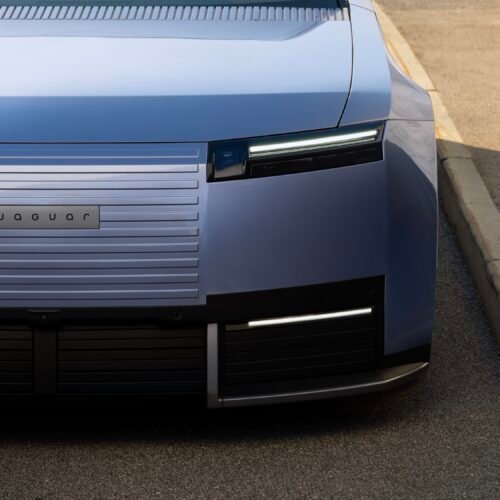
Does it feel like people are perhaps a little grumpier or more on edge these days? It’s not like it’s without reason. There are wars. The climate is going haywire. Someone just died of plague. Scientific research is under attack. Machines keep stealing humans’ work. The media is a mess. And just when it all starts to feel a little overwhelming, Jaguar goes and unveils a new car.
The Type 01 is the first model to arrive from Jaguar’s rebirth. The British carmaker was an early entrant to the modern EV market with the 2017 I-Pace, which was fun to drive even if it was too small inside and perhaps completely unreliable. An all-electric sedan was supposed to be next, but a year from the showroom, it was abruptly canceled, leaving the automaker with nothing to sell as old models like the F-Pace ceased production.
Instead, Jaguar got to work on an all-new electric vehicle platform called JEA, which will underpin an all-electric product line. An elevated ownership experience and a starting price of about double the brand’s previous $60,000 entry point was the idea, Jaguar boss Rawdon Glover told me in 2024. Then last year the brand started teasing its relaunch, and everyone got upset. Things got even worse when the first images of the slab-sided and pastel-shaded Type 00 coupe concept leaked.
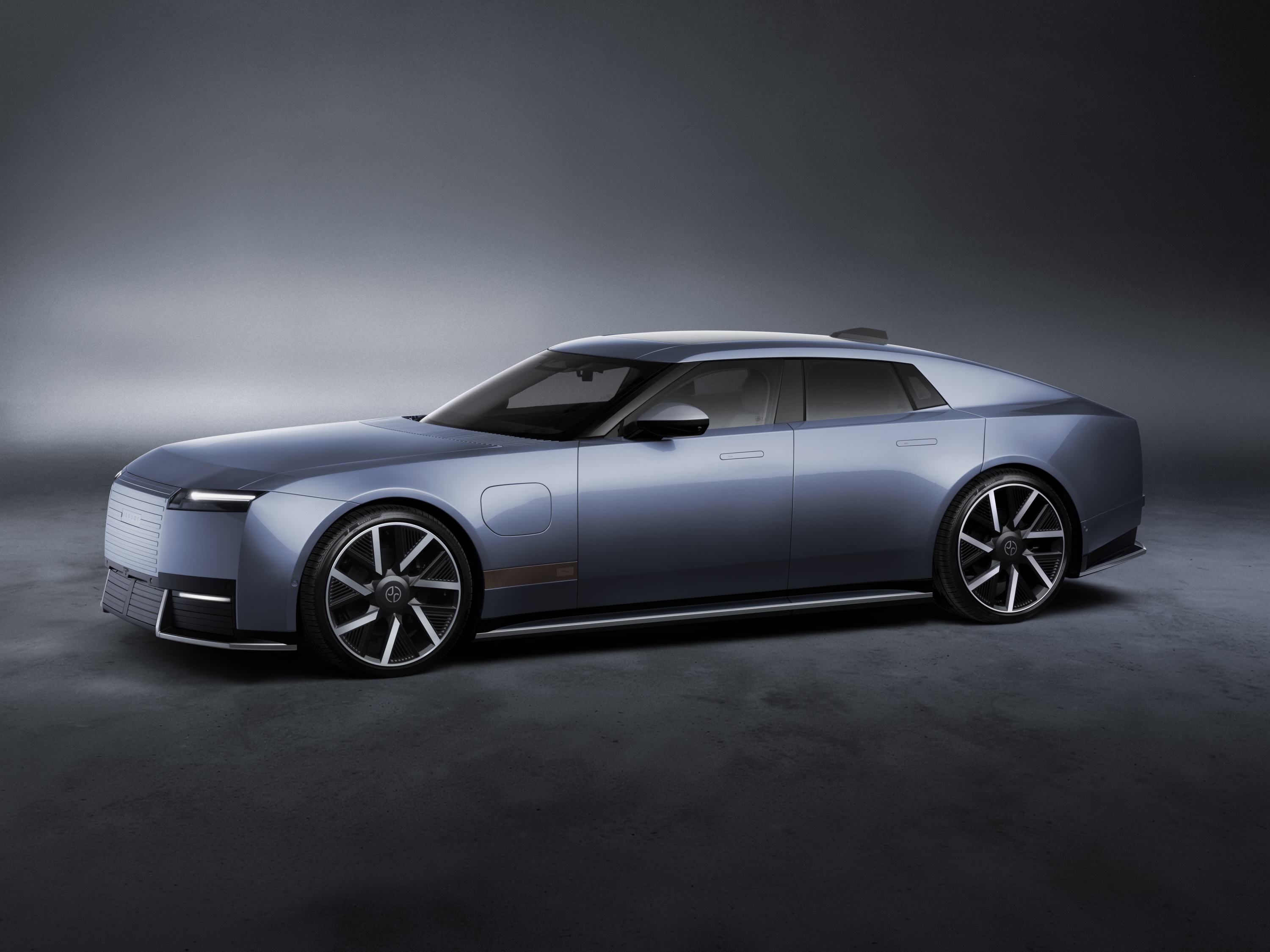
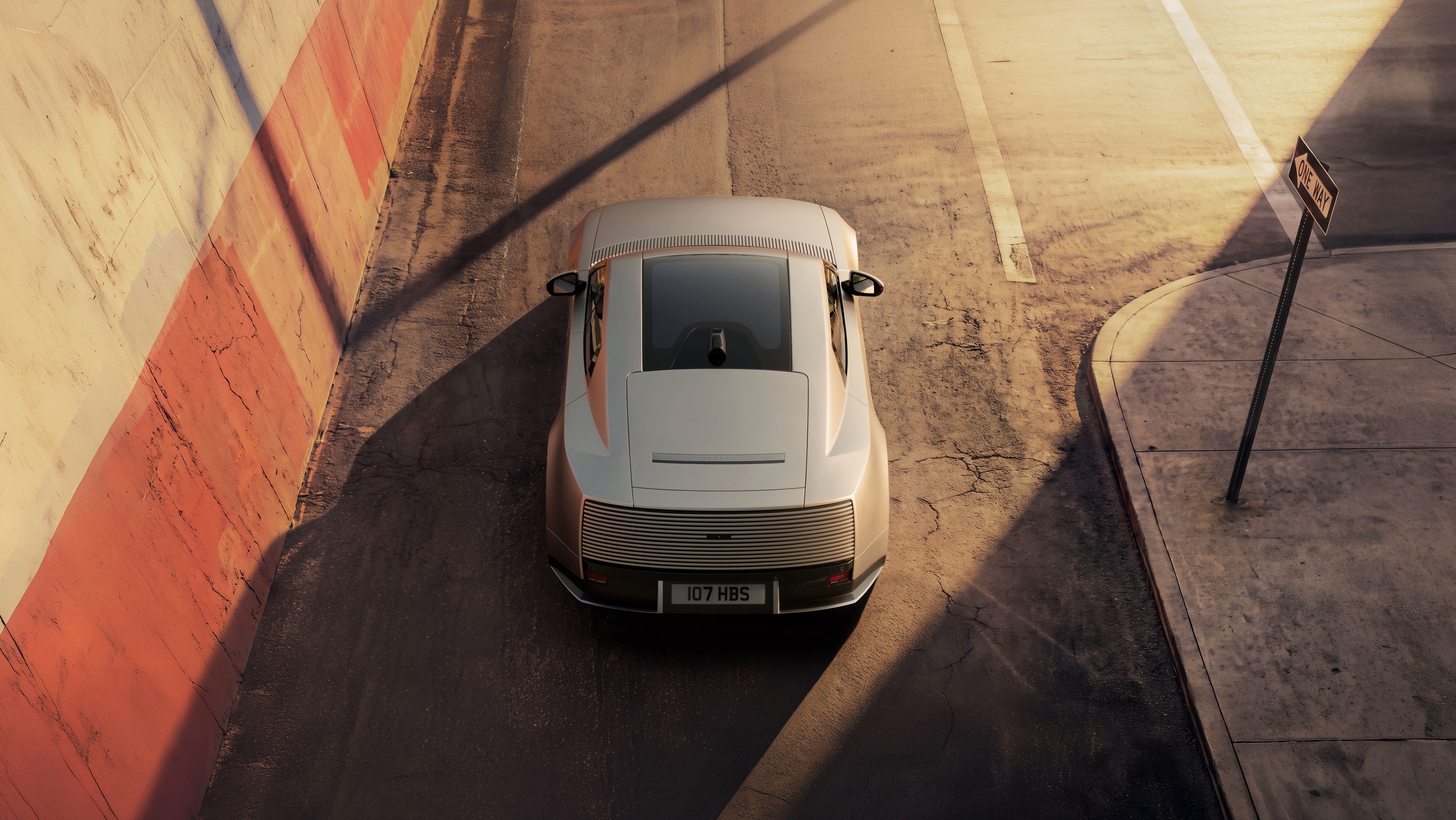
Today, we can see an iteration of that design, now a four-door GT called the Type 01. The previously brutalist shape is now adorned with the jewelry of reflectors that are required by the necessities of street legality, and of course there are now four doors rather than two. There is no rear window, but then there’s no rear window in a Polestar 4, and to be frank, barely a view out the back of a Corvette or even a Land Rover Defender when the spare tire is on the back. These days the technology for a central rear-view camera that replaces the mirror is proven and robust, happily.
Don’t let the bluff angles fool you—the shape still achieves a drag coefficient of 0.23. Coupled with a 118 kWh (usable) battery pack, that should allow for about 400 miles (644 km) on a single charge, although a formal EPA estimate will show up closer to the car’s arrival in US dealerships in mid-2027. The pack—many examples of which I saw being manufactured on a recent visit to one of Jaguar Land Rover’s factories in the English Midlands—operates at 850 V, and Jaguar says that a 350 kW DC fast charger will take the battery from 10–80 percent in 22 minutes.
Even though Jaguar hasn’t had any new cars to sell, it hasn’t been entirely dormant; there’s a rather effective Formula E program, after all. A few weeks ago, that powertrain scored its third team championship in four years, adding a second title for the Jaguar TCS Racing squad (the third being the customer Envision Racing team). And over the years, Jaguar’s boffins have actually learned a lot about how to design, build, and operate electric powertrains that are both powerful and efficient, and that work has direct benefits to road-going EVs.
Here, we can see that in the Type 01’s silicon carbide inverters and the car’s traction control system, to name but two. Add in a 50:50 weight distribution, all-wheel drive, all-wheel steering, and 1,015 hp (757 kW) and 1,007 lb-ft (1,365 Nm) and the Type 01 should have driving dynamics to justify the expected $120,000–$130,000 MSRP.
But no one cares about any of that, because it seems mostly they’re all just mad about the way it looks. “You made some classic cars along the way, too bad your final one sucks,” said one colleague this morning. “I’m not sure who that Jaguar is meant to appeal to. Zero personality executives maybe?” asked another. “Still better than the Cybertruck,” said a third, all of whom will remain nameless.
But the Cybertruck reference reminds us that car design can often be divisive—Elon’s Edsel certainly is. But so too was the original Ford Edsel; kinder critics said the front looked like “Oldsmobile with the prow of a Pierce-Arrow implanted in its front end, or of a teenage girl trying on her mother’s party gown.” Less kind critics compared the grille to female genitalia. It’s almost certainly apocryphal, but car designer Giorgetto Giugiaro is claimed to have exclaimed, upon seeing the deeply scalloped sides of Triumph’s new TR7, “They’ve done it on the other side too!”
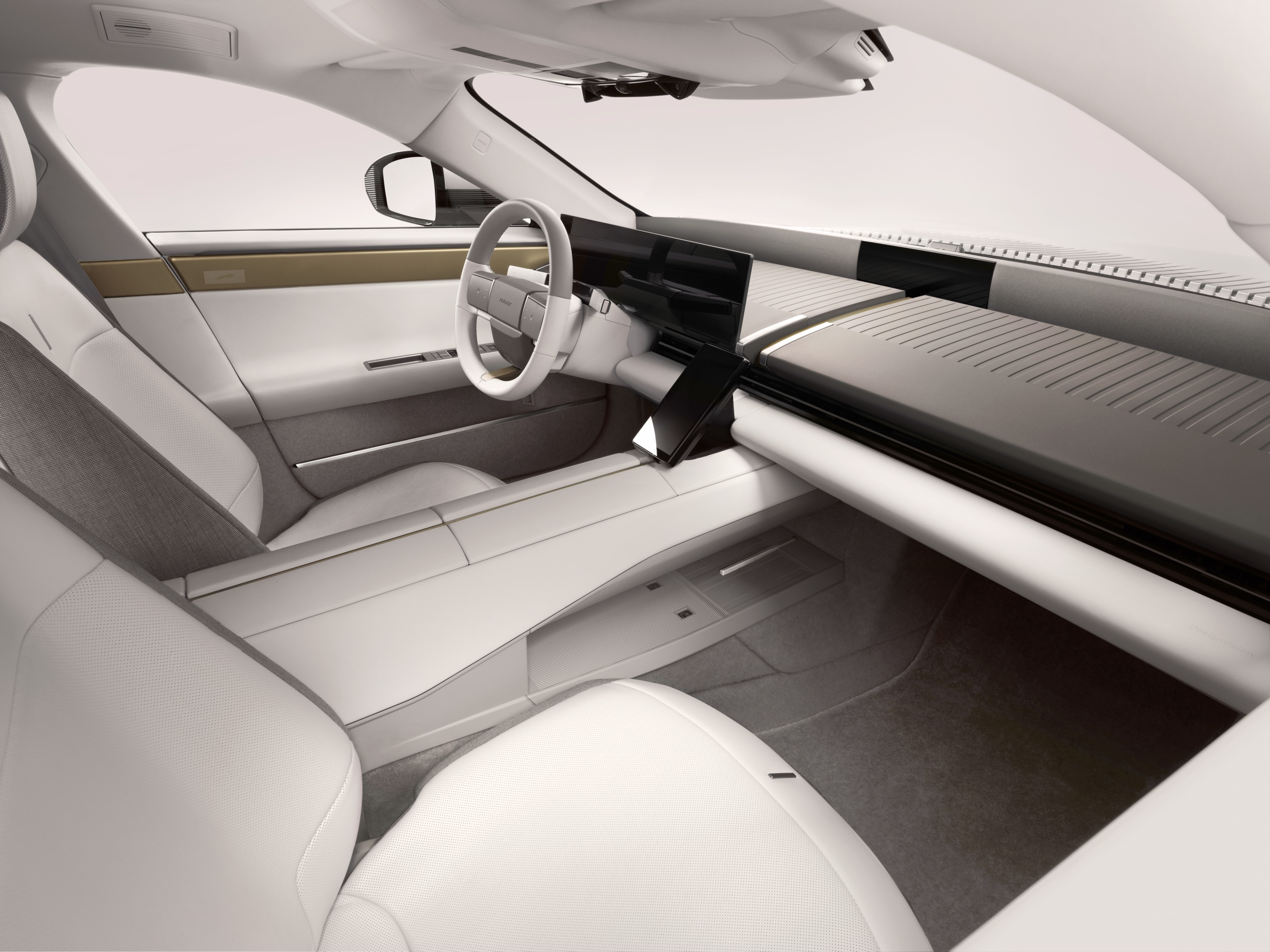
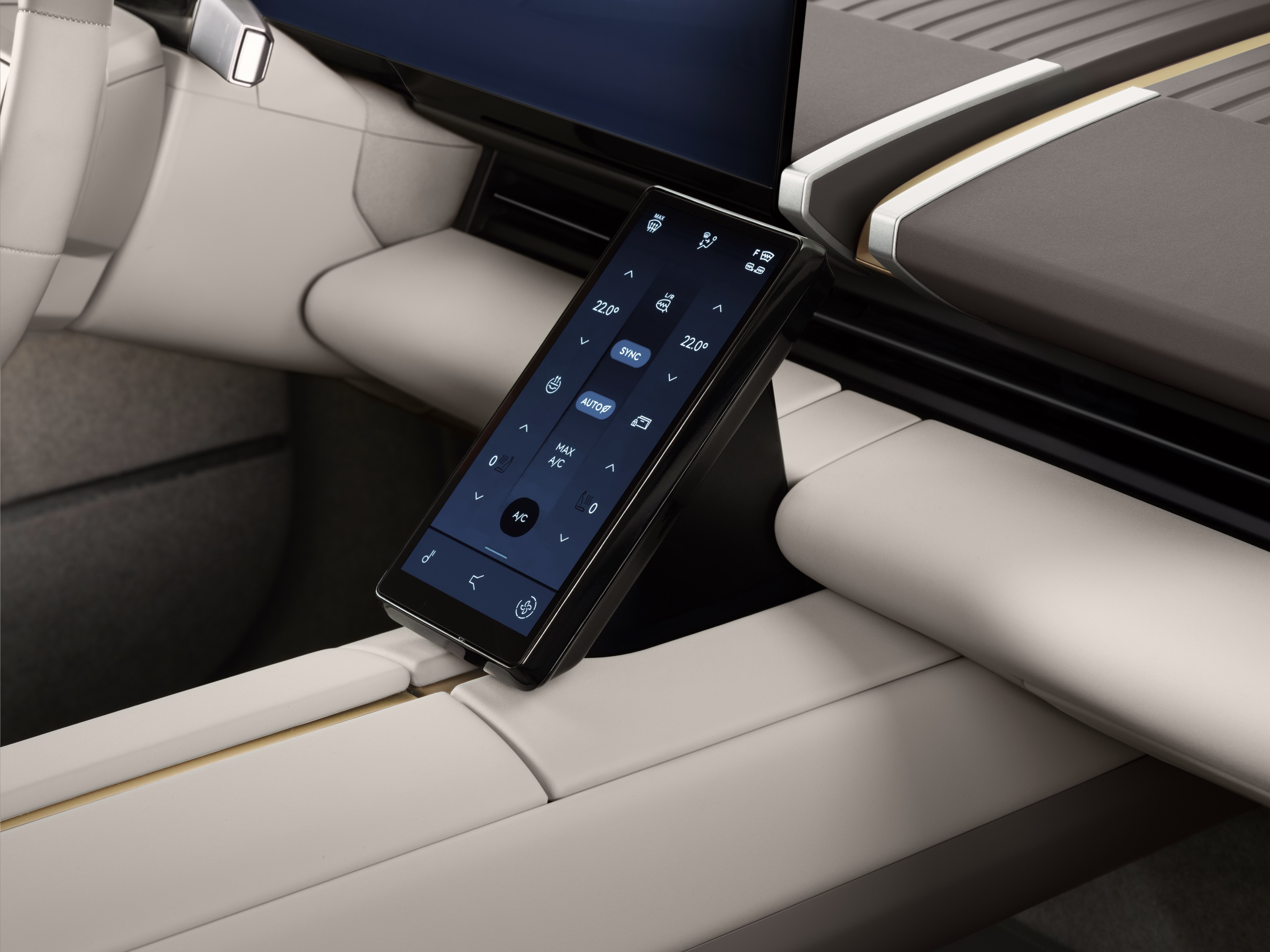
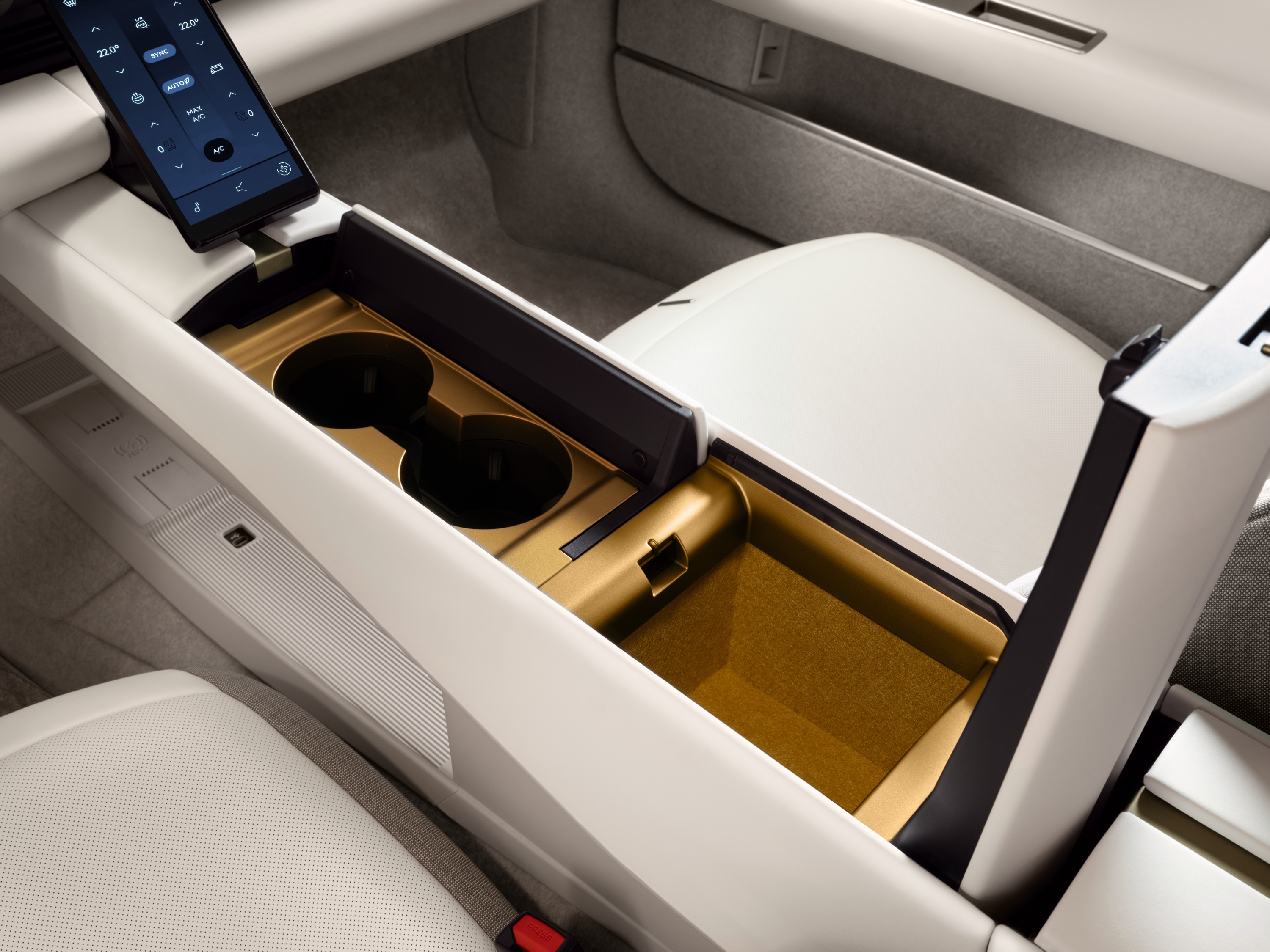
And have we all forgotten how the Internet lost its mind in May when Ferrari’s first EV design failed to impress? Perhaps its negative polarization, or maybe my appreciation for brutalist architecture and unloved automotive oddities like the collected works of Bristol Cars and the avant-garde stylings of Zagato, but I don’t dislike the exterior. The inside appears rather similar to the recently revealed Range Rover GT, another all-electric four-seat GT from JLR, albeit built on the EMA architecture and the off-roading capabilities that it endows. But tastes are subjective, and I’m sure the comments will reflect that.