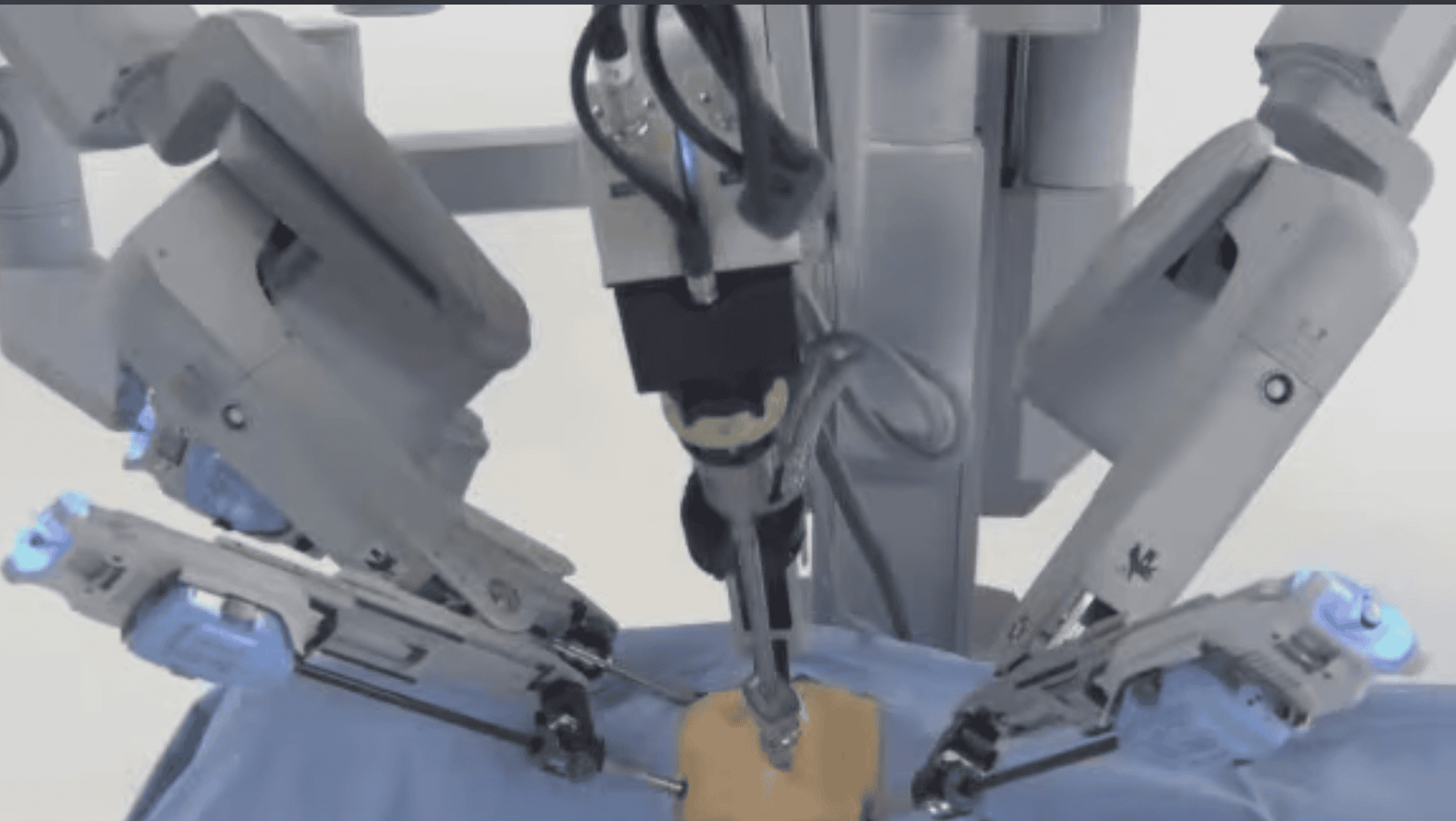
Instead of the large opening required in conventional lung transplantation, the surgical team worked through several small incisions with the da Vinci surgical system. Doctors were able to attach the donated lung to the recipient’s airways and blood vessels through the keyhole openings.
The operation was led by Dr. Yuri Peischowicz, head of Beilinson’s Department of Thoracic Surgery. Approximately 20 robotic lung transplants have been carried out worldwide, placing the Israeli procedure among a small number performed with the technique.
“We aspire to make robotic surgery without opening the chest the accepted standard for lung transplantation within five years,” Peischowicz said.
Recovery following a traditional lung transplant can be complicated by the extent of the surgery itself. Such operations generally take between eight and 10 hours, and patients may experience severe pain afterward because the chest has been opened and the ribs spread.
Pain can then make some of the basic steps needed for recovery more difficult, including taking deep breaths and coughing. When patients struggle to cough effectively, clearing secretions from the lungs can become harder, potentially contributing to infections and a longer recovery.
The robotic procedure is intended to address those problems by reducing the amount of surgical trauma to the chest. Doctors hope smaller incisions will mean less postoperative pain and fewer complications while helping recipients breathe deeply and clear their lungs more easily.
Peischowicz said the operation could mark a change in how lung transplantation is performed in Israel.
“Robotic lung transplantation is a turning point for lung transplants in Israel,” he said, noting that the technique makes it possible to perform the complex procedure with robotic precision and minimal incisions, rather than the extensive chest opening used for decades.