Researchers at Ben-Gurion University of the Negev have found that plants can absorb essential nutrients directly from atmospheric dust through their leaves, challenging the long-held understanding that plant nutrition depends solely on root uptake from soil, the university said Tuesday.
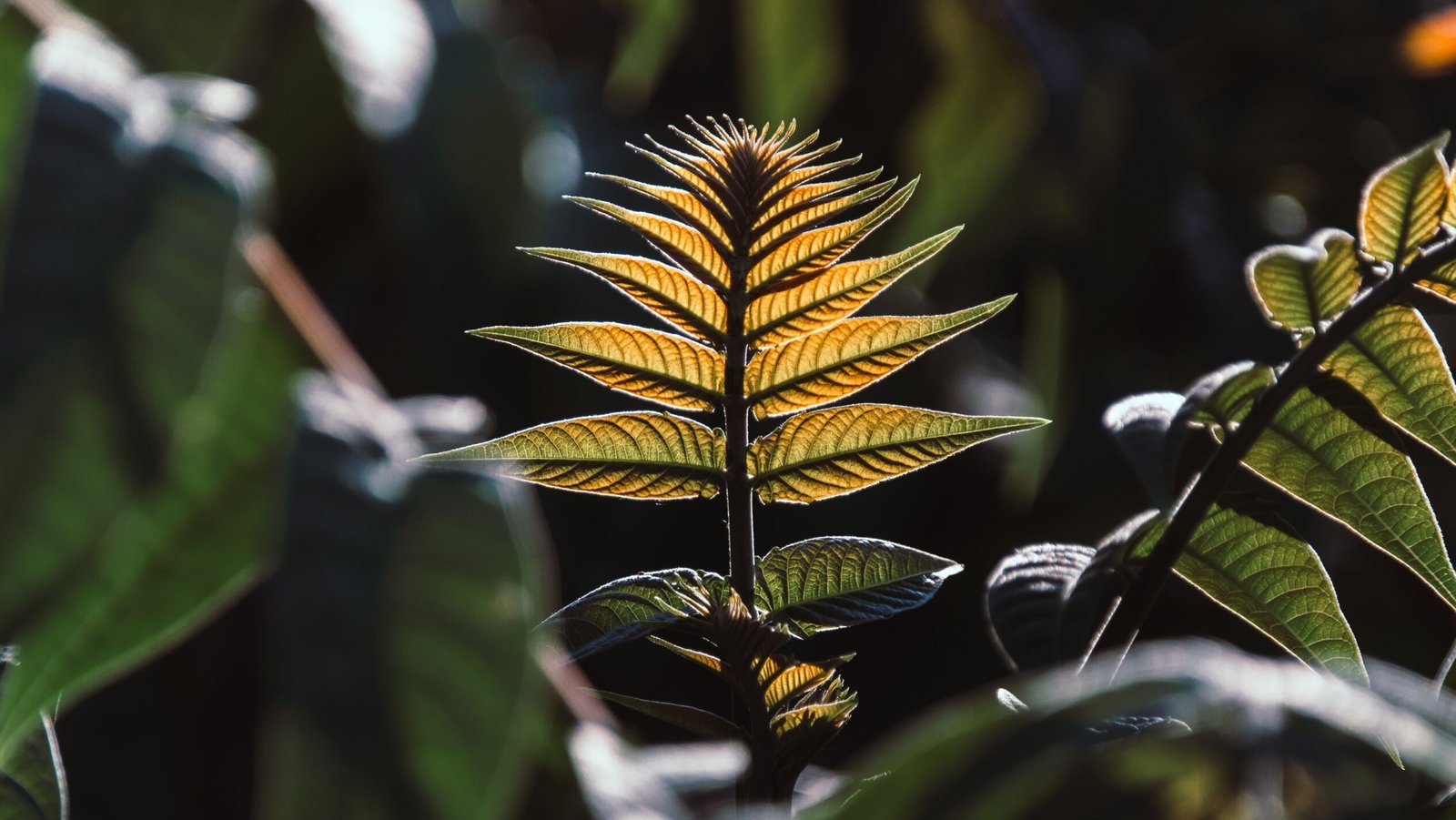
The study, published in the journal New Phytologist and reported by Xinhua, shows that leaves can take in minerals including iron and phosphorus from airborne dust. Researchers said this process occurs as the slightly acidic surface of leaves helps break down dust particles, releasing nutrients that can then be absorbed.
Field experiments conducted in Mediterranean conditions, including in the Judean Hills, demonstrated the effect. Native plants such as cistus creticus and salvia fruticosa exposed to simulated dust events showed higher concentrations of iron and phosphorus in their shoots, while nutrient levels in their roots remained largely unchanged.
The researchers said their findings indicate that leaves play an active role in nutrient uptake, rather than serving only as passive surfaces. By combining field observations with global estimates, the team concluded that dust-derived nutrients can make a measurable contribution to plant nutrition.
In some regions, the study found that nutrients absorbed through leaves accounted for up to 17 percent of iron intake and 12 percent of phosphorus intake relative to soil-based sources. During heavy dust events, the amount of nutrients absorbed from the air can match or exceed those taken up from the soil.
The findings suggest that this mechanism may be particularly important in environments where soil nutrients are limited or difficult to access. Researchers said the process could play a significant role in arid and nutrient-poor ecosystems.
The study also indicated that the importance of airborne nutrient absorption may increase as climate change affects global dust patterns, potentially altering how plants access essential minerals in different regions.