
President Donald Trump said on Wednesday that if his war in Iran continued much longer, the US could have faced “economic catastrophe” with gas prices expected to soar as emergency oil reserves were exhausted.
But new reports suggest that although the war appears to be coming to an end and the Strait of Hormuz is reopening, extraordinary irreversible damage has been done already, and the economic consequences will be felt well into the future.
The Institute on Taxation and Economic Policy (ITEP) estimates that as a result of the war, Americans have paid nearly $54 billion extra for gas and fuel, amounting to more than $400 per household, than if the war had never started.
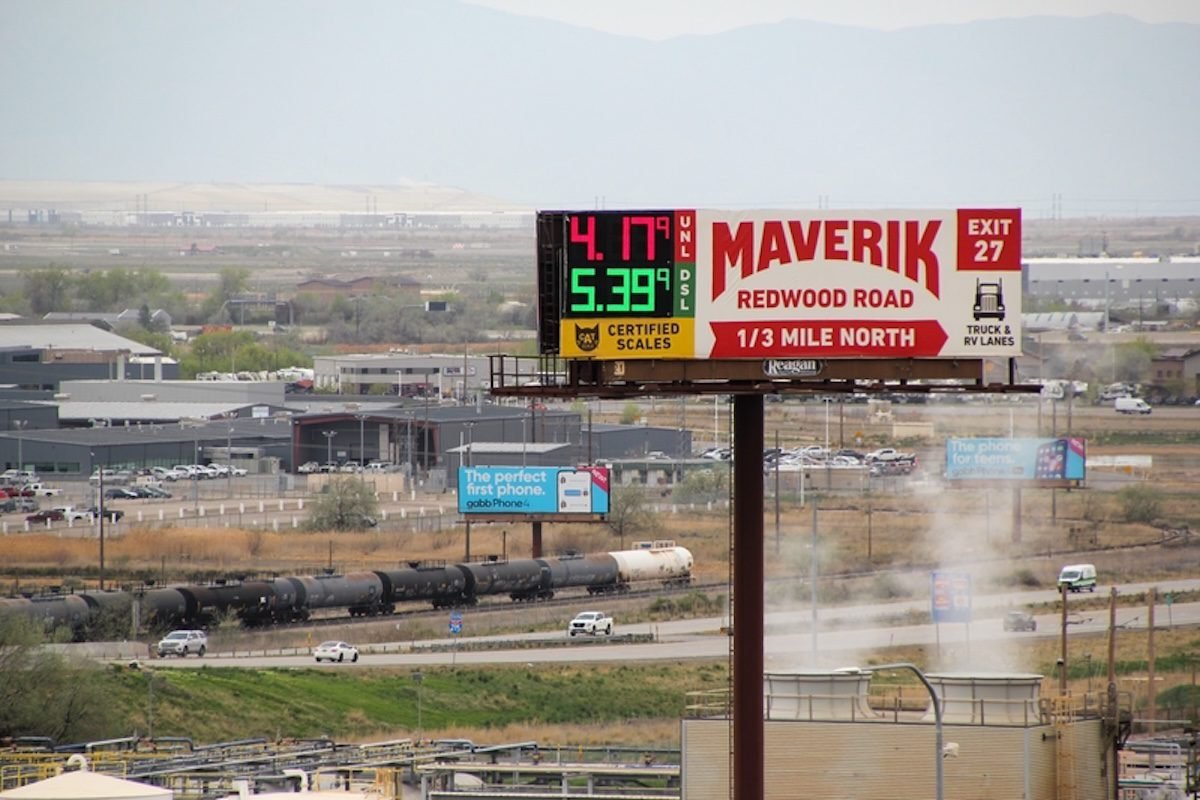
In the wake of the memorandum of understanding signed between the US and Iran, Trump has tried to claim credit as average gas prices have fallen below $4 for the first time since the early days of the war in March. However, gas still costs 25% more than it did last year.
This state of affairs can be expected to continue into the future. As The Associated Press reported Thursday morning:
Even as gas prices start to decline, it is anticipated to take weeks or months for oil to start flowing through the Strait of Hormuz again…
And Gulf oil producers that throttled back production will need time to get the oil moving again. Analysts also say ship captains may take their time to decide if passage is safe and that the threat of attack from Iran has truly receded.
In addition, refineries typically pay for crude oil a month or more in advance, so even after oil prices drop, they won’t immediately be processing cheaper products.
Fighting over the Strait of Hormuz disrupted not only supplies of crude and refined fuel but also the supply chains for fertilizer, food, and even footwear. Businesses expect higher costs to linger, which means their customers might need to prepare for that too.
Patrick De Haan, a petroleum analyst at GasBuddy, told CBS News it will be “a very long, multi-month to multi-year process for things to fully normalize,” and that it could take “until potentially mid-to-late 2027” for gas prices to return to pre-war levels.
Even as Americans, and indeed consumers around the world, continue to see their pocketbooks drained in the coming months, there is one big winner here: the fossil fuel industry.
An analysis released on Thursday by the environmental group 350.org shows that over the course of the war, households and businesses have paid the oil and gas industry an additional $374 billion in profits due to higher prices driven by the war.
Based on pricing scenarios from the International Monetary Fund, the group projected that even with the Strait of Hormuz open, the amount siphoned off could balloon to over $700 billion by the end of the year.
“Even if the Strait of Hormuz reopens tomorrow, we should expect prices to remain above pre-crisis levels,” said Andreas Sieber, 350.org’s head of political strategy. “We witness not only a massive fossil fuel crisis but a vast upward transfer of wealth built on instability of fossil fuel markets and pain.”